What a Murmur Means in a Himalayan
That moment when the vet listens to your beloved Himalayan's chest, their brow furrowing just a touch, and then you hear those dreaded words: "I hear a murmur." It's enough to send any devoted cat parent's heart racing with worry. It’s a common, frightening experience, but a heart murmur in a Himalayan doesn't automatically spell doom. This guide is here to walk you through what a murmur truly means for your fluffy companion, what steps your vet will take, and how you can best support your cat.
Understanding Your Himalayan's Heart Murmur
Hearing that your cat has a heart murmur can be incredibly unsettling. It’s important to remember, though, that a murmur isn't a disease in itself; rather, it’s an abnormal sound caused by turbulent blood flow within the heart. Think of it like a noisy pipe in your house – the sound itself isn't the problem, but it indicates something isn't flowing smoothly inside. This turbulence can be caused by various factors, some benign and others signaling more serious underlying cardiac conditions.
What a Murmur Really Sounds Like to a Vet
When your veterinarian places their stethoscope on your Himalayan's chest, they are listening for the distinct "lub-dub" rhythm of the heart valves opening and closing. A murmur introduces an extra "whoosh" or "swish" sound into this rhythm. The vet isn't just listening for its presence; they're also assessing its characteristics – where it's loudest, when it occurs during the heartbeat, and how intense it is. These details provide crucial clues about its potential origin and significance.
Sometimes, especially in very young kittens, a physiological or "innocent" murmur can be heard. These are often due to the rapid growth and changes in blood volume in a young, healthy cat and typically resolve on their own as the kitten matures. However, in an adult Himalayan, a new murmur or one that persists often warrants further investigation, as it could indicate structural heart abnormalities or other health issues affecting blood flow. The vet will consider your cat's age, overall health, and breed predisposition when evaluating the sound.
It's a terrifying moment when your vet breaks the news, and it's natural to feel overwhelmed. But understanding that the sound itself is a symptom, not the core problem, is the first step. The vet's job then becomes detective work, using the murmur as a lead to figure out why the blood isn't flowing as it should. This might involve looking at the valves, the heart muscle, or even conditions outside the heart that are putting strain on it.
Grading the Murmur: What the Numbers Mean
To standardize their assessment, veterinarians assign a "grade" to a heart murmur. This grading system typically ranges from Grade I to Grade VI, with higher numbers indicating a louder and often more easily detectable murmur. It's crucial to understand that the grade primarily describes the intensity of the sound, not necessarily the severity of the underlying heart disease. A very faint murmur (Grade I) could still be associated with a significant heart issue, while a loud one (Grade V) might be found in a condition that's manageable.
For example, a Grade I murmur is extremely faint and might only be heard by an experienced vet in a quiet room, sometimes only after careful concentration. A Grade III murmur, on the other hand, is moderately loud and can be heard more easily. As the grades increase, the murmur becomes louder, and in Grades V and VI, it's so intense that it can even be felt by placing a hand over the cat's chest, a sensation known as a "precordial thrill."
The grading system acts as a starting point for further diagnostics. It helps the vet decide the urgency and type of follow-up required. While a Grade I in a kitten might lead to a "wait and watch" approach, the same grade in an older Himalayan would likely prompt recommendations for more immediate cardiac work-up to rule out conditions like hypertrophic cardiomyopathy.
Here's a simplified table to illustrate the common murmur grading system:
| Murmur Grade | Description | Palpable Thrill | Typical Significance |
|---|---|---|---|
| Grade I | Very faint, hard to hear, intermittent. | No | Often physiological, but can indicate early or subtle disease. Requires careful monitoring. |
| Grade II | Faint, but consistently audible. | No | Can be physiological or indicate mild to moderate disease. Further investigation often recommended. |
| Grade III | Moderately loud, easily audible. | No | Likely indicative of moderate heart disease. Diagnostics highly recommended. |
| Grade IV | Loud, readily audible. | Yes (sometimes) | Often indicates significant heart disease. Diagnostics are strongly advised. |
| Grade V | Very loud, can be felt as a "thrill" on chest. | Yes | Severe heart disease is highly probable. Urgent cardiac work-up and management are necessary. |
| Grade VI | Extremely loud, audible with stethoscope barely off chest, thrill obvious. | Yes | Indicative of very severe heart disease. Immediate specialist consultation is critical. |
Why Himalayans Are Particularly Susceptible to Murmurs
Himalayan cats, with their distinctive features and luxurious coats, are undeniably beautiful. However, like many purebred cats, they come with a genetic legacy that includes predispositions to certain health conditions, and heart disease is unfortunately one of them. This susceptibility means that a murmur in a Himalayan often carries a higher level of concern than it might in a mixed-breed cat.
The Link to Hypertrophic Cardiomyopathy (HCM)
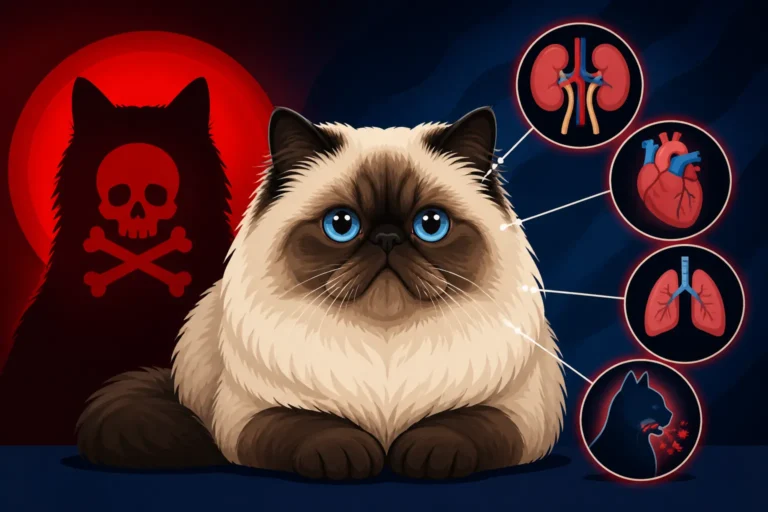
One of the most significant concerns when a Himalayan presents with a heart murmur is the possibility of hypertrophic cardiomyopathy, or HCM. This is the most common heart disease in cats, characterized by a thickening of the heart muscle walls, particularly the left ventricle. This thickening makes it harder for the heart to pump blood effectively and can lead to a host of other issues, including arrhythmias, blood clots, and eventually heart failure. The scary part is that HCM can be a silent killer, with many cats showing no outward signs until the disease is quite advanced, or even when they suffer sudden cardiac arrest.
Himalayans, being closely related to Persians, share a genetic lineage where HCM is known to occur. While studies on the prevalence specifically in Himalayans are ongoing, it's understood that any breed derived from or sharing a significant gene pool with Persians should be considered at risk. This is why a murmur in a Himalayan often prompts a more thorough cardiac investigation. For breeders, understanding How Common HCM Is in Himalayan Lines and whether Whether HCM Reaches the Himalayan From Either Side is paramount for responsible breeding practices, and many will conduct cardiac screenings.
The thickening of the heart muscle in HCM can create turbulent blood flow, leading directly to a heart murmur. It can also impact the function of the mitral valve, causing it to leak and further contributing to the turbulent sound. Early detection is vital for managing HCM and improving a cat's quality of life, which is why your vet will take a murmur seriously in your Himalayan.
Brachycephalic Considerations and Overall Health
Beyond HCM, the Himalayan's unique brachycephalic (flat-faced) skull structure can indirectly impact their cardiac health. While not a direct cause of murmurs, the shortened respiratory passages can lead to increased respiratory effort, especially during periods of stress or heat. This chronic strain on the respiratory system can, over time, put additional stress on the heart, potentially exacerbating existing cardiac conditions or making them more apparent.
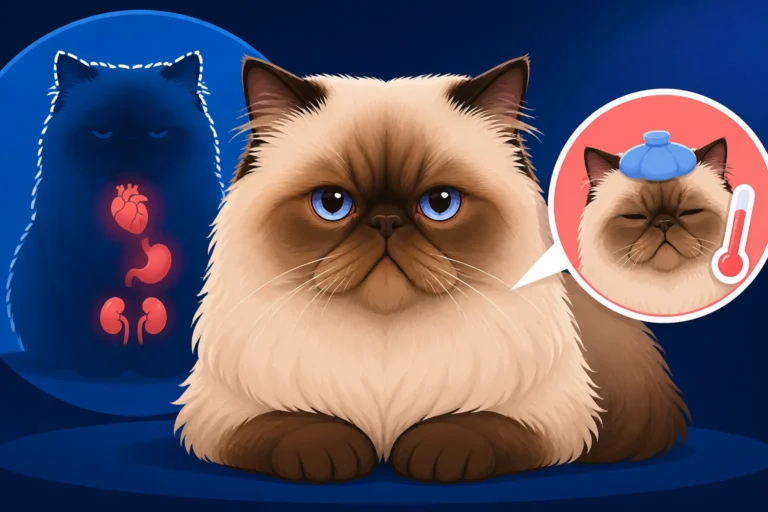
Furthermore, a Himalayan’s generally more sedentary lifestyle compared to more active breeds means they might be less tolerant of even mild heart compromise. A cat with even early heart disease might not show obvious signs like extreme lethargy because their normal activity level is already quite low. This makes it even more critical for owners to be observant of subtle changes and for vets to be proactive in investigating murmurs. Why a Himalayan Hides Illness Behind an Expressionless Face can make early detection of any underlying health issue challenging, necessitating vigilance.
Other systemic issues, such as hypertension (high blood pressure) or thyroid disease (hyperthyroidism), can also cause or worsen heart murmurs in any cat, including Himalayans. These conditions can increase heart rate and force of contraction, leading to turbulent flow. Your vet will always consider the entire picture of your cat's health, including their age, weight (as Why a Heavy Himalayan Stops Grooming Its Points can point to other health concerns), and any other symptoms present, when evaluating a murmur.
Diagnosing and Monitoring Cardiac Health in Himalayans
Once a murmur has been detected, the next step is typically to determine its cause and significance. This usually involves a combination of diagnostic tests that give your veterinarian a clearer picture of your Himalayan's heart structure and function. Don't be surprised if your vet recommends seeing a specialist; cardiac health can be complex.
Initial Veterinary Assessment and Next Steps
After detecting a murmur, your general practitioner vet will likely perform a thorough physical exam, taking your cat's temperature, pulse, and respiration rate. They'll also check mucous membrane color, assess pulse quality, and gently palpate your cat's abdomen to feel for any fluid accumulation that might indicate heart failure. They'll ask you detailed questions about your cat's history, behavior, and any symptoms you might have noticed, such as coughing, lethargy, decreased appetite, or changes in breathing.
Depending on the murmur's grade and your cat's overall health, your vet might recommend some initial blood tests. These blood tests might include a complete blood count (CBC) and a biochemistry panel to check for underlying systemic diseases like kidney disease (which is why Why a Himalayan's Kidneys Are Checked Before Sedation is so important, as kidney issues can impact heart health) or hyperthyroidism, both of which can influence heart function. A specific blood test called a ProBNP can also be very helpful; elevated levels can indicate stretching of the heart muscle and an increased risk of heart disease, though it's not diagnostic on its own.
Your vet might also suggest chest X-rays. While X-rays don't show the heart muscle in detail, they can reveal the overall size and shape of the heart and check for fluid accumulation in or around the lungs, which is a sign of congestive heart failure. These initial steps help your vet decide whether a referral to a veterinary cardiologist is necessary for more advanced diagnostics.
Advanced Cardiac Diagnostics: The Echocardiogram
The gold standard for diagnosing heart disease in cats, especially HCM, is an echocardiogram (an ultrasound of the heart). This non-invasive procedure allows a veterinary cardiologist to visualize the heart's chambers, valves, and muscle walls in real-time. They can measure the thickness of the heart muscle, assess valve function, look for abnormalities in blood flow, and determine the heart's pumping efficiency. This is usually the test that definitively tells you the cause of the murmur.
An echocardiogram can differentiate between an innocent murmur and one caused by structural heart disease. If HCM is present, it can determine the severity of the thickening and whether it's causing obstruction to blood flow. This detailed information is critical for establishing a prognosis and developing an appropriate treatment plan. Because Himalayans are prone to HCM, many responsible breeders will have their cats scanned before breeding to reduce the incidence of the disease, ensuring they are Whether a Himalayan Is Scanned Before It Is Bred.
While an echocardiogram requires specialized equipment and expertise, and can be costly, it provides the most comprehensive information about your Himalayan's heart. Many owners find that investing in pet insurance, such as a plan from Healthy Paws, can significantly ease the financial burden of these essential diagnostic procedures and ongoing treatments. The results of the echocardiogram will dictate the next steps, including whether medication is needed and how frequently your cat's heart health will need to be re-evaluated.
Managing Life with a Himalayan and a Heart Murmur
Receiving a diagnosis of a heart condition can be daunting, but with proper management, many Himalayans can live comfortable, happy lives for years. The key is working closely with your veterinarian or a veterinary cardiologist to implement a tailored plan that addresses your cat's specific needs.
Treatment and Medication Options
The treatment for a heart murmur or underlying heart disease in a Himalayan depends entirely on the specific diagnosis and severity. If the murmur is deemed "innocent" or physiological, no specific treatment may be necessary, but regular monitoring will be crucial. For conditions like HCM, however, medication is often prescribed. These medications aim to improve heart function, reduce fluid buildup, slow heart rate, or prevent blood clots. Common medications might include beta-blockers, ACE inhibitors, diuretics, or anti-clotting agents like clopidogrel.
Administering medication to a cat, especially one with a discerning palate like many Himalayans, can be a challenge. Your vet can offer tips on how to give pills or liquid medications, perhaps by hiding them in a favorite treat or using a pill pocket. Consistency is vital with cardiac medications, so establishing a routine that works for both you and your cat is paramount. For chronic conditions, remember that How Often a Tested Himalayan Still Needs Checking will be a part of their ongoing care, and adherence to medication schedules and follow-up appointments is non-negotiable.
It's also important to understand that cardiac medications are typically for life and aim to manage the condition, not cure it. Regular check-ups, often including repeat echocardiograms and blood tests to monitor kidney function (since many cardiac medications can impact the kidneys), will be part of the long-term management plan. This commitment to ongoing care is where a comprehensive pet insurance plan from providers like Healthy Paws can truly make a difference, covering a significant portion of these recurring costs.
Lifestyle Adjustments and Prognosis
Living with a Himalayan that has a heart murmur or heart disease often involves some lifestyle adjustments to minimize stress on their heart. Generally, this means maintaining a calm home environment, avoiding sudden loud noises or overly strenuous play that could cause undue excitement. Most Himalayans are already quite content to be indoor cats, preferring a relaxed pace, so this usually aligns well with their natural inclinations. You might notice your cat preferring cooler spots in the house, as excessive heat can put strain on a compromised heart.
Dietary considerations can also play a role, especially if your Himalayan is showing signs of congestive heart failure. Your vet might recommend a low-sodium diet to help manage fluid retention. Maintaining a healthy weight is also crucial, as obesity can place extra strain on the heart. Monitoring your cat's eating and drinking habits, along with changes in their breathing, is essential. Any rapid, shallow breathing, open-mouth breathing when not overheated from play, or persistent coughing warrants immediate veterinary attention.
The prognosis for a Himalayan with a heart murmur varies greatly depending on the underlying cause, its severity, and how well it responds to treatment. An innocent murmur in a kitten might resolve completely, while severe HCM can significantly shorten lifespan. However, with early diagnosis and consistent management, many cats with heart disease can still enjoy good quality of life for several years. Regular veterinary visits and adherence to the treatment plan will give your Himalayan the best possible chance at a long and comfortable life, and remember that What a Himalayan's Yearly Bloods Should Cover After Eight becomes increasingly important as they age to monitor for any developing issues.
Disclaimer
This article is intended for informational purposes only and does not constitute veterinary advice. Always consult with a qualified veterinarian for any health concerns or before making any decisions about your pet's medical care.