How to Feel a Himalayan’s Spine Through Its Ruff
It can be incredibly frustrating to know your Himalayan needs a good once-over for their health, but feel like you're just patting a fluffy cloud! Their luxurious, dense coats are a hallmark of the breed, but they also make it genuinely challenging to assess their physical condition, especially something as fundamental as their spine. This guide will walk you through exactly how to navigate that magnificent fur to feel your Himalayan's spine, understand what a healthy spine should feel like, and recognize signs that might warrant a closer look.
Understanding the Himalayan's Unique Physicality
Before we dive into the "how-to," it's vital to appreciate what makes feeling a Himalayan's spine so tricky in the first place. These aren't your average short-haired cats; they come with a distinct physical package that often hides a lot from the casual touch.
The Double-Layered Delusion of the Himalayan Coat
Himalayans inherit a magnificent double coat from their Persian ancestors. This isn't just a thick layer of fur; it's composed of a soft, downy undercoat that provides insulation and a longer, coarser outer guard coat that gives them their plush appearance. Together, these layers create a veritable fortress of fluff that can make feeling anything beneath it feel like an impossible task. You might run your hand along their back, convinced you're feeling solid muscle and bone, when in reality, you're mostly compressing several inches of dense fur. This thick barrier can easily mask changes in body condition, making it hard to tell if your cat is losing weight or putting on a few extra pounds, which might alter how their spine feels.
Many owners find themselves struggling to get past this initial layer, especially around the neck and shoulders where the ruff is particularly abundant. It’s not just about aesthetics; this coat serves as a significant barrier to tactile examination. Regular grooming, as discussed in The Daily Comb a Himalayan Cannot Skip, is not just for beauty but also helps thin out the undercoat slightly, making it a little easier to perform these essential health checks. Without consistent combing, mats can form, further obscuring the body underneath and making any tactile examination uncomfortable or even impossible.
The Cobby Body and Its Impact on Palpation
Beyond the fur, Himalayans possess a characteristic "cobby" body type. This means they are compact, heavily boned, and muscular, with a deep chest and short, sturdy legs. Their build is substantial, giving them a generally robust and rounded appearance. This cobby structure, while part of their charm, also means that their muscles and fat padding around the spine are naturally quite substantial, even in a cat of ideal weight. This contrasts sharply with leaner breeds where the spine might be more readily palpable.
Trying to feel the spine through this combination of dense fur and a cobby, muscular build requires a specific approach. You're not looking for a sharply defined ridge of bone like you might find on a svelter feline; instead, you're aiming to feel the subtle undulations of the vertebrae through the cushioning. Understanding this inherent body type helps set realistic expectations for what you should be feeling. It also emphasizes the importance of learning What a Himalayan's Cobby Frame Should Weigh to ensure you're not misinterpreting a healthy, well-muscled cat as being overweight, or vice-versa, simply because you can't easily feel the spine.
The Step-by-Step Guide to Palpating Your Himalayan's Spine
Now that we understand the challenges, let's get down to the practical steps. Feeling your Himalayan's spine isn't about brute force; it's about technique, patience, and a gentle touch.
Setting the Scene for Success
The first step to a successful spinal check is ensuring your Himalayan is relaxed and comfortable. These cats thrive on routine and calm environments. Choose a time when your cat is naturally settled, perhaps after a meal or during a quiet evening when they're in a sleepy, contented mood. Avoid trying this when they're stressed, playful, or agitated, as they'll be less cooperative, and you might accidentally cause discomfort. A calm cat is a cooperative cat, and you want this to be a positive experience.
It can be helpful to perform this check on a stable, elevated surface like a grooming table or even a kitchen counter, with a non-slip mat or towel underneath. This allows you to have better leverage and visibility, and many cats are accustomed to being handled on such surfaces for grooming. Begin with some gentle petting and reassuring words, allowing them to settle into your touch. Integrating this into your regular Handling a Himalayan So It Will Let You Comb It routine can make it feel less like an examination and more like just another part of their daily pampering. A treat or two during and after the process can also create a positive association.
The Gentle Glide Technique for Spinal Assessment
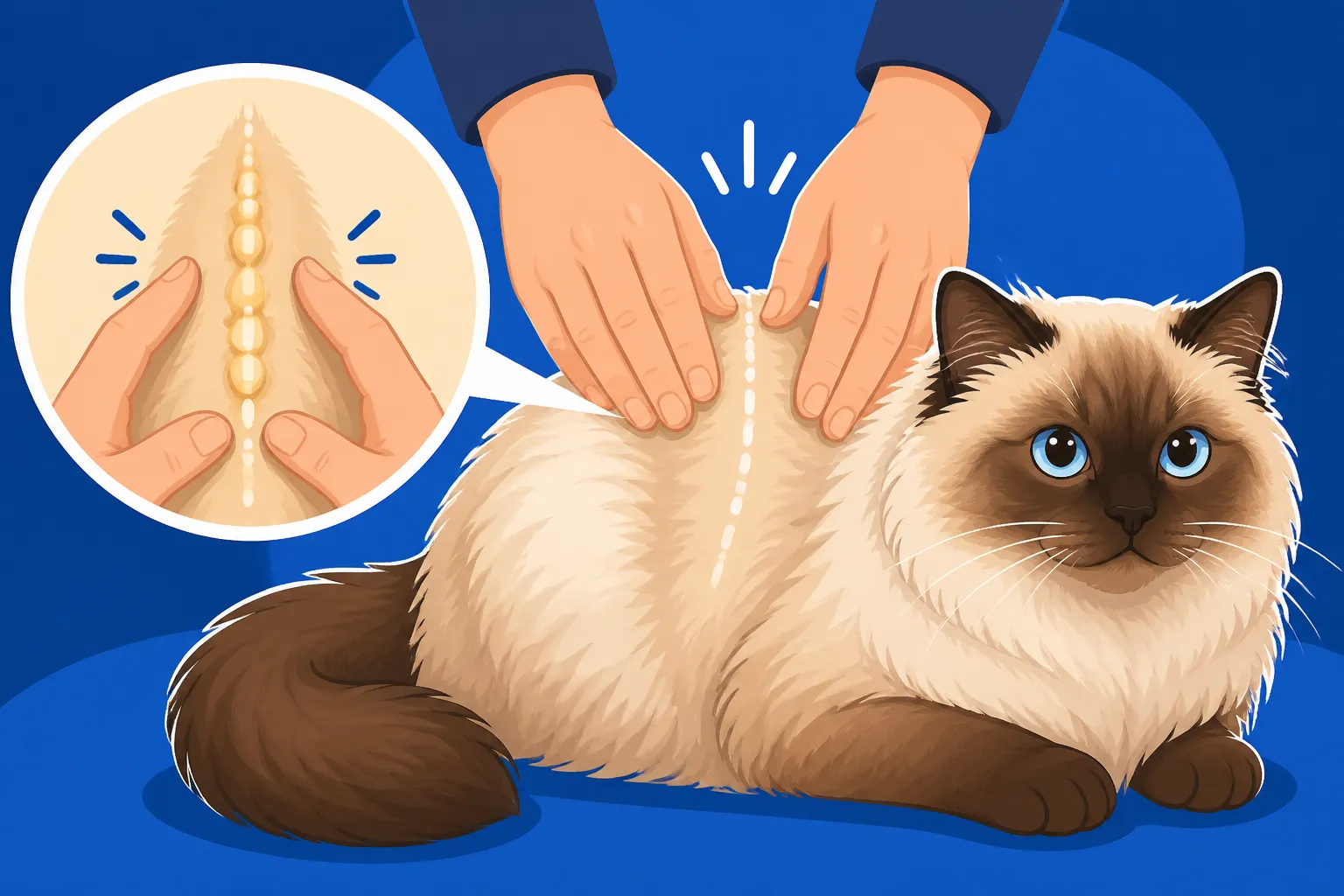
With your Himalayan relaxed, it's time to begin the actual palpation. Start by placing both hands flat on either side of their spine, just behind their neck. Your fingers should be pointing towards their tail. Apply very light, consistent pressure, not enough to push down hard, but enough to compress the fur and feel what's underneath. Think of it as gently molding your hands to their body, rather than poking or prodding.
Slowly and deliberately, slide your hands down your cat's back towards their tail. As you do this, you're trying to feel for the individual bumps of their vertebrae (spinal processes). Imagine you're trying to count them with your fingertips, even though you won't feel them distinctly like a bead necklace. You should feel a general, smooth, somewhat rounded contour, with subtle bumps underneath the surface. The goal is to feel the spine as a continuous ridge, rather than individual sharp points or a completely flat, undifferentiated mass. Remember, the cobby build means it won't be as pronounced as on other breeds, but you should still be able to discern its presence and general shape. If your cat tolerates it, you can also try a very gentle "pinching" motion, where your thumb and forefinger lightly try to feel the spine from both sides, again, being incredibly gentle and quick.
Distinguishing Bone from Fluff and Muscle
One of the biggest hurdles is differentiating the actual spinal bones from the dense fur and surrounding muscle and fat. The key here is practice and understanding what you're not looking for. You are not trying to feel sharp, prominent edges. If the spinal processes feel sharply defined and easily felt, almost protruding, it could indicate that your Himalayan is underweight, and you’re feeling more bone than intended due to a lack of muscle and fat padding. Conversely, if you can barely feel anything at all – just a soft, uniform cushion – your cat might be overweight, and the excess fat is obscuring the spine entirely.
A healthy Himalayan spine, when palpated correctly, should feel like a subtle, somewhat rounded series of bumps. You'll feel the resistance of muscle and fat, but your fingertips should still be able to discern the underlying bone structure. It should be a smooth, continuous line, without any abrupt changes, painful spots, or areas of stiffness. If you suspect your cat is overweight, it's often easier to first try How to Find a Himalayan's Ribs Through a Persian Coat, as ribs can sometimes be a clearer indicator of body condition. By regularly checking, you'll become attuned to what is normal for your cat, making it easier to spot changes over time.
What You're Feeling For: Signs of Health and Concern
Once you master the technique, knowing what those sensations mean is the next crucial step. The spine can tell you a lot about your Himalayan's overall health and well-being.
The Ideal Spinal Feel in a Himalayan
When your Himalayan is at an ideal weight and condition, their spine should feel like a series of gentle, rounded undulations beneath the fur, muscle, and a moderate layer of fat. You should be able to identify the spine's general path as a distinct, continuous line down their back, even if you can't precisely count each individual vertebra. There should be a smooth transition from the neck to the tail, with no sudden dips, sharp protrusions, or painful reactions from your cat. The surrounding muscle should feel firm but not hard, and there should be a good, even coverage that doesn't feel overly soft or squishy.
Think of it like feeling a firm, well-padded cushion where you can still sense the sturdy frame beneath. The purpose of this check isn't to be a veterinarian, but to provide you with a baseline. By performing this regularly, you'll recognize what is "normal" for your specific cat. This baseline is incredibly valuable because any significant deviation can be an early indicator of a potential health issue that needs professional attention. It's a proactive measure to ensure your cat maintains their optimum health, contributing to their The Nine to Fifteen Years a Himalayan Usually Gets.
Red Flags: Too Prominent or Too Hidden
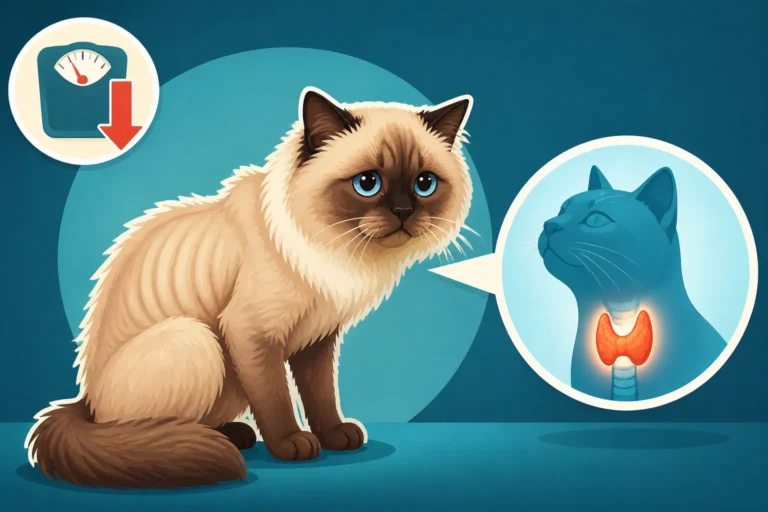
When you run your hands along your Himalayan's back, there are certain sensations that should raise a red flag. If the spinal processes feel very prominent, sharp, and easy to distinguish, it usually means your cat is underweight. This lack of adequate muscle and fat padding makes the bony structures much more obvious. Weight loss can be a symptom of various underlying health issues, from dental problems making eating difficult, to more serious conditions like hyperthyroidism or kidney disease. It's especially concerning if this change is sudden or accompanied by other symptoms like lethargy or changes in appetite.
On the flip side, if you struggle to feel the spine at all, and your hands simply glide over a soft, uniformly padded surface, it's a strong indicator that your Himalayan is overweight or obese. Excess fat can completely obscure the spinal column, making it nearly impossible to palpate. Obesity in Himalayans is a serious concern, as their cobby body type and often sedentary lifestyle make them prone to it. Being overweight can lead to issues like diabetes, joint problems (which ties into How Arthritis Shows in a Himalayan That Never Jumped), and even further breathing difficulties, compounding the challenges already present with their brachycephalic features. A vet visit is crucial for both scenarios to determine the root cause and establish a plan for weight management or investigation into underlying illness.
Addressing Spinal Sensitivities and Pain
During your spinal check, pay close attention to your Himalayan's reactions. If they flinch, hiss, pull away, or show any signs of discomfort or pain when you touch certain areas of their spine, this is a significant red flag. Pain can indicate a variety of issues, from muscular strains to more serious conditions affecting the vertebrae, discs, or nerves. Arthritis is a common culprit in older cats, even those who seem to avoid jumping, and spinal issues can certainly arise.
Never try to force the examination if your cat is reacting negatively. Instead, note the specific area of sensitivity and schedule an appointment with your veterinarian as soon as possible. It's important to describe exactly what happened, when it started, and any other symptoms you've noticed. Your vet might recommend diagnostic tests such as X-rays or even advanced imaging to pinpoint the cause of the pain. Remember, Himalayans are masters at hiding illness, so any overt sign of pain needs to be taken seriously, as discussed in Why a Himalayan Hides Illness Behind an Expressionless Face. Early intervention is always best for addressing pain and preventing further complications.
Integrating Spinal Checks into Routine Care
Making spinal checks a regular part of your Himalayan's care routine is vital for their long-term health. It's not a one-off event, but an ongoing commitment to understanding and monitoring their unique physiology.
The Importance of Regularity
Just like you wouldn't skip your Himalayan's daily comb, these spinal checks need to be a consistent habit. Aim to perform a gentle palpation at least once a week, or even daily if your cat enjoys the attention. Consistency allows you to establish a clear baseline for what feels normal for your cat. With regular checks, you'll quickly notice even subtle changes in their body condition, muscle mass, or any new sensitivities along the spine. This early detection is incredibly valuable, as it allows you to address potential issues before they escalate into more serious problems.
Consider incorporating it into an existing routine, such as during a petting session on the couch, or right after their grooming, when they are already accustomed to being handled. The more frequently you do it, the more comfortable your Himalayan will become with the process, and the more skilled you'll become at feeling through their luxurious coat. Think of it as another touchpoint in building that bond of trust and care you share with your feline companion.
When to Seek Veterinary Advice
While regular home checks are an excellent preventative measure, they are not a substitute for professional veterinary care. You should always consult your vet if you notice any of the following:
- Sudden or unexplained weight loss: If their spine becomes much more prominent without a change in diet or activity.
- Rapid weight gain: If their spine becomes difficult or impossible to feel due to increased padding.
- Any signs of pain or discomfort: Fliching, hissing, or crying out when you touch their back.
- Changes in posture or gait: Limping, stiffness, reluctance to jump, or a hunched appearance.
- Lumps or bumps: Any unusual masses felt along the spine or elsewhere on the back.
- Persistent lethargy or changes in appetite: These could be accompanying symptoms of a deeper issue.
Your vet can perform a thorough physical examination, including a professional palpation, and recommend appropriate diagnostics, such as blood tests (like those covered in What a Himalayan's Yearly Bloods Should Cover After Eight), X-rays, or ultrasound, to get to the bottom of any concerns. It's also wise to discuss a pet insurance plan, such as those offered by Healthy Paws, early in your cat's life. This can help cover unexpected diagnostic and treatment costs for spinal issues or other health concerns that might arise, giving you peace of mind that you can always provide the best care for your beloved Himalayan.
Keeping Track of Progress and Concerns
To make the most of your regular spinal checks, consider keeping a simple log. Note the date of each check, what you felt (e.g., "spine easily palpable, good muscle tone" or "spine harder to feel, feels more padded"), any changes you observed, and your cat's reaction. This written record can be incredibly helpful for tracking trends over time and providing concrete information to your veterinarian during appointments.
For example, if you're working on weight management, you can see if the spine becomes more palpable over several weeks. Or, if your cat has a known arthritic condition, you can monitor for increased sensitivity or stiffness. This systematic approach ensures that you're not just performing checks, but actively gathering data that contributes to your Himalayan's ongoing health management. Many pet owners find that a good insurance plan, such as Healthy Paws, which covers a wide range of veterinary services, makes it easier to pursue these regular check-ups and follow-up diagnostics without financial stress.
Spinal Health at Different Life Stages
A Himalayan's spine will feel different at various stages of their life. A growing kitten will have a more delicate bone structure, though still well-padded by their rapid development. As they mature into an adult, their cobby build will mean a well-muscled and moderately padded spine. In their senior years, changes in muscle mass and potential arthritis can alter how the spine feels. For example, older cats might lose muscle, making the spine more prominent, even if their weight hasn't significantly changed. Or, they might develop stiffness or soreness, even if they don't explicitly show outward signs of pain unless touched.
Being aware of these age-related variations helps you interpret what you're feeling more accurately. An older Himalayan might require more frequent and gentle checks, and it's essential to discuss any age-related changes with your vet to ensure their comfort and quality of life. An excellent pet insurance plan, like those offered by Healthy Paws, can be invaluable for managing the increased veterinary needs that often accompany a senior cat, including potential treatments for spinal arthritis or other age-related conditions.
Here's a quick comparison to help you interpret what you're feeling:
| Feature to Assess | Ideal Spine Feel (Healthy Weight) | Concerning Feel (Underweight) | Concerning Feel (Overweight/Obese) |
|---|---|---|---|
| Visibility/Palpability | Subtle, rounded undulations felt through fur | Easily felt, sharp, prominent, often visible | Difficult to feel, obscured by thick padding |
| Contour/Shape | Continuous, smooth ridge | Bony, jagged, individual vertebrae distinct | Flat, uniformly soft, no distinct ridge |
| Surrounding Tissue | Firm muscle, moderate fat padding | Little to no muscle/fat, feels bony | Soft, squishy, excessive fat padding |
| Cat's Reaction | Relaxed, tolerant, no signs of discomfort | May be normal, but monitor overall health | May be normal, but focus on weight loss plan |
| Potential Issues | Good overall health | Illness, poor nutrition, hyperthyroidism | Obesity, diabetes, joint stress, breathing issues |
Disclaimer
This article is intended for informational purposes only and is not a substitute for professional veterinary advice, diagnosis, or treatment. Always seek the advice of your veterinarian with any questions you may have regarding a medical condition.