Why a Matted Himalayan Ends Up Clipped Under Sedation
It's a heartbreaking scenario many Himalayan cat owners face: you adore your fluffy companion, you try your best, but despite your efforts, those beautiful, long locks have somehow become a solid, painful mass of mats. What started as a small tangle under the armpit can quickly escalate into a dense, felted coat that restricts movement and causes immense discomfort. This guide is here to explain why a matted Himalayan often needs professional intervention, specifically clipping under sedation, and how to prevent reaching that point with your beloved feline friend.
The Unique Challenges of the Himalayan Coat
Himalayans, with their stunning Siamese-like points and luxurious Persian ancestry, possess a coat that is truly a marvel. However, this very beauty comes with a significant responsibility, and if not meticulously managed, it can quickly turn into a source of suffering for the cat.
The Double Trouble of Long Hair and Dense Undercoat
The Himalayan coat isn't just long; it's a complex system designed for insulation, a heritage from their Persian lineage. They have a double coat consisting of a long, flowing outer guard hair and a very thick, soft, woolly undercoat. This undercoat is incredibly dense and fine, making it prone to tangling and knotting, especially when shedding or if the cat isn't able to groom itself effectively. Imagine trying to comb through a thick woolen blanket that's also tangled with longer strands of silk – that’s pretty close to what a Himalayan's coat can feel like when it starts to mat. This unique composition is a major reason why their coat mats faster than a Ragdoll's, for instance.
Why Mats Form So Quickly and Firmly
Mats don't just appear overnight; they develop from small tangles that are left unaddressed. Several factors contribute to their rapid formation and stubborn nature. Shedding hair gets caught in the existing coat, becoming woven together. Static electricity can also play a role, making hairs stick together. Moisture, whether from a bath that isn't thoroughly dried, or even just humidity in the air, can cause the fine undercoat to clump. Areas of high friction, like behind the ears, under the armpits, inner thighs, and the "britches" around the rear, are particularly susceptible because they rub together constantly. If you've ever had a Himalayan, you know that where a Himalayan's first mat forms is often in these tricky spots, often before you even realize it's happening. These small tangles quickly tighten, drawing the hair closer to the skin and creating a solid, impenetrable mass that regular combing simply can't penetrate.
The Hidden Dangers of Mats
Beyond just looking unsightly, mats are incredibly dangerous for a cat's health and well-being. They pull on the skin, causing constant pain and irritation, similar to having your hair constantly tugged. This can lead to skin infections as air can't circulate, and moisture gets trapped underneath. Mats also restrict a cat's movement, making it difficult for them to walk, jump, or even stretch comfortably. Imagine trying to move with a tight sweater glued to your skin in multiple places. Severe matting can even impact circulation. Furthermore, these dense clumps of fur can hide a multitude of other problems, from parasites like fleas and ticks to wounds, abscesses, or other skin conditions that go unnoticed and untreated until the mats are removed. It's truly a medical emergency when a matted Himalayan becomes a medical case because of these hidden issues.
Why Traditional Dematting is Often Not an Option
When mats become severe, the idea of simply brushing them out seems like the most straightforward solution. However, with Himalayans, especially those with extensive matting, this approach is often impossible, cruel, or even dangerous.
The Pain Factor for the Cat
Attempting to brush out tightly matted fur from a Himalayan is almost universally excruciating for the cat. Each pull on the mat inevitably tugs on the delicate skin, causing sharp pain. A cat's instinct is to avoid pain, and they will lash out, scratch, or bite to stop what they perceive as an attack. This isn't aggression for aggression's sake; it's a natural defense mechanism. The trauma of a painful dematting session can have lasting psychological effects, making the cat fearful of grooming tools and even their owner, further complicating future care. No loving owner wants to put their cat through such an ordeal, and often, the cat's escalating distress makes the task impossible to complete safely.
Risk of Skin Injury and Trauma
When mats are severe, they are often skin-tight, meaning there is very little space between the mat and the cat's body. Trying to force a comb or a dematting tool through these mats without sedation significantly increases the risk of accidental cuts, nicks, or even tearing the skin. A cat's skin is incredibly thin and fragile, much more so than human skin. Even experienced groomers will tell you that a slip of the clippers or comb on a struggling, matted cat can result in serious injury, requiring veterinary attention. The risk is simply too high to attempt vigorous dematting on an awake, uncooperative cat, particularly when dealing with the fine hairs of a Himalayan, which tend to intertwine tightly right down to the root.
Behavioral Reactions to Pain and Fear
A Himalayan, like any cat, will communicate its distress. Growling, hissing, swatting, biting, or trying to escape are all clear signals that they are in pain and fear. When a cat is in this state, it’s not only dangerous for the person trying to groom them but also incredibly stressful for the cat. Pushing through these signals can damage the bond you share with your pet. It can also lead to learned fear responses, where the cat associates any grooming tool or even being touched in certain areas with pain, making even basic care like nail trims or regular combing a battle. The result is often that the cat is left in a state of chronic discomfort, making the situation even worse. This is why professional intervention is often the only humane option.
When Sedation Becomes a Necessary Kindness
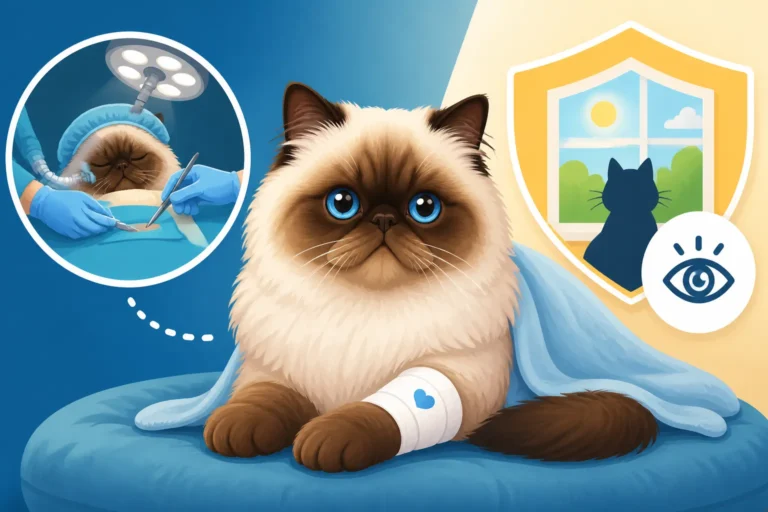
It sounds scary to sedate your beloved pet for a haircut, but in severe matting cases, it's truly the most humane and safest course of action for everyone involved. It turns what would be a painful, traumatic ordeal into a calm, controlled procedure.
Assessing the Severity of Matting
Before any sedation is considered, your veterinarian will thoroughly assess your Himalayan's overall health and the extent of the matting. They'll examine the density and location of the mats, looking for any hidden skin issues, sores, or infections. They might also check for signs of dehydration or other health problems that could complicate sedation. Sometimes, they might perform a quick blood test, especially if your cat is older or has known health conditions, to ensure they can safely handle the anesthetic. This pre-assessment is crucial because even a seemingly healthy cat could have an underlying condition that makes sedation riskier. This is also why many vets check a Himalayan's kidneys before sedation, as kidney health can impact how the body processes anesthetics.
The Sedation Process: What to Expect
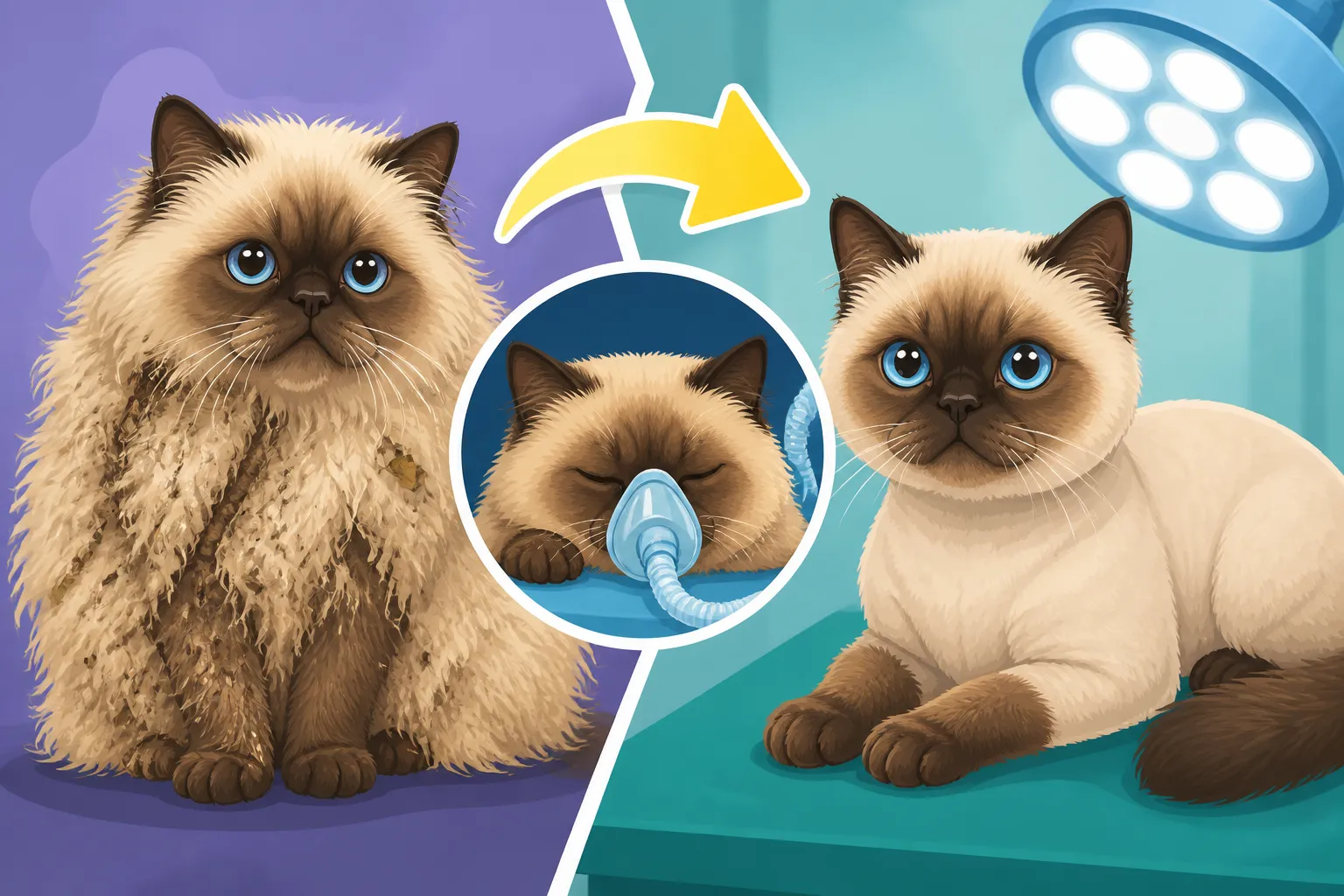
Once your vet determines that sedation is necessary and safe, they will explain the process. Generally, your cat will be given a sedative, often through an injection, to help them relax or fall into a light sleep. They will be closely monitored throughout the entire procedure, with their heart rate, breathing, and oxygen levels checked. A skilled veterinary technician will then use electric clippers, specifically designed for animal fur, to carefully shave off the mats. They work slowly and meticulously to avoid cutting the skin that is often pulled taut and uneven underneath the mats. Often, the cat will receive a complete "lion cut" or a very short shave over the affected areas to ensure all mats are removed and to give the skin a chance to breathe and heal. It might look dramatic, but it's for their health and comfort. You might also find that a lion cut grows back darker on a Himalayan, due to the temperature sensitivity of their point genes.
Post-Sedation Care and Recovery
After the mats are removed, your Himalayan will slowly wake up from the sedation. Your vet will provide specific instructions for post-procedure care. This usually includes keeping them warm and quiet as they recover, offering small amounts of food and water, and observing them for any lingering grogginess or discomfort. They might be a bit wobbly or disoriented for a few hours. The shaved skin might be sensitive, and if there were any underlying skin infections or wounds, your vet would prescribe appropriate medications like antibiotics or topical creams. It's vital to follow these instructions diligently. Remember that a Himalayan is a harder anesthetic than a Siamese due to their brachycephalic (flat) face, which can affect their breathing, so they might need a longer recovery period and closer monitoring. This is where pet insurance, like a plan from Healthy Paws, can be incredibly helpful in covering unexpected costs associated with such necessary procedures and follow-up care.
Prevention is Always Better Than Cure
Hearing about sedation and lion cuts can be alarming, but the good news is that severe matting is largely preventable with consistent effort. Investing time in prevention will save your cat from pain and you from worry and potentially high vet bills.
Establishing a Regular Grooming Routine
The absolute cornerstone of preventing mats in a Himalayan is a consistent, daily grooming routine. Their long, dense coat simply demands it. You need the right tools; a good quality steel comb for a Himalayan's coat is non-negotiable, not a slicker brush, which often just glides over the top. Start with short, gentle sessions, working your way through the coat section by section. Focus on those prone areas like the armpits, inner legs, behind the ears, and the britches. If you can get your cat used to lying still for its daily comb from a young age, it will make a world of difference. Even 10-15 minutes a day can prevent hours of future struggle. This daily attention also allows you to recognize early signs of matting before they become a big problem. Remember, why a Himalayan cannot be left a week without combing.
Here’s a simple routine:
| Area to Comb | Frequency | Technique |
|---|---|---|
| Main Body Coat | Daily | Part hair, comb from root to tip, small sections at a time. |
| Armpits & Inner Thighs | Daily | Gently lift legs, comb with care, these are highly sensitive areas. |
| Behind Ears | Daily | Use a finer comb, mats here can be very tight and easily missed. |
| Britches (rear end) | Daily | Work through carefully, keeping the cat calm. |
| Tail | Every few days | Brush gently, often less prone but still needs attention. |
| Face & Ruff | Daily | Use a smaller comb or even just fingers for the ruff, ensuring no food particles. |
Recognizing Early Signs of Matting
The trick to preventing severe matting is catching those tiny tangles before they escalate. After all, a missed day costs a Himalayan a mat. When you're combing your cat, pay close attention to any resistance you feel. If the comb snags, stop and investigate. Don't pull through a tangle; gently work it out with your fingers or the wide-toothed end of your comb. You'll often find small knots behind the ears or under the front legs first. Also, feel your cat's body as you pet them. A healthy, unmatted coat will feel soft and flowing. If you feel any hard, lumpy areas, that's likely a mat forming. It’s also important to consider if your cat is an appropriate weight; why a heavy Himalayan stops grooming its points, as they can no longer reach certain areas.
Professional Grooming and Vet Check-ups
Even with diligent at-home grooming, some Himalayans benefit greatly from regular professional grooming appointments. A professional groomer has specialized tools and techniques to handle challenging coats and can often catch minor issues you might miss. They can also offer services like sanitary clips (trimming the fur around the rear to prevent litter and fecal matter from clinging) and even teach you more effective grooming methods. For cats that are particularly prone to matting or simply despise grooming, a groomer might suggest a routine "lion cut" every few months to keep their coat short and manageable. Additionally, regular veterinary check-ups are essential. Your vet can not only provide health advice but also help you manage any underlying conditions (like arthritis) that might prevent your cat from self-grooming effectively.
Disclaimer
This article is intended for informational purposes only and does not constitute veterinary advice. Always consult with a qualified veterinarian for any health concerns or before making any decisions about your pet's medical care.