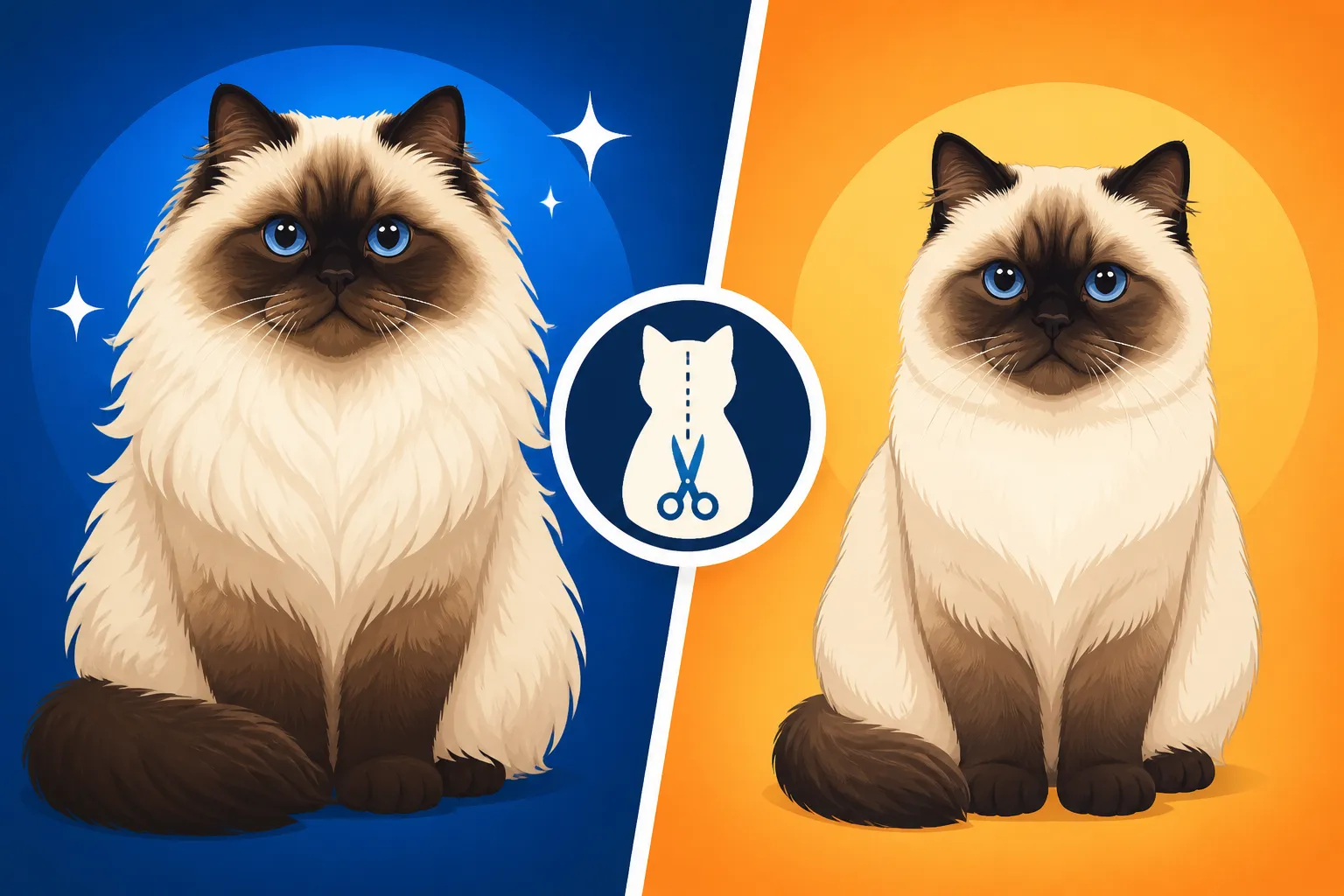
What Neutering Does to a Himalayan’s Ruff and Point Contrast
Bringing your beloved Himalayan home is such an exciting time, but as they grow, questions about their long-term care naturally arise. One common area of concern for many Himalayan parents is how routine procedures like neutering might affect those gorgeous, defining features—the magnificent ruff and the striking point coloration. It's a completely valid worry, especially when you've fallen in love with their distinct look, and this guide is here to walk you through exactly what changes to expect in your Himalayan's coat and color after they've been spayed or neutered.
Understanding Hormones and Himalayan Coat Development
Before we dive into the specific changes, it's crucial to understand why neutering has any impact at all. A Himalayan's coat and point coloration are intrinsically linked to their hormones and body temperature. The Siamese lineage in Himalayans is responsible for the 'colorpoint' gene, which causes pigment to only develop in cooler parts of the body (the "points" – face, ears, paws, tail). The main body stays a lighter, warmer temperature, hence its paler color. Sex hormones, which are naturally present in intact cats, play a significant role in coat thickness, texture, and even the metabolic rate that influences body temperature.
When a cat is neutered, those sex hormone levels (testosterone in males, estrogen and progesterone in females) drop dramatically. This hormonal shift doesn't just affect reproductive functions; it ripples through their entire system, including skin and coat health. What you see on the outside, in terms of your Himalayan's glorious coat, is a direct reflection of these internal changes. It’s not just a superficial alteration; it’s a biological response.
The Role of Genetics Versus Hormones in Coat Quality
It's easy to wonder if every aspect of your Himalayan's coat is predetermined by their genes, but hormones certainly act as powerful modifiers. While your cat's genetic makeup dictates the potential for a certain coat length, texture, and point color, hormones are the conductors of that orchestra. Think of it this way: your Himalayan's genes give them the blueprint for a thick, luxurious Persian-type coat, but the hormonal environment decides how fully that blueprint is realized.
For instance, an intact male Himalayan often has a coarser, denser ruff and a slightly more "wild" texture compared to a neutered male. Females can experience cyclical changes in coat quality related to their heat cycles. When you remove the hormonal fluctuations through neutering, the coat tends to stabilize into a consistent pattern, often with increased softness and density. This isn't a bad thing; it just means the coat will often feel different and require a nuanced approach to grooming.
The Impact on Your Himalayan's Magnificent Ruff
The ruff is arguably one of the most striking features of a Himalayan, a glorious mane of fur around their neck and shoulders. It's what gives them that regal, lion-like appearance that so many of us adore. Neutering can indeed lead to noticeable changes in this area, primarily affecting its volume and texture.
Increased Density and Softness in the Ruff
One of the most commonly observed effects of neutering on a Himalayan's ruff is an increase in its density and a change in its texture to become much softer. Intact males, in particular, often have a more substantial, sometimes coarser ruff due to testosterone. Once neutered, this testosterone influence wanes, and the hair follicles respond by producing a finer, softer hair. This can lead to the ruff feeling almost cloud-like to the touch.
It also often becomes much denser. Without the hormonal demands of reproduction, the body can redirect energy into producing a thicker, more plush undercoat. While this sounds wonderful (and it often is!), it also means there's simply more fur in that area. This added density, while beautiful, requires vigilant daily combing. Neglecting this can quickly lead to painful mats, especially in the neck and chest area, which is always a struggle. You might find yourself needing to comb their ruff even more carefully after neutering, as the increased density makes it a prime candidate for tangles.
Potential for More Matting
The double-edged sword of a denser, softer ruff is its increased propensity for matting. That fine, luxurious undercoat, while lovely, loves to tangle. It’s like having a very expensive, delicate wool sweater – beautiful, but high maintenance. Areas prone to friction, such as under the chin where the collar sits (if they wear one), behind the ears, and around the armpits, are particularly susceptible.
Many Himalayan owners find that after neutering, their cat's grooming routine needs to be adjusted. What might have been a quick comb-through every other day could become a mandatory daily affair. Missing a day can quickly turn into a small knot, and a small knot can rapidly escalate into a large, felted mat that is incredibly difficult and painful to remove without professional help. This is where The Daily Comb a Himalayan Cannot Skip really comes into play, becoming even more critical post-neutering. A good metal comb with both wide and fine teeth is your best friend here.
Changes to Point Contrast and Color
Beyond the ruff, neutering has a well-documented effect on the overall color of your Himalayan, particularly their point contrast. It's a phenomenon that often surprises new owners, but it's entirely normal and rooted in the cat's unique genetic makeup.
Darkening of Points and Body Coat
The most striking change many owners notice is that their Himalayan's points tend to darken, and the contrast between the points and the body coat can become less pronounced over time. This isn't a sudden, overnight transformation, but rather a gradual deepening of color that occurs as they age and post-neutering. Intact cats, particularly females, tend to maintain a lighter body coat, with sharp contrast to their points. Once neutered, the body's metabolism shifts, and often the overall body temperature slightly decreases, allowing more pigment to develop in areas that were previously too warm.
This means a beautiful Seal Point Himalayan might see their seal points deepen to an almost black hue, and their cream body might take on a slightly darker, more fawn tone. A Blue Point could become a deeper slate blue, with the body coat shifting from icy white to a soft, almost smoky gray. This is why you might hear that Why a Himalayan's Points Deepen Every Year It Lives. It’s a natural progression, accelerated or enhanced by the hormonal changes brought on by neutering. Don't be alarmed if your cat's signature bright body coat starts to mellow and blend a bit more with their points – it’s a sign of a healthy, neutered Himalayan!
Reduced Contrast Over Time
While the points themselves will deepen, the contrast can lessen. That stark delineation between dark points and a pale body that's so characteristic of a young Himalayan might soften. For show Himalayans, judges often look for crisp, clear contrast, and while neutering is a health benefit, it can sometimes alter this aspect. However, for a beloved pet, this simply means a slightly different, equally beautiful color palette.
Remember, environmental factors also play a huge role here. A Himalayan living in a perpetually cool home will always tend to be darker overall than one in a warmer climate, regardless of neuter status. So, if you're in a colder region, don't be surprised if your neutered Himalayan darkens even more than expected, almost resembling What an Old Himalayan Looks Almost Solid Colored. It’s all part of the fascinating way their colorpoint gene expresses itself.
Hormonal Changes and Overall Coat Health
Beyond the aesthetic changes, the hormonal shift from neutering also impacts the general health and manageability of your Himalayan's coat. These changes are largely positive, contributing to a more stable and often healthier coat, though they do come with their own set of considerations for care.
Stable Shedding Cycles and Less Greasiness
One welcome change for many owners is a more stable and predictable shedding cycle. Intact cats, particularly females, can have shedding patterns tied to their reproductive cycles, leading to periods of heavy hair loss and regrowth. After neutering, these cycles smooth out. While your Himalayan will still shed (it's a cat with a long, dense coat, after all!), it often becomes more consistent throughout the year, rather than dramatic seasonal dumps.
Additionally, many intact cats, especially males, can experience a greasier coat texture due to higher levels of sex hormones. This can manifest as "stud tail" in males, where the base of the tail becomes oily and matted, or an overall oiliness that attracts dirt and contributes to matting. Neutering typically resolves this issue, leading to a much cleaner, less greasy coat. This makes grooming easier and helps maintain the pristine condition of their fur, reducing the chances of Why a Matted Himalayan Becomes a Medical Case.
Metabolism and Weight Gain Considerations
While not a direct coat change, neutering often lowers a cat's metabolic rate, which can lead to weight gain if their diet and activity levels aren't adjusted. An overweight Himalayan might struggle to groom themselves effectively, especially in hard-to-reach areas like their back, britches, and the underside of their ruff. This can, in turn, lead to matting and skin issues that impact coat health.
It's vital to monitor your neutered Himalayan's weight and adjust their food portions accordingly. Regular play sessions, even short ones, can help keep them active. A high-quality diet that supports coat health, rich in Omega fatty acids, can also contribute to a shiny, healthy mane that's easier to maintain. When considering insurance plans for your neutered cat, especially if they are prone to weight gain or associated skin issues, a company like Healthy Paws can provide peace of mind for unexpected vet visits related to grooming emergencies or diet-related health concerns.
Timing of Neutering and Long-Term Effects
The age at which your Himalayan is neutered can influence some of these changes, though the general effects on coat and color will still occur. Most veterinarians recommend neutering between 4-6 months of age, or sometimes even earlier in rescue situations.
When to Expect the Changes
The changes in ruff density and point coloration aren't immediate. They typically become noticeable several months after the procedure, as the cat's hormonal system adjusts and new hair cycles through. For younger kittens, the full adult coat and point development are still ongoing, so the changes might blend in with their natural maturation. When a Himalayan Kitten's Face Finishes Developing and their points are still setting, so the post-neutering changes will simply become part of their eventual adult appearance.
By the time your Himalayan is around one to two years old, their coat and color should have largely stabilized into their post-neutering appearance. From then on, any further deepening of points or changes in coat texture will be due to normal aging processes and environmental factors.
Ongoing Grooming Needs for a Neutered Himalayan
Regardless of the subtle changes in ruff and point contrast, the fundamental grooming needs of a Himalayan remain high. The shift to a softer, denser coat post-neutering means that even if the texture changes, the volume is likely to increase, demanding consistent attention. This means committing to that daily comb through to prevent mats, especially in the areas most affected by increased density, like the ruff and britches.
You'll also want to keep up with regular veterinary check-ups to monitor their overall health, including their skin and coat. Your vet can provide advice on diet and supplements to support coat health. And, of course, having a good pet insurance plan, such as those offered by Healthy Paws, can be incredibly helpful for covering the costs of any unexpected health issues or even sedation for severe mat removal if grooming ever gets out of hand despite your best efforts. Understanding How Much Undercoat a Himalayan Carries Under Its Points will help you choose the right tools and techniques for effective grooming.
Summary of Coat Changes in Neutered Himalayans
To help visualize the typical changes, here's a quick comparison of what you might expect in an intact versus a neutered Himalayan:
| Feature | Intact Himalayan | Neutered Himalayan |
|---|---|---|
| Ruff Density | Often substantial, can be coarser | Usually denser and softer, more plush |
| Ruff Texture | Can feel slightly rougher or more "wild" | Finer, silkier, more prone to tangles |
| Point Color | Good contrast, points develop according to age | Points tend to deepen and darken over time |
| Body Coat Color | Often maintains a lighter, crisper appearance | Can darken slightly, reducing contrast with points |
| Overall Greasiness | Potentially more oily, especially in males | Typically less greasy, cleaner coat |
| Shedding Pattern | Can be influenced by hormonal cycles | More stable and consistent shedding |
| Matting Tendency | Present, but potentially exacerbated by oiliness | Increased due to density and softness, requires vigilance |
The bottom line is that while neutering brings about some changes in your Himalayan's appearance, these are generally considered positive for their overall health and coat stability, even if they increase grooming demands. A healthy, happy cat is always the most beautiful cat, and understanding these changes helps you provide the best care.
Disclaimer
The information provided in this article is for general informational purposes only and is not a substitute for professional veterinary advice. Always consult with a qualified veterinarian for any health concerns or before making any decisions about your pet's medical care. Individual cats may experience different outcomes based on their unique genetics, environment, and health status.