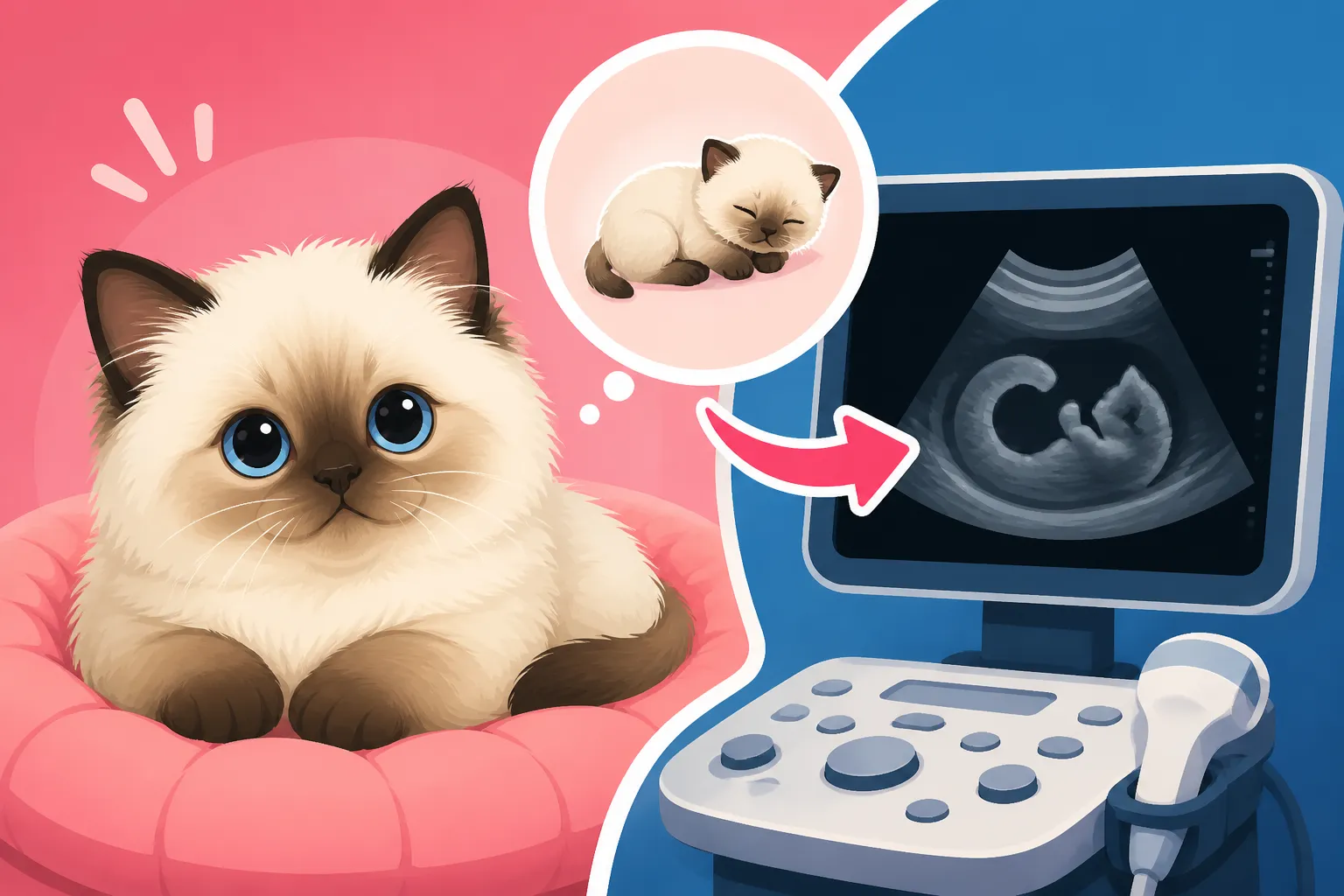
How Young a Himalayan Kitten Can Be Scanned
Bringing a gorgeous Himalayan kitten into your life is an absolute joy, but it also comes with a real and understandable worry about their health, especially inherited conditions. Many new owners, and even experienced ones, often wonder about the earliest they can get vital health screenings done. Specifically, the question often arises: just how young can a Himalayan kitten be scanned for conditions like Polycystic Kidney Disease (PKD)? It's a critical question because early detection can make all the difference, not only for the kitten's future well-being but also for informed breeding practices. This guide will walk you through the specifics of early health scanning for your beloved fluffy companion.
Understanding Polycystic Kidney Disease (PKD) in Himalayans
When we talk about early scanning in Himalayan kittens, our minds often jump straight to Polycystic Kidney Disease, or PKD. This is for good reason; it's one of the most significant inherited health concerns for our beautiful, long-haired friends, largely due to their Persian heritage. It's a condition that no owner wants to face, but understanding it is the first step in prevention and management.
The Genetic Inheritance of PKD
PKD is a progressive, inherited condition characterized by the development of multiple fluid-filled cysts in the kidneys. While these cysts start out microscopic, they slowly grow larger over time, eventually compromising normal kidney function. What makes PKD particularly insidious is its mode of inheritance: it's an autosomal dominant trait. This means that a kitten only needs to inherit one copy of the faulty gene from either parent to develop the disease. This is a crucial point because it means that even if one parent is completely clear, if the other carries the gene, there's a 50% chance each kitten will inherit it.
The gene responsible for PKD, often referred to as PKD1, is well-documented as having come down the Persian side of a Himalayan's lineage. This shared ancestry means that Himalayans are just as susceptible as Persians if their breeding lines aren't carefully managed and tested. A responsible breeder will meticulously track their lines and conduct genetic testing on all breeding cats to ensure they are free of the PKD gene, aiming to produce kittens that are guaranteed clear. If you're keen to dive deeper into how this gene made its way into the breed, you might find our article on PKD1 Came Down the Persian Side of a Himalayan quite illuminating. It really underscores the importance of knowing your kitten's family tree.
Why Early Detection Matters for Himalayans
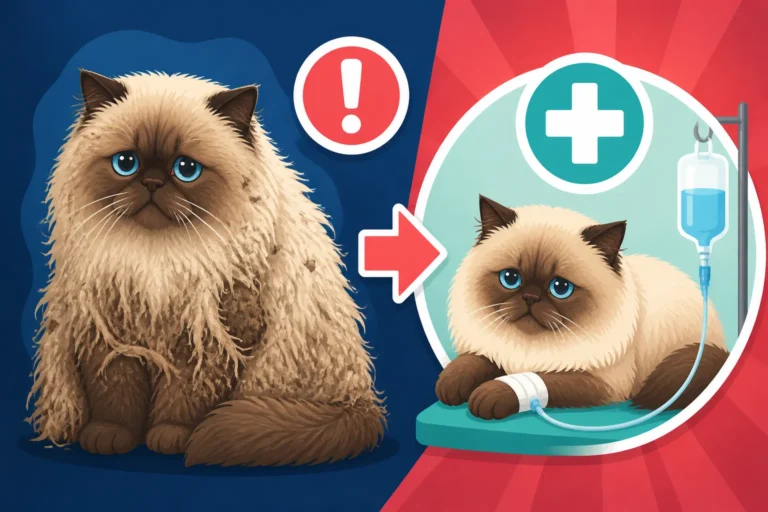
The progressive nature of PKD is why early detection isn't just helpful, it's absolutely vital. The cysts develop slowly, often remaining small and asymptomatic for many years. A kitten with PKD won't show any outward signs of illness in its early months, or even years, making it a silent threat. By the time clinical signs like increased thirst, weight loss, or poor coat condition become apparent, the disease is usually quite advanced, and significant kidney damage has already occurred. This can lead to a heartbreaking diagnosis of kidney failure in what feels like a relatively young cat.
Knowing early, ideally before any symptoms even have a chance to appear, allows for several critical advantages. For breeders, it means making informed decisions to remove affected cats from breeding programs, effectively stopping the transmission of this devastating gene to future generations. For pet owners, early detection means you can work proactively with your veterinarian to implement management strategies, such as dietary changes and regular monitoring of kidney function. This can often slow the progression of the disease and significantly improve your Himalayan's quality of life and potentially extend their lifespan. Early detection empowers you to plan for the best possible care, offering peace of mind even if the news isn't what you hoped for. Many owners find that having pet insurance, like a plan from Healthy Paws, can be a huge relief in covering the costs of ongoing monitoring and potential treatments for chronic conditions like PKD, should they arise.
The Timeline for PKD Screening in Himalayan Kittens
Navigating the world of genetic testing and health screening for a tiny Himalayan kitten can feel a bit overwhelming. You've heard about genetic tests and ultrasounds, but which one is best, and more importantly, when can they actually be performed? Let's break down the optimal timeline for screening your little fluffball.
Ultrasound vs. Genetic Testing for PKD
When it comes to screening for PKD in Himalayans, there are primarily two methods: genetic testing and ultrasound scanning. Each has its own strengths and ideal timing.
Genetic Testing: This involves a simple DNA test, usually performed using a cheek swab. The beauty of the genetic test is that it detects the presence of the gene itself, not the physical manifestation of the disease (the cysts). This means it can definitively tell you if your Himalayan carries one or two copies of the PKD1 gene, or if they are genetically clear. The significant advantage here is that a genetic test can be performed at any age, even on very young kittens, as soon as they have enough cells to collect from a swab. There's no minimum age required for accurate results, making it an incredibly powerful tool for breeders to screen potential breeding cats before they even mature, and for owners to confirm their kitten's genetic status right from the start. Our article on How a Himalayan Is Swabbed for the Persian Kidney Gene provides a helpful guide on this straightforward process.
Ultrasound Scanning: This method uses sound waves to create images of the kidneys, allowing a trained veterinarian to visualize any cysts that may have developed. Unlike genetic testing, an ultrasound detects the physical cysts. This means a "clear" ultrasound indicates no visible cysts at the time of the scan, but it doesn't rule out the possibility that the cat is a genetic carrier of PKD and could develop cysts later, or pass the gene to offspring. Conversely, if cysts are found, it confirms the presence of the disease. The challenge with ultrasound in very young kittens is that the cysts start incredibly small, and it can be difficult for even the most experienced ultrasonographer to confidently identify them in tiny, developing kidneys.
Ideal Age for Initial Screening
So, how young can a Himalayan kitten really be scanned?
For genetic testing, as mentioned, there's effectively no lower age limit. A responsible breeder should have already tested both parent cats for the PKD gene before breeding them. If both parents are genetically clear, then all their offspring will also be genetically clear, and no further genetic testing for PKD is strictly necessary for the kittens themselves. However, if one or both parents are carriers (though ethical breeders typically wouldn't breed a carrier without very specific reasons and careful genetic planning, and never two carriers), then individual kittens can be swabbed and tested as soon as they are old enough to be handled safely for a cheek swab, often around 8-12 weeks of age before they go to their new homes. This gives a definitive answer about their genetic status.
For ultrasound scanning, which looks for the physical presence of cysts, the timing is a bit more nuanced. While technically a skilled sonographer might be able to detect very large cysts in a particularly unlucky kitten as young as 8-10 weeks, the general consensus for reliable and definitive screening for PKD via ultrasound typically suggests waiting until the kitten is a little older. Many veterinary specialists recommend waiting until a Himalayan kitten is at least 4 to 6 months old for an initial screening ultrasound. At this age, the kidneys are more developed, and any cysts, if present, are usually large enough to be more easily identifiable. Some guidelines even suggest that a cat should be at least one year old for the most definitive "clear" ultrasound result, requiring follow-up scans if done earlier.
It's a balance: you want to screen as early as possible for peace of mind and proactive care, but also late enough to get a reliable result. If a kitten is scanned too young and deemed "clear," it might offer false reassurance, as tiny cysts could be missed. This is why our understanding of At What Age a Himalayan's Cysts Become Visible is so important, and why, as our article Why an Ultrasound Still Backs Up a Himalayan's Gene Test explains, genetic testing is often the preferred first line of defense, with ultrasound acting as a complementary diagnostic tool or a check for disease progression.
What to Expect During a Kidney Scan for Your Himalayan Kitten
Once you and your veterinarian decide that an ultrasound scan is the right step for your Himalayan kitten, knowing what to expect can alleviate a lot of anxiety. It's a non-invasive procedure, but it does require some cooperation from your little one.
Preparing Your Kitten for the Ultrasound
Preparing your Himalayan kitten for an ultrasound isn't as daunting as it might sound, but a little planning goes a long way to ensure a smooth, stress-free experience for everyone involved. Firstly, your vet might recommend a short period of fasting before the scan, usually for about 8-12 hours, though water is always allowed. This helps to ensure that the stomach and intestines are as empty as possible, which can prevent gas from obscuring the view of the kidneys. Always follow your vet's specific instructions for fasting.
On the day of the appointment, aim for a calm environment. A carrier lined with a familiar blanket can help keep your kitten relaxed during the journey. Upon arrival, the veterinary team will usually shave a small area on your kitten's belly, as the ultrasound probe needs direct contact with the skin for clear images. This might sound a bit drastic for their beautiful long coat, but it’s essential, and the fur will grow back. They'll also apply a special ultrasound gel, which helps transmit the sound waves. During the scan itself, your kitten will likely be positioned on their back or side, often cradled gently by a veterinary technician or assistant. While some very calm kittens might lie still on their own, don't be surprised if a bit of gentle restraint is needed. The process is typically quick, usually lasting only 15-30 minutes, and is entirely painless. Sometimes, if a kitten is particularly squirmy or anxious, a mild sedative might be offered to ensure they stay still enough for the vet to get clear diagnostic images. This is always a discussion you'll have with your vet beforehand.
Interpreting the Scan Results
Once the ultrasound is complete, your veterinarian, or the specialist sonographer if your vet uses one, will interpret the images. The results will typically fall into a few categories, each with different implications for your Himalayan kitten.
If the scan is "clear," it means no visible cysts were detected at the time of the examination. This is, of course, the best possible news. However, it's crucial to remember that a clear ultrasound, especially in a younger kitten, does not guarantee that they are completely free of the PKD gene or that cysts won't develop later. Very tiny cysts can be missed, or they might not have developed yet. This is why for breeding animals, genetic testing of the parents is paramount. For a pet kitten, a clear ultrasound at the recommended age provides a strong indication of good kidney health, but continued vigilance for any changes in health is always wise.
If the scan is "positive," meaning cysts are identified, your veterinarian will discuss the findings in detail. They'll explain the size, number, and location of the cysts. A positive diagnosis of PKD means your Himalayan kitten will require ongoing veterinary care and monitoring. This might include regular blood and urine tests to track kidney function, dietary modifications to support kidney health, and potentially medications to manage any secondary issues. While a positive diagnosis can be disheartening, remember that early detection allows you to take proactive steps to manage the condition and maintain your cat's quality of life. This is where having comprehensive pet insurance, such as a plan from Healthy Paws, can become invaluable, helping to ease the financial burden of managing a chronic condition. Our article on How Early Cysts Show on a Himalayan's Kidney Scan can provide more context on what these early findings might mean.
Ensuring Comprehensive Health: Beyond PKD Scans
While PKD scanning is a critical aspect of early health care for Himalayan kittens, it’s really just one piece of a much larger puzzle. A truly comprehensive approach to ensuring the well-being of these magnificent cats involves looking at their overall health, understanding the role of responsible breeding, and preparing for other breed-specific considerations.
The Broader Picture of Responsible Breeding and Health
The first and arguably most important step in ensuring a healthy Himalayan kitten is to choose a reputable breeder. A responsible breeder is deeply committed to the health of their cats, not just aesthetically pleasing traits. They will go above and beyond to health test their breeding stock for all known inheritable conditions relevant to the breed, including PKD and progressive retinal atrophy (PRA), another condition linked to their Persian ancestry. They won't just tell you they test; they'll provide verifiable documentation.
When you bring home a Himalayan, you should be asking for specific certificates that prove the health status of the kitten's parents. This includes documentation of genetic tests for PKD, showing that both parents are clear. If a breeder is only performing ultrasounds on kittens, that's a red flag, as genetic testing of the parents is the most definitive way to prevent PKD from occurring in the first place. For more on what to look for, check out our guide on Which Two Certificates a Himalayan Breeder Owes You. Ethical breeders understand the significance of these tests and are transparent about their health protocols. They are genuinely invested in producing healthy, long-lived companions, and their practices reflect that commitment. This approach reduces the chances of your kitten inheriting these conditions, setting them up for a healthier life from day one.
Other Early Health Considerations for Himalayan Kittens
Beyond PKD, Himalayans, inheriting traits from both their Persian and Siamese ancestors, can have other health considerations that warrant early attention. Their distinct brachycephalic (flat-faced) features, derived from the Persian side, can predispose them to certain issues that responsible owners should be aware of, even in kittenhood.
Eye Health: The Himalayan's large, expressive blue eyes are one of their most captivating features, but their prominent placement can make them more susceptible to certain conditions. For instance, entropion, where the eyelid rolls inward, can cause eyelashes to rub against the cornea, leading to irritation or even ulcers. Responsible breeders will often screen for this, and your vet will check for signs during early kitten exams. Another important consideration is Progressive Retinal Atrophy (PRA), which can lead to blindness. While genetic tests are available for some forms of PRA, and breeders should be utilizing them, early veterinary checks are crucial. Our article on Why a Himalayan Breeder Should Test Eyes as Well as Kidneys dives deeper into this.
Brachycephalic Concerns: The flattened facial structure that gives Himalayans their unique look can also impact their breathing. Kittens can be assessed for stenotic nares (narrow nostrils) or an elongated soft palate, which can restrict airflow. A good breeder will pay attention to a kitten's breathing from birth and have initial veterinary assessments. When you're considering a kitten, observing their breathing and even asking your vet about it during an initial check-up at twelve weeks is a good idea. Knowing How to Judge a Himalayan Kitten's Nostrils at Twelve Weeks can be incredibly insightful. These early observations can help you understand potential future health needs, ensuring you're prepared for any necessary care, which could be covered by a pet insurance plan from Healthy Paws. Remember, your vet's keen eye during those early kitten checks, as detailed in What a Himalayan Kitten Has Had Done Before Its Points Set, is invaluable for catching these kinds of issues early.
Ultimately, securing a Himalayan kitten from a breeder who prioritizes and provides comprehensive health testing, and then following up with your own veterinarian for regular check-ups and any recommended screenings, is the best path to a long, healthy, and happy life together. It’s all about being proactive and informed, giving your furry family member the very best start.
Disclaimer
This article is for general informational purposes only and does not constitute professional advice. Laws, prices and regulations vary by location and change over time. Consult a qualified professional for guidance on your specific situation.