Why a Himalayan’s Coat Hides a Wound for Days
It's a common, heartbreaking scenario for so many Himalayan cat parents: you're doting on your beloved floof, giving them all the cuddles and daily brushes, only to discover a nasty wound or irritation lurking beneath that magnificent coat. The sheer density and length of a Himalayan's fur can be an incredible challenge, making even significant skin issues invisible until they've become much more serious. This guide is here to walk you through exactly why your Himalayan's luscious locks are such a master of disguise, how to identify hidden problems, and what steps you can take to ensure your furry family member's skin health is always front and center, preventing small issues from escalating into big ones.
Why That Magnificent Coat Is a Master of Disguise
Let's face it, the Himalayan's coat is one of its most stunning features, a plush, luxurious cascade of fur that begs to be petted. But what makes it so beautiful also makes it incredibly effective at hiding secrets – especially secrets you don't want to find, like wounds, rashes, or parasites. It's not just long; it's designed to keep them warm, and that design creates a perfect camouflage.
The Double-Layered Deception
A Himalayan's coat, inherited directly from its Persian ancestors, isn't just a single layer of fur. Oh no, it's far more complex and devious than that! You're dealing with a glorious double coat. Picture this: a long, silky outer layer of guard hairs that can reach impressive lengths, gently (or not so gently) flowing over their entire body. Beneath that, there's a dense, woolly undercoat that's like a warm, insulating blanket.
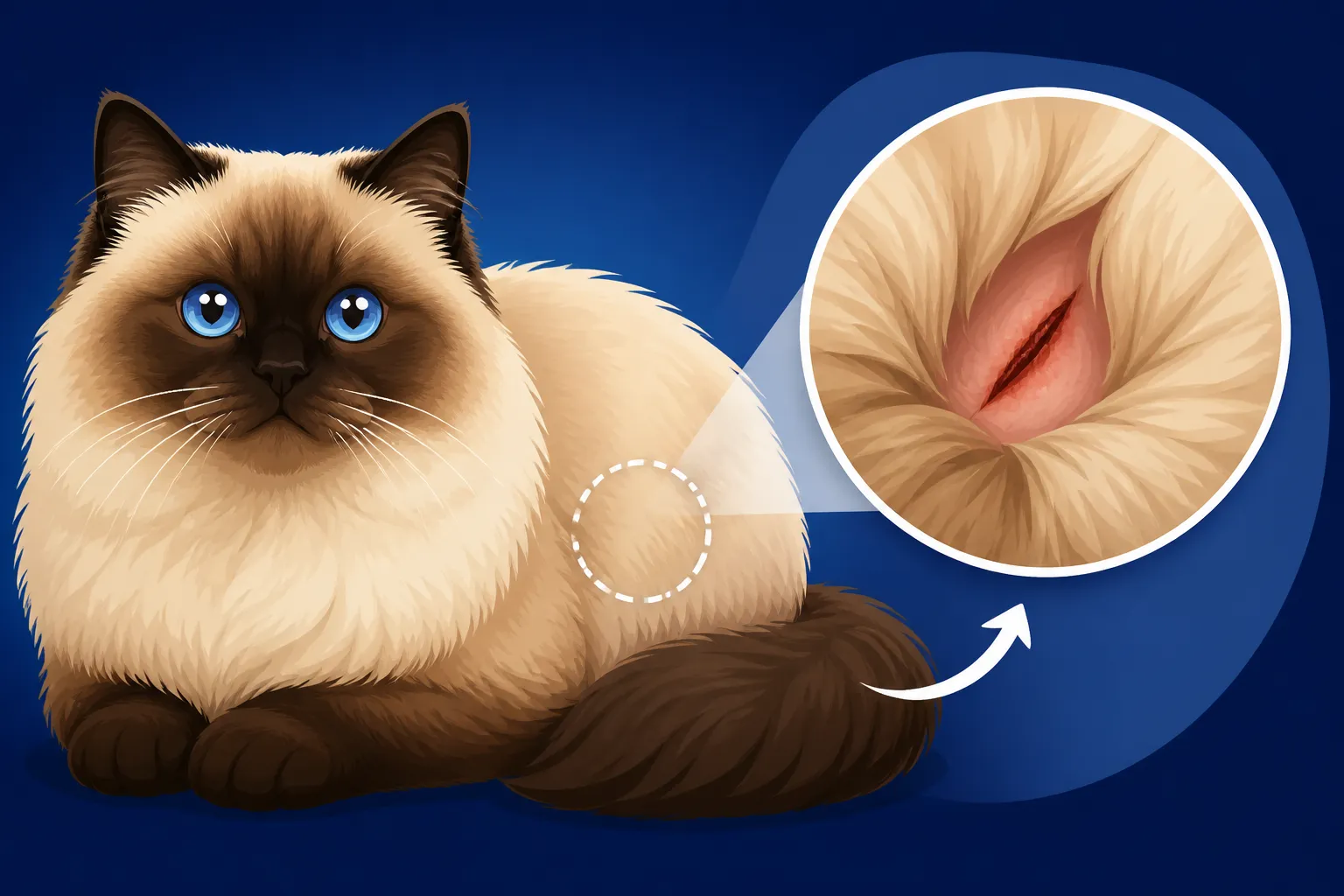
This combination means that anything happening on the skin's surface, whether it's a small scratch, a flea bite, or a developing hot spot, is immediately swallowed up and concealed. The outer hairs will lie flat, creating a smooth, uninterrupted surface, even if there's significant inflammation or a nasty cut underneath. It's like trying to find a needle in a very soft, very deep haystack. You might be petting your cat, feeling the soft fur, and have absolutely no idea that a patch of skin beneath is red, swollen, or even bleeding.
Length, Density, and Texture as Natural Camouflage
The sheer length of a Himalayan's coat contributes immensely to its wound-hiding capabilities. When you try to part the fur to inspect the skin, those long hairs just fall back into place, often obscuring your view. It takes a deliberate, firm parting of the fur, almost down to the skin, to truly see what’s going on. This isn't just a quick ruffle; it's a dedicated investigative effort.
Adding to this, the density of the coat means that light often doesn't penetrate well, making it difficult to spot subtle discoloration or moist patches that might indicate a problem. The fur's fine, silky texture also plays a role. It can easily mat, especially in areas of friction or where the cat might be licking excessively due to discomfort. These mats then become an additional layer of concealment, cementing the wound or irritation underneath, often trapping moisture and debris, which only exacerbates the problem. It’s a vicious cycle where the coat itself, when not meticulously managed, can turn into a literal bandage over a festering issue.
Point Coloring and the Illusion of Health
Himalayans are famous for their "point" coloring – darker extremities (face, ears, paws, tail) against a paler body. This striking contrast is beautiful, but it can also add another layer of difficulty when trying to spot skin problems. If a wound or irritation occurs on one of the darker points, like a paw or the muzzle, the dark pigmentation of the fur can mask early signs of redness or inflammation.
For instance, a minor cut on a seal point's dark paw might blend in visually with the fur, whereas it would be glaringly obvious on a pale-bodied cat. Similarly, any discoloration from dried blood or discharge might be less apparent against darker fur, or conversely, if a wound on the body is staining the surrounding pale fur, it might be mistaken for routine tear staining or simply dirt, delaying a proper investigation. Owners might find themselves needing to distinguish between everyday marks and signs of genuine injury. For more on how these points develop and change, you might be interested in Caring for a Himalayan Whose Points Have Gone Dark.
The Grooming Gauntlet and Missed Signals
Grooming a Himalayan isn't just about making them look pretty; it's a critical health check. Yet, even with the most dedicated grooming routine, it's incredibly easy to miss signs of trouble. Many of us, myself included, have felt that pang of guilt when a hidden issue comes to light, realizing that our daily efforts weren't quite enough to catch everything.
The Daily Comb: A Double-Edged Sword
We all know the mantra: daily combing is non-negotiable for a Himalayan. It's vital for preventing mats and keeping that gorgeous coat pristine. However, the very act of combing can become a "double-edged sword" if not done correctly and with purpose. A quick, superficial comb-through, where you're simply skimming the top layer of fur, is going to miss almost everything happening closer to the skin.
Think about it: you're running a comb over a foot of luxurious hair. Unless you're systematically parting the fur section by section and ensuring the comb reaches all the way down to the skin, you're not going to feel or see minor bumps, scabs, or areas of tenderness. We often get into a routine, and sometimes that routine prioritizes speed over thoroughness, especially when our kitty is wriggly! It's an easy trap to fall into, making the daily comb more of a preventative measure against mats than an investigative health check. It really highlights The Daily Comb a Himalayan Cannot Skip but also the quality of that comb.
Mats as a Secondary Cover-Up
Mats are more than just an aesthetic problem; they are physical barriers that literally cement a wound out of sight and out of mind. A small hot spot or a patch of skin irritation can quickly develop beneath a mat. The mat then holds moisture and bacteria against the skin, creating a warm, damp environment that's perfect for infection to flourish. By the time you discover the mat, the skin issue underneath could be significantly worse, requiring professional intervention.
It's particularly common for mats to form in areas where a cat can't easily groom themselves, or where there's a lot of friction, like behind the ears, under the armpits, or in the "britches" area around their hind legs. If a wound occurs in one of these already difficult-to-reach or dense areas, a mat will form over it almost instantaneously, making it nearly impossible to spot until it's caused real pain. This is why Why a Matted Himalayan Becomes a Medical Case is such a crucial piece of knowledge for any owner.
Quick Inspections Aren't Enough: The Frustration of Missing Something
I've been there, thinking I've done a thorough job, only to later find a hidden gem of a problem. It’s frustrating because we try our best, don’t we? We comb, we pet, we cuddle, and we assume that if something major were wrong, we’d feel it or see it. But with a Himalayan, a quick once-over simply isn’t enough. Their coat actively conspires against casual inspection.
You might feel a small lump, but dismiss it as a tangle or a knot that will come out with further combing. You might see a tiny spot of redness, but attribute it to a stray piece of lint or a bit of dust. The reality is, with a Himalayan, you have to assume every tiny anomaly is significant until proven otherwise. This level of vigilance can feel overwhelming, but it's the only way to genuinely get ahead of potential issues. It takes a deliberate, systematic approach to truly examine their skin beneath that glorious fur, rather than just brushing the top layer.
Behavioral Cues Versus Physical Evidence
Since seeing a wound is so difficult, your Himalayan’s behavior becomes your primary diagnostic tool. These cats are often quiet and reserved, making even subtle changes in their demeanor a significant red flag. It means you have to be attuned to their unique quirks and habits to catch something amiss.
Subtle Changes in Disposition
Himalayans are generally known for their placid, gentle nature. They love to lounge, to be near you, and aren't typically boisterous. This calm disposition means that any deviation from their normal routine or personality should be taken seriously. Is your usually affectionate cat suddenly a bit withdrawn, or does it flinch when you pet a certain area? Has your cat, who usually enjoys a quiet nap on the sofa, started hiding under the bed more often?
Even slight shifts, like a decrease in interaction, a reluctance to be picked up, or a change in their preferred sleeping spot, can signal discomfort or pain that you can't see. They might not yowl or cry out, but a quiet retreat could be their way of communicating distress. It's often the lack of their usual behaviors, rather than the addition of new, dramatic ones, that gives the first hint. Learning to read these quiet signals is key because, as we know, Why a Himalayan Hides Illness Behind an Expressionless Face.
Licking, Chewing, and Guarding an Area
One of the most common behavioral indicators of a hidden skin problem is increased licking or chewing at a specific area of their body. While all cats groom themselves, obsessive licking that leads to a wet patch of fur, matting, or even fur loss (called "barbering") is a strong sign of underlying irritation. They're trying to soothe themselves or clean an area that feels wrong, and often, this self-grooming can actually make the skin worse, especially if they break the skin from over-licking.
You might also notice them "guarding" an area. This means they might stiffen when you reach for a particular spot, pull away, or even give a low growl or hiss—behaviors very uncharacteristic of a generally docile Himalayan. If your cat usually loves belly rubs but suddenly recoils when you touch their flank, it's time for a deep dive under that fur. Look for any change in how they respond to touch, as it’s often the best clue you’ll get.
Appetite, Activity, and Litter Box Habits
Beyond direct discomfort, a cat in pain or with an infection might show more generalized signs of illness. Has your Himalayan's appetite decreased? Are they turning up their nose at their favorite treats? A subtle decrease in food intake over a day or two can be a quiet indicator of pain or systemic illness.
Similarly, changes in activity levels are important. A Himalayan isn't usually a whirlwind of energy, but they do have their playtimes. If your cat is usually up for a gentle chase with a wand toy and now barely stirs, something is likely amiss. Even changes in litter box habits, like straining to urinate or defecate, or having accidents outside the box, can point to discomfort or infection that might originate with an unseen wound, such as a painful mat near the rear that makes squatting uncomfortable. Pay close attention to these everyday rhythms; they are your cat's way of telling you something is wrong when their coat is keeping the secret.
Proactive Strategies for Early Detection
Discovering a wound too late is a truly awful feeling, and it’s a concern many Himalayan owners share. The good news is, by integrating some proactive strategies into your routine, you can significantly increase your chances of catching issues early, keeping your gorgeous kitty healthy and comfortable.
The "Skin Deep" Daily Examination
This isn't just about superficial combing; it's about a systematic, hands-on examination of your cat's entire body, right down to the skin, every single day. Make it part of your bonding ritual. As you comb, use your fingers to part the fur in small sections, running your fingertips over the skin. You’re looking and feeling for:
- Lumps or Bumps: Anything that feels unusual, even if tiny.
- Scabs or Crusting: These could indicate a healing wound, insect bite, or skin infection.
- Redness or Inflammation: Part the fur and look for areas where the skin is pinker or redder than usual.
- Moisture or Stickiness: Could be discharge from a wound, excessive licking, or an abscess.
- Unusual Odors: A foul smell can indicate infection, especially in hidden folds or matted areas.
- Sensitivity: Does your cat flinch, hiss, or try to move away when you touch a particular spot?
Don't forget those tricky spots: behind the ears, in the armpits, under the chin, the belly, and the "britches" area around the tail. These are prime locations for mats and hidden skin issues. Remember, a thorough comb that reaches the skin is one of Which Grooming Tools a Himalayan Owner Cannot Skip.
Here’s a quick guide to what you should be checking for:
| Area to Examine | What to Look/Feel For | Why It's Important |
|---|---|---|
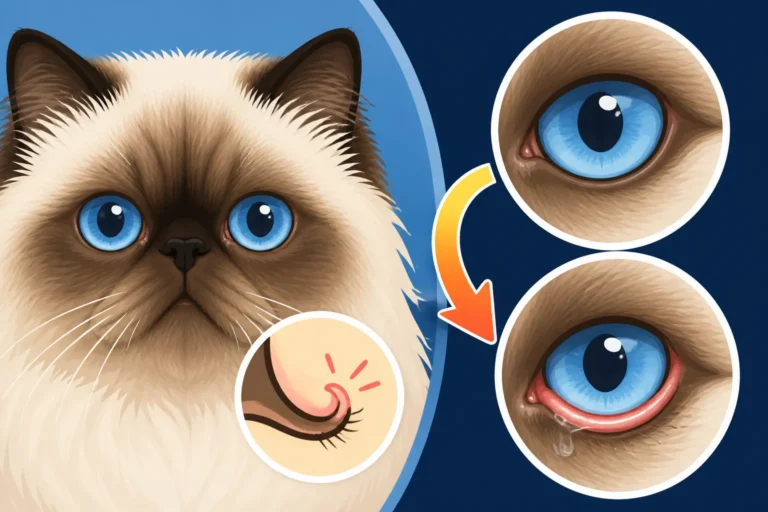
| Head & Face | Lumps, scabs around ears/eyes/chin, excessive tearing, eye discharge | Common areas for scratches, acne, or irritation due to flat face. Don't forget What a Year of Himalayan Eye Wipes Costs. |
| Neck & Ruff | Mats, crusting, swelling, tenderness | Dense fur easily hides issues, prone to matting. |
| Back & Sides | Any bumps, scabs, redness when parting fur. Check spine for tenderness | Large area, but thick coat can conceal a lot. For tips on locating the spine, see How to Feel a Himalayan's Spine Through Its Ruff. |
| Armpits & Groin | Mats, redness, moisture, tenderness, swelling | High friction areas, prone to mats, infections, and allergic reactions. |
| Legs & Paws | Swelling, cuts, sores between pads, broken claws, tenderness | Often overlooked, prone to injury from jumping, rough surfaces. |
| Belly | Redness, rashes, scabs, tenderness | Thinner fur but easily hidden, can indicate allergies or skin issues. |
| Tail & Britches | Mats, fecal matter, redness, inflammation, sores | Prone to matting and hygiene issues due to long fur and short legs. |
Regular Vet Check-ups and Proactive Health Planning
Even with the most diligent home care, nothing replaces the trained eye and touch of a veterinarian. Regular check-ups, ideally twice a year for adult Himalayans, are crucial. Your vet will perform a comprehensive physical exam, often feeling and parting the fur in ways you might not think to do, and can spot subtle issues before they become emergencies. They can also address any chronic issues your Himalayan might have, such as allergies or skin sensitivities.
It's also wise to consider pet insurance for your Himalayan. Plans from providers like Healthy Paws can help cover unexpected veterinary costs, making it easier to say "yes" to diagnostic tests or treatments for those hidden wounds when they do inevitably pop up. Knowing you have financial support for these situations can bring immense peace of mind. Keeping up with your cat's overall health and being prepared for the unexpected is part of being a responsible pet parent. For insights into their general health, check out How Often a Tested Himalayan Still Needs Checking.
Environmental Management to Reduce Risk
Prevention is always better than cure, especially when it comes to keeping your Himalayan's skin healthy. Carefully managing their environment can significantly reduce the risk of injuries that could then be hidden by their coat.
- Indoor Only: This is absolutely paramount for a Himalayan. Their long, dense coat and often flatter faces make them ill-suited for the outdoors, where they are vulnerable to parasites, fights with other animals, environmental hazards, and overheating. Being indoors minimizes exposure to sharp objects, toxic plants, and other sources of injury. This is a primary reason Why a Himalayan Must Never Be an Outdoor Cat.
- Cat-Proof Your Home: Walk through your home from a cat's perspective. Are there sharp edges they could brush against? Loose wires they could chew? Small objects they could try to ingest? Regular tidying and securing potential hazards can prevent many accidental injuries.
- Temperature Control: Himalayans are prone to overheating due to their thick coats and brachycephalic (flat) faces. Heat stress can exacerbate skin issues and lead to other health problems. Keep your home cool, especially during warmer months, and provide plenty of fresh water.
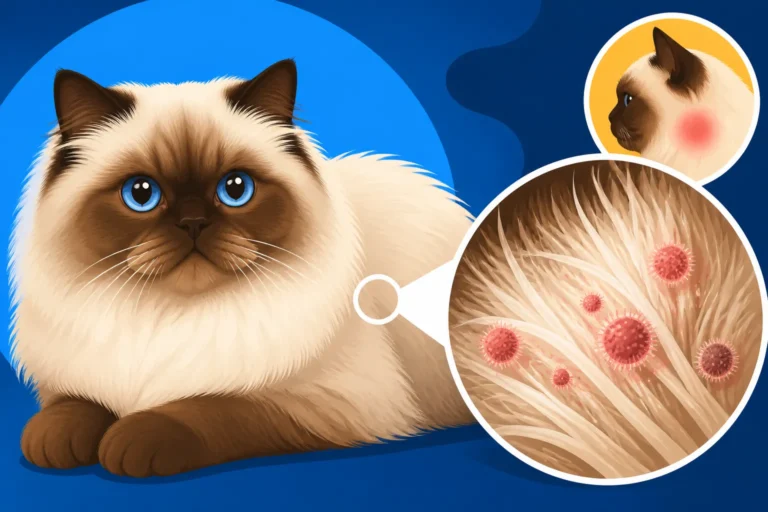
- Parasite Prevention: Fleas, ticks, and mites can cause intense itching, leading to self-inflicted wounds that can quickly become infected and, you guessed it, hidden by fur. Consistent, vet-approved parasite prevention is non-negotiable. A healthy pet is a happy pet, and insurance like Healthy Paws often covers diagnostic tests for skin issues related to parasites.
By combining diligent daily checks, regular vet visits, and a safe home environment, you can better navigate the unique challenges that come with a Himalayan's beautiful, but sometimes deceptive, coat. Your vigilance is their best defense against hidden health woes.
Disclaimer
This article is for general informational purposes only and does not constitute professional advice. Laws, prices and regulations vary by location and change over time. Consult a qualified professional for guidance on your specific situation.