Whether a Himalayan’s Small Persian Ears Get Infected
It’s a common worry for us Himalayan parents: with all that glorious, dense fur and those adorable, small ears, are we inadvertently setting our beloved furballs up for ear infections? Many of us have experienced the frustration of trying to peer into those tiny ear canals, hidden beneath layers of fluff, wondering if a hidden problem is brewing. This guide is here to shed light on whether Himalayan cats are truly prone to ear infections and what proactive steps you can take to keep their ears healthy and happy.
The Unique Anatomy of a Himalayan's Ears and Why It Matters
Let's be real, our Himalayans are stunning, but their distinct features, a direct inheritance from their Persian ancestors, come with their own set of considerations. Their ears, while undeniably cute and often perfectly proportioned to their round heads, aren't always designed for optimal air circulation or ease of inspection.
The Persian Influence: Small Size and Low Set Placement
Unlike some breeds with larger, more open ears, a Himalayan's ears are typically small and set rather low on the head. This isn't just an aesthetic choice; it’s a physical trait passed down from their Persian lineage. This natural structure, combined with their dense coat, can create a microclimate that isn't always ideal for ear health. Think of it: a small, sometimes slightly folded ear flap, often nestled within a thick curtain of fur, can trap warmth and moisture. This environment is, unfortunately, a welcome mat for things like yeast and bacteria, which absolutely thrive in dark, damp conditions. It’s not that their ears are inherently "bad," but their design means we, as their human caregivers, have to be a little more vigilant.
The Challenge of a Profuse Coat Around the Ears
Oh, that magnificent Persian coat! It’s one of the defining features we adore about our Himalayans, but it’s also a double-edged sword when it comes to ear care. The long, fine hair around and even in the ear canal can act like a barrier. This thick fur can prevent air from circulating freely, which, again, increases humidity and warmth inside the ear. Moreover, that same beautiful fur can easily trap debris, dust, and even stray pieces of litter. When you consider Why a Himalayan's Coat Hides a Wound for Days, it's easy to see how an ear issue could go unnoticed for too long, simply because it's so well-covered. Regular, careful grooming around the ears isn't just for looks; it's a vital part of preventative health for these cats.
Recognizing the Subtle Signs of an Ear Infection
Himalayans, bless their stoic little hearts, aren't always the best at letting us know when something is wrong. Their calm demeanor and sometimes "expressionless face" can make it challenging to spot discomfort, especially with something as subtle as an earache. This means we have to become detectives, looking for those tiny clues that something might be amiss.
Behavioral Changes to Watch Out For
A change in behavior is often the first, and sometimes only, indicator that your Himalayan is feeling unwell. If your usually placid cat suddenly starts shaking its head more than usual, or if you notice an increase in ear scratching – perhaps with a paw or by rubbing its head against furniture – these are big red flags. They might also become more sensitive around their head, flinching or pulling away when you try to pet them near their ears. Some cats might even tilt their head persistently to one side, favoring the affected ear. Remember, Why a Himalayan Hides Illness Behind an Expressionless Face means you need to pay close attention to any deviation from their normal routine or comfort level.
Physical Indicators and What to Look For
When you're doing your regular grooming, make it a habit to gently lift those ear flaps and take a peek. What are you looking for?
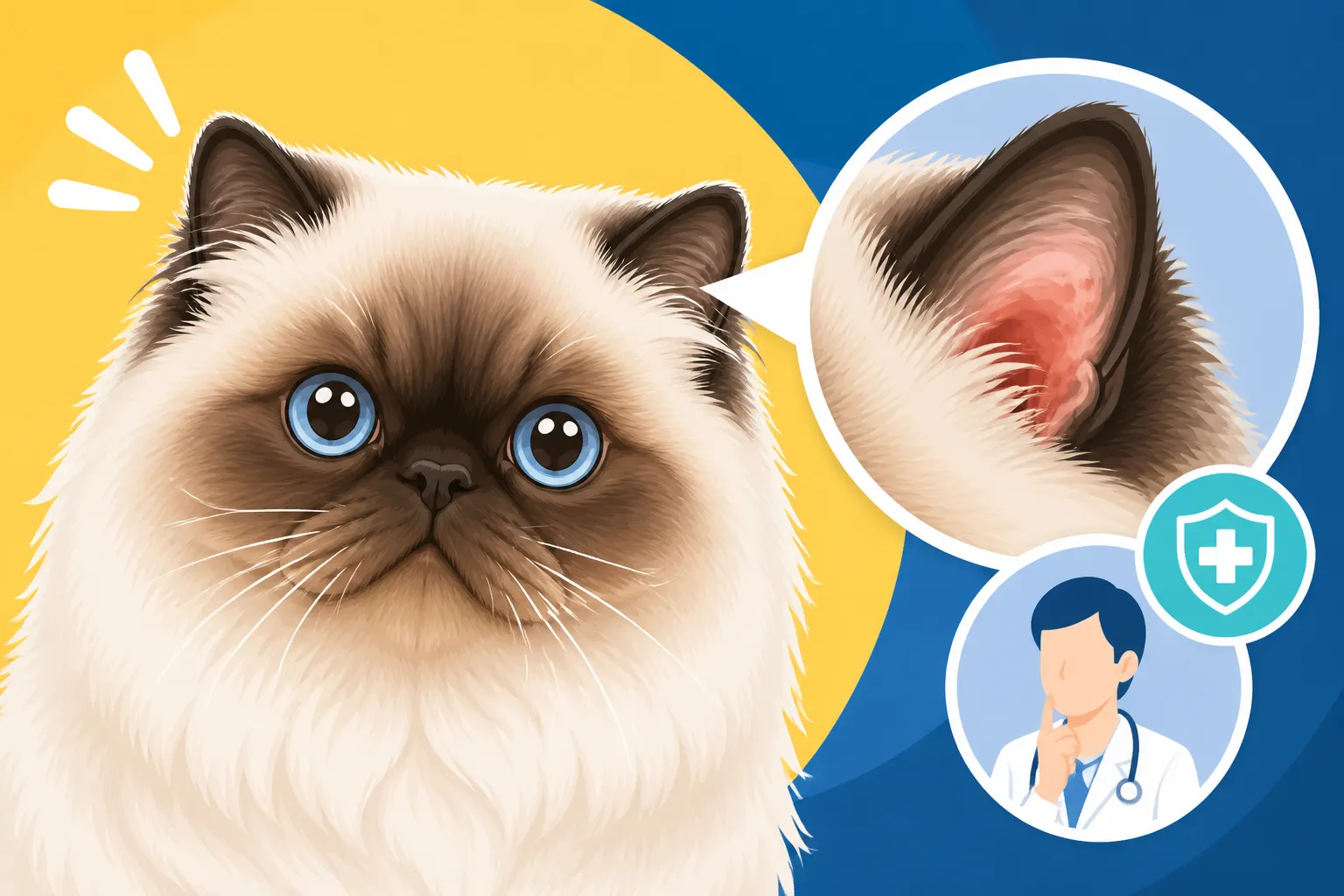
- Redness or Swelling: The skin inside the ear canal or on the ear flap might appear unusually red or inflamed.
- Discharge: Any discharge, especially if it's dark, waxy, pus-like, or has an unpleasant odor, is a sign of trouble. Healthy ears should be relatively clean and dry.
- Odor: A distinctive, often yeasty or foul smell coming from the ear is a classic sign of infection. Trust your nose on this one!
- Pain on Touch: If your cat vocalizes, hisses, or pulls away sharply when you gently touch or examine their ear, it's a strong indicator of pain.
It can be difficult to assess What a Himalayan's Ear Should Look Like Inside without a comparison, but generally, it should be a pale pink, clean, and free of excessive wax or debris. If you're ever in doubt, it's always best to consult your veterinarian.
Proactive Care: Keeping Himalayan Ears Healthy
Preventative care is truly the best medicine, especially for our Himalayans. A consistent routine can go a long way in avoiding painful and costly ear infections. Incorporating ear checks and gentle cleaning into your regular grooming schedule is crucial.
Daily Checks and Gentle Cleaning Routine
Making ear checks a part of your The Daily Comb a Himalayan Cannot Skip routine is an excellent habit. While you’re combing, gently lift the ear flap. Take a quick look, and a sniff! If you see any visible dirt, excess wax, or a small amount of dark discharge, it's time for a gentle clean. You'll want to use a veterinarian-approved ear cleaner. Never use cotton swabs inside the ear canal; they can push debris further in and potentially damage the eardrum. Instead, apply the cleaner to a cotton ball or gauze pad and gently wipe the visible parts of the outer ear and the folds of the ear flap. For more specific guidance, refer to How to Clean a Himalayan's Small Low Set Ears. Consistency is key here; a few minutes every few days can save you a lot of heartache down the line.
Managing Environmental Factors and Grooming
Environmental factors play a role too. Keeping your home clean and relatively dust-free can reduce irritants that might find their way into your cat's ears. If your Himalayan spends any time outdoors, which is generally not recommended due to their delicate features and long coat, be extra vigilant after they’ve been in dusty or damp conditions.
Grooming isn't just about the body coat; it's also about the fur around the ears. While you should never trim hair inside the ear canal, keeping the longer fur around the ear opening neat can help improve airflow. If you find your Himalayan's coat is prone to matting around the ears – and let's face it, Why a Missed Day Costs a Himalayan a Mat is a real concern – a professional groomer can carefully trim this area. This can prevent mats from pulling on the sensitive ear skin and creating further complications.
Here’s a quick overview of ear care do's and don'ts:
| Action | Do | Don't |
|---|---|---|
| Cleaning | Use vet-approved ear cleaner and cotton balls/gauze for outer ear. | Insert cotton swabs, fingers, or anything into the ear canal. |
| Inspection | Gently lift ear flap, check for redness, discharge, odor. | Force your cat or cause pain during inspection. |
| Grooming Fur | Keep fur around the ear opening trimmed if it obstructs airflow. | Pull or pluck hair from inside the ear canal unless directed by vet. |
| Addressing Issues | Contact your vet immediately if you suspect an infection. | Self-diagnose or use unproven home remedies. |
| Professional Care | Discuss ear health during Why a Himalayan's Vet Year Is Eyes, Teeth and Kidneys check-ups. | Skip regular vet check-ups, even if ears seem fine. |
When to Seek Veterinary Attention
Even with the most diligent care, sometimes infections happen. Knowing when to stop trying home remedies and call in the professionals is crucial for your Himalayan's comfort and long-term health. Don't delay; ear infections can worsen quickly and lead to more serious problems if left untreated.
Signs That Warrant an Immediate Vet Visit
If you notice any of the severe symptoms mentioned earlier—like persistent head shaking, strong odor, painful ears, excessive discharge, or if your cat seems generally unwell (lethargic, loss of appetite)—it's time to call your vet. Do not try to treat a suspected ear infection with over-the-counter products without veterinary guidance. Many different issues can cause similar symptoms, from bacterial or yeast infections to ear mites, foreign bodies, or even polyps. The wrong treatment can make things worse.
Your vet will likely perform an otoscopic exam to look deep into the ear canal, often requiring a bit of sedation if your cat is in pain, and may take a swab to identify the type of infection present. This precise diagnosis is essential for effective treatment.
Understanding Treatment Options and Long-Term Management
Once your vet diagnoses the problem, treatment typically involves prescription ear drops (antibiotic, antifungal, or a combination) that you'll need to administer at home for a specified period. They might also prescribe oral medications, especially if the infection is severe or chronic. Follow your vet's instructions carefully, even if the ear seems better before the medication is finished. Stopping early can lead to a recurrence.
For Himalayans, chronic ear issues sometimes point to underlying allergies, either environmental or food-related. If your cat experiences recurrent ear infections, your vet might suggest further diagnostics, such as allergy testing or a diet trial. Cat insurance providers like Healthy Paws are often a lifeline for covering unexpected vet visits and diagnostics for recurring health issues like these, helping you provide the best care without financial stress. Being prepared for potential health challenges is just part of being a responsible Himalayan owner. Severe matting around the ears or deep in the canal might even require sedation and professional grooming to clear the area, as Why a Matted Himalayan Becomes a Medical Case clearly illustrates. Early intervention is always the best path to recovery and preventing further complications for your beloved companion.
Disclaimer
This article is for general informational purposes only and does not constitute professional advice. Laws, prices and regulations vary by location and change over time. Consult a qualified professional for guidance on your specific situation.