How Much a Himalayan With No Papers Costs
It’s a scenario many prospective cat parents encounter: you see an advertisement for an adorable Himalayan kitten, and the price tag is significantly lower than others you've seen. The catch? "No papers." It sounds like a bargain, a way to bring home your dream companion without breaking the bank, but the truth is, a Himalayan without proper documentation often hides a much greater cost down the line, both financially and emotionally. This guide is here to walk you through exactly what "no papers" really means, and the potential expenses and challenges that can arise when you opt for what seems like a budget-friendly option.
The Temptation of a "No Papers" Himalayan: What's the Catch?
The immediate appeal of a Himalayan advertised without papers is, almost universally, the lower initial price. When you look at the price ranges for well-bred, health-tested Himalayan kittens from reputable catteries, they can seem quite high. So, when a similar-looking kitten appears for a fraction of the cost, it's natural to be drawn in. People often think, "I just want a pet, I don't care about showing or breeding, so papers don't matter." While it's true that papers aren't essential for a loving family pet, what those papers represent is far more crucial than just a fancy pedigree certificate.
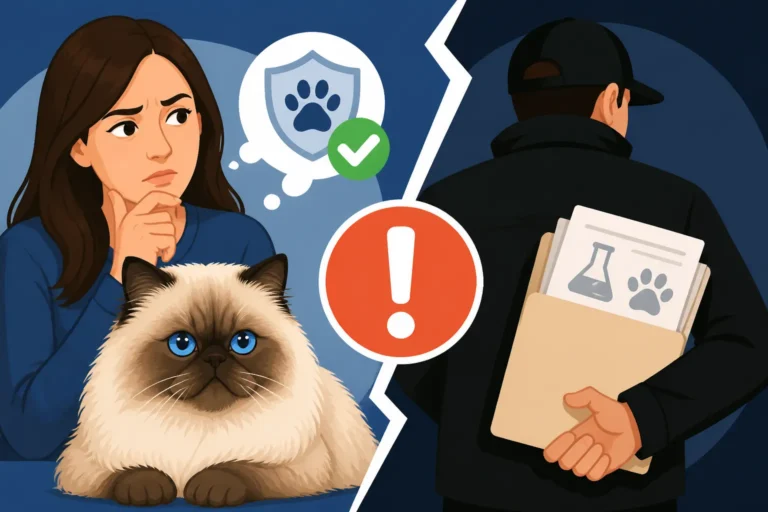
The absence of registration papers is almost always a tell-tale sign that the cat has not come from a reputable breeder. Reputable breeders invest heavily in their cats – in champion lines, genetic health testing, proper nutrition, vet care for the parents and kittens, and meticulous record-keeping. The papers, whether from CFA (Cat Fanciers' Association) or TICA (The International Cat Association), are simply the culmination of that responsible breeding. They confirm the cat's lineage and, crucially, often come with health guarantees and documentation of genetic screening. Without papers, you're essentially buying a cat whose background is a complete mystery, and that mystery often comes with a hefty price tag in the long run.
Hidden Health Costs: What "No Papers" Really Means
When a Himalayan comes without papers, it almost certainly means there's no record of the parents being health tested for common genetic conditions that plague the breed. This isn't just about obscure diseases; it's about life-altering conditions that can lead to significant pain for your cat and massive vet bills for you. Two major concerns for Himalayans, inherited from their Persian lineage, are Polycystic Kidney Disease (PKD) and Progressive Retinal Atrophy (PRA).
The Silent Threat of Polycystic Kidney Disease (PKD)
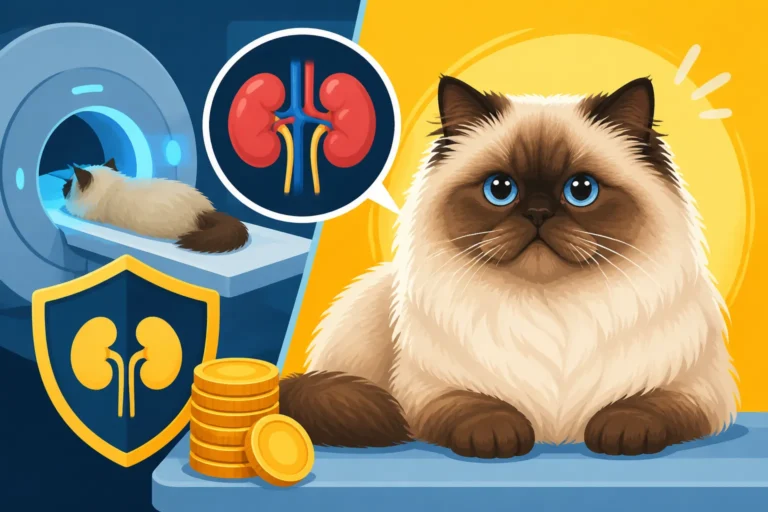
PKD is a genetic condition where cysts develop in the kidneys, growing over time and eventually leading to kidney failure. It's incredibly prevalent in Persian-derived breeds, including Himalayans, and it's a condition that can be easily screened for with a simple DNA test on the parent cats. If a breeder isn't providing papers, it's highly improbable they've done this crucial testing. This means you could be bringing home a kitten that, unbeknownst to you, is already destined for kidney disease later in life. Imagine the heartbreak and expense of managing chronic kidney failure in a cat, a condition that might have been entirely avoidable. Monitoring kidney function through regular blood tests, specialized diets, and potentially subcutaneous fluids are all significant, ongoing costs. Why PKD Needs Only One Copy in a Himalayan is a stark reminder of how easily this gene can be passed on.
Eye Issues Beyond Just Being Blue
Himalayans are known for their striking blue eyes, but their Persian ancestry can also contribute to serious inherited eye conditions. Progressive Retinal Atrophy (PRA) is another genetic disease that causes the retina to degenerate over time, leading to blindness, often by the age of five. Like PKD, there are DNA tests available for parent cats to ensure they aren't carriers. A "no papers" cat again implies no such testing, putting your future companion at risk of losing their sight. Beyond PRA, the unique facial structure of many Himalayans can lead to issues like entropion (inward-rolling eyelids) which irritates the cornea and can cause ulcers, requiring expensive surgical correction. What Retinal Atrophy Does Behind a Himalayan's Blue Eyes further explains the severity.
Respiratory and Dental Challenges Exacerbated by Poor Breeding
Himalayans, especially the "Peke-face" variety, are known for their brachycephalic (flat-faced) features. While many find this adorable, it comes with inherent health challenges, primarily concerning their breathing and dental health. A responsible breeder will strive for a moderate face structure and open nostrils, avoiding extremes that can cause constant respiratory distress. Without papers, you have no guarantee of such careful breeding. A kitten from an untested line is more likely to have severely flattened nostrils, an elongated soft palate, or a hypoplastic trachea. This can lead to:
- Breathing Difficulties: Chronic snoring, open-mouth breathing, overheating rapidly, and difficulty exercising. Surgery to widen nostrils or shorten the soft palate can be incredibly expensive and may not fully resolve the issue. When a Himalayan's Open Mouth Breathing Needs a Vet is a critical read.
- Dental Problems: Their shortened jaw means teeth are often overcrowded, leading to faster plaque buildup, gingivitis, and early tooth loss. This necessitates frequent, professional dental cleanings under anesthesia, which are not cheap. How Crowded a Himalayan's Lower Jaw Gets and How Often a Himalayan's Crowded Mouth Needs Cleaning are essential insights into these ongoing costs.
Consider the ongoing veterinary costs for a cat with these issues. What might seem like a saving on the purchase price can quickly be dwarfed by specialist vet consultations, diagnostic imaging, medications, and potential surgeries. While pet insurance providers like Healthy Paws can be a lifeline for unexpected illnesses and accidents, pre-existing conditions (which could be lurking in an untraceable "no papers" cat) are typically not covered.
Beyond the Purchase Price: The True Lifetime Cost of a Himalayan
The initial price is just the tip of the iceberg when it comes to cat ownership, and with a Himalayan, there are unique ongoing costs that can escalate quickly if the cat comes from an unvetted background.
Grooming and Coat Care: A Daily Commitment
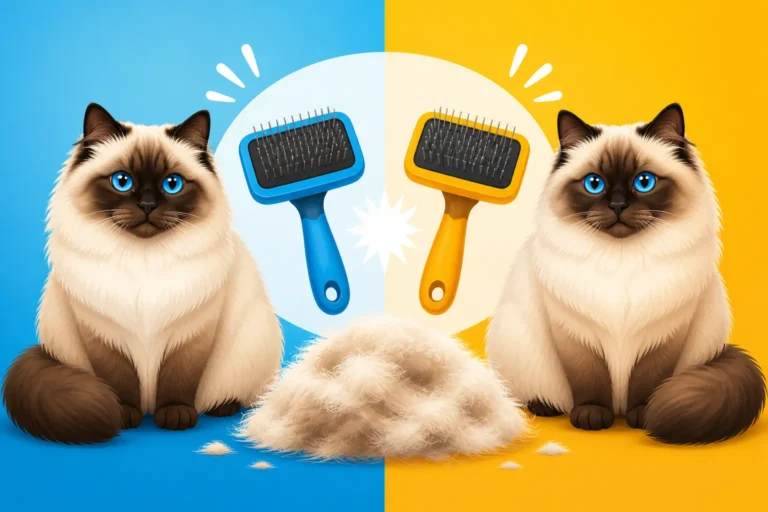
Himalayans possess a magnificent long, dense coat with a thick undercoat, inherited from their Persian side. This beautiful fur is prone to matting, especially in areas like the armpits, britches, and behind the ears. Daily combing is not optional; it’s absolutely essential. If you miss a day, mats can form quickly and become tight and painful. While a good steel comb is an initial investment, the real cost is time. If mats are allowed to worsen, they can pull on the skin, cause infections, and ultimately require professional grooming or even sedation at the vet for shaving. What Daily Combing Costs a Himalayan Owner in Time might surprise you. A poorly bred Himalayan with an overly dense or cottony coat might mat even faster, increasing your grooming burden or the need for professional help. Many owners find themselves using specialty shampoos and conditioners from retailers like Chewy to help maintain the coat and prevent matting.
Eye and Face Care: A Perpetual Routine
The Himalayan's distinctive face requires daily attention to prevent health problems. Their large, prominent eyes can water excessively, leading to tear staining and skin irritation in the folds around their nose. This isn't just cosmetic; chronic dampness in these folds can lead to bacterial or yeast infections, known as fold dermatitis, which are uncomfortable and require veterinary treatment. Daily wiping with damp cotton balls or special wipes is crucial. Why a Himalayan's Face Needs Cleaning Every Morning details this routine. These supplies add up over the years.
Specialized Diet and Feeding Solutions
Due to their flat faces, Himalayans can struggle to eat comfortably from standard cat bowls. Deep bowls can cause their whiskers to bend uncomfortably or make it hard for them to scoop up kibble without pushing it out of the bowl. They often do better with wide, shallow dishes, or even elevated bowls. Some flat-faced Himalayans may also struggle with certain kibble shapes. If your Himalayan develops kidney issues (a higher risk with “no papers” cats), they will need a prescription renal diet, which can be significantly more expensive than regular cat food. Tailored, high-quality nutrition can be crucial for cats with specific health needs, and while an investment, it's often necessary to manage conditions that might arise from poor breeding.
Table: Potential Cost Comparison: "No Papers" vs. Health-Tested Himalayan
| Category | "No Papers" Himalayan (Potential) | Health-Tested Himalayan (Potential) |
|---|---|---|
| Initial Purchase Price | Low (e.g., hundreds) | Higher (e.g., thousands, reflecting breeder investment) |
| Genetic Test Costs | You might pay for tests yourself after purchase if concerns arise (additional hundreds per test) | Included in purchase price; parents already tested; certificates provided |
| Vet Bills (First 5 years) | Potentially very high due to inherited diseases (PKD, PRA), severe breathing issues, dental work. | Lower, primarily routine check-ups and preventative care. |
| Specialist Consultations | High likelihood of needing specialists for kidney, respiratory, or eye issues. | Low likelihood, typically only for unforeseen accidents or common ailments. |
| Ongoing Medications/Diets | High likelihood of needing prescription diets, eye drops, allergy meds for life. | Lower, typically only if a non-genetic condition arises. |
| Emergency Vet Visits | Higher risk due to respiratory distress, severe infections from poor facial structure. | Lower risk; emergencies more likely to be accident-related. |
| Grooming/Dental Sedation | Potentially more frequent/costly due to poorer coat quality or severe dental overcrowding. | Regular maintenance, but severe issues less likely. |
| Lifetime Emotional Cost | Significant stress, heartache, and guilt over a cat's preventable suffering. | Joy and peace of mind from knowing you've done your best for your cat's health. |
Making an Informed Decision: Is a "No Papers" Himalayan Ever Worth It?
When you consider the potential lifetime financial burden and emotional toll, the initial "saving" on a "no papers" Himalayan often evaporates quickly, replaced by a mountain of veterinary bills and heartache. While there are certainly situations where people rescue cats whose backgrounds are unknown, actively seeking out and purchasing a cat from a breeder who does not provide papers, and therefore likely does not conduct health testing, is a risky endeavor.
If you’re looking for a Himalayan companion, the best advice I can offer is to prioritize health and responsible breeding over a low upfront cost. Seek out breeders who are transparent about their breeding practices, openly provide health certificates for PKD and PRA for both parent cats, and offer a written health guarantee. They should be willing to discuss the lineage and show you the parents. This due diligence ensures you're investing in a healthy, happy cat with the best possible start in life.
Remember, owning a cat is a long-term commitment, potentially spanning The Nine to Fifteen Years a Himalayan Usually Gets. Ensuring your companion has a good foundation of health from the start will save you immense stress and expense, allowing you to focus on the joy of sharing your life with one of these beautiful, sweet-natured felines. After all, the love and companionship you receive from a healthy cat are truly priceless.
Disclaimer
This article is for general informational purposes only and does not constitute professional advice. Laws, prices and regulations vary by location and change over time. Consult a qualified professional for guidance on your specific situation.