How Much a Himalayan From a Show Cattery Costs
Bringing home a Himalayan from a reputable show cattery is often the dream for many who adore these stunning, placid cats, but the price tag can sometimes feel like a mystery. You're not just buying a kitten; you're investing in years of dedicated breeding, health clearances, and adherence to specific breed standards. This guide will help you understand the true cost involved, distinguishing it from less reputable sources and highlighting what that investment truly covers.
Understanding the "Show Cattery" Difference and Its Impact on Price
When you hear "show cattery," it's not just a fancy label; it signifies a serious commitment to the Himalayan breed. These breeders aren't just producing kittens; they're working to preserve and improve the breed's health, temperament, and adherence to the breed standard set by organizations like the Cat Fanciers' Association (CFA) or The International Cat Association (TICA). This dedication comes with significant financial and time investments, all of which ultimately factor into the price of their kittens.
The journey to producing show-quality Himalayans is a long and expensive one. It involves acquiring top-tier breeding stock, often from established lines, which can mean substantial initial costs for the foundation cats themselves. These cats are champions in their own right, demonstrating the ideal traits of the breed. Furthermore, these breeders are continually evaluating their lines, meticulously planning pairings to enhance desired characteristics and minimize undesirable ones. This isn't a casual hobby; it's a profound commitment to genetic health and aesthetic excellence.
Beyond the initial investment in breeding cats, a show cattery dedicates considerable resources to maintaining a pristine, healthy environment. This includes top-quality nutrition, regular veterinary care, and enrichment to ensure their cats are well-adjusted and thrive. Think about the sheer volume of premium food, specialized litter, and vet visits for multiple cats – it all adds up. The goal isn't just to sell a pet, but to produce an ambassador for the breed, whether it goes to a show home or a loving family.
The Rigors of the Show Ring and Breed Standard Adherence
A show cattery isn't just about pretty cats; it's about cats that can stand up to the scrutiny of judges against a very specific breed standard. This means an unwavering focus on conformation, coat quality, eye color, and overall balance. A breeder aiming for show success isn't just hoping for the best; they are deliberately selecting for traits that align perfectly with the standard, striving for that elusive "perfect" profile, eye shape, and coat texture. This involves a deep understanding of genetics and a keen eye for what makes a Himalayan truly exceptional.
The pressure to meet these standards means that show breeders spend countless hours grooming, training, and exhibiting their cats. They travel to shows, invest in entry fees, and often hire professional handlers or take on the role themselves. This exposure allows them to gain valuable feedback from judges and to see their cats compete against the best. All of this experience and expertise contributes to the quality of the kittens they produce, making them highly sought after by those who appreciate the breed's finest characteristics. A CFA Himalayan Is a Persian on Its Own Paperwork might shed more light on the intricacies of how these cats are classified in the show world.
This rigorous pursuit of the ideal doesn't just benefit the show cats; it elevates the quality of every kitten in the cattery. Even if a kitten is designated as a "pet quality" companion, it benefits from the same exceptional genetics, meticulous care, and early socialization as its "show quality" littermates. You're getting a cat whose lineage has been carefully curated for generations, ensuring not just beauty, but also a stable temperament and robust health, which are hallmarks of a truly responsible show breeder.
Extensive Health Testing and Early Socialization
One of the most significant differentiators, and a major cost factor, for a show cattery is their commitment to comprehensive health testing. Responsible Himalayan breeders will routinely screen their breeding cats for genetic conditions prevalent in the breed, such as Polycystic Kidney Disease (PKD) and Progressive Retinal Atrophy (PRA). These tests are not cheap, and they are performed on all breeding animals to ensure that no affected or carrier genes are passed down to future generations. This upfront investment in testing is crucial for the long-term health of your kitten and gives you immense peace of mind.
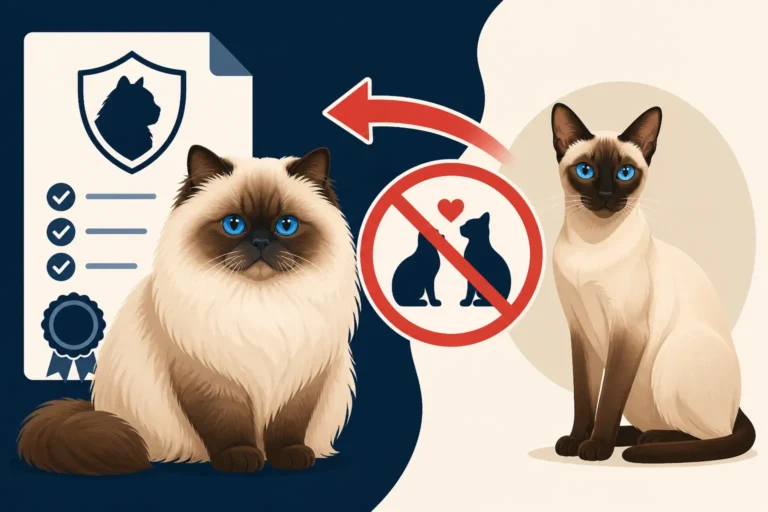
Imagine the heartache and financial burden of bringing home a kitten only to discover later that it suffers from a debilitating genetic illness that could have been screened for. Show breeders understand this deeply, which is why they don't cut corners on testing. They'll readily provide documentation of health clearances for both parents, giving you transparency and confidence in your purchase. This might include certificates for genetic tests, as outlined in How to Read a Himalayan's PKD Certificate, or eye examination results. What Testing a Himalayan for PKD and the Eyes Costs will give you an idea of the expense involved.
Beyond physical health, show catteries prioritize early socialization, an often-overlooked but vital aspect of a kitten's development. Kittens are raised in a stimulating home environment, exposed to various sights, sounds, and gentle handling from a young age. This hands-on approach ensures they grow into confident, friendly, and well-adjusted adults, ready to integrate seamlessly into their new homes. This dedicated care during their formative weeks prevents many behavioral issues down the line, saving new owners potential stress and expenses.
Factors Influencing the Price Tag of a Show-Quality Himalayan
The price of a Himalayan from a show cattery isn't a fixed number; it's a dynamic figure influenced by a multitude of factors. While the general range might seem high compared to other cats, understanding these specific elements helps clarify why one kitten might command more than another, even within the same litter. It's about recognizing the rarity, the genetic legacy, and the potential a particular kitten holds.
Breeders assess each kitten in a litter against the breed standard, determining its "quality" based on its conformation, coat, eye color, and overall potential. A "pet quality" kitten, while still beautiful and healthy, might have a minor deviation from the standard that disqualifies it from the show ring. A "show quality" kitten, on the other hand, is considered an excellent example of the breed, with the potential to earn titles. These distinctions directly impact the price, with show-quality kittens naturally commanding the highest fees due to their inherent value to the breed's future and their superior adherence to the ideal.
Furthermore, the reputation of the cattery itself plays a significant role. Catteries that consistently produce champions, have a long history of excellent health clearances, and are known for their ethical practices will naturally charge more. You're paying not just for the kitten, but for the breeder's expertise, their mentorship, and the assurance that comes with their established reputation in the cat fancy community. This reputation is built over decades of hard work and dedication, and it's a valuable asset that contributes to the kitten's overall cost.
Pedigree and Champion Bloodlines
One of the most significant drivers of cost for a show-quality Himalayan is its pedigree, especially the presence of champion bloodlines. A kitten whose parents, grandparents, and even great-grandparents are Grand Champions, Regional Winners, or National Winners carries a prestigious genetic legacy. This lineage isn't just for bragging rights; it indicates a proven track record of health, temperament, and adherence to the breed standard across multiple generations. Such a pedigree is a strong predictor of a kitten's own potential to excel, both in beauty and disposition.
Breeders invest heavily in acquiring and maintaining these champion lines. This can involve importing cats from other countries at considerable expense, traveling to distant catteries for stud services, and carefully tracking genetic markers to ensure strong, healthy offspring. The cost reflects the time, effort, and financial outlay required to preserve and enhance these superior genetics. When you purchase a kitten from such a line, you are essentially buying into a proven legacy of excellence.
While a kitten from champion bloodlines may cost more upfront, many owners find it a worthwhile investment. Not only do these cats often possess exceptional beauty and conformation, but they also tend to have very stable temperaments, which are highly desirable in a companion animal. You're not just getting a cat; you're getting a piece of living history, a direct descendant of cats recognized for embodying the very best of the Himalayan breed.
Point Color and Markings
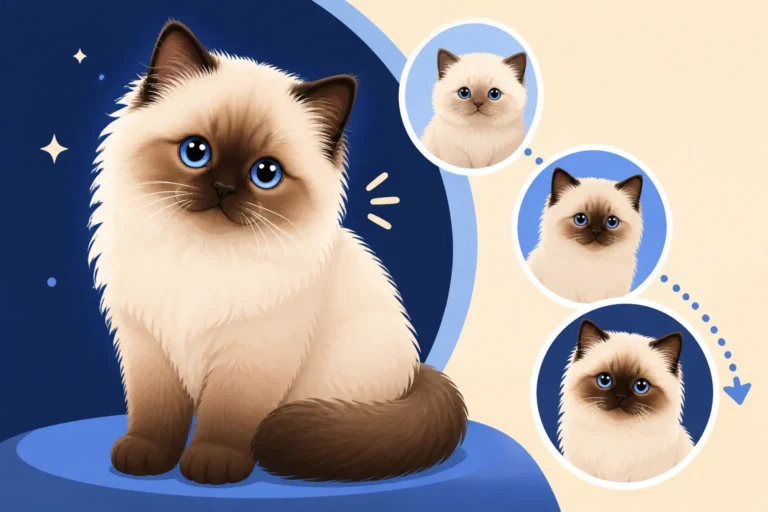
The captivating point colors of Himalayans are a huge part of their appeal, and certain colors or precise markings can certainly influence the price. While all Himalayan kittens are born almost entirely white, their points (ears, face mask, paws, and tail) gradually develop their color over the first few weeks and months. The eventual shade and clarity of these points, along with the contrast against the body, are judged very strictly in the show ring. Why Point Color Sets a Himalayan's Price More Than Type highlights this fascinating aspect.
For instance, certain rare or particularly sought-after point colors, like Chocolate Point or Lilac Point, might fetch a higher price simply due to the difficulty in consistently producing them with excellent type. Flame Point Himalayans, with their striking orange-red points, are also incredibly popular. Beyond the color itself, the quality of the markings is crucial; judges look for clear, well-defined points with good contrast against a pale body. A kitten with perfectly matched and deeply colored points will be valued more than one with muddy or uneven coloring.
It's not just about aesthetics for the breeder; it's about the genetic complexity involved in achieving these specific color expressions. A breeder might spend years working to establish a line known for producing exceptional examples of a particular point color. This specialized breeding effort and the rarity of truly outstanding examples mean that kittens displaying these ideal colorations will naturally be priced accordingly.
"Doll Face" vs. "Peke Face" and Desired Profile
The physical structure of a Himalayan's face, specifically its profile, is another major factor dictating its price, and it's a topic that generates a lot of discussion among enthusiasts. Historically, Himalayans, like Persians, have undergone a shift in their facial structure, leading to the distinction between "Doll Face" (a more traditional, longer muzzle) and "Peke Face" (the extremely flattened, "smushed" face). In the show world, especially within CFA, the extreme Peke-face profile is often preferred and wins in the ring, due to its alignment with the modern Persian standard.
Because show catteries are striving to produce cats that excel in competition, a kitten that embodies the highly desired, extreme brachycephalic (Peke-face) profile will often be priced at the higher end. This is because these kittens represent the pinnacle of the modern show standard. However, there's also a growing appreciation, and therefore a market, for the Doll Face Himalayan, which some consider healthier and more aesthetically pleasing for a pet. While a true "Doll Face" may not be competitive in some show rings, a cattery specializing in healthier, more traditional profiles may still charge a premium for their well-bred, health-tested kittens. Why a Doll Face Himalayan Commands a Premium further explores this market dynamic.
The choice between a Doll Face and Peke Face often comes down to personal preference and health considerations. While the flatter face is what wins in many show circuits, it can come with potential breathing and tearing issues. A responsible show breeder will be transparent about these possibilities and offer advice on care. The price will reflect the demand for the specific profile and the breeder's dedication to either achieving the extreme show look or preserving the more traditional aesthetic.
Beyond the Initial Purchase: Ongoing Costs for a Show-Quality Himalayan
The purchase price of a Himalayan from a show cattery is just the beginning of your financial commitment. While that initial investment covers a beautifully bred, health-tested kitten, the true cost of ownership unfolds over the cat's lifetime, especially for a breed with specific needs like the Himalayan. Thinking ahead about these ongoing expenses is crucial for responsible pet ownership and ensuring your cat lives a long, comfortable life.
These ongoing costs aren't unique to show-quality Himalayans, but they can be amplified by the breed's characteristics. Their luxurious long coats, unique facial structure, and potential genetic predispositions mean that routine care often requires a bit more time, effort, and specialized products than a shorthaired or less-brachycephalic breed. It’s about tailoring their care to their specific needs, which inherently adds to the budget.
Consider the long lifespan of a well-cared-for Himalayan, often living between 12 to 15 years or more. Over that decade-plus, these recurring costs become substantial. It’s a marathon, not a sprint, and budgeting for these elements from the outset will prevent surprises and ensure you can consistently provide the high standard of care your majestic companion deserves.
Specialized Grooming and Nutrition Needs
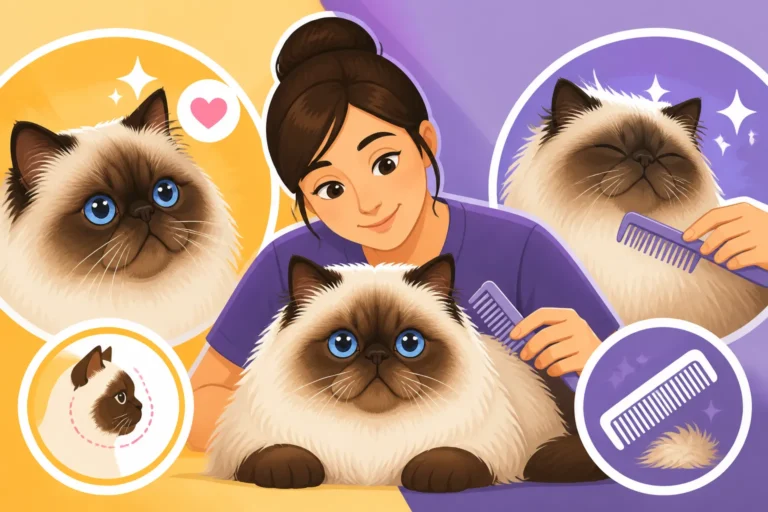
The magnificent, flowing coat of a Himalayan is arguably its most striking feature, but maintaining it is a daily commitment that translates into ongoing costs. A show-quality Himalayan will have a particularly dense and long coat, prone to matting if not meticulously cared for. This means investing in high-quality grooming tools, such as specialized steel combs and brushes, as well as a consistent supply of gentle detangling sprays and wipes. The What Daily Combing Costs a Himalayan Owner in Time might be a time investment, but it saves on professional grooming bills.
Beyond the daily comb, many Himalayan owners opt for professional grooming every few months, especially for areas like the britches or for a full "lion cut" during warmer months. These grooming appointments, while not inexpensive, can save you from having to sedate your cat for severe mat removal at the vet. Additionally, due to their flattened faces, Himalayans are prone to tear staining and need their faces wiped daily with special solutions or plain water and cotton pads to prevent skin irritation and discoloration. This ongoing routine requires specific products that become a regular household expense. You can often find great deals on these specialized grooming supplies through online retailers like Chewy, making it easier to stick to your routine.
Nutrition for a Himalayan also merits special consideration. Due to their crowded jaws and flattened faces, they can struggle with certain kibble shapes. Many owners find that flat-faced cats do better with specific kibble designs or a diet that includes a good portion of wet food. Premium cat food, designed for longhaired breeds or those with sensitive digestive systems, might be recommended. This attention to diet contributes to their vibrant health and beautiful coat, but it can also be a more significant line item in your monthly budget.
Veterinary Care and Health Insurance
Himalayans, being a hybrid breed of Persian and Siamese, inherit certain predispositions from their parent breeds, which means proactive veterinary care is essential and adds to the long-term cost of ownership. Beyond routine vaccinations and parasite control, regular check-ups become even more critical to monitor for conditions like Polycystic Kidney Disease (PKD) and to assess their brachycephalic (flat-faced) respiratory health. Why a Himalayan's Vet Year Is Eyes, Teeth and Kidneys delves deeper into these specific health concerns.
Their unique facial structure can lead to crowded teeth, requiring more frequent dental cleanings under anesthesia than other breeds. They may also experience tear duct issues, eye irritation from inward-rolling eyelids (entropion), or breathing difficulties, especially in warm weather. Regular vet visits for these issues, and potential surgical interventions in severe cases, can be costly. It's not uncommon for a Himalayan owner to be on first-name terms with their vet due to the breed's specific needs.
Given these potential health considerations, pet health insurance becomes an invaluable investment. Providers like Healthy Paws offer policies that can help offset the costs of unexpected illnesses or accidents, as well as some routine care depending on the plan. While it's another monthly expense, having comprehensive coverage can provide immense peace of mind, ensuring you can always make the best health decisions for your beloved Himalayan without financial stress. It’s much easier to manage the emotional toll of a sick pet when you’re not also navigating a massive vet bill.
Show-Related Expenses (Even for a Pet Home)
Even if your show-quality Himalayan is destined to be a cherished pet and never sets paw in a show ring, the ripple effects of its show cattery origins can subtly influence your costs. For instance, a breeder might have specific clauses in their contract regarding breeding rights; a kitten sold as a "pet" will almost certainly be spayed or neutered, and the cost of this procedure can sometimes be higher for flat-faced breeds due to anesthetic considerations. This initial vetting by the breeder ensures the integrity of their lines and supports responsible pet ownership.
Should you, or a future owner, ever decide to dabble in the show world, even casually, the expenses can quickly escalate. This would include entry fees for shows, specialized grooming services specific to show preparation (which goes far beyond daily combing), travel and lodging for you and your cat, and potentially fees for professional handlers. While these aren't mandatory for a pet Himalayan, the potential for them is inherent in a cat from a show cattery.
Ultimately, the inherent value derived from a show cattery's dedication to health, temperament, and adherence to breed standards means that you're investing in a cat that has been given the best possible start in life. This foundation of quality, while initially more expensive, often translates into a healthier, happier companion with fewer unexpected issues down the road, making the long-term ownership experience more rewarding.
Cost Comparison Table: Himalayan Kitten Types
To help contextualize the investment, here's a general overview of how the price of a Himalayan kitten can vary based on its intended purpose and the breeder's practices. Please remember these are broad ranges and exact prices will vary greatly depending on location, cattery reputation, and the individual kitten's qualities.
| Kitten Type | Typical Price Range (USD) | Key Characteristics & Contributing Factors |
|---|---|---|
| Backyard Breeder / Unregistered | Usually lower, check for red flags | Often lacks health testing, no pedigree, uncertain temperament. Kittens may be kept in less than ideal conditions. No guarantee of breed standard. |
| Pet Quality (Registered Breeder) | Mid-range | From a registered, reputable breeder. Health tested parents, good socialization. Kitten has a minor flaw (e.g., ear set, coat density) preventing it from being shown but is otherwise healthy and temperamentally sound. Sold with spay/neuter agreement. |
| Show Quality (Registered Breeder) | High-range | From a reputable show cattery. Excellent adherence to breed standard, exceptional pedigree, champion bloodlines. Parents are extensively health tested. Potential for success in the show ring. May be sold with or without breeding rights, affecting the final price. |
| Breeder Quality (Registered Breeder) | Very High-range | Top-tier kitten with exceptional genetics and conformation, intended to be a future breeding animal. Comes with full breeding rights. Extensive health clearances and proven lineage. Requires specific contracts and a deep understanding of responsible breeding. This is generally the most expensive. |
Disclaimer
This article is for general informational purposes only and does not constitute professional advice. Laws, prices and regulations vary by location and change over time. Consult a qualified professional for guidance on your specific situation.