Why Doll Face Himalayan Breeders Charge More
When you're dreaming of bringing a beautiful Himalayan cat into your home, you're likely to stumble across a curious difference in pricing: why do some breeders ask significantly more for "Doll Face" Himalayans compared to their flatter-faced counterparts? It can feel a bit arbitrary, leaving prospective owners scratching their heads and wondering if it's just a marketing gimmick. This guide will dive deep into the real reasons behind these price discrepancies, helping you understand the factors that contribute to the cost of a Doll Face Himalayan kitten and what that truly means for you as an owner over the cat's lifetime.
Understanding the Himalayan Face Debate
For anyone new to the enchanting world of Himalayans, the terms "Doll Face" and "Peke Face" can be a bit bewildering. It's not just about a cute name; these terms describe distinct facial structures that have significant implications for the cat's health, appearance, and, yes, its price. Understanding this fundamental difference is key to appreciating why breeders might charge more for one over the other.
What Defines a Doll Face Versus a Peke Face?
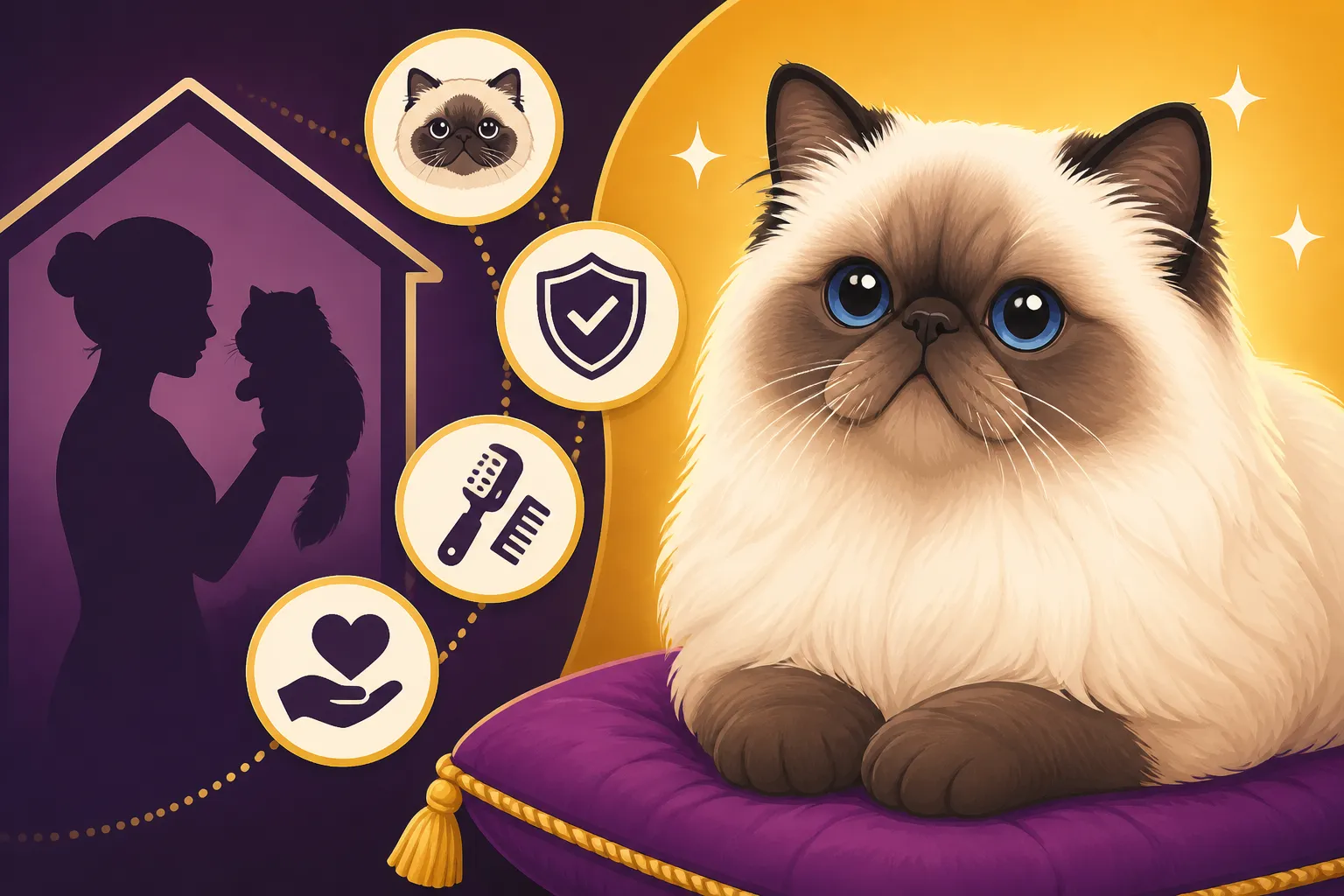
A Doll Face Himalayan is what many would consider the more traditional or classic look for the breed. Imagine a cat with a softer, more rounded face, where the nose has a noticeable but gentle slope, and the eyes are large and expressive but sit without excessive prominence. Their profile shows a clear, albeit slight, indentation at the bridge of the nose – what breeders often call a "break" – but it’s not extreme. Think of it as a Persian face, but perhaps a touch less exaggerated than some modern show lines. This profile often lends itself to a sweet, open expression that many find incredibly endearing.
On the other hand, the Peke Face, or "ultra-typed" Himalayan, has a far more dramatic facial structure. Here, the nose is extremely flattened, often appearing to be set almost between the eyes. The "break" is very deep and pronounced, sometimes even seeming to go inwards. This can result in a distinctive, almost pushed-in appearance, reminiscent of certain Pekingese dog breeds, hence the name. While striking and often favored in the show ring, this extreme flattening can come with a host of specific challenges that Doll Face Himalayans typically avoid. For a deeper dive into these visual cues, you might find Doll Face or Peke Face Is the Himalayan Buyer's Real Decision really helpful.
The Historical Shift Towards Flatter Faces
It's fascinating to look back at how the breed standards evolved over time. When Himalayans first gained popularity, their facial structure was much closer to what we now call the Doll Face. They had a distinct nose, visible and proud, contributing to a truly regal, yet gentle, appearance. However, as the breed gained traction in the show circuit, particularly in certain registries, there was a gradual shift in preference. Judges began to favor the more extreme, flatter faces, often described as "Peke Face." This wasn't necessarily a conscious decision to create health issues, but rather an aesthetic preference that slowly became ingrained in the breed standard.
This trend led many breeders to selectively breed for these exaggerated features, striving for that "perfect" show-winning profile. While it certainly produced some stunning cats in the show ring, it inadvertently led to some unintended consequences for the cats themselves. Breathing became more challenging for some, tear ducts struggled to drain properly, and dental alignment became a more frequent concern. It's a classic example of how aesthetics can, over generations, impact the practicalities of a cat's life. If you're curious about how this happened, take a look at Why Show Himalayans Drifted Toward the Flatter Face. The push for flatter faces was a powerful force in the breeding world for many years, and Doll Face breeders often worked against that tide.
The Effort and Cost Behind Breeding Doll Face Himalayans
So, knowing the difference, it becomes clearer why a Doll Face Himalayan might carry a higher price tag. It's not just about aesthetics; it’s about the deliberate choices and significant investment made by breeders who prioritize a traditional look and often, better health outcomes, in a market that has often favored the extreme.
Intentional Breeding for Specific Facial Structures
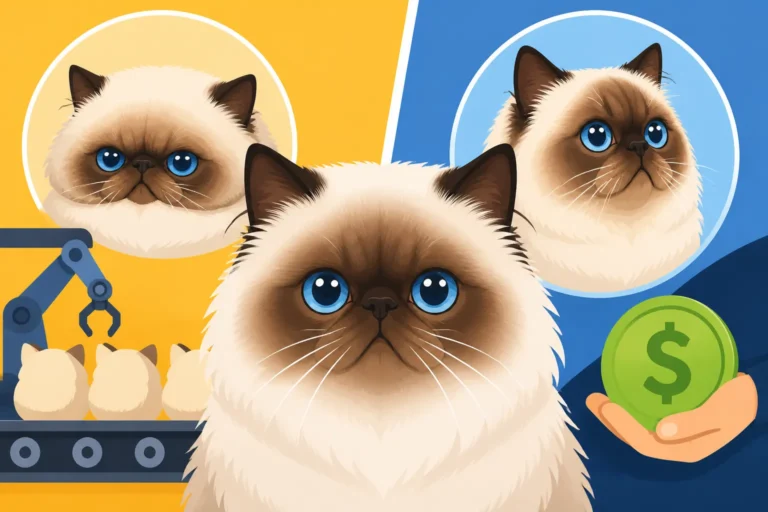
Breeding for a Doll Face is not a matter of chance; it's a dedicated and often challenging endeavor. When many lines within the Persian and Himalayan world have been bred for generations to achieve the flatter, Peke Face look, consistently producing Doll Face kittens requires very careful selection of breeding stock. A breeder committed to the Doll Face type must extensively research pedigrees, seek out specific lines that retain those traditional features, and often travel to secure the right cats. They are actively working to preserve a look that, for a time, fell out of mainstream favor in some show circles. This means fewer suitable breeding animals are available, and obtaining them can be costly.
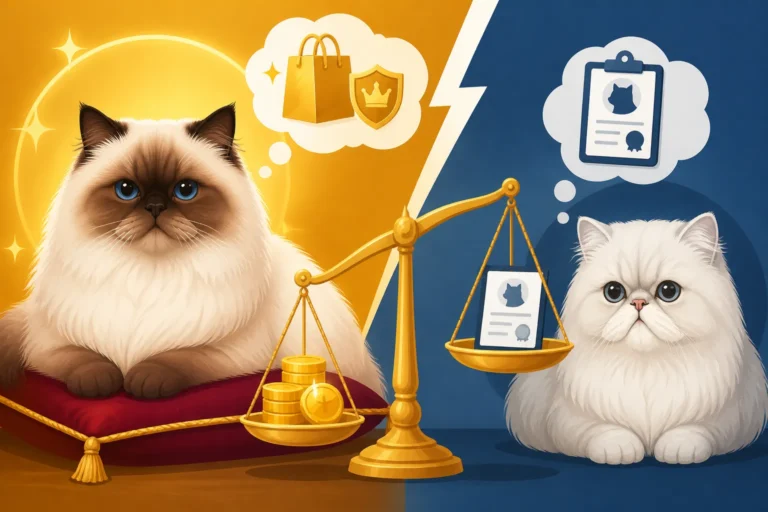
These breeders aren't just letting any two Himalayans mate; they are meticulously planning pairings to ensure the desired facial structure is passed down. It's a scientific and artistic balance, aiming for that beautiful, soft-faced expression while avoiding the extreme flattening that can lead to health challenges. This commitment to type preservation is a significant part of the premium you see. Many prospective owners specifically seek out a Doll Face for its distinct charm, and breeders who reliably produce them naturally see higher demand. This is a core reason Why a Doll Face Himalayan Commands a Premium.
Health Screening and Longevity Considerations
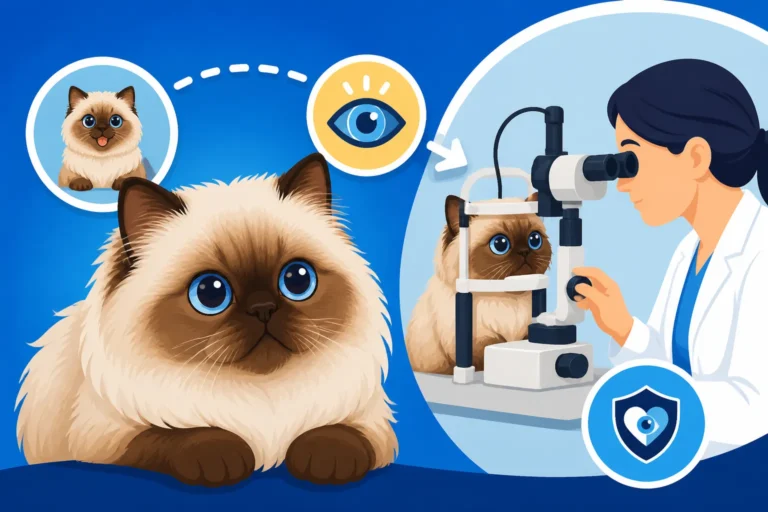
A key reason for the higher cost associated with responsible Doll Face Himalayan breeders is their unwavering commitment to health. While the Doll Face structure inherently often leads to fewer breed-specific health issues compared to extreme Peke Face types, good breeders still go above and beyond to ensure their lines are healthy. This includes rigorous genetic testing for conditions common in the Persian lineage, such as Polycystic Kidney Disease (PKD) and Progressive Retinal Atrophy (PRA). These tests aren't cheap, and they are performed on every breeding cat to ensure only clear parents contribute to the next generation. This proactive approach significantly reduces the risk of these heartbreaking genetic diseases appearing in your kitten. You can learn more about the costs involved in What Testing a Himalayan for PKD and the Eyes Costs.
Beyond genetic testing, Doll Face breeders often prioritize overall structural health. This means evaluating for clear breathing, proper dental alignment, and healthy eye set – traits that naturally come with a less extreme facial structure. While it's true that a Doll Face often has a better chance at a long, comfortable life with fewer respiratory or ocular issues, good breeders don't take this for granted. They invest in veterinary check-ups, regular screenings, and excellent nutrition for their breeding cats, all of which contribute to the health and longevity of their kittens. This careful selection and health focus contribute to the expectation that Whether a Doll Face Himalayan Outlives a Peke Face One is often a positive answer.
The Time and Resources Invested
Think about all the behind-the-scenes work that goes into bringing healthy, well-socialized kittens into the world. It’s not just the cost of the breeding cats themselves or the vet bills for genetic testing. It's a full-time commitment that demands immense time and resources. Responsible breeders spend countless hours on pedigree research, ensuring compatible bloodlines and avoiding genetic pitfalls. They provide exceptional care for pregnant queens, assist with birthing, and then dedicate the first critical weeks to round-the-clock care for the tiny kittens. This involves early socialization, proper weaning, and initial veterinary checks, vaccinations, and deworming.
Furthermore, a good breeder acts as a mentor and resource for new owners. They spend time educating potential families, matching the right kitten to the right home, and offering ongoing support for the cat's lifetime. This level of dedication, care, and expertise simply cannot be found in someone who breeds casually or cuts corners. When a breeder charges more for a Doll Face Himalayan, a significant portion of that cost reflects this deep, personal investment of time, knowledge, and resources. They often refuse to sell to anyone who isn't fully prepared for the commitment, a sign of their integrity. Knowing How to Spot a Himalayan Breeder Who Skips the PKD Test can help you understand the value of a reputable breeder's efforts.
Why Demand Drives the Doll Face Premium
Beyond the breeder's investment, the simple economic principle of supply and demand plays a huge role in the higher price tag for Doll Face Himalayans. As preferences shift and awareness grows, the demand for these more traditional-faced cats often outstrips their availability, naturally leading to a premium.
The Appeal of the Classic Himalayan Look
There's no denying that the Doll Face Himalayan possesses a timeless charm. Many people are drawn to that sweet, open expression and more visible nose, which feels like the quintessential "cat face" with a touch of exotic flair. It's the look you might see in older photographs of the breed, evoking a sense of nostalgia and classic beauty. For many, the extreme flattening of the Peke Face can be less appealing, sometimes even appearing a bit severe or perpetually sad. The Doll Face, with its softer features, often projects an approachable and gentle demeanor that resonates deeply with prospective owners looking for a loving companion.
This aesthetic preference isn't just about looks; it often ties into the perception of the cat's personality. While a cat's individual temperament is unique, the softer facial structure is often associated with a less intense or perhaps more serene presence. People envision a cuddly, calm cat nestled in their lap, and the Doll Face perfectly fits that image. This strong emotional connection to the traditional appearance means a robust demand for these particular cats. If you are interested in seeing what a Doll Face profile actually looks like, check out What a Doll Face Himalayan's Profile Measures.
Perceived Health Advantages and Reduced Maintenance
It's an unfortunate truth that the extreme facial structure of some Peke Face Himalayans can lead to a range of health challenges. These can include constricted nostrils leading to noisy breathing and overheating, eyes that water excessively due to blocked tear ducts, and crowded jaws that predispose them to dental issues. Owners of Peke Face cats often face a commitment to daily facial cleaning, specialized bowls, and potentially more frequent veterinary interventions for these specific issues. You might wonder Why a Himalayan's Eyes Water All Day for instance, and it often comes down to that facial structure.
When a potential owner seeks out a Doll Face Himalayan, they are often subconsciously (or consciously) seeking to avoid these potential pitfalls. While no cat is entirely free from health concerns, the Doll Face is generally perceived to have fewer of these breed-specific challenges. This perception translates into a belief that a Doll Face cat might lead a healthier life, require less intensive daily face care, and potentially incur lower long-term veterinary bills related to brachycephalic (flat-faced) issues. For many, paying a higher upfront cost for a Doll Face kitten is seen as an investment in a pet that might have fewer health struggles and require less specialized daily maintenance, offering peace of mind.
Limited Availability in a Peke Face Dominated Market
For many years, the show ring, particularly within the Cat Fanciers' Association (CFA), favored the more extreme Peke Face type. This led many reputable breeders to focus their efforts on producing cats that conformed to this standard, resulting in a proliferation of Peke Face lines. Consequently, true Doll Face Himalayans, bred for that traditional, less extreme look, became rarer. They were, in a sense, a niche market within their own breed.
Because fewer breeders dedicated themselves to preserving the Doll Face, the supply of these kittens is naturally more limited. When you combine this scarcity with the increasing demand from owners who prefer the classic look and its associated health benefits, the price inevitably climbs. It's a basic economic principle: high demand plus limited supply equals a premium price. Breeders who have maintained or specifically sought out Doll Face lines have put in the work to offer something unique in a market that was for a long time saturated with the flatter-faced type. This limited availability is a significant factor in Why a Doll Face Himalayan Is Priced Apart.
Beyond the Price Tag: Long-Term Considerations
While the initial purchase price of a Doll Face Himalayan can seem substantial, it's crucial to put it into perspective within the broader context of cat ownership. A higher upfront cost often translates to an investment that pays dividends in the long run, especially when it comes to the health and well-being of your beloved feline companion.
What the Initial Cost Really Buys You
When you pay a premium for a Doll Face Himalayan from a reputable breeder, you're not just buying a cat; you're investing in a carefully curated, well-started life. This initial cost reflects the breeder's dedication to health testing, impeccable pedigrees, early socialization, and often, a commitment to preserving the traditional characteristics of the breed. It buys you peace of mind, knowing your kitten comes from parents screened for common genetic diseases like PKD and PRA, and that it has received the best possible start in terms of veterinary care and nutrition.
This investment can potentially mean fewer emergency vet visits down the line for respiratory issues or complicated eye problems often associated with the most extreme flat faces. It means you're more likely to bring home a kitten with a robust constitution and a calm, confident temperament, having been raised in a loving environment. Think of it as purchasing a high-quality product with an extended warranty of good health and careful breeding. It's also wise to consider pet insurance, like plans offered by Healthy Paws, early on to cover unexpected medical needs, regardless of breed. For specialized feeding tools or specific dietary needs that might arise, online retailers like Chewy offer a wide array of options.
The True Cost of Ownership Over a Lifetime
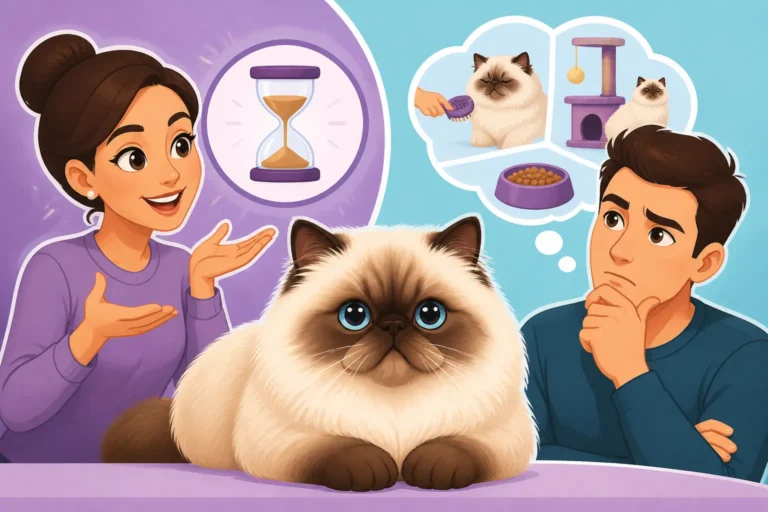
It's easy to focus on the initial purchase price, but any seasoned cat owner will tell you that the true cost of owning a pet unfolds over their lifetime. The purchase price is merely the entry fee to a wonderful journey that typically spans well over a decade for a Himalayan. Over these years, you'll be spending on high-quality food, litter, routine veterinary check-ups, vaccinations, grooming supplies, and toys. Even with a healthier Doll Face, regular preventative care is essential.
For example, a Himalayan's luxuriant coat requires daily combing to prevent mats, and its distinctive facial structure, even if “Doll Face,” still benefits from regular cleaning around the eyes to prevent tear staining. These daily routines add up in terms of time and product cost. Consider premium food options that prioritize fresh, high-quality ingredients to support a healthy coat and overall well-being. When you factor in all these ongoing expenses, the initial difference in price for a Doll Face cat often becomes a smaller percentage of the total lifetime cost. For a comprehensive look at what to expect, consider What Fifteen Years of a Himalayan's Coat and Face Costs.
Verifying a Breeder's Claims
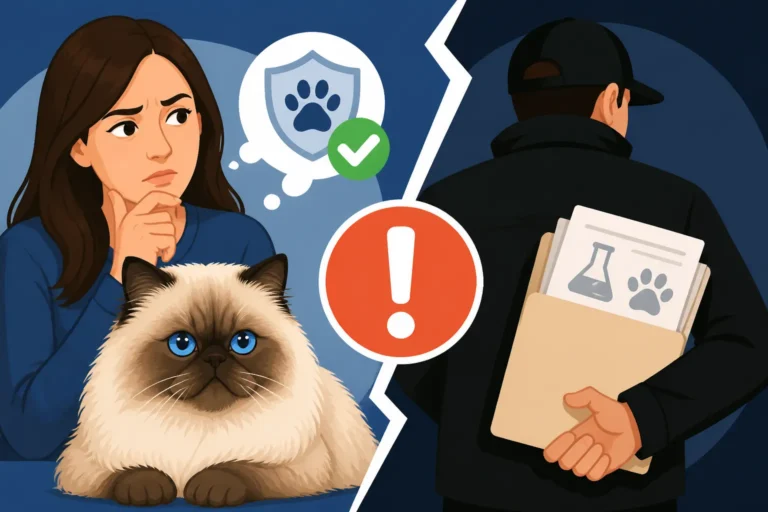
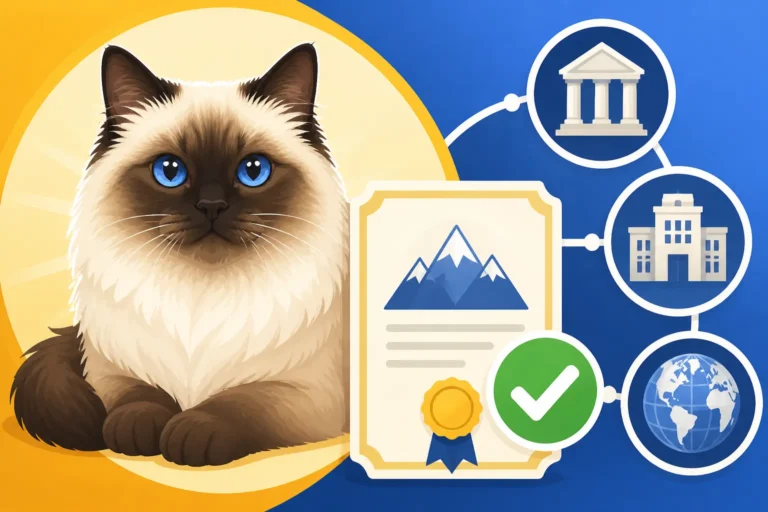
When you're making such a significant investment, it's absolutely paramount to verify a breeder's claims and ensure you're dealing with a reputable source. Don't be afraid to ask questions – a good breeder will welcome them. Insist on seeing documented health clearances for both parents, especially for PKD and PRA. These should be official certificates from a veterinary genetic testing lab, not just a breeder's word. Ask for veterinary references and inquire about their breeding practices, how they socialize their kittens, and what kind of ongoing support they offer.
A transparent breeder will also provide a detailed contract outlining health guarantees, spay/neuter agreements, and what happens if a health issue arises. They should invite you to visit their cattery (though sometimes virtual tours are offered first for biosecurity reasons) or provide ample photos and videos of the kittens and their living environment. Never purchase a kitten from someone who seems evasive, pushes for a quick sale, or won't allow you to see the kitten's parents or its living conditions. Demand to see Which Two Certificates a Himalayan Breeder Owes You, and make sure you know How to Read a Himalayan's PKD Certificate. These steps are crucial to ensure your investment in a Doll Face Himalayan is well-placed and brings you a healthy, happy companion for many years to come.
Disclaimer
This article is for general informational purposes only and does not constitute professional advice. Laws, prices and regulations vary by location and change over time. Consult a qualified professional for guidance on your specific situation.