How Long a Himalayan Breeder Guarantees the Kidneys
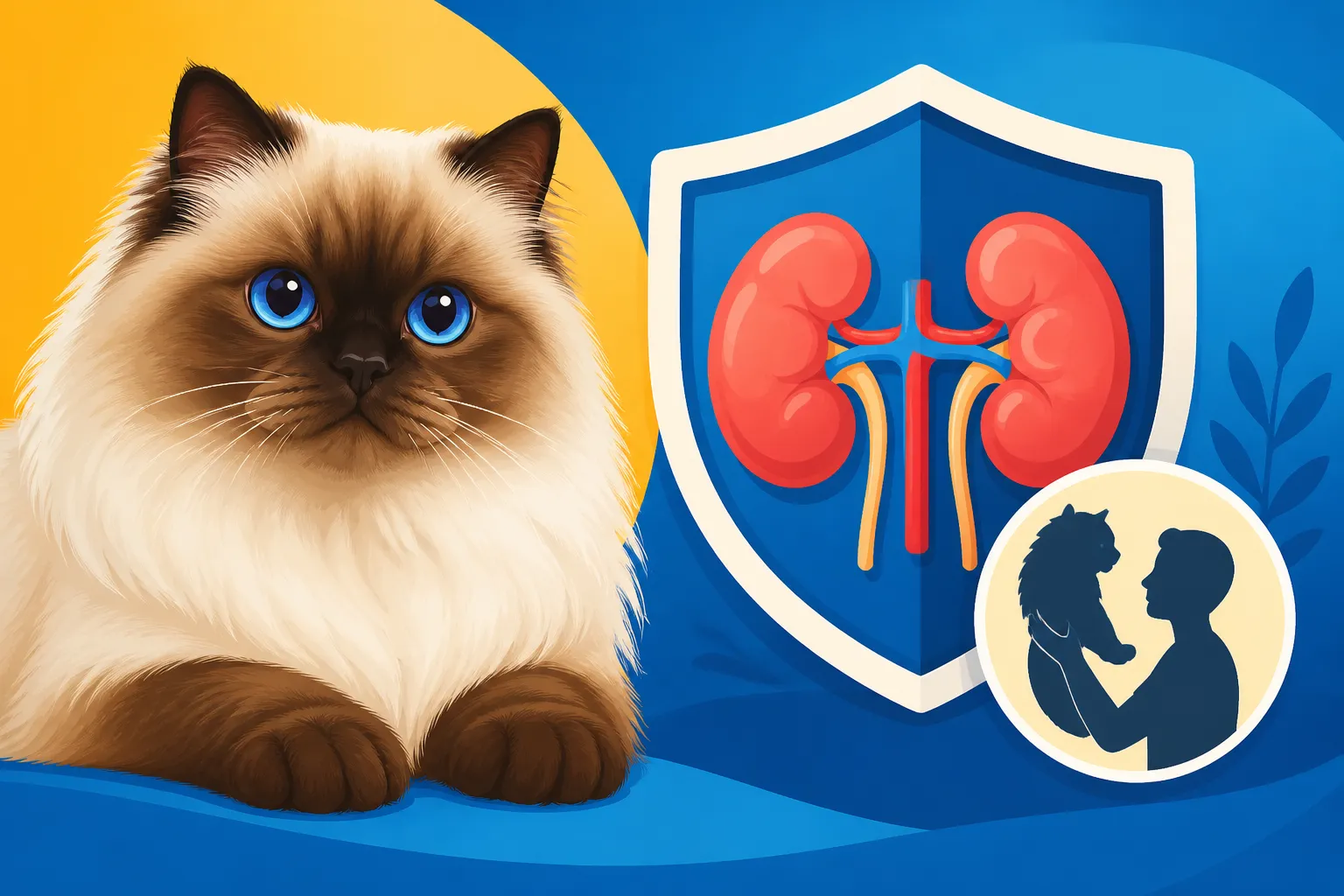
The moment you welcome a Himalayan cat into your home, you're not just getting a beautiful companion with striking blue eyes and a luxurious coat; you're also taking on a profound responsibility for their well-being. One of the biggest worries for any prospective Himalayan owner is the potential for inherited health conditions, particularly Polycystic Kidney Disease (PKD). It’s completely natural to wonder, "How long does a Himalayan breeder actually guarantee their kittens' kidneys?" This guide aims to thoroughly explore the complexities of breeder guarantees regarding PKD, what to look for in a solid agreement, and how to best safeguard your cherished feline friend for years to come.
Understanding Polycystic Kidney Disease PKD in Himalayans
Polycystic Kidney Disease (PKD) is a hereditary condition that casts a long shadow over the Persian breed and, by extension, the beautiful Himalayan, which shares a significant genetic lineage. It's a genetic mutation that causes cysts to form in the kidneys, gradually enlarging over time and eventually leading to kidney failure. The frustrating part is that these cysts can be present from birth, but often don't cause noticeable symptoms until the cat is much older, making early detection and breeder responsibility incredibly important.
The Genetic Reality of PKD in Himalayans
PKD1 is an autosomal dominant genetic condition, which means a cat only needs to inherit one copy of the faulty gene from either parent to develop the disease. This is a crucial point because it means even if one parent is completely clear, if the other carries the gene, there's a 50% chance each kitten will inherit it. This genetic reality means that a breeder who isn't diligently testing their breeding stock is, unfortunately, rolling the dice with every litter. It's not about bad luck; it's about genetics, plain and simple.
The prevalence of PKD in the Persian gene pool was, at one point, quite significant before genetic testing became widely available. Because Himalayans are essentially long-haired, pointed Persians, they inherited this predisposition. Learning about PKD1 Came Down the Persian Side of a Himalayan helps prospective owners understand the historical context of this disease in the breed. Thankfully, responsible breeders today have the tools to eradicate PKD from their lines, but it still requires diligence and transparency.
Why a Breeder's Guarantee Is So Crucial
For anyone investing their heart and finances into a purebred Himalayan, a breeder's guarantee on kidney health isn't just a nice-to-have; it's absolutely essential. Imagine bringing home a sweet, playful kitten, only to face the heartbreaking news years down the line that they're suffering from a painful, incurable genetic disease that could have been prevented. The emotional toll of watching your beloved pet decline is immense, not to mention the significant financial burden of managing chronic kidney disease with specialized diets, medications, and frequent veterinary visits.
A robust guarantee acts as a safety net, offering peace of mind that the breeder stands behind the health of their kittens and has taken all reasonable steps to ensure they are free from known genetic predispositions. It signals a breeder's commitment to ethical practices and their belief in the health of their lineage. Without such a guarantee, you, as the new owner, are left entirely exposed to potential heartbreak and unexpected expenses. It's about more than just money; it's about the well-being of a creature you've brought into your family.
What a Good Breeding Program Entails for Kidney Health
A truly good breeding program for Himalayans prioritizes genetic health above all else, especially when it comes to PKD. This means every breeding cat in their cattery should be tested for PKD before ever being used for breeding. The test itself is relatively simple, often just a cheek swab, and can definitively tell if a cat carries the PKD gene. Understanding Why a Cheek Swab Clears a Himalayan for PKD is valuable here.
A responsible breeder will proudly share the PKD test results for both parents of your potential kitten. They should be "PKD Negative" or "N/N" (meaning no copies of the gene). If they can't or won't provide these certificates, that's a huge red flag. Beyond genetic testing, a strong breeding program often includes regular veterinary check-ups and open communication about any health concerns that may have arisen in their lines, however rare. This commitment to transparency and proactive health management is the cornerstone of preventing inherited diseases like PKD. You can learn more about costs by reading What Testing a Himalayan for PKD and the Eyes Costs.
Navigating Breeder Kidney Guarantees
When you're looking at a breeder's contract, the kidney guarantee section can feel like deciphering legal jargon. It's vital to read it meticulously, asking questions until you fully understand every clause. These guarantees are designed to protect both you and the breeder, but their effectiveness lies entirely in their clarity and comprehensiveness. Don't be shy about asking for explanations – a good breeder welcomes your thoroughness.
Typical Lengths and Terms of Kidney Guarantees
The length of a kidney guarantee for a Himalayan can vary quite a bit from one breeder to another. Many reputable breeders offer a guarantee ranging from one to five years against life-threatening genetic defects like PKD. Some exceptional breeders might even offer a "lifetime" guarantee, though this often comes with specific conditions tied to routine veterinary care and diet. A one-year guarantee is often considered a bare minimum, as early-onset PKD might present within that timeframe, but given that cysts can grow slowly, a longer period offers more reassurance.
The terms typically specify that if your kitten is diagnosed with PKD that significantly impacts their health or leads to kidney failure within the guarantee period, the breeder will offer some form of recourse. This usually requires a confirmed diagnosis from a licensed veterinarian, often backed by an ultrasound scan showing the cysts, and potentially a genetic test. How to Read a Himalayan's PKD Certificate will help you understand what to look for in documentation. It's crucial that the guarantee clearly defines what constitutes a "diagnosis" that triggers the guarantee, and what steps you need to take to inform the breeder.
The Fine Print: What to Look For and Ask About
The devil, as they say, is in the details, and breeder guarantees are no exception. Beyond the length of the guarantee, you need to understand the specifics. Does it cover just the initial diagnosis, or does it cover the cost of treatment? Most guarantees do not cover treatment costs but rather offer a replacement kitten or a partial refund. Ask about:
- Veterinary Confirmation Requirements: What specific diagnostic tests (e.g., ultrasound, genetic test) are required to confirm PKD for the guarantee? Who pays for these tests?
- Timeframe for Notification: How quickly must you notify the breeder after a diagnosis?
- Exclusions: Are there any conditions that would void the guarantee? Common exclusions might include lack of proper veterinary care, obesity, feeding an inappropriate diet, or breeding the cat yourself.
- Geographic Limitations: If you move, does the guarantee still apply?
- Impact of Diagnosis: Does the PKD need to be causing clinical signs, or is a positive genetic test/ultrasound showing cysts enough to activate the guarantee?
It's also important to clarify if the guarantee covers PKD specifically or just "genetic defects" in a broader sense. A specific mention of PKD provides far more confidence. Always ensure the guarantee is in writing and signed by both parties.
| Guarantee Aspect | What to Look For | Questions to Ask Your Breeder |
|---|---|---|
| Duration | 1-5 years, ideally longer; specific for PKD. | What is the exact length of the kidney guarantee? Is it specific to PKD? |
| Coverage Trigger | Confirmed vet diagnosis (ultrasound/genetic test). | What specific diagnostic proof is required for the guarantee? |
| Recourse | Replacement kitten or partial refund clearly defined. | What is the process for a replacement or refund? |
| Exclusions | Clear statement of conditions that void the guarantee. | What actions or lack thereof would void this guarantee? |
| Vet Care Requirement | Proof of annual vet check-ups, appropriate diet. | Are there specific veterinary care requirements to maintain the guarantee? |
| Notification Period | Specific number of days to notify breeder after diagnosis. | How quickly must I notify you if my cat is diagnosed with PKD? |
Understanding Your Recourse: Replacement vs. Refund
Should the unthinkable happen and your Himalayan develops PKD within the guarantee period, most breeders offer one of two main forms of recourse: a replacement kitten or a partial refund.
A replacement kitten means the breeder will provide you with another kitten from a future litter, usually of comparable quality and value. This can be a bittersweet option; while it allows you to bring another lovely Himalayan into your home, it doesn't diminish the grief over the first cat. There might be waiting lists involved, and you'd need to consider if you're ready for another kitten so soon.
A partial refund involves the breeder returning a portion of the purchase price. The percentage can vary greatly, and it's rare for a full refund to be given, especially if the cat has lived with you for several years. This option might provide some financial relief for the initial veterinary costs or the emotional decision to adopt another pet, but again, it doesn't alleviate the emotional toll. Some owners prefer a refund so they can direct funds towards palliative care for their current cat or choose a different breed or rescue cat in the future. Always discuss these options with your breeder at the time of purchase, so there are no surprises down the road.
Beyond the Guarantee: Long-Term Kidney Health Management
While a breeder's guarantee is a fantastic starting point and a testament to their ethical practices, it's really just the beginning of your journey in ensuring your Himalayan's kidney health. As a devoted cat parent, your ongoing vigilance and proactive care will play the most significant role in their long, happy life. Even with a "clear" cat, kidney issues can arise from other factors, and early detection is always your best friend.
Ongoing Monitoring and Early Detection
Even if your Himalayan comes from fully tested, PKD-negative parents, and has a strong guarantee, regular veterinary check-ups are absolutely non-negotiable. Annual wellness exams allow your vet to establish a baseline for your cat's health. As your Himalayan ages, especially past the age of five, your vet may recommend routine blood work and urine tests to monitor kidney function. Changes in thirst, urination, appetite, or energy levels should always prompt a visit to the vet. These subtle shifts can be early indicators of kidney issues, allowing for intervention before the disease progresses too far.
Discussing How a Himalayan's Kidney Numbers Are Tracked From Five with your vet can provide deeper insights into proactive monitoring. Staying on top of your cat's hydration is also key. Many Himalayans, with their flattened faces, can struggle with deep water bowls. Providing wide, shallow bowls or even a cat fountain can encourage more water intake, which is beneficial for kidney health. Consider offering wet food, which provides significant hydration compared to dry kibble.
Supporting a Himalayan with PKD
If, despite all precautions, your Himalayan is diagnosed with PKD or any other kidney condition, your vet will guide you on the best course of action. This typically involves lifestyle adjustments and specialized care. Dietary management is often paramount, with vets prescribing a specific renal diet that is lower in protein, phosphorus, and sodium, and sometimes supplemented with omega-3 fatty acids. These diets are carefully formulated to reduce the workload on the kidneys and slow the progression of the disease.
Your vet might also suggest medications to manage symptoms like nausea, blood pressure, or anemia that can accompany kidney disease. Regular monitoring of blood and urine values becomes even more critical. Learning about Which Renal Diet a Cyst Positive Himalayan Ends Up On is essential if your cat receives this diagnosis. While the diagnosis can be daunting, many cats with kidney disease can lead comfortable lives for years with proper management and a dedicated owner.
Why a Guarantee Is Just the Beginning
Ultimately, a breeder's guarantee is a safeguard, a promise of ethical breeding, and a testament to responsible practices. However, it's not a magic shield against all future health challenges. Your Himalayan's health journey extends far beyond the terms of any contract. It encompasses the daily care, the attention to their behavior, the quality of their nutrition, and the regular veterinary care you provide.
Choosing a reputable breeder who conducts genetic testing and offers a transparent guarantee is an incredibly important first step. But the true commitment to your Himalayan's health lies in your hands as their owner. By educating yourself, staying vigilant, and partnering with your veterinarian, you can offer your beloved cat the best chance at a long, joyful, and healthy life, regardless of any potential inherited predispositions. Many owners find peace of mind by exploring pet insurance options from providers like Healthy Paws, which can help cover unexpected veterinary costs for chronic conditions.
Disclaimer
This article is for general informational purposes only and does not constitute professional advice. Laws, prices and regulations vary by location and change over time. Consult a qualified professional for guidance on your specific situation.