What a Year of Himalayan Eye Wipes Costs
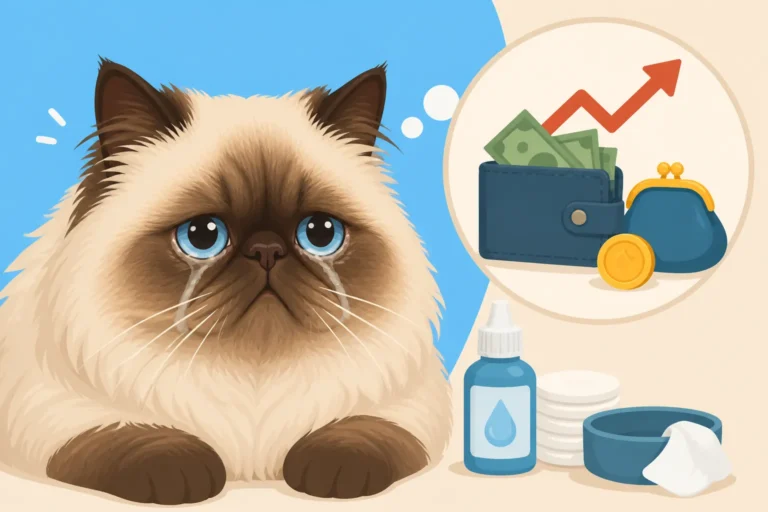
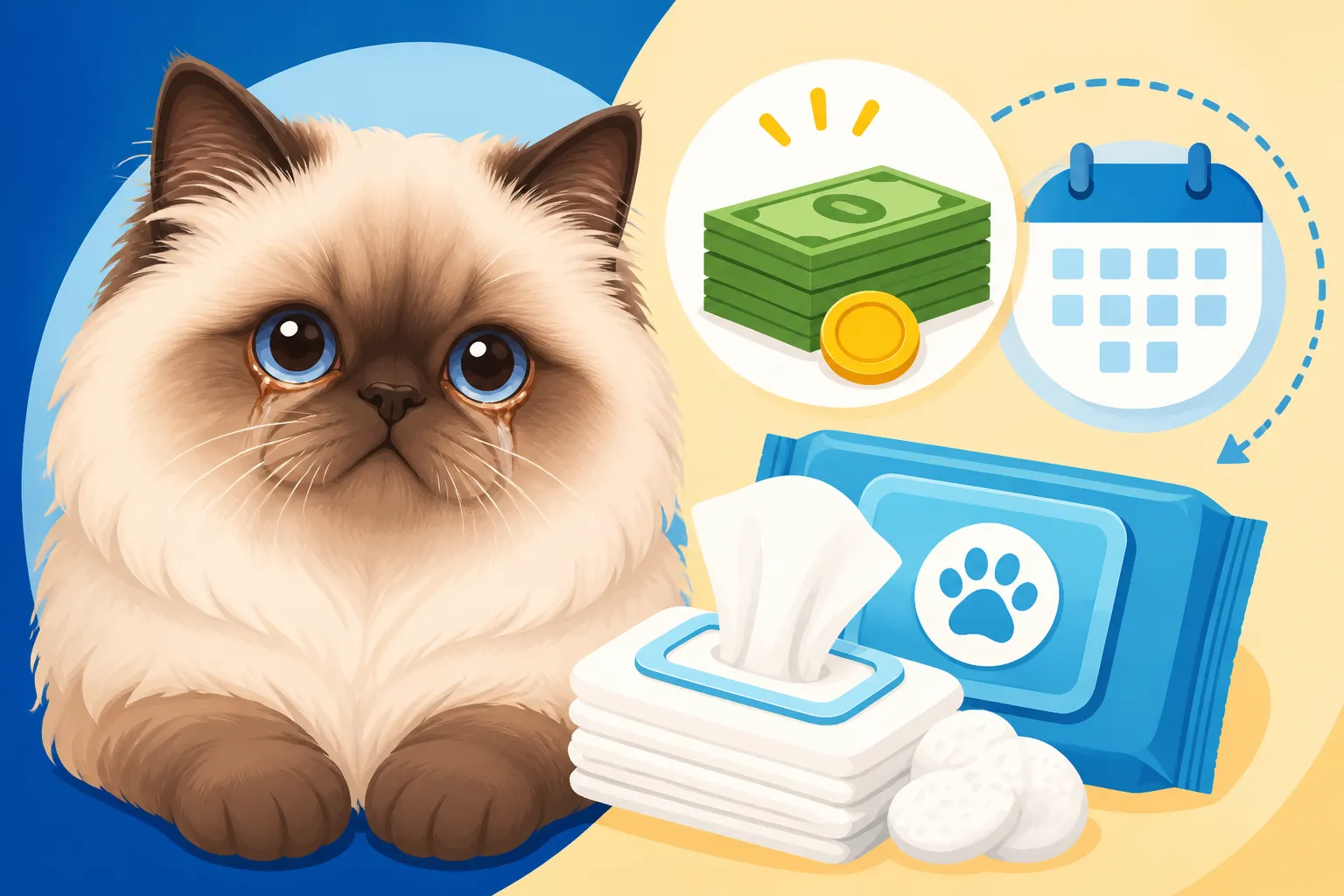
One of the realities of living with a beautiful Himalayan cat, something many new owners don't fully grasp until they're knee-deep in it, is the constant, daily attention their adorable, flat faces require, especially around their eyes. Those big, soulful blue eyes are prone to watering, and if you don't keep on top of it, those lovely pale coats can quickly develop unsightly tear stains and even lead to skin irritation. This guide is all about helping you understand the real financial commitment for keeping your Himalayan's eyes clean and healthy, specifically breaking down what a year of eye wipes and related care truly costs.
Understanding Why Your Himalayan Needs Daily Eye Care
It's not just about aesthetics, though a pristine, stain-free face is certainly a joy to behold. The unique facial structure of a Himalayan means that eye care isn't a luxury; it's an absolute necessity for their comfort and health. Ignoring it can lead to more serious, and expensive, problems down the line.
The Anatomy of a Himalayan's Eyes and Face
Let's be honest, those squishy, charming faces are a huge part of the Himalayan's appeal, aren't they? But that "peke-face" or "doll-face" structure, inherited from their Persian lineage, comes with a trade-off. Their nasal passages are often shorter and their tear ducts can be a bit twisty or even obstructed. This means that tears, instead of draining properly into the nasal cavity, often overflow onto the fur around their eyes and down into the folds of their nose.
Imagine trying to keep your own face perfectly dry all day if your eyes constantly watered – it would be a losing battle! For a Himalayan, this constant moisture creates a breeding ground for yeast and bacteria. Over time, this can lead to red or brownish stains, which are particularly noticeable on lighter-colored Himalayans like a cream or blue point. You'll often notice a marked difference in the amount of moisture and staining depending on whether your cat has more of a What a Peke Face Himalayan's Profile Measures versus a slightly less extreme "doll face." The more pronounced the brachycephalic features, the more diligent you'll likely need to be with cleaning.
The Role of Tear Stains and Potential Issues
Those reddish-brown streaks you might see under your Himalayan's eyes are more than just a cosmetic concern. While the initial "rust color" is often due to porphyrins in the tears (iron-containing molecules), the damp environment quickly invites secondary issues. Bacteria and yeast thrive in this warm, moist setting, leading to deeper, sometimes even black, staining and a distinctly unpleasant odor if left unaddressed. It’s important to understand What Turns a Himalayan's Tear Stains Rust Colored to know what you're dealing with.
Beyond the visible staining, this persistent dampness can irritate the delicate skin around their eyes and in their nose folds, potentially leading to a condition called "fold dermatitis." This is essentially a skin infection that can be quite uncomfortable for your cat and, if it gets severe, will require veterinary attention. Learning to distinguish Telling Ordinary Himalayan Tear Staining From an Infection is a vital skill for any Himalayan owner. Without regular wiping, the accumulation of moisture and debris can also contribute to conjunctivitis or other eye infections, making your cat miserable and adding to your vet bills. It’s a classic case of an ounce of prevention being worth a pound of cure.
Breaking Down the Costs of Himalayan Eye Wipes and Related Supplies
When you commit to a Himalayan, you're committing to a routine. And that routine, inevitably, comes with some costs. Let's look at what you'll typically be spending on to keep those beautiful blue eyes sparkling.
Types of Eye Wipes and Cleaning Solutions
The market offers a pretty wide array of products designed specifically for pet eye care. Navigating these can feel a bit overwhelming at first, but it boils down to a few main categories:
- Pre-moistened Wipes: These are probably the most convenient option, hands down. They come in tubs or individual packets, pre-saturated with a gentle cleaning solution. Many brands offer formulas that claim to remove tear stains and inhibit bacterial growth. You just grab one and wipe. They are excellent for daily maintenance and tackling fresh stains before they set in. However, they can be a bit pricier per wipe than using a liquid solution with cotton pads, and some cats might react to certain ingredients.
- Liquid Cleansers and Solutions: These come in bottles and are applied to cotton pads or balls. This gives you a bit more control over the amount of solution you use, and you can buy bulk cotton pads to save a little. Some solutions are pure saline, while others contain gentle antiseptic ingredients. They are usually more economical in the long run than pre-moistened wipes. You'll want to ensure you're using products that are specifically formulated for feline eyes and avoid anything with harsh chemicals or alcohol. When it comes to finding these, big online retailers like Chewy often have a vast selection, letting you compare ingredients and read reviews to find what works best for your cat's sensitive skin and eyes.
- Dry Cotton Pads/Balls: Sometimes, especially if your cat's eyes are just slightly watery and not yet stained, simply using a dry, soft cotton pad to absorb excess moisture is enough. This is the simplest and cheapest option for minor dampness and can be a good first line of defense.
It's worth experimenting a bit to find what works best for your particular Himalayan. Some cats are more sensitive to certain ingredients, and some stains are tougher than others. The goal is gentle, effective cleaning that doesn't irritate their eyes further. Remember, consistency is key, as highlighted in Why a Himalayan's Face Must Be Wiped Every Day.
Beyond Wipes: Ancillary Costs
While eye wipes are the star of the show, they aren't the only expense involved in maintaining your Himalayan's pristine face. There are other items that often become part of the routine, contributing to the overall annual cost.
- Cotton Pads/Balls: Even if you primarily use pre-moistened wipes, having a stash of plain cotton pads or balls is incredibly useful for drying the area after cleaning, or for applying liquid cleansers. They are relatively inexpensive, especially when bought in bulk.
- Specialized Combs: Sometimes, tears can cause the fine hair around the eyes to clump or mat. A small, fine-toothed comb, often called a "flea comb" or "tear stain comb," can gently tease out these tangles and remove crusty residue without pulling on sensitive skin. These are usually a one-time purchase or replaced infrequently.
- Gentle Shampoos/Face Washes: For Himalayans with more severe staining or those prone to developing gunk in their nose folds, a periodic gentle face wash can be beneficial. These are specially formulated to be safe around the eyes and can help break down stubborn stains. You won't use this daily, but having a bottle on hand for a more thorough clean every few weeks or months is wise. This can be especially important if you're battling How Fold Dermatitis Starts Beside a Himalayan's Nose.
- Protective Ointments/Balms: If your Himalayan's skin gets irritated despite regular cleaning, your vet might recommend a protective barrier cream or ointment. These can help soothe the skin and prevent further irritation from moisture.
- Veterinary Visits for Eye Issues: This is the big wild card. While not a direct cost of wipes, neglecting daily care can certainly lead to medical issues that cost far more than a tub of wipes. Infections, blocked tear ducts requiring flushing, or even entropion (an inward rolling eyelid) can become expensive quickly. You might need medicated drops or ointments, and consultations with the vet. This is where pet insurance, like a policy from Healthy Paws, can really make a difference, helping to cover unexpected medical expenses for conditions related to their unique facial structure, although preventative care is always the best route. Knowing Which Drops Suit a Himalayan's Exposed Blue Eyes from your vet can also be crucial.
Estimating Your Annual Budget for Himalayan Eye Care
So, what does all this add up to in a year? It's not a fixed number, but we can certainly get a good idea of what to expect.
Factors Influencing Your Annual Spend
The exact amount you'll spend on your Himalayan's eye care annually can swing quite a bit depending on several factors unique to your cat and your routine:
- Severity of Tear Staining: Some Himalayans are simply more prone to watery eyes and heavy staining than others. A cat with a very pronounced "peke-face" might need more intensive daily cleaning than one with a slightly longer "doll-face" muzzle. The more severe the staining, the more product you'll likely go through.
- Frequency of Cleaning: While "daily" is generally recommended, some owners might find they need to wipe their cat's eyes twice a day, especially in humid weather or if their cat has a particularly "weepy" day. Others might manage with once a day. This directly impacts how quickly you use up your supplies. Your The Morning Face Routine Every Himalayan Needs will largely dictate consumption.
- Product Choice: As we discussed, pre-moistened wipes tend to be more expensive than liquid cleansers paired with cotton pads. High-end, specialized stain removers can also cost more than basic saline solutions.
- Brand Loyalty: Some owners find a brand that works wonders and stick to it, regardless of cost. Others might shop around for deals or opt for more economical generic options. Some owners also take holistic approaches that factor into eye health indirectly through diet, though direct eye care products are usually separate.
- Incidence of Medical Issues: This is the biggest variable. If your Himalayan develops chronic eye infections, requires tear duct flushing, or needs surgical intervention for issues like entropion, your annual costs will skyrocket due to vet fees, medications, and potential specialist consultations. This underscores the importance of the preventative How Often a Himalayan's Eyes Should Be Examined by a vet.
A Sample Annual Cost Breakdown
To give you a clearer picture, here’s a hypothetical annual breakdown of what you might spend on essential Himalayan eye care supplies. Remember, these are general ranges, and specific prices will vary greatly depending on your location, chosen brands, and how often you need to replenish supplies.
| Item | Estimated Monthly Cost Range | Estimated Annual Cost Range | Notes |
|---|---|---|---|
| Pre-moistened Eye Wipes | $10 – $30 | $120 – $360 | Depends on brand, count per container, and usage frequency. |
| Liquid Eye Cleanser | $5 – $15 | $60 – $180 | Often more economical per application than wipes. |
| Cotton Pads/Balls | $3 – $8 | $36 – $96 | Bulk buys can significantly reduce this cost. |
| Specialized Tear Comb | $0 – $2 | $0 – $24 | Usually a one-time purchase; assume replacement every few years. |
| Gentle Pet Face Wash | $0 – $5 | $0 – $60 | Used periodically, not daily. |
| Total Estimated Annual | $18 – $60 | $216 – $720 | Excludes unexpected vet visits or prescription medications. |
As you can see, the basic supplies for routine daily cleaning might run you a few hundred dollars a year. This doesn't seem too bad when you consider it's an investment in your cat's comfort and long-term health. However, these figures can easily double or triple if you encounter persistent issues requiring prescription eye drops, oral antibiotics, or even specialized veterinary procedures. Sometimes, a vet might even suggest checking How a Vet Grades a Himalayan's Nostrils to see if respiratory issues contribute to tear overflow.
The Value of Prevention and Early Intervention
Here's the real kicker: skimping on daily eye care or ignoring early signs of irritation almost always costs more in the long run. Think of it as a proactive investment rather than a recurring expense. Consistent application of What a Year of Himalayan Eye Wipes Costs might seem like a small line item, but it prevents much larger ones.
If you don't keep the area clean and dry, you risk:
- Severe Dermatitis: This often requires veterinary examination, prescription ointments or antibiotics, and potentially even Elizabethan collars to prevent your cat from scratching and worsening the infection.
- Eye Infections: Bacterial or yeast infections in or around the eye will necessitate vet visits, diagnostic tests, and expensive prescription eye drops or oral medications.
- Discomfort and Pain: Beyond the financial cost, imagine your cat living with constantly irritated, itchy, or infected eyes. Their quality of life plummets.
By dedicating a few minutes each day to your Himalayan's face care, you're not just preserving their beauty; you're actively safeguarding their health and preventing discomfort. This consistent care, along with a good diet and regular veterinary check-ups (which should always include a thorough eye exam), forms the backbone of responsible Himalayan ownership. It truly is one of those areas where diligent daily effort can save you significant stress and expense down the road.
Caring for a Himalayan's eyes isn't just about the cost of wipes; it's about a commitment to their well-being. By understanding the unique needs of their breed, choosing the right products, and committing to a consistent daily routine, you can keep those beautiful blue eyes clear and healthy, ensuring your beloved feline friend lives a comfortable and happy life. It's a small price to pay for such a cherished companion.
Disclaimer
This article is for general informational purposes only and does not constitute professional advice. Laws, prices and regulations vary by location and change over time. Consult a qualified professional for guidance on your specific situation.