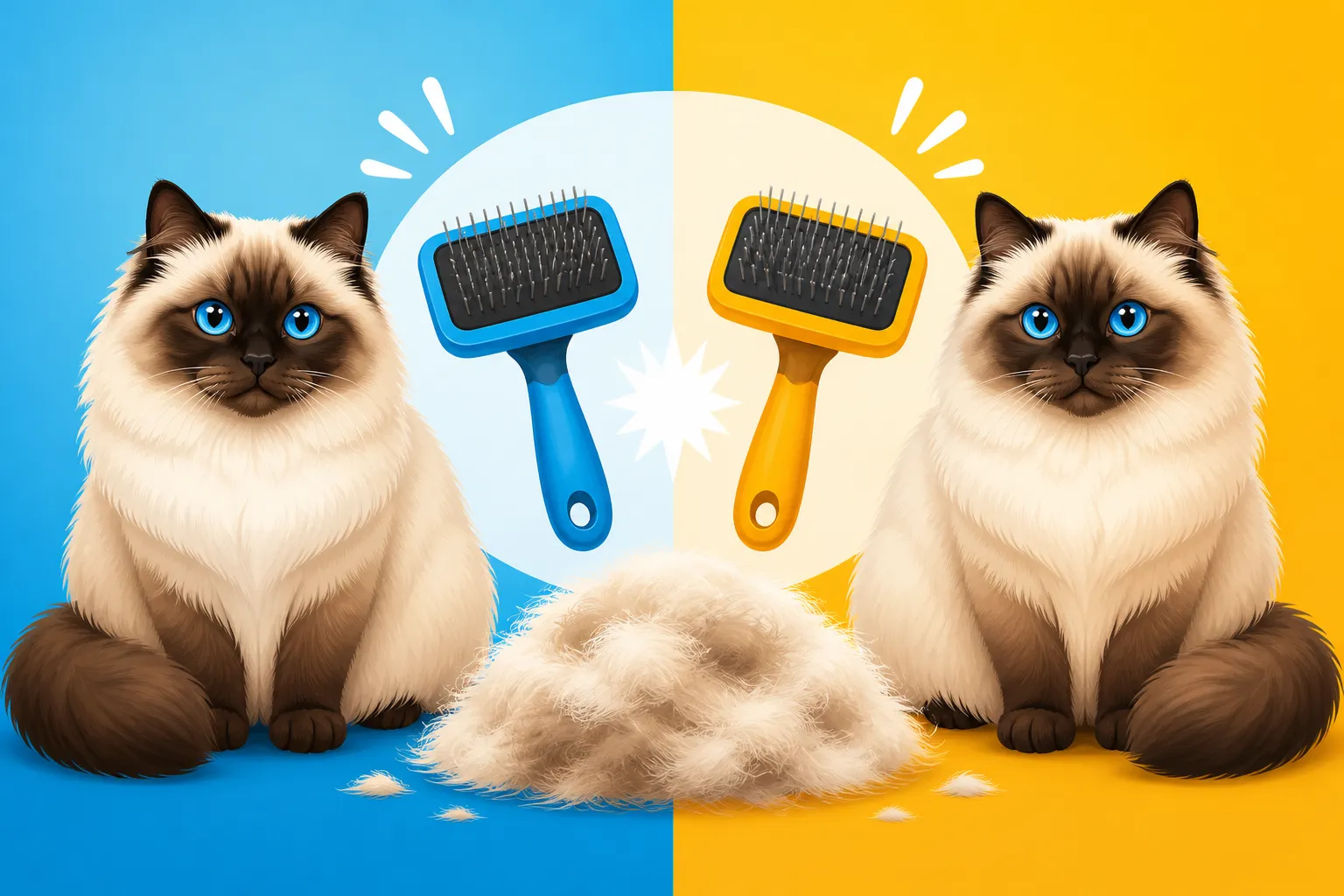
Whether Two Himalayans Double the Combing
Bringing a second Himalayan into your home is often a dream for those of us who adore these fluffy, affectionate creatures. You picture two beautiful, blue-eyed companions napping together, sharing purrs, and generally enriching your life. But then the practical side kicks in, and the nagging question starts: "Does this mean I have to double my combing efforts?" It's a valid concern, because anyone who lives with a Himalayan knows their magnificent coat is both a blessing and, at times, a formidable challenge. This guide will explore the realities of grooming a multi-Himalayan household, breaking down what truly doubles and what might simply feel like it does.
The Reality of Himalayan Grooming: A Single Cat's Needs
Before we even consider a second cat, it's crucial to acknowledge the baseline commitment required for just one Himalayan. These cats are not wash-and-wear companions; their plush, double coats are inherited from their Persian lineage and demand consistent, dedicated attention. Skipping even a day can quickly lead to problems that are much harder to resolve later.
The Daily Commitment for One
Imagine your beautiful single Himalayan. Every single day, you need to set aside time for a thorough combing session. This isn't just a quick run-through with a brush; it's a methodical process. You're working through a thick undercoat that loves to mat, especially in high-friction areas. The majestic ruff around their neck, which makes them look so regal, is a prime candidate for tangles. Then there are the "britches" – the long fur on their hind legs – which can collect anything from litter to food particles. Don't forget the armpits and behind the ears, areas often missed but quick to knot up into painful, tight mats.
A proper daily comb often takes at least 15-20 minutes, sometimes more if you hit a snag. You need to be gentle, patient, and consistent to ensure your cat remains comfortable and cooperative. It's a bonding experience, certainly, but it's also a non-negotiable health routine. Without it, mats can pull on their skin, cause irritation, and even lead to skin infections. You'll likely need a good quality steel comb, perhaps one with both wide and fine teeth, to tackle different areas of their body. Which Steel Comb a Himalayan's Coat Needs is an excellent resource for choosing the right tools.
More Than Just Brushing
Grooming a Himalayan isn't solely about the coat, either. Their distinctive flat faces, a hallmark of the breed, come with their own set of daily requirements. Many Himalayans experience tear staining due to the structure of their eyes and nasal ducts. This means a daily face-wiping routine is absolutely essential to prevent unsightly rust-colored streaks and, more importantly, to keep the delicate skin around their eyes clean and healthy. The Morning Face Routine Every Himalayan Needs details how to do this effectively.
Their crowded mouths, a consequence of their shortened jaw, also require regular attention. Dental issues are unfortunately common, so brushing their teeth, or at least ensuring they have dental-friendly options, is another layer of care. And let's not forget trimming their claws, especially since many Himalayans aren't avid scratch post users, preferring to save their energy for napping. Each of these tasks adds a few minutes here and there, accumulating into a significant chunk of your daily feline care schedule.
Does a Second Himalayan Truly Double the Work?
This is the million-dollar question for many prospective multi-Himalayan owners. Logically, two cats mean two sets of paws, two coats, two faces. So, yes, the basic mathematical answer is that it should double the work. But the reality is often more nuanced than that.
The "More Than Double" Argument
Sometimes, it can feel like more than double. Why? Because you're no longer just dealing with a single cat's schedule and personality. You're now managing two distinct individuals, each with their own grooming tolerance, preferred time of day, and propensity for mats.
Imagine you've just finished combing your first Himalayan, Fluffy, who tolerated it with a few purrs and biscuit-making. You put your comb down, ready to tackle Mittens. But Mittens saw Fluffy get combed, and now she's wary, hiding under the bed. Or maybe Mittens has a much denser coat, or is more prone to mats, or simply hates being handled. Now you're not just combing, you're negotiating – and that takes extra time and mental energy.
Furthermore, a second cat means double the potential for a grooming crisis. If one cat develops a stubborn mat that needs professional attention, you still have the other cat's daily grooming to maintain. If both happen to hit a "matting phase" simultaneously, perhaps due to seasonal shedding or a change in diet, you could find yourself overwhelmed. The logistical dance of making sure both get their turn, without one feeling neglected or the other feeling pressured, adds a layer of complexity that feels more exponential than linear. And if one of them is prone to accidents or getting into sticky situations, like knocking over a plant, that could easily mean two coats needing extra spot cleaning.
The "Less Than Double" Argument
Conversely, there are aspects where adding a second Himalayan might not feel like a full doubling of effort, or where you can find efficiencies. Once you have all your grooming tools out – the combs, the wipes, the treats, maybe a grooming table – the setup time is pretty much the same whether you're grooming one or two. You're already in the "grooming zone."
Many owners find that having two cats on a similar schedule helps. If both cats learn that "after breakfast is comb time," they might even queue up. Some cats, especially if raised together, can even find comfort in each other's presence during grooming, making the experience less stressful overall. You might also find ways to multitask; for instance, while one cat is getting their teeth brushed, the other might be happily accepting a quick facial wipe.
The sheer joy of having two Himalayans often makes the extra work feel less burdensome. Their playful interactions, their shared naps, and the way they enhance each other's presence can be incredibly rewarding. How Two Himalayans Divide the Warm Spots often illustrates their harmonious coexistence. The companionship they offer each other can also lead to a more settled and content household, potentially reducing destructive behaviors that might arise from loneliness or boredom in a single cat.
The Impact of Personality and Coat Type
It's vital to remember that not all Himalayans are created equal, even within the same litter. One might have a gloriously thick, long coat that mats easily, while another has a slightly less dense, more manageable one. One might adore being groomed, purring through the entire session, while the other tolerates it grudgingly.
| Trait / Task | One Himalayan (Estimate) | Two Himalayans (Estimate) | Notes |
|---|---|---|---|
| Daily Combing | 15-20 minutes | 30-45 minutes | Can be more if coats are very different or cats are uncooperative. |
| Face Wiping | 2-3 minutes | 4-6 minutes | Straightforward doubling. |
| Nail Trimming (Weekly) | 5-10 minutes | 10-20 minutes | If done regularly, can be quick. |
| Teeth Brushing (Daily) | 2-3 minutes | 4-6 minutes | Requires separate brushes. |
| Litter Scooping | 5 minutes | 7-10 minutes | Marginal increase in time, but more waste. |
| Feeding Routine | 5 minutes | 5-10 minutes | Depends on separate bowls, special diets. |
| Vet Visits (Annual) | 1-2 hours (per cat) | 2-4 hours (combined) | Logistical challenge of getting two cats to the vet. |
| Play/Attention | 15-30 minutes | 30-60 minutes | Crucial for bonding and enrichment; often individual sessions. |
If you're lucky, your two Himalayans might both have relatively easy-care coats and docile personalities. If you're less lucky, you might have one high-maintenance groomer and one who dislikes being touched. This variability means that the actual grooming burden can fluctuate significantly. Before committing to a second cat, spend some time observing their personalities if possible, or discuss it extensively with your breeder. They might have insights into litter tendencies for coat density or temperament, which can prepare you. Remember, prevention is key, and addressing mats as soon as they appear will always be less work than trying to comb out a felted mess. If grooming issues get out of hand, a visit to the vet might be needed, and a pet insurance policy like those offered by Healthy Paws can help manage unexpected costs.
Strategies for Managing Multiple Himalayan Coats
So, you're committed to two (or more!) of these fluffy bundles of joy. Fantastic! The good news is that with the right strategies, managing multiple Himalayan coats is entirely doable. It just requires organization, consistency, and a little bit of creative scheduling.
Establishing a Grooming Routine for Two
The key here is a consistent schedule. Try to groom both cats around the same time each day, ideally when they are naturally relaxed – perhaps after a meal or a quiet nap. Create a designated "grooming station" where you have all your tools ready. This could be a sturdy table with a non-slip mat, or even just a specific spot on the floor.
Make grooming a positive experience. Start with short sessions, especially when they're kittens. Use plenty of praise and high-value treats. You can find excellent treat options from places like Chewy that will help make grooming a more enjoyable experience. If one cat is more amenable to grooming, start with them. The other cat might observe and learn that it's not so bad. If you have two people in the household, consider tackling them simultaneously, each person grooming one cat. This cuts down on overall time and prevents one cat from waiting too long.
Essential Tools and Supplies for a Multi-Himalayan Household
Having the right tools is paramount. For two Himalayans, you'll want:
- Multiple Steel Combs: Having a couple on hand means you're not constantly searching for "the good one." One fine-toothed, one wider-toothed.
- Detangling Spray: This can be a lifesaver for working through minor tangles without causing discomfort.
- Gentle Eye Wipes: Keep a good stock of these.
- Nail Clippers: Again, having a backup isn't a bad idea.
- Grooming Table (Optional but Recommended): A dedicated table helps you maintain a comfortable posture and keeps the cat contained.
- Treats: Lots of them!
- A good vacuum cleaner: Because the amount of glorious fur will definitely double!
Make sure all your tools are clean and in good working order. A dull comb or dirty clippers make the job harder and less comfortable for your cats. Consider stocking up on grooming essentials from online retailers like Chewy to ensure you always have what you need on hand. Which Grooming Tools a Himalayan Owner Cannot Skip offers a more detailed list of must-haves.
When to Call in Professional Help
Sometimes, despite your best efforts, a mat happens. Or perhaps you're going on vacation, or a busy period at work means your schedule is tighter than usual. This is where professional groomers come in. Don't feel guilty about calling for backup! A professional groomer has the expertise, tools, and often a calm demeanor to tackle stubborn mats or give your Himalayans a full-body trim, like a lion cut, to help manage their coat during warmer months.
Many owners opt for a professional groomer every few months, even with diligent daily combing, just to keep the coat in top condition. This can be especially helpful for older Himalayans who might struggle to groom themselves as effectively. Why a Matted Himalayan Becomes a Medical Case underscores the importance of addressing mats quickly, and a professional groomer can be a vital part of that solution.
Beyond Combing: Other Doubled Responsibilities
While the coat grooming is often the most significant concern, it's important to consider all the other aspects of cat care that will, indeed, double or at least substantially increase when you bring home a second Himalayan.
Feeding and Litter Box Logistics
Two hungry Himalayans mean twice the food. While some might free-feed, many prefer a structured mealtime. If one cat has specific dietary needs (perhaps a sensitive stomach or is on a weight management diet), managing two separate meal plans can be tricky. Look into high-quality food options that can be customized to individual needs. You'll need more bowls, of course, and you'll want to ensure they're appropriately shaped for a flat-faced cat. Which Bowl Shape a Flat Faced Himalayan Can Use is a good resource here.
Litter boxes are another consideration. The general rule of thumb is one litter box per cat, plus one extra. So, for two Himalayans, you're looking at needing three litter boxes. This means more scooping, more litter consumption, and more maintenance to keep things fresh and hygienic. How Much Litter One Himalayan Gets Through will give you an idea of the increased volume. Ensure the boxes are appropriately sized and have low sides for their cobby bodies and shorter legs.
Vet Care and Health Monitoring
Every cat needs regular veterinary check-ups, vaccinations, and parasite control. With two Himalayans, you'll naturally have double the vet bills, double the appointments, and double the potential for health issues. It's not just the routine stuff; should one cat fall ill, you have two pets whose health you need to monitor, and potentially two who need medication or special care.
This is where pet insurance can be a huge relief. Companies like Healthy Paws offer various plans that can help offset the costs of unexpected illnesses or injuries, which become statistically more likely when you have more pets. Discussing the potential health issues common to Himalayans, like PKD or respiratory concerns, with your vet is also crucial. What a Himalayan's Yearly Bloods Should Cover After Eight gives insight into ongoing health monitoring, which will naturally apply to both your cats.
Attention, Play, and Affection
While two Himalayans will certainly keep each other company, they still need individual attention, play, and affection from you. Himalayans are known for being affectionate and somewhat dog-like in their devotion to their chosen person. Why a Himalayan Picks One Person to Follow illustrates this bond. You'll need to make time for one-on-one cuddles, play sessions with wand toys, and quiet lap time for each cat. This doesn't necessarily double the time you spend interacting with cats, but it does mean ensuring both are getting their fair share of your devoted attention.
The joy of a multi-Himalayan household is immense. Yes, the responsibilities, particularly grooming, will increase. But with preparation, a solid routine, and a generous dose of love and patience, managing two magnificent Himalayans is a truly rewarding experience. The purrs, the cuddles, and the sheer beauty they bring into your home often far outweigh the extra effort.
Disclaimer
This article is for general informational purposes only and does not constitute professional advice. Laws, prices and regulations vary by location and change over time. Consult a qualified professional for guidance on your specific situation.