Why a Sitter Has to Learn a Himalayan’s Face and Comb Routine
Leaving your precious Himalayan in the care of someone else, even for a short trip, can be a real source of anxiety. It’s not just about making sure they get fed and have fresh water; a Himalayan has unique daily needs that aren't apparent to the casual observer, and finding a cat sitter who truly understands their delicate face and dense coat is absolutely essential for their health and happiness while you’re away. This guide will walk you through why this specialized knowledge is crucial and how to ensure your sitter is prepared.
The Unique Daily Demands of a Himalayan's Face
The most striking feature of a Himalayan cat is its beautiful, distinctive face, which unfortunately also comes with a unique set of care requirements. Unlike many other breeds, their flattened facial structure, a trait inherited from their Persian lineage, means they often struggle with tear drainage and keeping their facial folds clean. A sitter needs to be intimately familiar with these challenges.
Why the Flat Face Needs Daily Attention
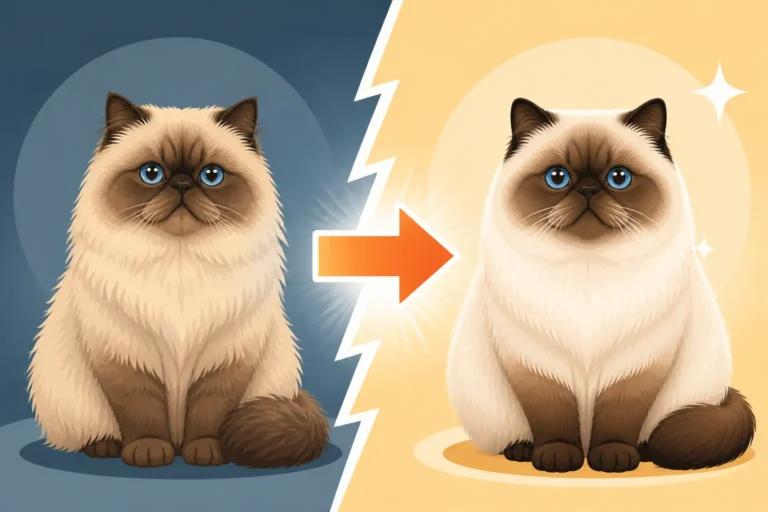
Those gorgeous, round, blue eyes of a Himalayan often produce more tears than their tear ducts can comfortably drain. This isn't usually a sign of distress, but rather a characteristic of their breed. These tears tend to collect in the folds around their nose and eyes, and if not wiped away regularly, they can become a breeding ground for bacteria and yeast. You might notice rust-colored stains, especially on lighter-colored Himalayans like cream or blue points. This discoloration isn't just cosmetic; it indicates a damp environment that can quickly lead to skin irritation and infection.
Imagine leaving your cat for a week with a sitter who just thinks, "Oh, a little wetness, no big deal." By the time you return, that dampness could have progressed from a minor stain to a painful patch of dermatitis. The skin in these folds is delicate, and constant moisture can break it down, causing discomfort and potentially requiring veterinary intervention. It's a daily, non-negotiable task to gently clean and thoroughly dry these areas, often with specific wipes or a soft, damp cloth followed by a dry one. This simple act can prevent a cascade of issues. For more on this, you might find Why a Himalayan's Eyes Water All Day helpful.
The Importance of a Clean Face for Health
Beyond preventing unsightly tear stains, maintaining a clean face is vital for a Himalayan's overall health and comfort. The skin folds around their nose and under their eyes are prone to a condition called "fold dermatitis" if neglected. This is where bacteria and yeast thrive in the warm, moist environment, leading to inflammation, itching, and sometimes a foul odor. It can be incredibly uncomfortable for your cat, making them rub their face excessively or become withdrawn.
A sitter needs to understand not just how to wipe, but what they are looking for. Are the eyes clear, or is there any discharge that looks unusual? Is the skin in the folds red or irritated? Are the nostrils clear and open, or is breathing sounding more labored than usual? These are all observations that a knowledgeable sitter, trained in your cat's specific routine, can make. Early detection of any issues means faster treatment, preventing a minor irritation from becoming a full-blown infection. Ensuring a sitter is alert to these subtle changes is paramount, and if any concerns arise, prompt communication or a vet visit might be necessary. Having pet insurance, like a plan from Healthy Paws, can certainly alleviate some of the stress of unexpected vet bills if something does come up while you're away.
The Non-Negotiable Daily Combing Routine
If you own a Himalayan, you know their coat is a thing of beauty – and a beast to maintain. Their luxurious, long, double coat is incredibly prone to matting, and skipping even a day or two of grooming can lead to uncomfortable, painful tangles. A cat sitter who doesn't respect this daily ritual is simply not the right fit for your fluffy friend.
Understanding the Himalayan's Double Coat
The Himalayan inherited its stunning long, dense double coat from its Persian ancestors. This means they have a soft, woolly undercoat beneath a longer, coarser outer guard coat. While beautiful, this combination is a magnet for mats. Shed hair gets trapped within the undercoat, quickly forming tight tangles, especially in high-friction areas like under the armpits, behind the ears, on their "britches" (the long fur on their hind legs), and around their ruff.
These aren't just cosmetic knots; mats pull on the skin, causing discomfort and pain. They can restrict movement, hide skin infections, and even lead to severe skin tears if left untreated. Imagine having your hair constantly tugged tight – that's what a cat with mats experiences. It's why the daily comb isn't a suggestion; it's a critical part of their well-being. A sitter needs to appreciate the sheer volume and texture of this coat and understand how quickly a small tangle can become a massive, painful mat if ignored. Many owners find What a Himalayan's Coat Should Feel Like in the Ring useful in understanding the ideal coat texture.
The Specific Combing Technique Required
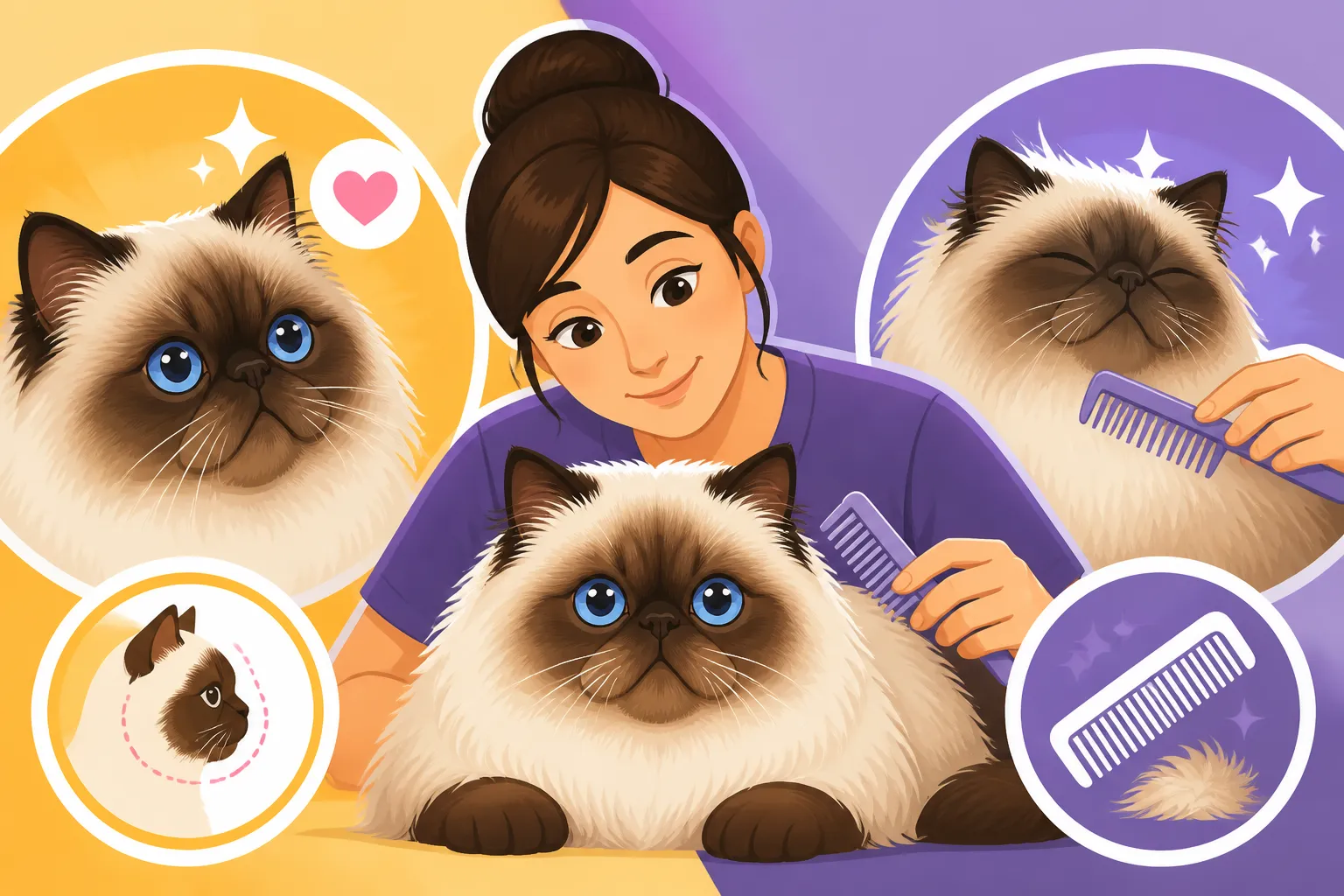
Combing a Himalayan isn't a quick once-over with any brush. It requires specific tools and techniques. A good quality metal comb with both wide and narrow teeth is indispensable. The process involves systematically combing through the entire coat, section by section, starting from the skin and working outwards. You can't just skim the surface; you have to feel for nascent tangles and gently work them out with your fingers before using the comb.
A sitter must be taught how to do this gently but thoroughly. Forcing a comb through a tangle will hurt the cat and make future grooming sessions a battle. They need to understand the cat's comfort levels, know where the common problem areas are, and be patient enough to address them all. They also need to know that a slicker brush, while good for removing loose surface hair, doesn't penetrate the dense undercoat and won't prevent mats from forming deep down. This deep combing, often taking 15-30 minutes, is what keeps your cat comfortable and healthy. It's a hands-on task that requires dedication, and shortcuts are simply not an option. For more on grooming tools, see Which Steel Comb a Himalayan's Coat Needs.
Training Your Sitter for Himalayan Care
You can't just hand a cat sitter the keys and a bag of food. For a Himalayan, a detailed training session is paramount. This isn't about being overprotective; it's about safeguarding your cat's health and ensuring continuity of care.
Providing Detailed Instructions and Demonstrations
Before you ever leave, you need to dedicate time to thoroughly train your chosen sitter. This involves more than just a quick chat. Provide a written, step-by-step guide for both the facial cleaning and the combing routine. Include specific products to use, like the brand of tear stain wipes you prefer (many owners rely on products found on Chewy for consistency), or the particular comb that works best for your cat. Crucially, you need to demonstrate these routines, ideally with your cat present. Let the sitter practice while you supervise, offering pointers and corrections.
This hands-on experience is invaluable. Show them exactly how you hold your cat, how you gently lift the facial folds, and the pressure you apply when wiping. For grooming, demonstrate how to section the fur, how deep to comb, and how to gently tease out any minor tangles. Explain the typical duration of each task. It's also wise to include details about their feeding schedule, including any specific food or dietary restrictions, and where treats are kept. Remember, even the most well-meaning sitter can make mistakes if they aren't properly informed and trained.
Recognizing Red Flags and When to Contact You/Vet
A good sitter for a Himalayan isn't just a task-doer; they're an observer. They need to be keenly aware of your cat's normal behavior, breathing patterns, and physical condition. Explain to them what constitutes a "red flag" for your cat. This might include:
- Changes in breathing: Is your Himalayan suddenly breathing heavier, snoring more loudly, or panting excessively? This can be a serious sign of overheating or respiratory distress due to their flattened face. When a Himalayan's Open Mouth Breathing Needs a Vet covers this in more detail.
- Facial irritation: Any excessive redness, swelling, or discharge around the eyes or nose folds.
- Grooming refusal: If your cat is usually amenable to grooming but suddenly becomes resistant or aggressive, it could indicate pain from a mat or an underlying health issue.
- Lethargy or appetite changes: A sudden decrease in activity or refusal to eat could signal illness.
- Litter box changes: Any significant changes in urination or defecation patterns.
Provide clear instructions on when to contact you, when to call your vet, and what to do in an emergency. Ensure they have access to your vet's contact information, your emergency contact, and details of your pet insurance policy. It's about empowering them to act decisively when needed, giving you immense peace of mind.
| Care Task | Why It's Crucial for Himalayans | Sitter's Role | Consequences of Neglect |
|---|---|---|---|
| Face Wiping | Prevents tear stains, bacterial/yeast infections in facial folds. | Daily gentle wiping and thorough drying of eye and nose fold areas. | Severe dermatitis, painful skin infections, corneal irritation. |
| Daily Combing | Prevents matting, skin irritation, and hides skin issues. | Systematic, gentle combing from skin out, focusing on problem areas. | Painful mats that pull on skin, restrict movement, require sedation for removal. |
| Breathing Monitor | Flat face predisposes them to respiratory issues and overheating. | Observe for heavy breathing, snoring, panting; ensure access to cool spots. | Overheating, respiratory distress, potentially life-threatening emergencies. |
| Eating Habits | Flat face can make eating difficult; prone to obesity. | Ensure proper bowl type is used, monitor appetite and food intake. | Food spillage, difficulty eating, dehydration, rapid weight gain or loss. |
| Litter Box Care | Long coat can pick up litter; cleanliness is key. | Frequent scooping, appropriate litter type, monitor for changes in elimination. | Coat contamination, discomfort, reluctance to use box, urinary tract issues. |
The Peace of Mind a Knowledgeable Sitter Brings
Entrusting your Himalayan to a sitter is a big deal. When you find someone who genuinely understands and is willing to learn their specific needs, it transforms your travel experience from one riddled with worry to one filled with genuine peace of mind.
Ensuring Your Himalayan's Well-being While You're Away
The comfort and health of your Himalayan are directly tied to consistent, meticulous care. A sitter who is well-versed in the daily face wiping and combing routine ensures that your cat doesn't suffer from preventable discomforts like inflamed skin or painful mats. They will notice if your cat's breathing sounds a little off, or if their appetite has waned, allowing for timely intervention. This attention to detail isn't just about avoiding problems; it's about maintaining your cat's baseline comfort and happiness.
Imagine returning home to a cat that is still purring, still pristine, and hasn't developed a single mat or a red tear stain. That's the outcome of a sitter who takes their role seriously and has been properly educated. It means your cat experiences minimal disruption and discomfort, which is especially important for a breed that thrives on routine and calm. This thorough care also mitigates the risk of escalating minor issues into veterinary emergencies, saving you stress and potential expense.
Disclaimer
This article is for general informational purposes only and does not constitute professional advice. Laws, prices and regulations vary by location and change over time. Consult a qualified professional for guidance on your specific situation.