Why a Himalayan Bred by a Persian Cattery Costs More
It’s a common moment of confusion for anyone looking to bring a beautiful Himalayan cat into their home: you’re browsing breeders, comparing prices, and then you see it—a Himalayan from a "Persian cattery" carrying a significantly higher price tag. It can feel like a riddle, especially when you consider that a Himalayan is, well, a Himalayan! This guide is here to unravel that mystery, explaining precisely why the lineage and breeding practices of a dedicated Persian cattery often translate to a higher initial investment for your cherished pointed companion.
Understanding the Himalayan's Place in the Persian World
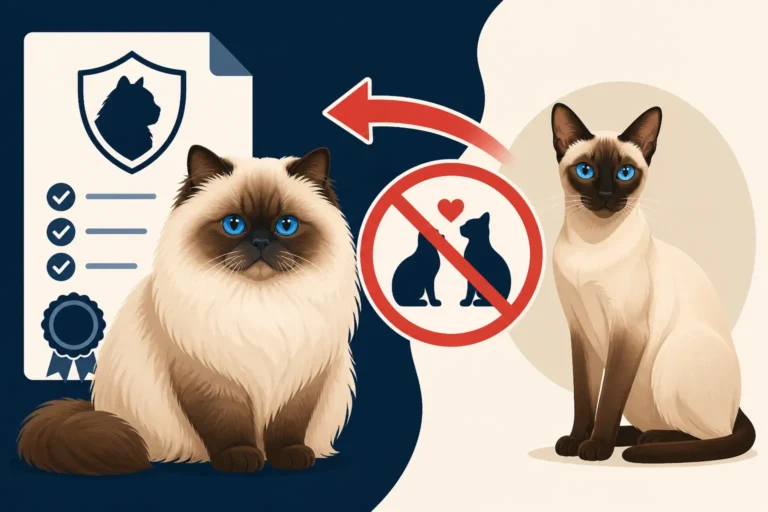
One of the biggest sources of bewilderment for prospective Himalayan owners is the seemingly dual identity of the breed itself. For many years, the Himalayan was recognized as its own distinct breed, celebrated for its unique combination of Persian-like features and Siamese color points. However, the cat fancy world, particularly in North America with associations like the Cat Fanciers' Association (CFA), eventually decided to fold the Himalayan into the Persian breed group. This means that, on paper, many Himalayans are officially registered as "Colorpoint Persians." This historical merging fundamentally impacts why a Persian cattery's Himalayan might cost more.
The Legacy of the 1984 CFA Decision
When the CFA made the landmark decision in 1984 to integrate Himalayans into the Persian breed, it wasn't just a bureaucratic change; it was a philosophical shift. It effectively stated that a Himalayan is a Persian, just one with a specific color pattern. Breeders of Himalayans within the CFA system then had to adhere to the rigorous Persian breed standard in every aspect except for the color. This meant aiming for the same cobby body, round head, small ears, and plush coat density as a solid-colored Persian. This adherence to the overarching Persian standard requires specific breeding choices and a deep understanding of Persian genetics and conformation. You can learn more about this by reading Why CFA Folded the Himalayan Into the Persian in 1984.
This integration meant that many dedicated Persian breeders, who already had generations of experience perfecting the Persian "type," began to incorporate the Himalayan (colorpoint) gene into their lines. They weren't just breeding "Himalayans"; they were breeding "Persians with points." This nuanced approach demanded that the kittens produced not only displayed the correct point coloration but also exemplified the classic Persian conformation that their cattery was known for. This level of commitment to the comprehensive breed standard inherently adds to the breeder's investment in their lines, from selecting breeding stock to exhibiting their cats.
TICA's Separate Path and Breeder Standards
While CFA categorizes Himalayans as a division of Persians, other organizations, like The International Cat Association (TICA), maintain the Himalayan as a distinct breed. This can add another layer of complexity for buyers. A Persian cattery that breeds Himalayans might choose to register their cats with both organizations, or focus solely on CFA's Persian standards, knowing that the quality they produce will be recognized across the board for its excellence. Regardless of the specific registry, a cattery that adheres to the highest standards, regardless of the classification, is investing in the overall health, temperament, and conformity of their animals. This dual recognition, or adherence to the more stringent Persian standard, requires a broader genetic understanding and more careful selective breeding.
Consider a breeder who has spent decades refining their Persian lines, consistently producing champions with impeccable structure and health. When they decide to introduce the colorpoint gene to create Himalayans, they are not starting from scratch. They are applying their established expertise and genetic knowledge to this new color pattern. This background of proven quality and commitment to the breed standard, whether it's for a traditional Persian or a Colorpoint Persian, contributes directly to the higher price of their kittens. It's the difference between buying a car from a general dealer and one from a specialist known for meticulous craftsmanship.
The Cost of Comprehensive Health Testing and Genetic Screening
One of the most significant factors contributing to the higher cost of a Himalayan from a reputable Persian cattery is the unwavering commitment to extensive health testing and genetic screening. This isn't just a nicety; it's an absolute necessity for ethical breeding and ensuring the long-term well-being of the kittens. Many of the health concerns that can affect Himalayans are inherited from their Persian lineage, making rigorous testing paramount.
Screening for Polycystic Kidney Disease (PKD1)
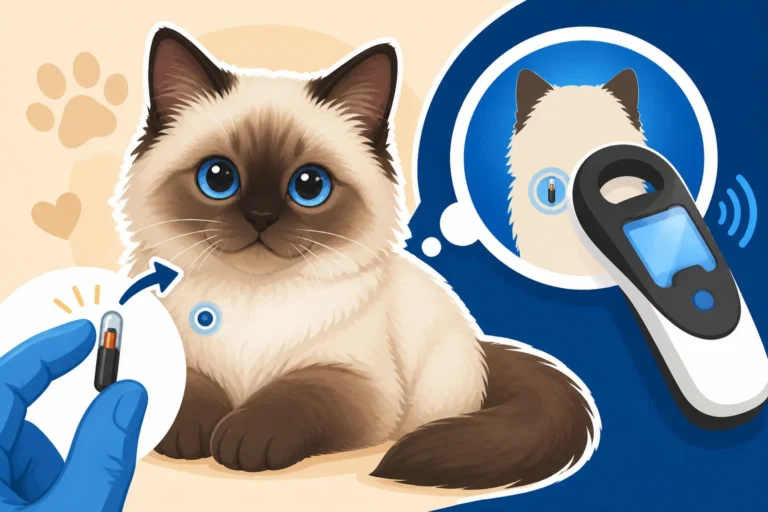
Polycystic Kidney Disease (PKD1) is perhaps the most well-known inherited condition affecting Persian and, by extension, Himalayan cats. It's a devastating disease that causes cysts to form in the kidneys, eventually leading to kidney failure. A responsible Persian cattery will always test their breeding stock for the PKD1 gene. This is typically done through a simple DNA cheek swab, and breeders can easily clear their lines of this condition. PKD1 Came Down the Persian Side of a Himalayan explains how this disease specifically came from the Persian side of the Himalayan.
The cost of these genetic tests, while not exorbitant per cat, adds up when a cattery maintains multiple breeding animals, replacements, and takes responsibility for ensuring every kitten sold is from tested parents. A breeder charging more for their Himalayans is likely absorbing these costs, ensuring that you receive a kitten free from the risk of inheriting this particular genetic time bomb. They can often provide you with verifiable certificates for both parents. This peace of mind, knowing your kitten has a much lower risk of developing such a painful and expensive condition later in life, is invaluable.
Eye and Heart Health: More Than Just Blue Eyes
Beyond PKD, reputable Persian catteries are also vigilant about other potential inherited conditions, particularly those affecting eye and heart health. Progressive Retinal Atrophy (PRA) is another genetic condition that can lead to blindness in cats, and like PKD, it's often traceable through genetic testing. Similarly, Hypertrophic Cardiomyopathy (HCM), a thickening of the heart muscle, can affect Persians and their Himalayan descendants. While HCM is more complex to test for, often requiring regular echocardiograms by a veterinary cardiologist, responsible breeders will screen their lines and make breeding decisions to minimize risk.
When a breeder invests in these screenings – the vet visits, the specialized tests, the potential removal of affected cats from their breeding program – those costs are naturally reflected in the price of their kittens. They are not simply selling a cat; they are selling a cat with a health history, backed by proactive measures to ensure its vitality. This foresight and dedication translate into fewer heartbreaking vet bills and a longer, healthier life for your furry family member. Which Test Clears a Himalayan's Eyes might be helpful if you want to understand more about eye testing.
| Health Condition | Inheritance | Common Test Method | Why a Persian Cattery Tests | Impact on Kitten Price |
|---|---|---|---|---|
| Polycystic Kidney Disease (PKD1) | Autosomal Dominant | DNA Cheek Swab | To prevent kidney failure | Significant |
| Progressive Retinal Atrophy (PRA) | Autosomal Recessive | DNA Test | To prevent blindness | Moderate |
| Hypertrophic Cardiomyopathy (HCM) | Complex, often dominant | Echocardiogram (vet cardiologist) | To minimize heart disease risk | Significant |
| Brachycephalic Airway Syndrome (BAS) | Conformation (structural) | Physical Examination (vet grading) | To ensure good breathing | Indirect (breeding choices) |
The Investment in "Type" and Conformation
The term "type" in cat breeding refers to how closely an individual cat conforms to its breed standard – the ideal physical characteristics outlined by cat registries. When a Himalayan comes from a Persian cattery, it often means the breeder is putting a premium on achieving that perfect Persian "look," even with the point coloration. This commitment to conformation is a major driver of cost.
The Ideal Persian Head and Body
The Persian standard calls for a cat with extreme cobby type: a compact body, short, thick legs, and a heavily boned structure. The head is meant to be large and round, with full cheeks, a short, broad nose (often called a "button" nose), and large, round, expressive blue eyes. The ears are small and set low on the head, complementing the roundness. Achieving this consistent "look" across generations requires meticulous selection of breeding stock. It’s not simply a matter of crossing two cats; it's about understanding pedigrees, predicting outcomes, and making choices that refine the desired characteristics over time.
A Persian cattery invests heavily in acquiring breeding cats that exemplify this ideal type. This might involve importing cats from established lines, paying stud fees for top-quality males, and meticulously evaluating every kitten to determine which ones have the potential to carry on the cattery's specific vision. This level of dedication to conformation ensures that your Himalayan kitten isn't just any pointed cat, but one that embodies the classic, luxurious appearance that the breed is known for. What the Persian Standard Asks of a Himalayan delves into this in more detail.
The Nuance of the "Doll Face" vs. "Peke Face" Debate
Within the Persian world, and by extension the Himalayan world, there's a spectrum of facial structures, most notably the "doll face" versus the "peke face." The peke face is the extremely flattened facial structure, often seen in show lines, with the nose leather sitting almost flush with the eyes. The doll face, while still short-nosed, has a slightly more pronounced muzzle and a visible bridge to the nose. Historically, the peke face became prominent in show Persian lines, but many people prefer the doll face for its more traditional appearance and often, better breathing.
A Persian cattery that is consciously breeding for the doll face Himalayan, particularly one that maintains a healthy balance of facial structure for better breathing and tear duct function, often commands a higher price. This is because breeding for a specific, moderate facial structure while maintaining other Persian traits requires careful selection and often goes against the trend of some show lines that prioritize extreme flattening. This intentional breeding for specific facial characteristics, especially those that prioritize health and comfort, is a mark of a thoughtful and responsible breeder, and that effort is reflected in the kitten's price. You can explore this further in Doll Face or Peke Face Is the Himalayan Buyer's Real Decision or What a Doll Face Himalayan's Profile Measures.
The Daily Investment in Care, Environment, and Socialization
Beyond genetics and conformation, the daily care, environment, and socialization practices within a reputable Persian cattery represent a significant ongoing investment. This isn't just about feeding and housing; it's about providing an enriching, healthy start to a kitten's life, which has lasting impacts on their temperament and adaptability in their new home.
Premium Nutrition and Environmental Enrichment
A top-tier Persian cattery will spare no expense when it comes to the nutrition of their breeding cats and kittens. This means high-quality, often specialized, cat food that supports optimal health, a luxurious coat, and proper development. Brands like Chewy often carry a wide range of premium foods that breeders utilize. They understand that a healthy start begins with what goes into a cat's bowl. Sometimes, breeders will even use specialized or fresh food services to ensure their cats receive the best possible diet, which can be a considerable ongoing cost.
Furthermore, these catteries provide an environment that is clean, spacious, and enriched. This includes multiple scratching posts, clean litter boxes (and often specific types of litter that won't cling to long coats, like those available at Chewy), and plenty of toys and climbing structures. The environment is designed to minimize stress, encourage play, and allow for the healthy development of social skills. This kind of setup isn't cheap to maintain, especially when dealing with the high standards of hygiene required to prevent illness in a cattery setting.
Early Socialization and Handling
Perhaps one of the most underrated aspects that contributes to a higher price is the extensive early socialization and handling that kittens receive in a reputable cattery. These kittens are handled daily from birth, exposed to various sights, sounds, and gentle interactions that prepare them for life in a busy household. They are accustomed to being touched, groomed, and interacting with humans, which helps them develop into confident, friendly, and well-adjusted adult cats.
A breeder invests countless hours into this process, not just for the kittens' sakes, but for the future owners. A well-socialized kitten is far less likely to be fearful, aggressive, or have behavioral issues later in life. This foundational work is invaluable, making the transition to a new home smoother for both the kitten and its new family. This hands-on, time-intensive approach cannot be replicated by backyard breeders who may keep their cats in less stimulating environments. A Himalayan Kitten's First Year, White to Pointed highlights the development stages and the care needed.
Ongoing Grooming and Veterinary Care
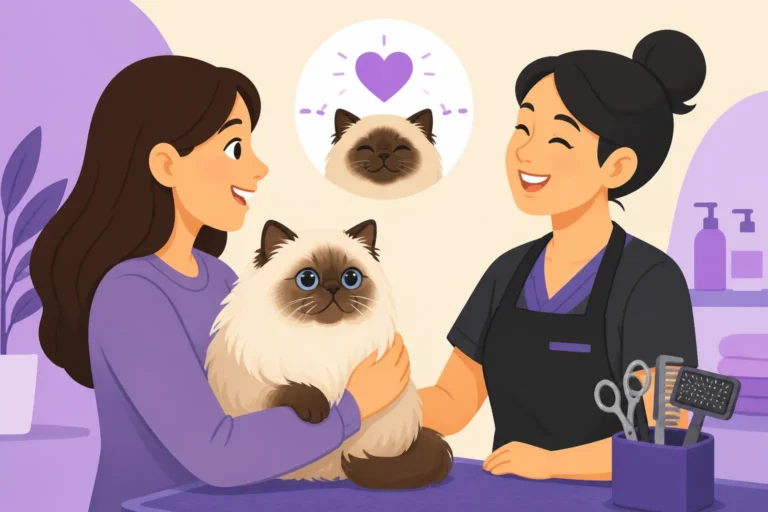
The magnificent, long coats of Himalayans require diligent and consistent grooming from a very young age. Reputable catteries introduce kittens to daily combing routines early on, making it a positive experience. This not only keeps their coats free of mats but also desensitizes them to the grooming process, making life easier for their future owners. This daily combing is non-negotiable for a healthy Himalayan coat, as outlined in The Daily Comb a Himalayan Cannot Skip.
Beyond routine grooming, a dedicated Persian cattery ensures that all kittens receive their initial vaccinations, deworming treatments, and a thorough veterinary check-up before going to their new homes. These initial vet visits are crucial for identifying any health concerns early on. Should any issues arise, a responsible breeder will address them, even if it means holding onto a kitten longer or incurring significant veterinary expenses. This commitment to early, comprehensive veterinary care contributes directly to the overall cost of a kitten from a reputable source. You may even find that some breeders recommend pet insurance from providers like Healthy Paws for their new owners, knowing the breed’s potential needs.
Ultimately, when you pay more for a Himalayan from a Persian cattery, you're not just buying a cat; you're investing in a meticulously bred, thoroughly health-tested, well-socialized, and expertly cared-for companion. This higher price reflects the breeder's dedication, ethical practices, and the comprehensive efforts made to ensure your kitten is a healthy, happy, and magnificent addition to your family for many years to come.
Disclaimer
This article is for general informational purposes only and does not constitute professional advice. Laws, prices and regulations vary by location and change over time. Consult a qualified professional for guidance on your specific situation.