At What Age a Himalayan Settles Down
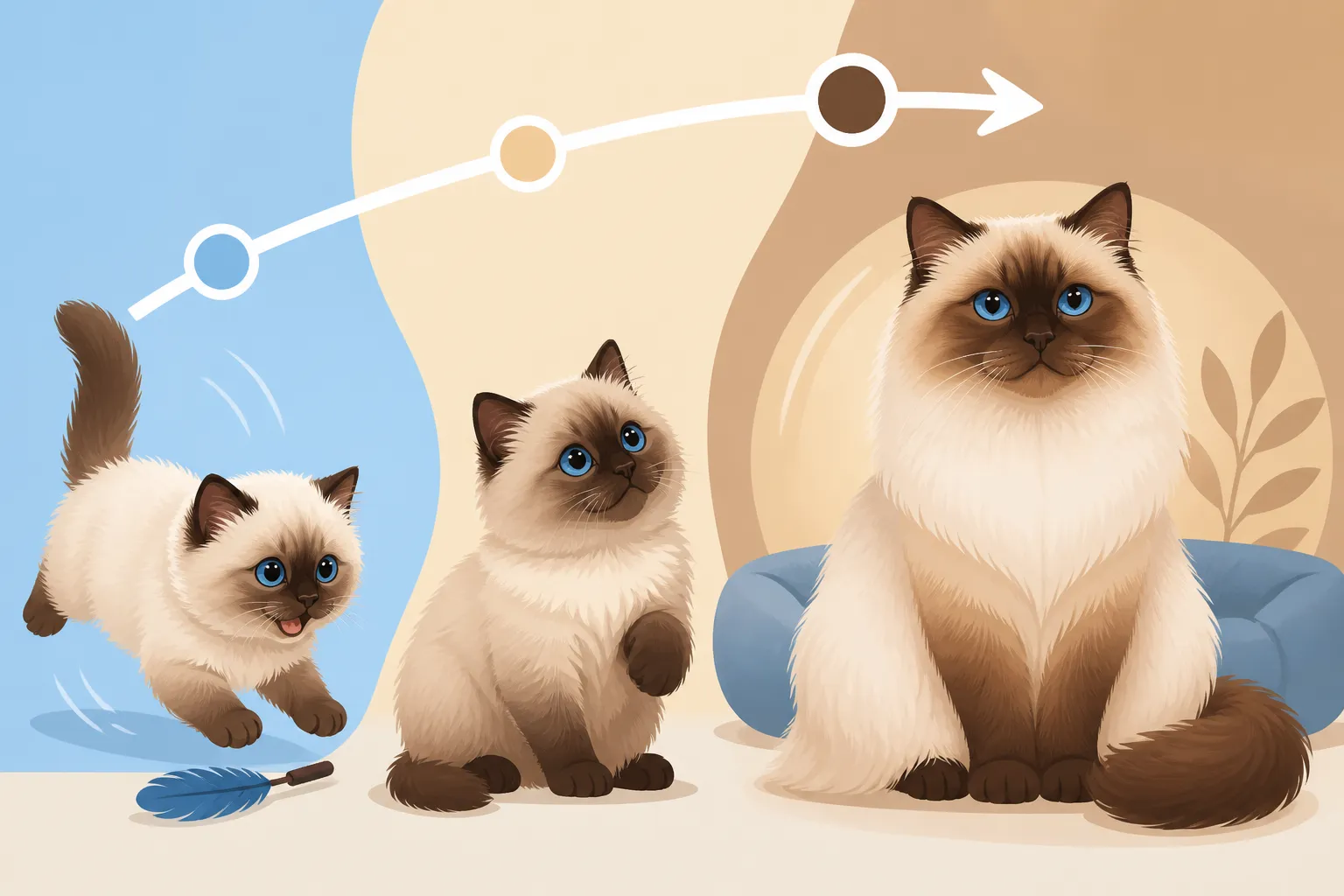
Many prospective Himalayan owners envision a perpetually calm, fluffy lap cat from day one, only to be surprised by a kitten that zips around with unexpected bursts of energy. It's perfectly normal to wonder when that delightful little whirlwind will finally embrace the serene, majestic demeanor you associate with the breed. The truth is, "settling down" is a gradual process for a Himalayan, influenced by their unique genetic makeup and individual personality, typically culminating around their second birthday.
The Himalayan Kitten: A Burst of Siamese Energy
When you first bring home a Himalayan kitten, you might be met with a delightful paradox. While they possess the luxurious coat and cobby build of their Persian ancestors, they also carry a spark of the Siamese vivacity, thanks to their breeding history. This combination means that their early months are often far from sedentary.
The First Few Months: Zoomies and Play
From about eight weeks until they're six months old, Himalayan kittens are miniature explorers and athletes, despite their fluffy appearance. You'll see sudden bursts of "zoomies" where they race through the house, pounce on imaginary prey, and generally act like any other playful kitten. These aren't long, sustained play sessions like a more high-energy breed might have, but rather intense, short-lived bursts of activity followed by equally intense naps. It's a charming, albeit sometimes chaotic, introduction to their personality.
They might bat at dangly toys, chase a laser pointer dot, or try to scale the furniture with surprising agility. Don't be fooled by their heavy coats; under all that fluff is a nimble little creature. However, these playful episodes usually don't last for an extended period. You'll notice How Soon a Himalayan Kitten Runs Out of Breath, often flopping down for a nap after just five or ten minutes of vigorous play. This is a characteristic trait, even in their most energetic phase. They're built for comfort, not for marathons!
Learning the Ropes: Socialization and Training
These early months are also crucial for a Himalayan's development. This isn't just about physical activity; it's about learning what the world is and how they fit into it. Socialization during this period, exposing them gently to new sounds, people, and experiences, helps them grow into confident adults. Teaching them to tolerate and even enjoy their essential grooming routine is paramount. Getting a Himalayan Kitten Used to the Comb from an early age is vital, as this daily ritual will be a cornerstone of their care for life.
A well-socialized kitten is a more settled adult. If a Himalayan is constantly startled or unsure of its environment, it might remain more anxious and restless even into adulthood. Gentle handling, consistent routines, and positive reinforcement for desired behaviors lay the groundwork for their future calm demeanor. It’s during this time that they begin to understand the rhythm of your home and learn that their human companions are a source of comfort and security.
The Teenage Himalayan: Testing Boundaries and Growing Pains
Just like human teenagers, adolescent Himalayans go through a phase where they're not quite kittens, but not fully adults either. This period, roughly from six months to about eighteen months, can be a time of evolving energy levels and personality shifts.
Adolescent Energy and the "Awkward" Phase
Around six months, that frantic kitten energy starts to temper slightly, but it doesn't vanish entirely. Instead, you might see more focused play – longer sessions with a favorite wand toy, or a new fascination with a particular window perch. They’re still very curious, and sometimes, with their growing size and still-developing coordination, they can seem a bit clumsy. Their bodies are filling out, and their majestic ruffs and britches are really starting to come in, giving them a more substantial appearance. This is also when their facial features are still developing, and you can really start to see their unique profile taking shape. You might notice When a Himalayan Kitten's Persian Profile Sets, offering a glimpse into their mature look.
They might explore new heights (though often not great heights, given their cobby build and preference for floor-level comfort), or test boundaries you thought were already established. This isn't defiance; it's simply part of their growth and exploration. Providing appropriate outlets for this energy, like safe toys or supervised playtime, is key. Toys like crinkle balls or soft, light mice that they can bat around and chase gently are often a hit. You can find many suitable options for this age on Amazon.
Finding Their Voice and Routine
During this phase, Himalayans also really start to solidify their communication style. While they aren't known for the loud, demanding vocalizations of their Siamese ancestors, they definitely have a voice. They learn how to use chirps, trills, and soft meows to get your attention, ask for food, or express contentment. You'll begin to understand How Often a Himalayan Uses the Voice It Inherited and what each subtle sound means.
Establishing and maintaining a consistent daily routine becomes even more important during adolescence. Fixed meal times, regular grooming sessions, and predictable play times help to ground them and make them feel secure. This consistency reinforces their sense of belonging and helps them transition smoothly into their adult temperament. When their routine is disrupted, they might show subtle signs of distress, which can manifest as temporary restlessness or increased vocalization.
Adulthood and the True Himalayan Calm
The true "settling down" for a Himalayan typically occurs as they transition into full adulthood, usually between 18 months and two years of age. This is when the breed's famous calm, affectionate, and dignified personality truly shines.
The Two-Year Mark: The Gentle Giant Emerges
By the time a Himalayan reaches two years old, they have usually matured both physically and emotionally. The bursts of kitten energy become less frequent and shorter, replaced by longer periods of serene lounging. This is when the classic image of The Himalayan Is a Lap Cat That Answers Back truly comes to life. They still enjoy playtime, but it's often more deliberate, perhaps a slow bat at a toy, or a gentle chase across the living room carpet. Their play sessions often become more about interaction with you than frantic self-amusement.
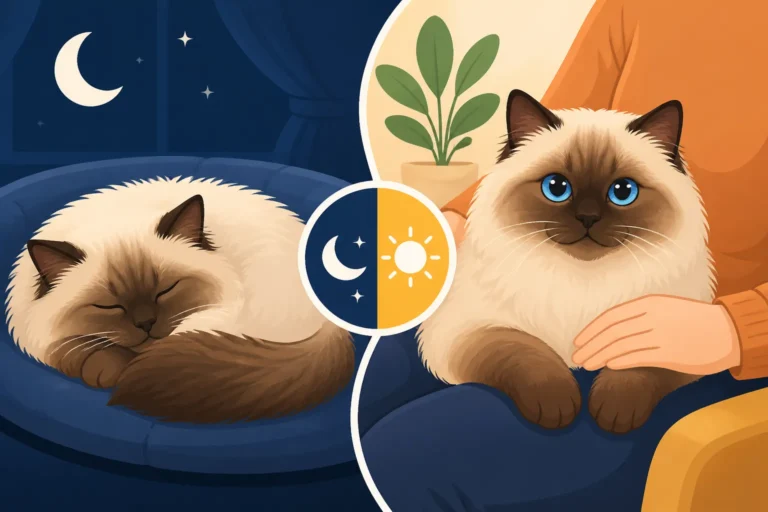
You'll find them spending significant portions of their day napping in sunbeams, observing the household from a favorite chair, or quietly curled up beside you. Their movements become more measured, and their expressions take on that distinct, sometimes almost stoic, look. They become incredibly attuned to the rhythm of your home, and their presence is one of quiet companionship and comfort. You might notice How Many Hours a Day a Himalayan Is Actually Awake is less than you might expect, as they truly cherish their rest.
Maintaining the Calm: Environment and Care
While genetics play a huge role in their predisposition to a calm temperament, the environment you provide greatly contributes to maintaining that peaceful disposition. A quiet, predictable home where they feel secure and loved is ideal. Loud noises, constant upheaval, or a chaotic environment can make any cat anxious, and a Himalayan is no exception. They generally thrive in a tranquil setting, preferring to observe rather than participate in high-energy activities.
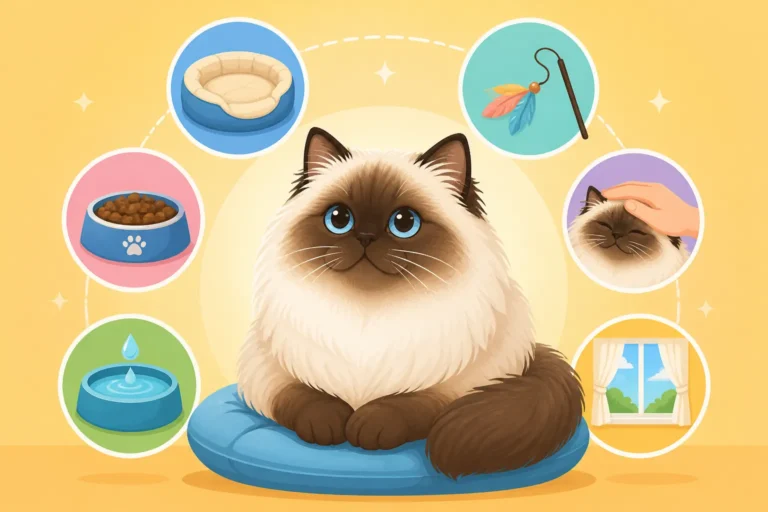
Regular grooming is not just about keeping their magnificent coat free of mats; it's also a bonding ritual that reinforces their sense of well-being. A comfortable, mat-free cat is a happy, settled cat. Ensuring they have plenty of soft, comfortable places to nap, fresh water (perhaps a wide, shallow bowl to protect their ruff), and a consistent feeding schedule further contributes to their calm nature. Ultimately, How Little a Himalayan Asks For in a Day in terms of frantic activity is one of their most endearing qualities once they reach this stage.
| Age Range | Typical Behavior | Energy Level | Key Developmental Focus |
|---|---|---|---|
| 0-6 Months | Short bursts of high energy, playful, curious | High (in bursts) | Socialization, basic training, grooming acceptance |
| 6-18 Months | Adolescent exploration, slightly more focused play | Moderate to high | Routine establishment, developing individual personality |
| 18 Months – 2 Years | Transition to adult calm, longer naps, gentle play | Moderate to low | Full physical and emotional maturity, settling into routine |
| 2+ Years | Serene, affectionate lap cat, deliberate movements | Low, consistent | Enjoying companionship, maintaining health and routine |
Factors Influencing a Himalayan's Settling Age and Behavior
While the general timeline for a Himalayan to settle down holds true for many, individual cats can vary. Several factors can influence how quickly, or slowly, your particular Himalayan matures into its adult demeanor.
Genetics and Lineage: The Siamese vs. Persian Influence
The Himalayan breed is a delightful blend of the quiet, dignified Persian and the more vocal, active Siamese. The balance of these two influences in your cat's specific lineage can play a role in their energy levels. Some Himalayans might inherit a stronger propensity for the more active, communicative traits of the Siamese, leading to a slightly longer "teenage" phase or a consistently more playful adult. On the other hand, those with a stronger Persian influence might settle into their calm routine earlier and exhibit less overall energy. You might notice How Much Livelier the Siamese Half Made the Himalayan can affect their overall disposition.
Breeders often aim for a balanced temperament, but subtle variations are always present within a litter. Observing the parents' temperaments (if possible) can sometimes offer clues, but ultimately, each kitten is an individual. The specific "type" of Himalayan, such as a Doll Face versus a Peke Face, might also indirectly influence behavior, especially if facial structure impacts their comfort or ability to breathe easily, which can affect overall disposition.
Environment, Enrichment, and Companionship
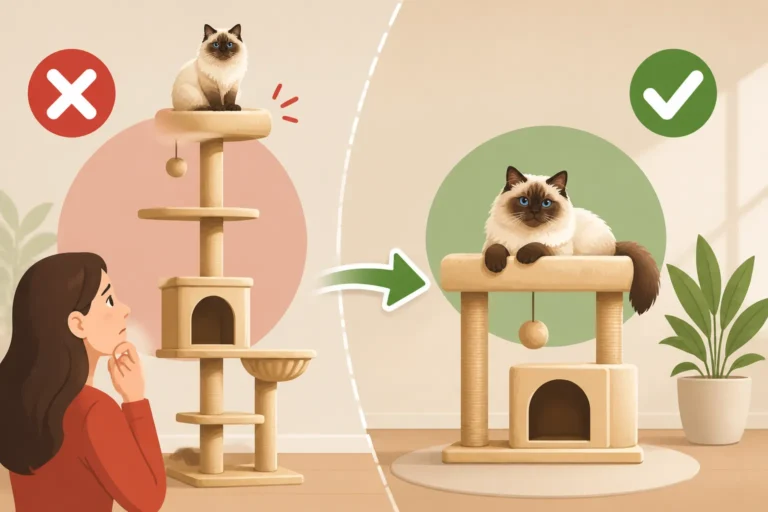
A stimulating environment that offers appropriate enrichment without being overwhelming can help a Himalayan feel secure and content, which, in turn, promotes a settled demeanor. This means providing cozy resting spots, access to sunlight, and a few carefully chosen toys. While they aren't typically avid climbers, a low, sturdy cat tree or steps to a favorite window perch can be appreciated. Interactive toys, like feather wands or soft balls, can provide gentle exercise and mental stimulation. You can find excellent selections of quiet, engaging toys suitable for a Himalayan's play style on Amazon.
The presence of other calm pets can also influence a Himalayan. They generally coexist well with other laid-back animals, and a calm companion might even reinforce their own serene nature. However, a highly boisterous dog or another very energetic cat might stress a Himalayan, leading to more hiding or a less settled disposition. Whether a Himalayan Copes in a Noisy House depends heavily on their personality and early socialization.
Health Considerations and Changes in Behavior
A cat's physical health is intrinsically linked to its behavior. A healthy cat is generally a happy and settled cat. If a previously calm Himalayan suddenly becomes restless, withdrawn, or unusually active, it could be a subtle sign of an underlying health issue. Dental pain, urinary tract infections, joint discomfort, or other internal problems can all manifest as behavioral changes.
Himalayans, due to their Persian lineage, can be prone to certain genetic conditions, such as Polycystic Kidney Disease (PKD) or Progressive Retinal Atrophy (PRA), and their unique facial structure can sometimes lead to breathing difficulties. Any discomfort from these conditions, or even less serious ailments, can impact their demeanor. It's often said that Why a Himalayan Hides Illness Behind an Expressionless Face is because their flat facial structure makes it hard to read their discomfort, so owners need to be observant of subtle behavioral shifts. Regular veterinary check-ups are crucial to catching any health concerns early, ensuring your Himalayan remains comfortable and content throughout its life.
In conclusion, while your Himalayan kitten might show bursts of playful energy, rest assured that the truly settled, majestic, and affectionate lap cat you envision will emerge around their second birthday. Enjoy each stage of their development, and provide them with the consistent care, loving environment, and gentle routine they need to blossom into the serene companion they are destined to be.
Disclaimer
This article is for general informational purposes only and does not constitute professional advice. Laws, prices and regulations vary by location and change over time. Consult a qualified professional for guidance on your specific situation.