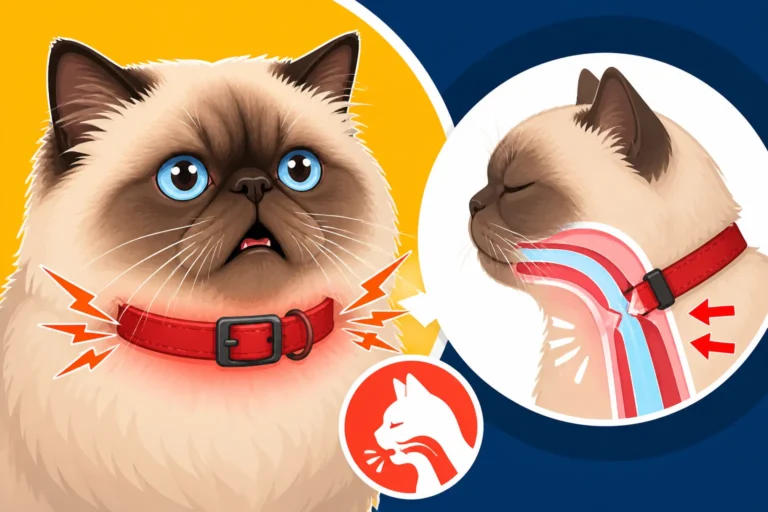
Why a Himalayan Off Its Own Chair Is Unwell
It’s a scenario many Himalayan cat parents know well: you walk into a room, glance at your beloved kitty’s favorite napping spot—that armchair by the sunny window, or maybe a particular cushion on the sofa—and it's empty. Your heart gives a little lurch. Where’s Mittens? Or Snowball? Finding your typically sedentary Himalayan off their usual perch, especially without an obvious reason, can be a subtle but significant sign that something isn't quite right. This guide will delve into why a deviation from their cherished routine and preferred resting places often points to underlying discomfort or illness, helping you understand this important feline communication.
The Himalayan's Deep-Seated Routine and Comfort Zones
Himalayans are creatures of comfort and habit, perhaps more so than many other breeds. Their luxurious, dense coats and typically quiet, laid-back personalities mean they tend to gravitate towards familiar, warm, and secure spots. When these highly specific routines are disrupted, it's often for a very good reason that your cat can't vocalize in words.
Why a Himalayan Clings to Its Favorite Spots
Think about your Himalayan for a moment. They're not generally known for scaling bookshelves or darting from room to room with endless energy. Their cobby build and those shorter legs, combined with that magnificent, heavy coat, make prolonged, vigorous activity less appealing. Instead, they become masters of finding the perfect napping spot – usually a soft, slightly elevated surface that offers warmth, security, and a good vantage point for gentle observation. These aren't just random choices; they are carefully selected zones that meet their specific needs.
For instance, a Himalayan might choose the armchair because it's away from the main thoroughfare of the house but still allows them to keep an eye on family goings-on. The height might offer a slight thermal advantage, keeping them off cooler floor drafts. They expend minimal energy getting there and settling in, conserving their reserves. This preference for established comfort means that their chosen "chair" becomes deeply ingrained in their daily rhythm. It’s part of their identity, a place of safety and relaxation. Any change in this pattern is not just a whim; it's a departure from their fundamental sense of well-being. How Little a Himalayan Asks For in a Day touches on their generally low-key needs, and clinging to a favorite spot is a prime example of this.
The Comfort of Predictability
Cats, as a species, thrive on predictability, and Himalayans are no exception—they perhaps lean into it even more due to their calm demeanor. Their day is often structured around routines: meal times, grooming sessions, a bit of gentle play, and, of course, extensive naps in their chosen locations. When their environment is consistent, they feel safe and in control. A specific chair isn't just a piece of furniture; it's a cornerstone of their predictable world.
If your Himalayan, who normally spends hours curled up on your favorite throw blanket on the sofa, is suddenly found hiding under the bed or lying in an unusual, exposed spot in a hallway, it suggests a break in their perceived safety or comfort. This isn’t typical "cat mischief" or exploratory behavior. It signals an internal disruption, perhaps pain, anxiety, or illness, that makes their usual, comforting spot no longer suitable. They might be seeking isolation, a darker, quieter place, or a spot where they feel less vulnerable. How Often a Himalayan Notices Anything Has Changed highlights their sensitivity to routine, making any deviation from their preferred lounging spot a flag for attentive owners.
Recognizing Subtle Shifts in a Himalayan's Behavior
Because Himalayans are generally serene and not overtly dramatic, their signals of distress can be incredibly subtle. It requires a keen eye and a deep understanding of your individual cat's habits to pick up on these cues.
The Silent Language of Discomfort
Unlike a more vocal breed that might yowl or pace when unwell, a Himalayan often communicates discomfort through stillness or a shift in their usual, quiet patterns. When they choose to be "off their chair," they're effectively saying, "This spot, which usually brings me comfort, no longer does." It’s a silent complaint, a departure from their normal, placid self.
Consider the classic scenario: your Himalayan typically naps in a sunbeam on a particular rug. One day, you notice them lying listlessly in a cooler, darker corner, far from the sun. This could indicate they are overheating, a common concern for long-haired, flat-faced breeds, or perhaps seeking a quiet place to nurse pain. Their silence and change of location are their way of signaling that something is wrong. This shift is particularly telling because Why a Himalayan Stays on the Floor and the Sofa emphasizes their preference for low, comfortable areas, making a drastic change in their chosen level or type of resting spot highly unusual. Observing not just where they are, but how they are, is crucial – are they curled up tightly, or stretched out awkwardly? Are their eyes half-closed or wide and staring? These details provide further context to their silent plea.
Beyond Just "Off the Chair" – Other Indicators
While being off their favorite chair is a primary signal, it's rarely the only one. Himalayans, when unwell, often present a constellation of subtle behavioral changes. You might notice a decreased appetite or thirst, or perhaps an increase in thirst if they're dealing with kidney issues. Their grooming habits might decline, leading to a duller coat or even mats forming, especially around the britches or armpits, areas they might typically manage. How Often a Himalayan Must Be Combed explains just how vital regular grooming is for these cats, so a sudden cessation is a definite red flag.
Pay attention to their interactions. A Himalayan who usually tolerates gentle petting might now flinch or move away. Their voice, usually a soft trill or a quiet "meow," might become absent, or conversely, they might emit low, mournful sounds. Litter box habits are also critical. Are they straining, going more frequently, or having accidents outside the box? Even their sleep posture might change. If your cat usually enjoys Why a Himalayan Sleeps on Your Chest but suddenly avoids close contact or sleeps in a rigid, guarded position, it's a sign of potential discomfort. Keep a mental checklist of these small changes, as they paint a more complete picture of your cat's health.
Here’s a quick reference table of common behavioral changes and what they might signal:
| Behavioral Change | Potential Health Concerns |
|---|---|
| Off usual favorite spot | Pain, discomfort, overheating, anxiety, seeking isolation |
| Hiding in unusual places | Pain, fear, fever, general malaise |
| Reduced appetite/thirst | Nausea, dental pain, organ disease, infection |
| Increased thirst | Kidney disease, diabetes |
| Decreased grooming/matted coat | Pain (especially arthritis), lethargy, discomfort |
| Changes in litter box habits | Urinary tract issues, digestive upset, pain |
| Reluctance to move or jump | Arthritis, joint pain, muscle strain |
| Altered vocalizations (more/less) | Pain, anxiety, respiratory issues |
| Changes in interaction (avoiding touch) | Pain, fear, general unwellness |
| Restlessness or inability to settle | Pain, discomfort, anxiety, fever |
| Excessive panting/mouth breathing | Overheating, respiratory distress, heart issues |
Common Health Issues Signaled by Displacement
When a Himalayan abandons its preferred comfort zone, it's often a direct response to physical ailments that make that spot no longer viable or make other locations seem more appealing for symptom management.
Pain and Mobility Challenges
One of the most frequent reasons a Himalayan will move from its usual spot is pain, especially if it relates to mobility. Arthritis, even in a cat that seems sedentary, can make jumping onto a favorite chair or even lying in a certain position uncomfortable. You might notice them using steps to get on and off furniture more, or avoiding heights altogether. A cat with back pain might seek out a flatter, firmer surface on the floor rather than a soft, conforming cushion. Similarly, a urinary tract infection or bladder stone could cause discomfort when sitting, prompting them to shift positions or move frequently in search of relief.
A Himalayan might also be suffering from a hidden injury. Perhaps they had a small fall you didn't see, or strained a muscle. Their Persian heritage means they have a cobby, compact body, and while robust, they are not immune to aches and pains. If their usual spot requires a stretch or a small jump that now causes a twinge, they will instinctively avoid it. This is why paying attention to how they move to their new spot, or if they seem stiff when getting up, is as important as noting the change in location itself.
Digestive Upset and Nausea
Digestive issues can also lead to a change in resting habits. A cat experiencing nausea or an upset stomach might move away from a soft, warm spot that feels stifling and seek out a cooler, hard surface like tile. This is a common animal instinct to try and regulate body temperature or alleviate feelings of sickness. If they're feeling particularly queasy, they might also want to be closer to a litter box, or in a more secluded spot where they can vomit without being disturbed.
Sometimes, gastrointestinal discomfort can be mild, like a hairball brewing, but it can also signal something more serious, such as inflammatory bowel disease or even a blocked intestine. If your Himalayan is off its chair and showing other signs like lack of appetite, frequent trips to the litter box with no result, or drooling, digestive upset is a strong possibility. Keeping a closer eye on their eliminations and feeding habits during this time is critical.
Respiratory Distress and Overheating
Himalayans, with their distinctive flat faces, are a brachycephalic breed, meaning they are prone to respiratory challenges. Their shortened nasal passages can make breathing more difficult, especially in warm weather or during periods of stress. Why a Himalayan Snores Louder Than Its Siamese Ancestors highlights the realities of their airway structure. If your Himalayan is overheating or struggling to breathe, their usual warm, soft chair might become unbearable.
They might move to a tiled floor in a bathroom or kitchen, or seek out a spot near a fan or air conditioning vent, trying desperately to cool down and get more oxygen. You might notice When a Himalayan's Open Mouth Breathing Needs a Vet – that open-mouthed panting is a serious sign of distress and not normal for cats. A cooling mat, easily found on Amazon, might become their new best friend. If you notice your Himalayan panting or breathing rapidly, this immediate shift in location is an urgent signal that they need help. Their inability to efficiently cool themselves means that even a slightly elevated body temperature can quickly become dangerous.
What to Do When Your Himalayan Seems Unwell
Spotting the subtle cues that your Himalayan is unwell is only the first step. Knowing how to proceed calmly and effectively can make all the difference in their recovery.
Observing and Documenting Changes
Once you notice your Himalayan off their usual chair or exhibiting any other unusual behavior, the best thing you can do is become a detective. Don't immediately panic, but do start observing diligently. Note the exact time and date you first observed the change. What specific behaviors are you seeing? Is it just the location, or are there changes in appetite, thirst, litter box use, grooming, or interaction? For instance, if they normally eat a specific brand of wet food, are they turning their nose up at it? Are they drinking more water than usual from their water bowl (perhaps a wide, shallow one ideal for flat-faced cats, also available on Amazon)?
Think about anything that has changed in their environment: new food, new visitors, unusual noises, a change in temperature. Sometimes a seemingly minor change to us can significantly upset a Himalayan's delicate routine. Why a Himalayan Minds Its Routine More Than Its Address underscores this sensitivity. You might even consider setting up a pet camera (many options on Amazon) to observe their behavior when you're not actively watching, which can reveal patterns you might otherwise miss. Documenting these details will provide invaluable information for your veterinarian.
When to Contact Your Veterinarian
There are situations where a change in your Himalayan's resting spot, especially when combined with other symptoms, warrants an immediate call to your vet. If your cat is:
- Panting or breathing with an open mouth.
- Lethargic or unresponsive.
- Refusing to eat or drink for more than 24 hours.
- Straining to urinate or defecate, or having bloody eliminations.
- Showing signs of severe pain (hissing, growling, hiding, flinching when touched).
- Vomiting repeatedly.
These are all urgent signs. Even if the symptoms seem mild, it's always better to err on the side of caution with Himalayans, as their stoic nature can mask serious issues. When you call, be prepared to share your detailed observations. Your vet will appreciate the specific notes about when your cat stopped using their favorite chair, what new location they’ve chosen, and any other accompanying symptoms. This information helps them quickly narrow down potential causes and guide you on whether an emergency visit or a regular appointment is most appropriate. Remember, your Himalayan relies entirely on you to interpret their silent messages, and a sudden change in their chosen comfort spot is one of the clearest signals they can send that they need your help.
Disclaimer
This article is for general informational purposes only and does not constitute professional advice. Laws, prices and regulations vary by location and change over time. Consult a qualified professional for guidance on your specific situation.