Whether a Himalayan Plays With Another Cat
It’s a common question I hear from Himalayan cat owners: "Will my calm, often serene Himalayan truly play with another cat, or will they just tolerate each other in different corners of the house?" Many of us fall in love with the Himalayan's laid-back demeanor, but we also want to ensure they're happy and stimulated, especially if we're considering bringing another feline friend into the home. This guide will explore the unique play style and social dynamics of Himalayans, helping you understand what to expect when they interact with other cats and how to foster positive, playful relationships.
The Himalayan's Distinct Play Style and Temperament
Himalayan cats are known for their quiet, dignified presence, inheriting a blend of the playful curiosity of their Siamese ancestors and the serene, often couch-potato tendencies of their Persian lineage. This combination results in a unique approach to play and social interaction that isn't always as boisterous as some other breeds.
Short Bursts of Energy and Observational Play
Unlike a Siamese who might chase a laser pointer for twenty minutes straight or scale a cat tree in a single bound, a Himalayan typically engages in play in shorter, more deliberate bursts. They might suddenly get a case of the "zoomies," tearing through the house for a minute or two, only to then settle back into their favorite napping spot as if nothing happened. This doesn't mean they aren't playful; it just means their energy output is often conserved.
They are master observers. It's not uncommon for a Himalayan to watch another cat's antics from a distance, tail twitching ever so slightly, or perhaps batting gently at a passing toy without fully committing to a chase. This observational play is a form of engagement for them, and it's important not to mistake it for disinterest. They might be mentally participating, enjoying the spectacle, or simply planning their single, perfectly timed pounce. Understanding How Many Hours a Day a Himalayan Is Actually Awake can give you perspective on their overall activity levels.
Subtle Communication and Social Cues
Himalayans are generally much quieter than their Siamese forebears. While they do possess that classic Siamese "voice," it's usually at a much lower volume, often expressed as soft chirps or trills rather than full-blown yowls. This means their communication, especially with other cats, can be more subtle. They might use slow blinks, tail flicks, or careful body language to signal their mood or interest in interaction.
When another cat is around, a Himalayan might signal their comfort by simply sharing a space, even if they aren't directly interacting. A slow approach, a gentle head rub, or even just settling down for a nap near another feline can be a profound sign of acceptance and connection for a Himalayan. Owners often learn to read these nuanced cues, realizing that a lack of dramatic chase scenes doesn't equal a lack of social connection. What What Is Left of the Siamese Voice in a Himalayan tells us is that while they can speak, they often choose not to, relying on other forms of expression.
The Preference for Predictability
Himalayans thrive on routine and predictability. Sudden, chaotic movements or overly aggressive play from another cat can be startling and off-putting for them. They prefer interactions that are calm, gentle, and have a certain rhythm. If play escalates too quickly, a Himalayan is more likely to disengage and retreat to a quiet corner rather than participate in a wrestling match.
This preference for a steady pace extends to their social interactions. They appreciate a companion who respects their personal space and understands their unspoken rules of engagement. A new cat that bursts in with unbridled energy might find itself gently, but firmly, ignored by a Himalayan who prefers a more measured pace.
Introducing a New Cat to Your Himalayan
Bringing a new cat into a Himalayan household requires patience, foresight, and a well-structured plan. Because Himalayans cherish their routines and comfort zones, a rushed introduction can lead to stress for both animals and a strained relationship that's hard to mend.
The Gradual Introduction Protocol
The key to success is a slow, deliberate introduction process. This often means keeping the new cat in a separate room initially, allowing both felines to acclimate to each other's scent without direct contact. Start by feeding them on opposite sides of a closed door, associating the new scent with positive experiences like mealtime. Gradually, you can introduce scent swapping by trading blankets or toys between their spaces.
Supervised, short visual encounters, perhaps through a baby gate, can follow. Keep these initial meetings brief and positive, ending before any signs of tension appear. Offer high-value treats to both cats during these times, reinforcing the idea that the other cat's presence means good things happen. Remember, a Himalayan values its quiet and calm, so avoid loud noises or sudden movements during these sensitive first meetings. This approach allows both cats to adjust at their own pace, crucial for a breed that often takes its time to accept change. You might be surprised How Long a Himalayan Takes to Accept a Change.
Creating Dedicated Safe Spaces for Each Cat
Even after a successful introduction, it's vital that both your Himalayan and the new cat have their own undisputed "safe zones." Himalayans, with their love for quiet comfort, need a space where they can retreat and feel completely secure, away from any potential intrusion. This could be a specific cat bed, a favorite chair, or even a quiet room that the other cat is not allowed to enter.
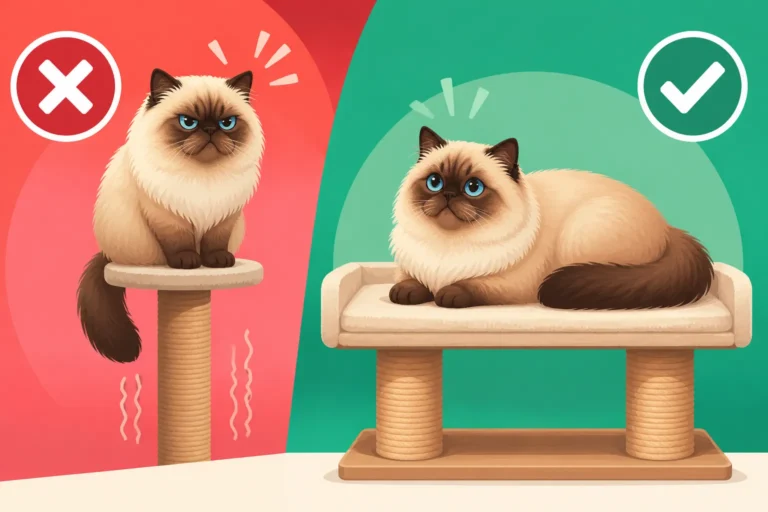
These dedicated spaces help prevent competition and stress. Ensure each cat has its own food and water bowls, litter box (the general rule is one per cat, plus one extra), and resting spots. While a Himalayan might enjoy coexisting, they often prefer their own space for truly deep relaxation. Vertical spaces, like low cat trees or shelves that are easy for their cobby build to access, can also offer a sense of security and allow them to observe without feeling threatened.
Managing Initial Interactions and Conflict
When you finally allow direct interaction, always supervise closely. Look for signs of stress in either cat: flattened ears, hissing, growling, or puffed-up fur. A Himalayan might also express discomfort by simply walking away, avoiding eye contact, or changing their sleeping spot. If any of these occur, gently separate the cats and try again later. Never force interactions.
Use positive reinforcement heavily during these times. Treat rewards, gentle praise, or a few minutes of play with individual wand toys can help associate the other cat's presence with pleasant experiences. If conflict becomes frequent or intense, it's always best to consult with a professional cat behaviorist. They can offer tailored strategies for your specific situation. Remember, Bringing a Second Cat Home to a Himalayan should be a smooth, stress-free process for all involved.
Identifying a Compatible Playmate
Choosing the right companion for your Himalayan is crucial for ensuring a harmonious multi-cat household. Not every cat's personality will mesh well with a Himalayan's calm and composed nature.
Temperament and Activity Level Match
The ideal companion for a Himalayan is often another cat with a similar temperament: generally calm, gentle, and not overly rambunctious. A high-energy, boisterous cat that constantly tries to initiate rough-and-tumble play might overwhelm a Himalayan, leading to stress and avoidance rather than friendship. Imagine a tiny, active Bengal kitten trying to engage with a relaxed Himalayan; it might not go well!
Look for a cat that also enjoys quiet observation, gentle batting at toys, and leisurely naps. If you find a cat that is equally content to share a sunbeam or simply be in the same room without demanding constant attention, you're likely on the right track. Many Himalayans prefer a cat that will respect their need for personal space and not constantly invade it. Consider Why a Himalayan Gives Way to a Faster Cat as an insight into their conflict-avoidant nature.
| Trait | Ideal Companion for a Himalayan Cat | Less Compatible Companion |
|---|---|---|
| Activity Level | Low to moderate; enjoys naps, short play sessions | High energy; constantly seeks vigorous play |
| Play Style | Gentle batting, observational, quiet chases | Rough-and-tumble, wrestling, energetic pounces |
| Vocalization | Quiet, soft meows, chirps | Loud, frequent meows, yowls, demanding calls |
| Social Approach | Calm, patient, respectful of personal space | Demanding, persistent, prone to 'bullying' |
| Tolerance for Change | Adaptable, takes new things in stride | Easily stressed by new environments/routines |
| Breed Examples | Other Persians, Ragdolls, some calm domestic shorthairs | Bengals, Abyssinians, very active Sphynx |
Age and Maturity Considerations
While a playful kitten might seem like a good idea to "liven up" an older Himalayan, the age difference can sometimes create a mismatch in energy levels. A very young kitten might constantly seek play that an adult Himalayan finds exhausting or annoying. However, sometimes a gentle, older kitten (around 4-6 months) who is past the most frantic zoomie phase but still playful can be a good fit, as they are often more amenable to learning social cues from an older cat.
An adult cat, particularly one known to be calm and respectful, might integrate more smoothly. Many Himalayans reach a settled, mature demeanor around At What Age a Himalayan Settles Down, so pairing them with another cat of similar maturity can lead to a more harmonious relationship. The key is to find a cat whose energy perfectly complements, rather than clashes with, your Himalayan's.
Compatibility Beyond Breed Labels
While breed stereotypes can offer a general idea, every cat is an individual. Don't rule out a potential companion simply because of its breed or perceived energy level. Spend time observing the potential new cat's interactions with other felines if possible. A domestic shorthair with a naturally docile personality might be a fantastic match, whereas a particular Persian might still be too dominant or demanding.
The goal is to find a cat that understands and respects the Himalayan's boundaries and quiet nature, and who can appreciate their gentle companionship. Some Himalayans really thrive with another cat who can match their calm energy, enjoying mutual grooming sessions and quiet company on a sunny windowsill, rather than constant wrestling matches.
Fostering Play and Harmony in a Multi-Cat Home
Once your Himalayan and their new companion have settled in, the work isn't over. Creating an environment that encourages positive interactions and caters to both cats' individual needs is key to long-term harmony.
Structured Play Sessions for Each Cat
Even if your cats aren't engaging in vigorous play together, providing individual, structured play sessions is incredibly important. Himalayans still need mental and physical stimulation, albeit in short bursts. Use wand toys that mimic prey, allowing them to stalk and pounce, which taps into their natural hunting instincts. Which Wand Toys a Himalayan Can Actually Follow can give you ideas for engaging toys. These one-on-one sessions ensure your Himalayan feels seen, cherished, and gets its own dedicated attention, preventing any potential jealousy or feelings of being overlooked.
You might find your Himalayan enjoys interactive puzzle feeders or gentle laser play, even if they're watching more than chasing. For the new cat, adapt play to their energy level. If they're more active, offer opportunities for climbing and jumping. Rotating toys can also keep things fresh and interesting for both cats. Investing in a variety of toys from a reputable online retailer like Amazon can provide options for different play styles, ensuring both cats have their needs met.
Providing Varied Enrichment for Individual Preferences
Every cat is unique, and a multi-cat household thrives when individual preferences are catered to. For your Himalayan, this might mean a cozy, elevated bed where they can observe the room from a safe vantage point without having to jump too high, given their cobby build. They might prefer food puzzles designed for flat-faced cats, such as a shallow dish with dividers or a mat where treats can be scattered, rather than deep bowls or complex feeders. Finding Which Puzzle Feeder a Himalayan Can Get Its Face Into is key to making mealtime fun and stimulating.
For the other cat, consider if they prefer climbing structures, scratching posts made of different materials, or window perches for bird-watching. Ensure there are enough resources to go around—multiple litter boxes, water stations (some cats prefer running water from a fountain, others a still bowl), and comfortable resting spots. This reduces competition and allows each cat to enjoy their environment without feeling pressured to share every single item. You can find many such items on Amazon.
Monitoring for Subtle Signs of Stress and Maintaining Harmony
Himalayans, like many cats, are masters at masking discomfort or illness. This stoicism extends to their emotional state. A Himalayan who is stressed by another cat might not hiss or fight; instead, they might retreat more often, avoid certain areas of the house, show a decrease in appetite, or even stop grooming as meticulously as usual. It's important to understand Why a Himalayan Hides Illness Behind an Expressionless Face so you can pick up on these subtle cues.
Regularly observe their interactions. Are they comfortable sharing space? Do they groom each other, or engage in parallel play (playing near each other without direct interaction)? A harmonious household often means cats comfortably sharing a room, perhaps even napping within sight of one another, without tension. If you notice any persistent changes in behavior, increased hiding, or a decline in grooming, it’s a signal that something might be amiss, and it might be time to reassess their living situation or consult a vet or behaviorist.
Ultimately, while a Himalayan may not be the most boisterous playmate, they can certainly thrive and even play in a multi-cat household when paired with a compatible companion and given an environment that respects their unique needs and gentle spirit. They often appreciate the quiet companionship, finding comfort in the shared presence of another feline, even if vigorous play isn't always on the agenda.
Disclaimer
This article is for general informational purposes only and does not constitute professional advice. Laws, prices and regulations vary by location and change over time. Consult a qualified professional for guidance on your specific situation.