Bringing a Second Cat Home to a Himalayan
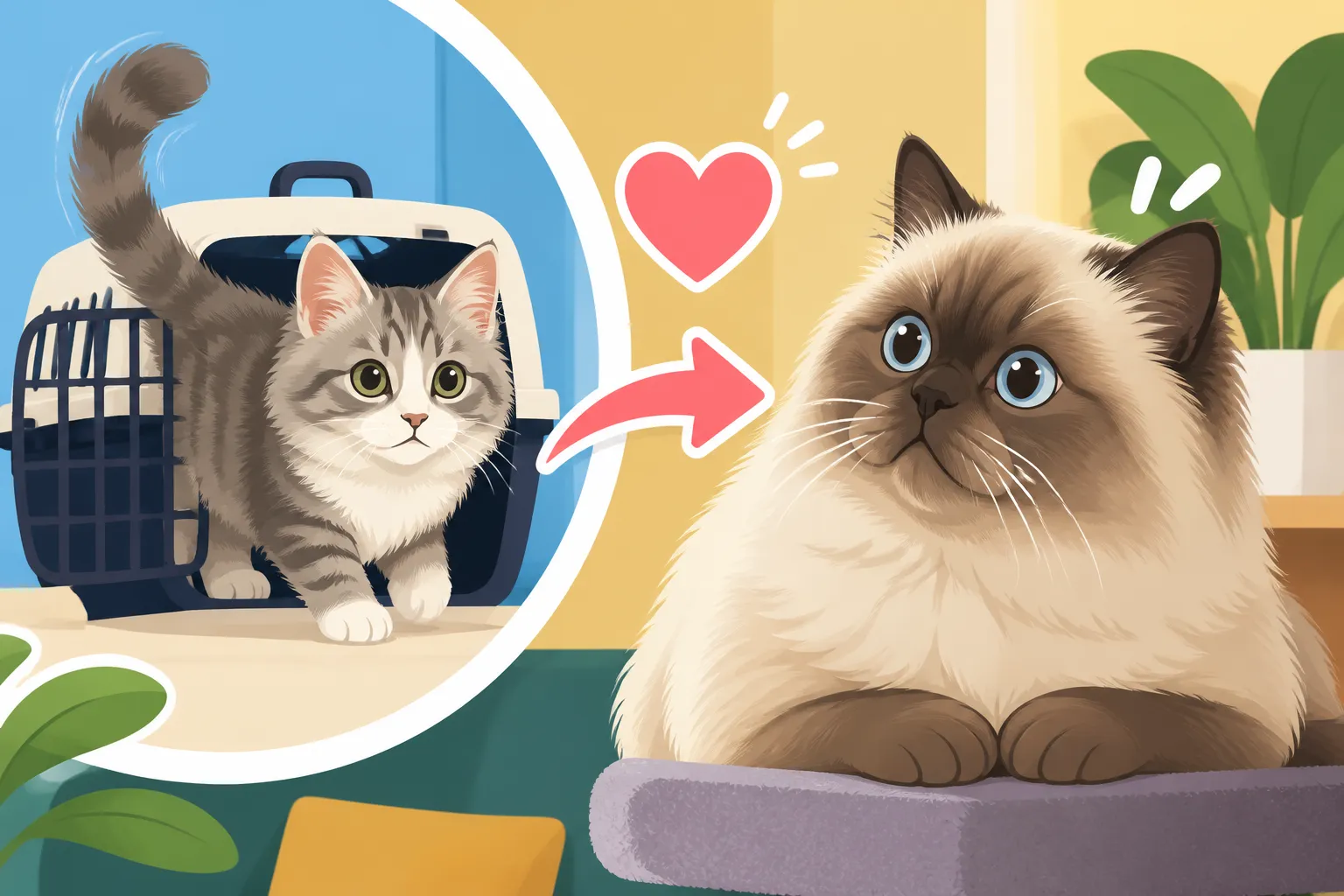
It’s a common scenario for many of us who adore our quiet, dignified Himalayans: you look at your beloved cat, perhaps curled up in their favorite sunbeam, and a thought crosses your mind. Are they truly happy being a solo act, or would a companion enrich their calm life? The idea of bringing a new cat into your meticulously managed home can feel overwhelming, especially when your current feline seems so content in their established routine. This comprehensive guide is here to walk you through the nuances of introducing a second cat to your Himalayan, offering practical steps and empathy for the unique challenges you might face, aiming for a peaceful, happy multi-cat household.
Understanding Your Himalayan's Social Nature
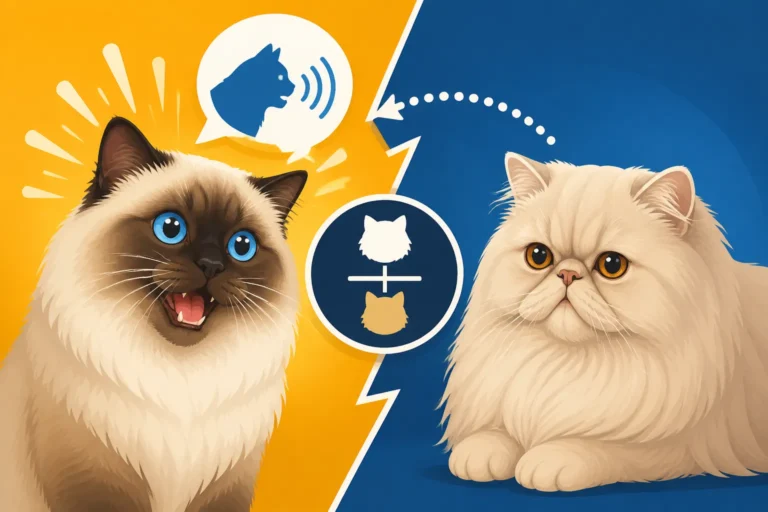
Himalayans are a truly fascinating blend of two distinct feline personalities: the calm, often aloof Persian, and the more vocal, sometimes boisterous Siamese. This genetic cocktail means your Himalayan might appear quite solitary and independent, perfectly happy observing the world from their designated armchair. However, beneath that plush coat and serene expression, there can be a surprising capacity for companionship, inherited from their Siamese ancestors. The key is understanding how they prefer to socialize, which is almost always on their own terms, at their own slow pace.
Many Himalayan owners might describe their cat as a creature of habit, thriving on predictability. Any disruption, even a positive one like a new friend, can initially be met with apprehension or even outright disapproval. This isn't because they're inherently "unfriendly," but because their world is so carefully curated. They might not be the type to rush to the door to greet every guest, let alone a new, scent-laden feline. But don't let their reserved nature fool you into thinking they don't crave connection. It's just a different kind of connection than, say, a boisterous Siamese might demand.
The Persian Influence on Sociability
The dominant genetic legacy for a Himalayan, in terms of temperament, often leans heavily towards the Persian side. This means they tend to be quite laid-back, preferring quiet environments and a predictable daily rhythm. A Himalayan cat often finds comfort in routine, enjoying their established spots for napping, eating, and observing their human companions. They aren't typically "in your face" cats, nor are they usually high-energy explorers. This preference for a calm, ordered existence means they can be easily stressed by sudden changes, loud noises, or the unpredictable movements of another animal. Why a Himalayan Runs on Its Own Timetable is a testament to this deep-seated need for structure.
Introducing a new cat, with all its novel scents, sounds, and movements, can feel like a major invasion of their personal space and carefully constructed peace. They might retreat, hide, or even express their displeasure with a low growl or hiss. It's not personal; it's just their way of communicating that their boundaries have been crossed. For a Himalayan, peace and quiet are paramount, and they often assume they are the undisputed monarch of their domain. A new cat challenges that assumption, and the older cat's reaction is often simply an attempt to re-establish their comfortable equilibrium.
The Siamese Whisper: Subtle Signs of Connection
While the Persian influence often dictates their overall demeanor, the Siamese side provides a whisper of something more. Himalayans often retain a softened version of the Siamese's famous vocalizations, sometimes "talking" to their humans with soft chirps or trills, especially around meal times or when seeking attention. This vocal trait, though far less intense than a full-blown Siamese conversation, hints at a capacity for interaction. They might also enjoy short bursts of play, though usually not as long or as intense as a pure Siamese.
This subtle Siamese legacy suggests that while they aren't extroverts, they can form deep bonds and appreciate companionship, especially if it's introduced gently and respectfully. They might not immediately solicit play from a new cat, but they might observe them with curiosity, or even enjoy simply sharing a sunny spot in the same room once trust is established. The key is recognizing these subtle cues and nurturing them, rather than expecting a rambunctious playmate. A Himalayan might not demand a companion, but a carefully chosen, calm friend could certainly enrich their life, offering quiet shared moments and gentle interaction that complements their serene nature. Whether a Himalayan Plays With Another Cat might be a question you have, and the answer is usually "yes, but gently."
Choosing the Right Companion for Your Himalayan
The success of bringing a second cat home really hinges on selecting the right feline personality to complement your Himalayan's unique temperament. This isn't a situation where any cat will do. You're looking for a peaceful diplomat, not a boisterous intruder. Think about finding a cat that respects personal space, is generally calm, and isn't prone to aggressive or overly playful antics.
Temperament Matches: Low-key Breeds and Older Kittens
When considering a new cat, temperament is king. You want a companion whose energy level and social style align with your Himalayan’s. A high-energy, constantly-on-the-go cat like an Abyssinian or a very dominant personality might be too much for your laid-back Himalayan. Instead, look for breeds known for their gentle, quiet, and adaptable nature. Other Persian variations, Ragdolls, Birmans, or even another carefully selected Himalayan can be excellent choices because they often share a similar calm disposition. The goal is to find a cat that won't challenge your Himalayan's authority or demand constant interaction, but rather offer a quiet, comforting presence.
If you’re considering a kitten, an older kitten (say, 4-6 months old) can sometimes be a better fit than a tiny, rambunctious youngster. A slightly older kitten has often moved past the most chaotic stage of kittenhood and might be more amenable to understanding social cues from an older, established cat. They’re still playful, but often with a bit more self-control. Remember, a kitten’s personality isn't fully set, so observing their behavior in a shelter or foster home is crucial. Look for the kitten that's curious but not overwhelming, playful but also happy to nap quietly.
Size and Energy Levels: Why a Smaller, Less Boisterous Cat is Ideal
The physical characteristics and activity level of the new cat are also vital. A large, boisterous cat might inadvertently overwhelm your generally cobby and often less agile Himalayan. Himalayans typically prefer to stay on the ground or low surfaces, and a cat that constantly leaps onto high places or barrels through the house can be a source of stress. Why a Himalayan Stays on the Floor and the Sofa underscores this preference for lower altitudes.
Aim for a cat that is either smaller or similar in size, and crucially, possesses a lower energy level. A cat that prefers quiet lounging to acrobatic feats is ideal. This minimizes the perceived threat to your Himalayan's territory and comfort zones. If the new cat isn't constantly zooming around or trying to engage in rough play, your Himalayan is far more likely to eventually accept their presence. Think "gentle" and "calm" above all else. This isn't to say playtime won't happen, but it should be initiated by the Himalayan or be a gentle, mutual agreement, not a constant demand from the new cat.
The Art of the Slow Introduction
Patience, dear reader, is not just a virtue here; it's a necessity. Rushing the introduction of a new cat to your Himalayan is almost guaranteed to backfire. These are creatures of habit and sensitive souls, and a gradual, controlled process that prioritizes their sense of security is the only path to success. You’ll be essentially teaching two cats to speak each other’s language and trust each other, and that takes time – sometimes weeks, sometimes months.
Setting Up the Sanctuary: Dedicated Space for the New Cat
The very first step, before the new cat even crosses your threshold, is to prepare a dedicated "sanctuary room" for them. This needs to be a quiet, separate space where the new cat can feel completely safe and secure without direct interaction with your Himalayan. Think of it as their own little apartment. This room should have everything they need: a litter box, food and water bowls (consider specialized bowls for flat-faced cats, easily found on Amazon), a comfortable bed, toys, and hiding spots. Make sure the room has a door that can be securely closed.
This sanctuary serves a dual purpose. For the new cat, it's a safe haven to decompress from the stress of moving and a new environment. For your Himalayan, it ensures their existing territory remains undisturbed, minimizing anxiety. They know something is different, but their core territory isn't being immediately invaded. This initial separation is critical. It allows both cats to adjust to the idea of another cat's presence, mediated only by scent and sound, before any visual contact. Making One Room Comfortable for a Himalayan Left Alone is a great resource if you need tips on setting up a cozy, secure space.
Scent Swapping and Gradual Exposure
Once the new cat is settled in their sanctuary, the real work begins with scent swapping. Cats rely heavily on scent to understand their world, and exchanging scents is like exchanging pleasant introductions. Start by gently rubbing a clean cloth or a soft sock on your Himalayan’s cheeks and body, collecting their scent. Place this cloth in the new cat’s sanctuary. Do the same for the new cat, then place their scent-laden cloth in your Himalayan’s main living area, perhaps near their favorite sleeping spot or feeding area. Observe their reactions closely. Are they curious, relaxed, or showing signs of stress?
After a few days of scent swapping, and if both cats seem relatively calm, you can move to feeding them on opposite sides of the closed sanctuary door. This creates a positive association: the presence (and scent) of the other cat means delicious food is arriving. Keep these feeding times consistent. As they become more comfortable, you can introduce very short periods of visual exposure. Using a baby gate or cracking the door open slightly, allowing them to see each other for just a minute or two while you supervise closely. Always end these sessions on a positive note, before either cat shows signs of stress. This might mean only a few seconds at first, gradually increasing the duration over days or even weeks.
Supervised Meetings: Short, Positive Interactions
When both cats are consistently calm during visual exposure and scent swapping, it’s time for the first supervised, unhindered meetings. Choose a neutral territory, not your Himalayan’s prime napping spot. Keep these initial meetings very brief – perhaps 5-10 minutes – and always ensure there’s an easy escape route for both cats. The goal is positive association, so have high-value treats (Himalayans often love wet treats) and engaging toys ready. Praise and reward calm behavior from both cats. If you see any signs of aggression (hissing, growling, swatting, flattened ears), immediately and calmly separate them without punishment, and try again later.
It's crucial to understand that these sessions aren't about forcing interaction, but allowing them to happen naturally. Let the cats set the pace. Some cats will ignore each other; others might cautiously approach. Don’t push them. Short, frequent, positive interactions are far more effective than one long, stressful one. Gradually increase the duration of these supervised visits, always watching for signs of comfort and acceptance. This entire process, from sanctuary to shared space, can take several weeks or even months. Remember that How Long a Himalayan Takes to Accept a New House applies to new housemates too!
Troubleshooting Common Introduction Challenges
Even with the best intentions and the slowest introduction, you might encounter bumps along the road. It’s important not to get discouraged. Cats are individuals, and some are more sensitive or set in their ways than others. Your Himalayan, with their particular blend of ancestral traits, might need extra reassurance and patience. The goal isn't necessarily for them to become best friends who groom each other constantly, but for them to coexist peacefully and comfortably in the same home.
Signs of Stress and How to React
Knowing how to read your cat’s body language is paramount during this process. A Himalayan can be quite subtle in their expressions. Common signs of stress in either cat can include:
- Hissing or growling: An obvious warning sign.
- Flattened ears (airplane ears): Indicates fear or aggression.
- Piloerection (puffed fur): Especially along the spine or tail.
- Dilated pupils: Can signify fear or arousal.
- Hiding or retreating: A cat choosing to disappear rather than engage.
- Tail tucked low or thrashing: Often indicates unease or irritation.
- Inappropriate urination/defecation: A significant stress indicator, often happening outside the litter box.
- Changes in eating habits: Refusing food or eating significantly less.
- Excessive grooming or lack of grooming: Both can be stress responses.
If you observe these signs, it's a clear signal to slow down. Immediately and calmly separate the cats back into their individual spaces. Revert to an earlier, more comfortable stage of introduction, like simply scent swapping, before attempting direct interaction again. Never punish your cat for showing stress; this will only increase their anxiety and associate the new cat with negative experiences. Instead, offer them comfort, reassurance, and positive distractions in their safe space. This is where things like calming diffusers (you can find various options on Amazon) can be helpful, creating a more serene environment.
Here's a quick reference for common reactions and adjustments:
| Reaction Type | Description | What to Do |
|---|---|---|
| Mild Curiosity / Indifference | Sniffing, slow approach, ignoring the other cat, calm tail. | Continue with gradual exposure, rewarding positive or neutral interactions with treats and praise. |
| Vocalizations (Soft Hisses) | Short, low hisses, usually without other aggressive body language. | This is a warning. Separate gently. Revert to scent swapping or feeding through the door. Reintroduce visual contact more slowly, making sure distances are greater. |
| Avoidance / Hiding | One or both cats retreat, hide under furniture, refuse to come out. | Provide more hiding spots in shared areas. Ensure easy escape routes. Reassess the new cat's energy; it might be too much for your Himalayan. Continue with door feeding and scent swapping, reducing visual pressure. |
| Aggression (Swatting, Growling) | Direct swatting, growling, flattened ears, puffed fur, chasing. | Immediately separate. Go back to square one with strict separation. Consult a professional feline behaviorist. Do not force interactions. This could lead to serious injury or lasting animosity. |
| Litter Box Issues | Urinating or defecating outside the box by either cat. | This is a major stress signal. Increase the number of litter boxes (one per cat plus one extra). Ensure boxes are cleaned frequently. Rule out medical issues with a vet visit. Go back to total separation. Consider adding calming pheromone diffusers. What a Himalayan Does When It Is Unsettled often manifests this way. |
When to Seek Professional Guidance
Sometimes, despite your best efforts, the introduction simply isn't going well. If you're seeing persistent aggression, severe fear responses, ongoing inappropriate elimination, or if either cat seems genuinely miserable for an extended period, it's time to call in the experts. A Certified Feline Behaviorist or your veterinarian can provide invaluable assistance. They can assess the specific dynamics between your cats, identify underlying causes for the conflict, and offer tailored strategies that you might not have considered.
These professionals can observe behaviors you might miss, suggest environmental modifications, or even recommend specific training techniques. They might even help you realize that, for whatever reason, these two particular cats may not be able to live together harmoniously, which, while difficult to hear, is sometimes the kindest realization for everyone involved. Whether a Himalayan Minds Being the Only Cat is a relevant thought here; some truly do prefer being the sole focus of affection. Remember, the ultimate goal is the well-being and happiness of all your feline family members, and sometimes that means making tough decisions.
Disclaimer
This article is for general informational purposes only and does not constitute professional advice. Laws, prices and regulations vary by location and change over time. Consult a qualified professional for guidance on your specific situation.