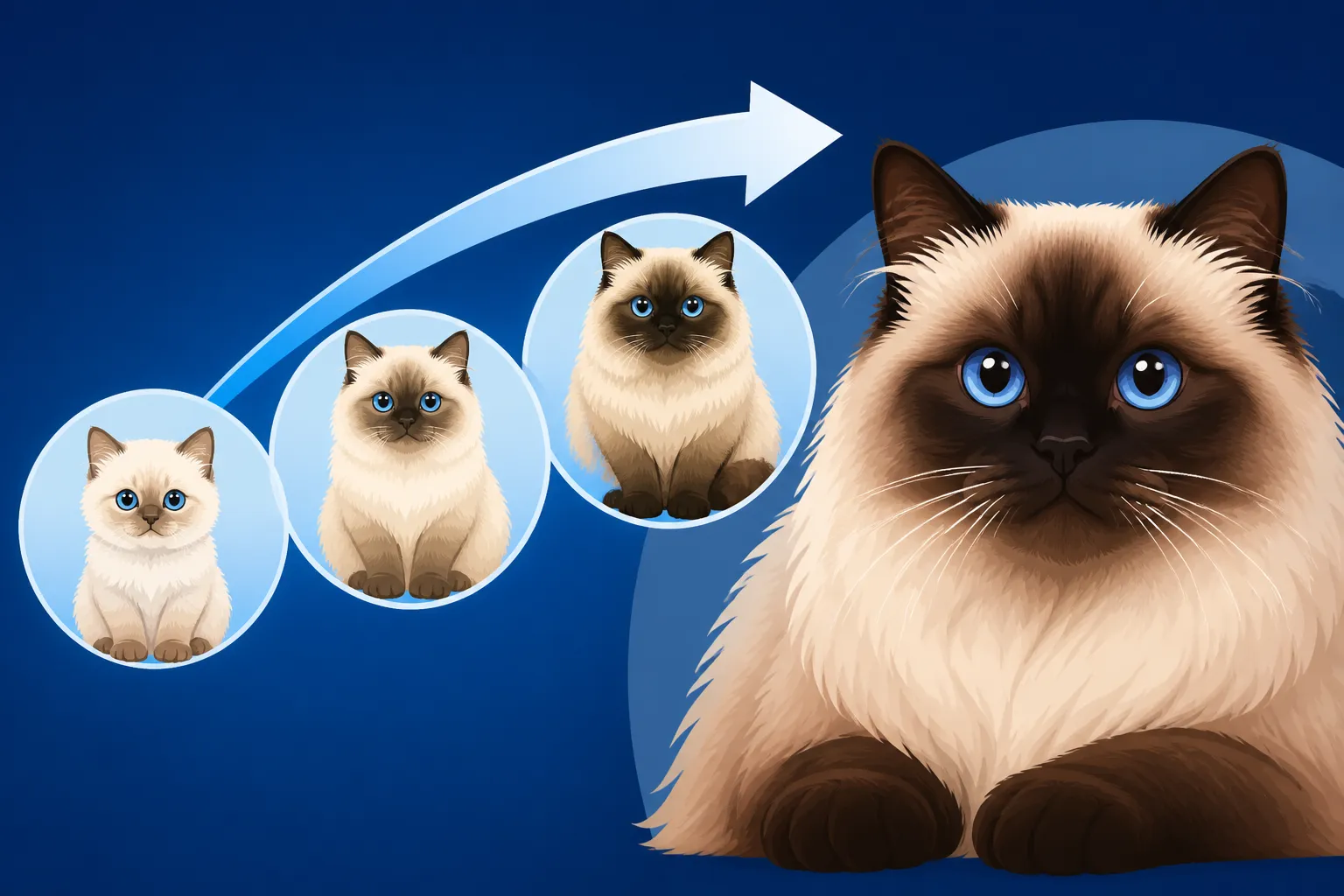
Why a Himalayan’s Points Deepen Every Year It Lives
It’s a common moment for many Himalayan cat owners: you look at your beloved furball one day and realize their beautiful, distinct points—the dark coloration on their ears, face, paws, and tail—have become significantly deeper, richer, and perhaps even spread further across their body than before. This isn't just your imagination or a trick of the light; it’s a fascinating, natural phenomenon unique to these stunning cats, and understanding why it happens can help you appreciate their evolving beauty and provide the best care for them throughout their lives. This guide will delve into the science and practicalities behind why your Himalayan’s points deepen every year it lives, offering insights and advice for every stage of their life.
The Unique Genetic Blueprint of Himalayan Point Color
The captivating colorpoint pattern of a Himalayan isn't just skin deep; it's a direct result of a very special genetic mutation they inherited. This isn't like a tabby stripe or a solid black coat that's largely set in stone from birth. Instead, the Himalayan's color is a dynamic, temperature-sensitive expression, which is why it changes so much over time. It's truly a marvel of feline genetics and the primary reason why their points deepen as they age.
Understanding the Tyrosinase Enzyme
At the heart of the Himalayan's colorpoint pattern is a gene that codes for an enzyme called tyrosinase. This enzyme is crucial for melanin production, which is what gives fur its color. In most cats, tyrosinase works efficiently throughout the body, producing an even coat color. However, in Himalayans (and other colorpoint breeds like Siamese), there's a mutated version of this enzyme. This specific mutation makes the tyrosinase enzyme heat-sensitive. Essentially, it only functions properly and produces pigment in cooler body temperatures.
Think of it like a tiny, built-in thermometer for fur production. Where the cat's body is warmest—like the torso, which is protected by core body heat—the enzyme is inactive, and little to no pigment is produced, resulting in the creamy, pale body coat. But in the extremities, which are naturally cooler (ears, nose, paws, tail), the enzyme kicks into gear, producing the rich, dark pigments we adore. This delicate balance is what gives the Himalayan its signature look, and it sets the stage for the changes you'll observe throughout their life.
How Cold Influences Pigment Production
The direct link between temperature and pigment is undeniable in Himalayans. When a Himalayan kitten is born, its entire body is generally very pale, almost white. This is because they've spent their entire gestation period snug inside their mother's warm womb, where the tyrosinase enzyme was mostly inactive due to the consistent warmth. It's only after they're exposed to the cooler outside world that their points start to develop.
As they grow, the cooler parts of their body continuously stimulate the tyrosinase enzyme. This means that a Himalayan living in a generally cooler environment might develop darker, more extensive points than one living in a consistently warm climate. Even a simple draft or a favorite cool sleeping spot can subtly influence their coat over time. This sensitivity explains why, if a Himalayan ever has a patch of fur shaved for surgery, the new fur that grows back in that cooler, exposed area will often be much darker than the surrounding body coat. This temporary darkening illustrates just how powerful temperature is in their coat expression.
The Aging Process and Its Impact on Point Color
While genetics lay the groundwork, the passage of time plays a significant role in why those points deepen. It's not just about ambient temperature; it's about the internal changes happening within your cat's body as they mature. Just like us, cats experience physiological shifts as they get older, and these changes directly influence their unique coat pattern.
Slowing Metabolism and Core Body Temperature
As a Himalayan cat ages, their metabolism naturally slows down. This isn't unique to Himalayans; it's a common aspect of aging across many species. A slower metabolism can lead to a slight decrease in their overall core body temperature. While the difference might be subtle and not necessarily something you'd notice day-to-day without a thermometer, it's enough to affect that temperature-sensitive tyrosinase enzyme.
With a slightly lower average body temperature, the areas that were previously just warm enough to keep the enzyme largely inactive (like parts of the flanks or back) might now become cool enough to allow for some pigment production. This gradual shift means that over the years, more and more of their body's surface area starts to reach that 'sweet spot' for melanin creation, leading to an overall deepening and spreading of their point color. It’s a slow, steady process, often so gradual that you might not notice it day-to-day, but rather when comparing photos from different years.
Coat Density and Point Spreading
Another factor that contributes to the appearance of darkening points with age is the continued development and density of their coat. Himalayans are known for their incredibly lush, long, and thick Persian-type double coat. While a kitten's coat is soft and relatively thin, an adult Himalayan's fur becomes much denser, especially the undercoat, which provides excellent insulation. This thick coat acts like an extra layer of insulation, trapping body heat more efficiently in some areas and potentially leading to cooler surface temperatures in others.
As the coat grows fuller and denser year after year, it can create microclimates on the cat's body, effectively lowering the surface temperature in certain spots. This allows the tyrosinase enzyme to become more active, not just in the traditional points but also in areas that were once a pristine cream or white. You might notice the points extending further up their legs, onto their back, or broadening on their face. This isn't a flaw; it's a testament to their unique genetic makeup and the majestic development of their full Persian coat.
Environmental Factors That Accelerate Darkening
While age is a primary driver, the environment your Himalayan lives in also plays a substantial role in how quickly and extensively their points deepen. As we touched upon earlier, temperature is key, and it's something you, as an owner, have some influence over, even if inadvertently. Understanding these environmental triggers can help you predict and understand the changes in your cat's coat.
Ambient Temperature and Seasonal Changes
The general ambient temperature of your home environment is a major player in point darkening. Cats who live in cooler homes, especially those in regions with distinct cold winters, will often show more pronounced and darker points than those living in consistently warm climates year-round. The lower the average temperature surrounding them, the more consistently active the tyrosinase enzyme will be across their body.
You might even notice subtle seasonal shifts in your cat's coat. Some Himalayans appear a shade lighter in their body coat during the warmer summer months and then gradually deepen their points and body shading again as winter approaches. This seasonal ebb and flow is a beautiful natural rhythm. It's a clear demonstration of how their body responds to the environment, essentially "wearing" a lighter coat in summer to help stay cool and a darker one in winter, perhaps to absorb more warmth, though that's more a visual effect than a functional one. Why a Himalayan in a Cold House Darkens All Over offers more detail on this fascinating temperature interplay.
Localized Cooling and Sleeping Habits
Beyond the overall room temperature, specific localized cooling can accelerate point darkening in particular areas. Think about where your cat loves to sleep. Do they always curl up by a drafty window? Do they sprawl out on a cold tile floor or seek out a specific cool spot? These consistent habits can lead to localized chilling of certain body parts, which in turn encourages increased pigment production in those areas.
For example, a Himalayan that habitually sleeps with its tail draped over a cold surface might develop an exceptionally dark tail point. Or one that prefers a cool windowsill for naps might see the points on its face and ears deepen more rapidly. It’s not about causing harm; it’s simply the genetic mechanism at play. These subtle preferences, combined with the aging process, contribute to the unique mosaic of darkening that unfolds on each individual Himalayan's coat over time.
What to Expect as Your Himalayan Ages
For new Himalayan owners, the gradual darkening of points can sometimes be a source of confusion or even concern. It’s important to remember that this is a completely normal, healthy, and expected part of their development. Knowing what to anticipate can help you appreciate the beautiful transformation your cat undergoes.
Gradual Darkening Over Years
The darkening of a Himalayan's points is not a sudden event. It's a slow, steady process that occurs over many years, often starting noticeably after their first year and continuing throughout their life. Many Himalayans reach their full, adult point color around two to three years of age, but the deepening doesn't stop there. It often continues, albeit more subtly, as they enter their senior years. The Age a Himalayan's Points Stop Changing delves deeper into these timelines.
By the time a Himalayan is five or six, their points will likely be much richer and more widespread than when they were a young adult. And by the time they are a senior cat, perhaps eight to ten years or older, you might find that their body coat has taken on a significant amount of shading, and their points are incredibly deep, sometimes appearing almost black, depending on their original point color. This isn't a sign of ill health; it's simply a beautiful visual marker of their journey through life.
The Transformation to an Almost Solid Color
One of the most striking changes you might observe in a very senior Himalayan is how much their body coat can darken. While young Himalayans boast a stark contrast between their pale body and dark points, an older Himalayan can often appear almost solid-colored. The cream or white body fur may take on a much darker, richer hue, blending more seamlessly with the points, especially across their back and flanks. This is a common and charming characteristic of an aged Himalayan.
This transformation is purely aesthetic and doesn't impact their health or happiness. It's simply the culmination of years of the tyrosinase enzyme slowly becoming active across more of their body as their metabolism slows and environmental factors play their part. Why an Old Himalayan Looks Almost Solid Colored explores this fascinating aspect in more detail. Embracing this change is part of celebrating the entire lifespan of your unique companion.
Managing Care for a Darkened Coat
While the darkening of points is a natural part of aging, it can sometimes come with specific care considerations, particularly when it comes to maintaining coat health and ensuring overall well-being. A darker, often denser coat might require a slightly adjusted grooming routine and careful monitoring for underlying issues that might be harder to spot.
Grooming a Denser, Darker Coat
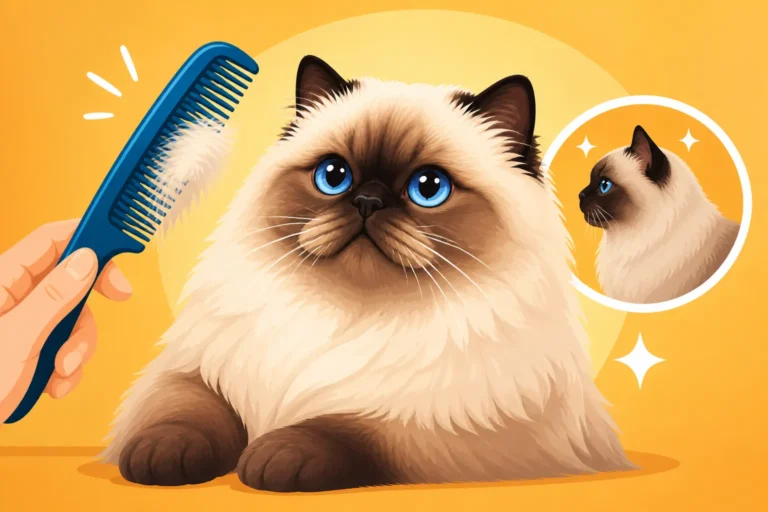
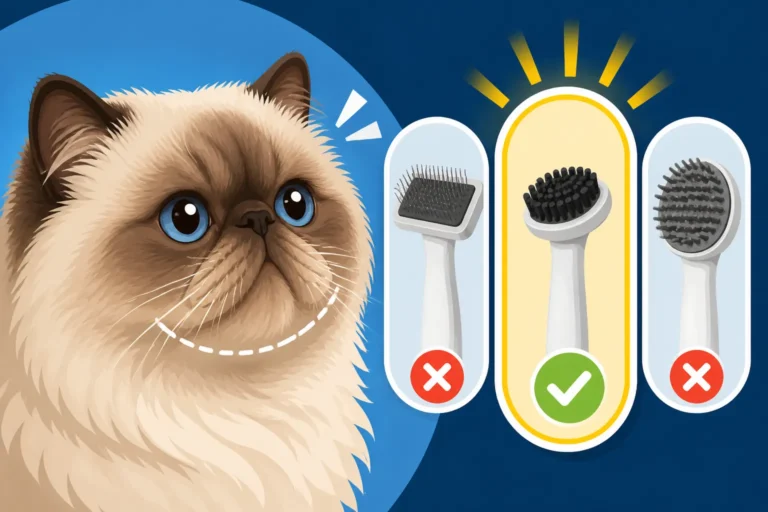
As your Himalayan's coat darkens and often becomes denser with age, your grooming routine needs to be consistent and thorough. The beautiful long fur, especially the undercoat, can be prone to matting, and a denser coat can sometimes hide mats more effectively. Daily combing is not just a recommendation; it's a necessity. A good quality steel comb with both wide and narrow teeth is indispensable for working through their ruff, britches, and the rest of their plush coat.
Pay particular attention to areas where mats commonly form, such as behind the ears, in the armpits, and around the hind legs. These areas can become quite dense and are often the first to tangle. Because the body coat can also become more shaded, it might be harder to see small debris or subtle skin issues that would be obvious on a pristine white coat. Regular, gentle grooming sessions, which your cat should have been accustomed to since kittenhood, are vital not only for coat health but also for bonding and allowing you to do a quick health check. What an Old Himalayan Needs Once Its Coat Starts Matting provides valuable tips for managing these changes.
Here's a quick comparison of point development:
| Age Stage | Point Color Expectation | Body Coat Expectation | Grooming Consideration |
|---|---|---|---|
| Kitten (0-12 weeks) | Very pale to slight color emerging on ears/nose | Almost entirely white or cream | Gentle introduction to comb, short sessions |
| Young Adult (1-3 yrs) | Points well-defined, deepening yearly, may still expand | Clear contrast with pale body | Consistent daily combing, focus on forming adult coat |
| Mature Adult (4-8 yrs) | Rich, deep points, more spread, less distinct from body | Body coat may show noticeable shading, especially back | Thorough daily combing, checking for early matting |
| Senior (9+ yrs) | Very deep, extensive points, often blurring into body color | Significant body shading, can appear almost solid | Extra gentle combing, watch for thinning skin, mats |
Distinguishing Darkening from Other Coat Changes
It's important for owners to distinguish between natural point darkening and other coat changes that might indicate a health issue. While point darkening is normal, sudden, drastic, or uneven discoloration could be something else. For instance, sometimes a Himalayan's pale body coat can yellow or become dingy due to poor grooming, diet, or environmental factors like smoke. This yellowing is different from the even, pigmented shading of true point darkening.
Similarly, if your cat has a matted area that is then shaved, the new hair that grows back will be darker due to localized cooling, as we discussed. This is normal. However, if you notice areas of the coat becoming thin, patchy, or developing sores, that's a sign to contact your vet. True point darkening is generally symmetrical, gradual, and applies to the areas genetically predisposed to color. Regular veterinary check-ups are essential to ensure any coat changes are indeed natural aging and not an underlying problem.
Embracing the Evolving Beauty of Your Himalayan
Your Himalayan’s changing coat is a living testament to their unique heritage and the passage of time. Far from being a flaw, the deepening of their points is a beautiful, natural process that adds character and depth to their appearance. Embracing this evolution is part of the joy of sharing your life with such a distinct and charming breed.
A Journey Through Shades and Hues
Every year your Himalayan lives, their coat tells a subtle story. From the almost pristine white of kittenhood to the distinct, vibrant points of their prime, and finally, the rich, shadowed elegance of their senior years, it's a journey through an evolving palette of shades and hues. Many owners find their older Himalayans, with their extensively darkened points and shaded bodies, possess a regal, wise beauty that is truly captivating. This deepening of color adds gravitas and uniqueness, making each individual cat's aging process a truly personalized masterpiece.
Consider looking through old photos of your cat. You'll likely be amazed at the transformation. That little white snowball you brought home is now a majestic, deeply colored companion, with every year leaving its beautiful mark. These changes are a visual reminder of the years of love and companionship you've shared.
The Charm of a Shaded Senior
A senior Himalayan, with its deeply shaded body and intense points, carries a particular charm. While the stark contrast of a young adult Himalayan is striking, the more blended, rich tones of an older cat evoke a sense of history and warmth. It speaks to a life well-lived, full of quiet contentment on their favorite chair, or perhaps a spirited conversation with you as you prepare their dinner. These cats, with their slower pace and profound presence, are often the most cherished companions.
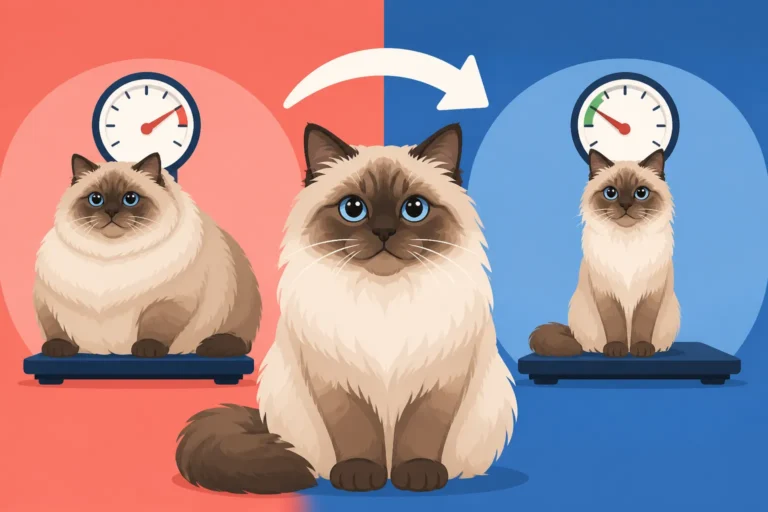
Maintaining their comfort and health remains paramount. Ensure they have comfortable, warm beds if their metabolism is indeed slowing and they feel the cold more. Keep up with their grooming, perhaps using gentle tools from a brand like Amazon or Chewy, to prevent mats that could lead to discomfort. Feed them a high-quality, age-appropriate diet to support their overall health, including their skin and coat. The deepening of their points is a beautiful aspect of their journey, a visual record of their long and loving life by your side. Caring for a Himalayan Whose Points Have Gone Dark offers practical advice on these specific needs.
Disclaimer
This article is for general informational purposes only and does not constitute professional advice. Laws, prices and regulations vary by location and change over time. Consult a qualified professional for guidance on your specific situation.