Why a Himalayan’s Pedigree Should Show Its Persian Side
Himalayan cat pedigrees often feature Persian ancestry because registries like the Cat Fanciers Association classify them as Persians.
The price tag is the smallest number.
Purchase and adoption costs, insurance, routine vet care, food and grooming budgets, and the emergencies that change the total.
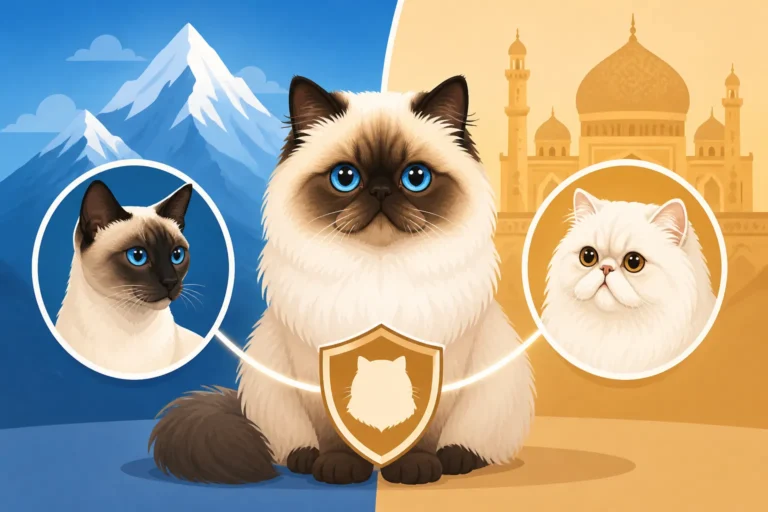
Himalayan cat pedigrees often feature Persian ancestry because registries like the Cat Fanciers Association classify them as Persians.
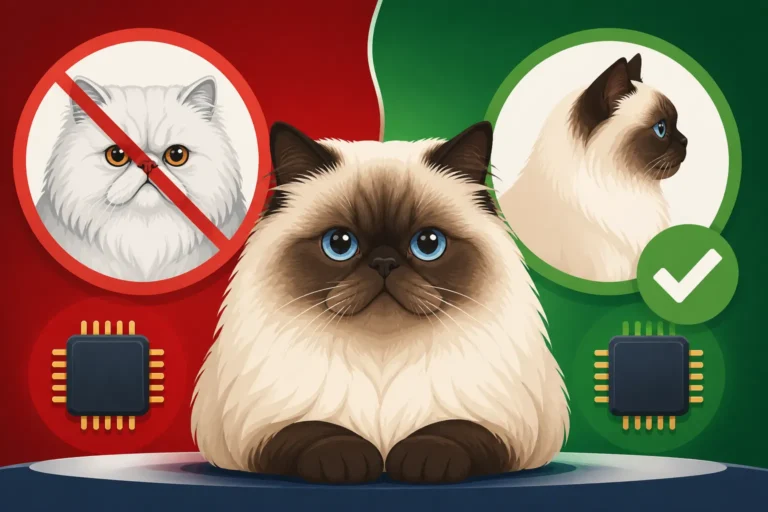
Himalayan microchip records listing Persian as the breed stem from a 1984 registry merger involving 1930s Siamese and Persian crosses.
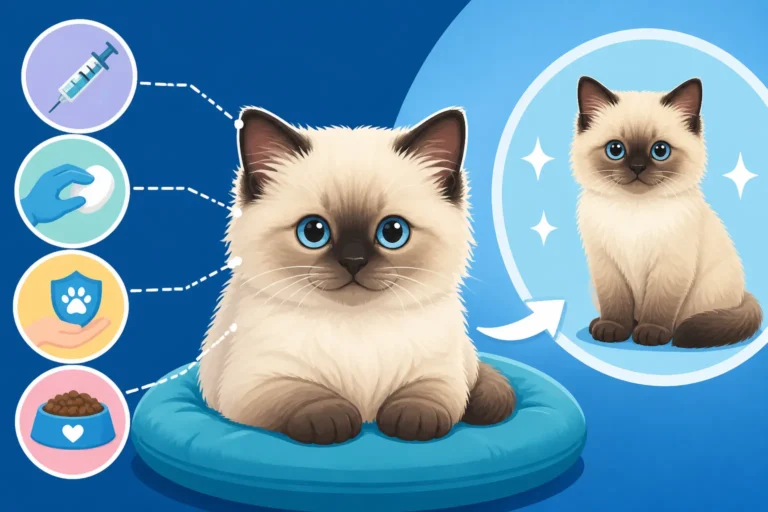
Early veterinary care and newborn checks monitor a Himalayan kitten for congenital defects before color points fully develop.
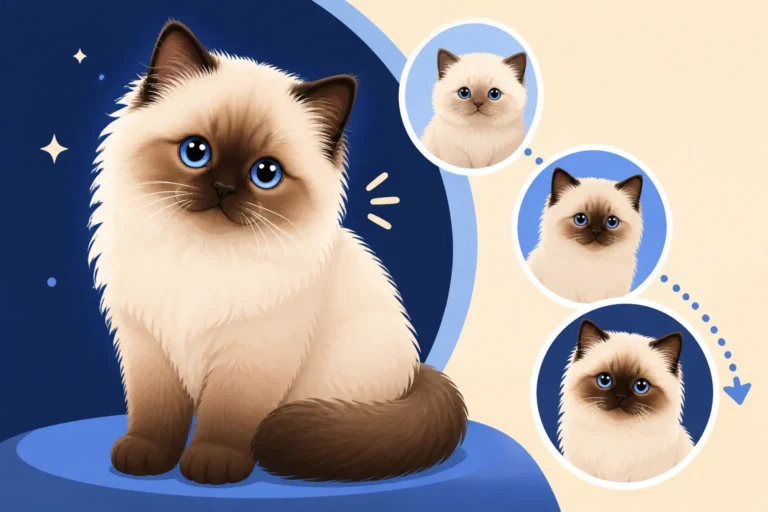
Himalayan kitten point settling explains temperature-sensitive genetics and color contrast development before home placement.

Himalayan kitten point genetics, temperature-sensitive gene effects, and environmental factors explain why incorrect coat colors develop.
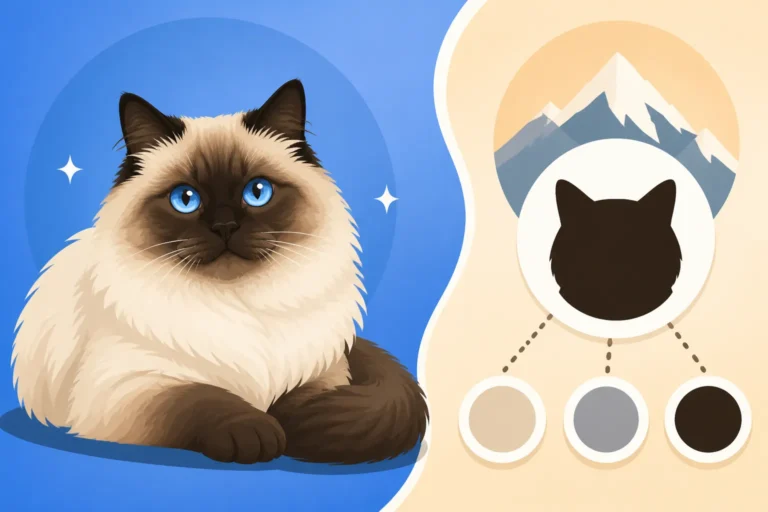
Himalayan kitten deposits and temperature-sensitive genetics explain why point colors develop slowly over several weeks.
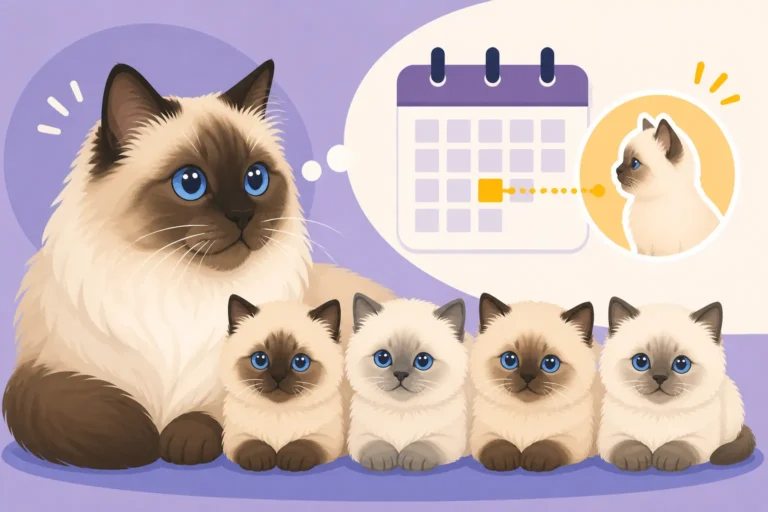
Reserving a Himalayan kitten by point color depends on a temperature-sensitive gene, allowing breeders to make educated guesses at two to three weeks.
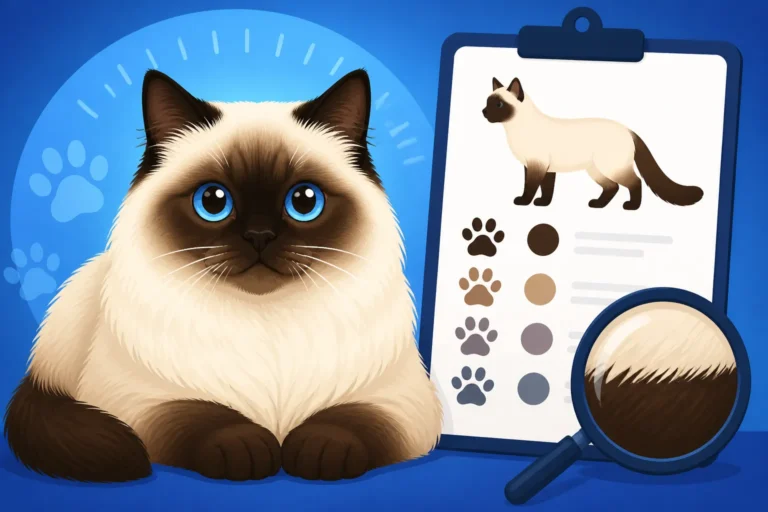
Himalayan cat point color recording involves tracking temperature-sensitive genes and base coat genetics on official pedigree papers.
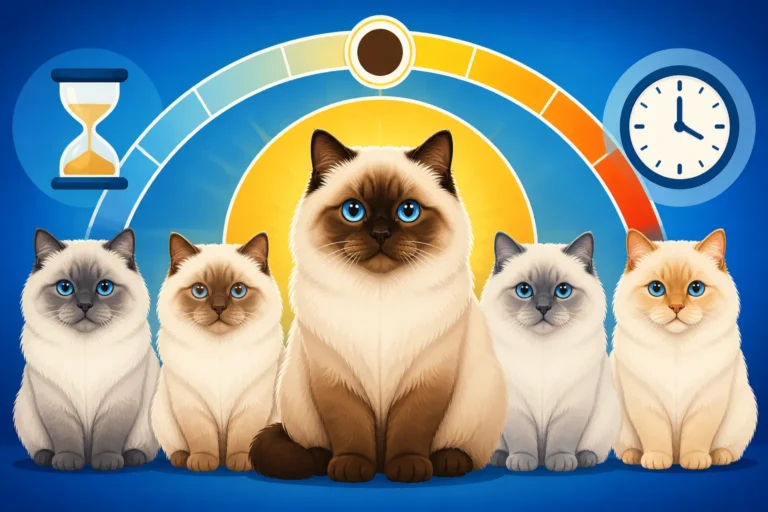
Himalayan point cat breeding requires specific recessive gene combinations to produce rare chocolate and lilac color variations.
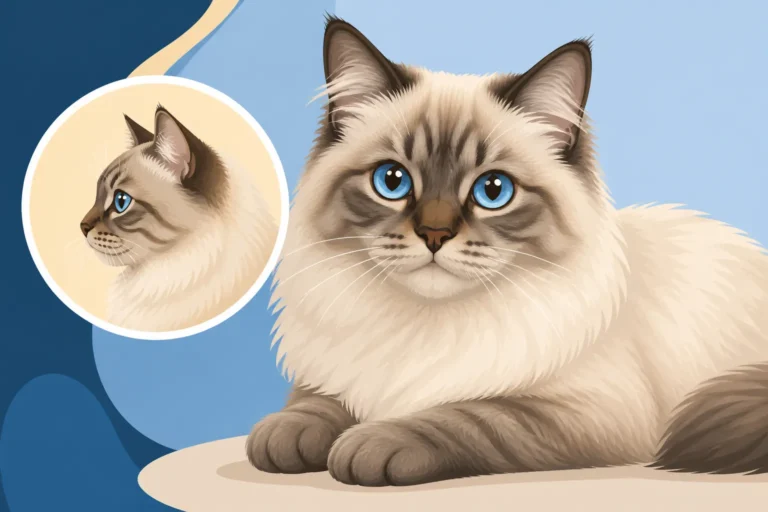
Lynx Point Himalayan cats feature striped tabby markings on their cooler extremities instead of solid colors and have a distinct forehead mark.