The Year CFA First Accepted the Himalayan
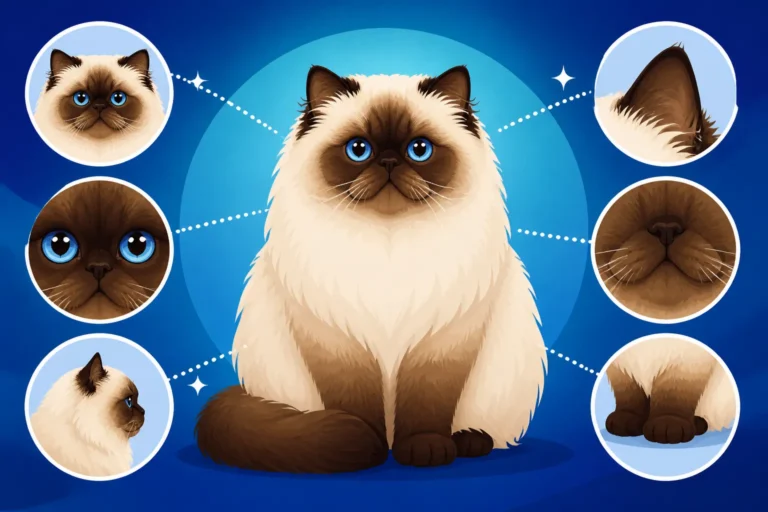
There's a unique blend of excitement and apprehension when you're looking into a new cat breed, especially one as captivating as the Himalayan. Many of us fall in love with their stunning blue eyes and luxurious coats, but then we dive into the history and suddenly find ourselves wading through a sea of conflicting information about their official status. It can be incredibly frustrating to discover that the breed you adore might not always have been recognized, or that its recognition status has changed over time. This guide is here to untangle that knot of confusion, focusing specifically on the pivotal year when the Himalayan cat first earned its stripes in the eyes of the Cat Fanciers' Association (CFA), giving you a clearer picture of their journey to stardom.
The Dawn of a New Breed: Early Recognition Efforts
Imagine a time when the idea of a long-haired, blue-eyed, colorpoint cat was utterly revolutionary. The Himalayan, as we know and love it today, didn't just appear overnight. It was the result of dedicated, sometimes painstaking, effort by pioneers who dared to dream of combining the majestic coat of a Persian with the striking point coloration of a Siamese. This wasn't a casual backyard breeding project; it was a scientific endeavor that laid the groundwork for what would become one of the most beloved cat breeds in the world.
The Genesis of the Himalayan Dream
The story of the Himalayan truly begins in the academic halls of Harvard University in the 1930s, which might surprise many people! It wasn't just about creating a beautiful new cat; it was a genetic experiment. Researchers like Clyde Keeler and Virginia Cobb were deeply interested in studying heredity, particularly how certain traits like coat color and length were passed down through generations. They embarked on a fascinating cross-breeding program, mating Siamese cats with Persians. The goal was to see if they could produce a cat that possessed the long, flowing coat of the Persian along with the distinctive colorpoint pattern of the Siamese.
This initial work was documented in scientific papers, truly solidifying the genetic basis for what they were creating. It wasn't about winning ribbons yet; it was about scientific understanding. But from these early experiments, the undeniable charm of these new "Siamese-Persians" began to emerge. The first generation crosses didn't look exactly like the Himalayans we adore today, but they carried the necessary genetic blueprint. It took several generations of careful back-crossing and selective breeding to refine the look, focusing on those hallmark traits: the luxurious coat, the sturdy body, and of course, those captivating blue eyes. This methodical approach was crucial in establishing a consistent type that breeders could then work with. You can delve deeper into the origins in The Himalayan Was Made at Harvard in the 1930s and Clyde Keeler, Virginia Cobb and the First Himalayan.
Early Challenges in Establishing a New Standard
Even with a clear genetic lineage and a growing number of beautiful examples, the path to official recognition for the Himalayan was anything but smooth. Every new breed faces an uphill battle, and the Himalayan was no exception. One of the biggest hurdles was simply convincing the established cat fancy world that this was a distinct and viable breed, not just a quirky variant or a passing fad. Breeders had to demonstrate consistency in appearance, temperament, and health across multiple generations. They needed to show that the cats bred true, meaning that when two Himalayans were bred together, they consistently produced kittens that also looked like Himalayans.
There was also the challenge of developing a breed standard—a detailed written description of the ideal Himalayan cat, covering everything from head shape and eye color to body type and coat texture. This standard needed to be precise enough to guide breeders and judges, ensuring uniformity and the preservation of desirable traits. Imagine trying to get a consensus on something so subjective across a community of passionate breeders! It required countless hours of discussion, exhibition at unofficial shows, and tireless advocacy. Breeders like Marguerita Goforth, who would become instrumental in the breed's acceptance, dedicated immense time and effort to these foundational tasks, traveling with their cats and advocating for their recognition. Her efforts were truly monumental, and you can learn more about her in What Marguerita Goforth Was to the Himalayan.
Stepping into the Spotlight: CFA's Initial Acceptance
After years of dedicated breeding, careful record-keeping, and persistent advocacy, the efforts of Himalayan enthusiasts finally paid off. The Cat Fanciers' Association (CFA), one of the largest and most influential cat registries in the world, cast its vote. This was a moment of immense triumph, marking the Himalayan's official entry into the competitive world of pedigreed cats.
The Momentous Decision of 1957
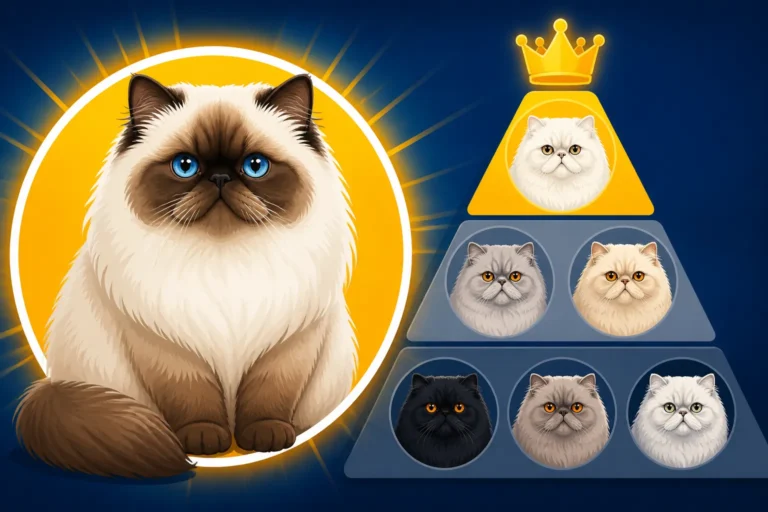
The year 1957 stands as a landmark in the history of the Himalayan cat. It was in this pivotal year that the Cat Fanciers' Association granted the Himalayan its initial recognition as a distinct breed. This wasn't a full championship status right away, but it was the crucial first step: provisional acceptance. This meant that Himalayans could now be shown in CFA-sanctioned events, albeit in a special class, vying for points towards championship status. It was a massive validation for the breeders who had poured their hearts and souls into creating and developing this magnificent feline.
For breeders like Marguerita Goforth, this decision was the culmination of years of hard work. She had tirelessly advocated for the Himalayan, showcasing its unique beauty and stable genetics. The acceptance by CFA, then already a venerable institution in the cat fancy, signaled to the broader community that the Himalayan was here to stay. It acknowledged that the breed had a consistent type, a dedicated following, and a future within the competitive show ring. This event solidified the breed's identity and gave breeders a clear path forward for formal competition and widespread recognition. You can read more about this significant event in Marguerita Goforth and the Himalayan's 1957 Recognition.
What Initial Acceptance Meant for Breeders
For the breeders who had dedicated themselves to the Himalayan, initial acceptance by CFA was akin to receiving a gold star in the cat world. It opened up a whole new realm of possibilities. Suddenly, their cats weren't just cherished pets or scientific curiosities; they were recognized pedigreed animals. This meant a few very important things:
- Legitimacy and Prestige: Official recognition by a major registry like CFA bestowed a significant level of legitimacy upon the breed. It told potential owners and other breeders that the Himalayan was a genuine, established breed, not a passing trend. This increased prestige naturally boosted demand and allowed breeders to feel confident in their continued efforts.
- Show Ring Opportunities: While not immediately eligible for full championship titles, provisional status allowed Himalayans to compete in certain classes. This was vital for breeders to showcase their cats, compare their breeding stock against the written standard, and receive feedback from experienced judges. It was a learning ground that helped refine breeding programs and further improve the breed.
- Increased Visibility and Popularity: Being listed in the CFA registry and featured in show catalogs meant vastly increased public awareness. People who had never heard of a Himalayan might now see one at a show or in a breed magazine. This exposure was critical for growing the breed's popularity and attracting new enthusiasts who would become future owners and breeders.
- A Clear Path to Championship: Initial acceptance was just the beginning. It set the stage for the breed to move through the various levels of recognition, eventually working towards full championship status. This provided a tangible goal for breeders and galvanized the community to continue striving for excellence in their breeding programs. The journey to full championship, though long, had officially begun.
Understanding the Cat Fanciers' Association (CFA) Landscape
To fully appreciate the significance of the Himalayan's acceptance, it's helpful to understand the organization that granted it. The Cat Fanciers' Association, or CFA, isn't just a club; it's a monumental force in the world of pedigreed cats, shaping breed standards and influencing the very direction of cat breeding for well over a century.
CFA's Role in Cat Fancy History
The Cat Fanciers' Association holds a unique and revered place in the history of cat fancy. Established in 1906, it quickly grew to become one of the largest and most respected cat registries globally. Its mission has always been multifaceted: to promote the welfare of all cats, to maintain accurate pedigrees for various breeds, and to encourage responsible breeding practices. For decades, CFA has been the gold standard for many breeders, and its decisions carry immense weight.
CFA isn't just about registering cats; it's about preserving breed integrity. They publish breed standards, which are essentially the blueprints for what an ideal cat of each recognized breed should look like and behave. These standards guide judges in the show ring and breeders in their selective breeding programs. Through its vast network of cat clubs, licensed shows, and educational initiatives, CFA has played a crucial role in documenting the lineage of countless purebred cats, helping to ensure the health and consistency of various breeds. When a breed receives recognition from CFA, it signifies that it has met rigorous criteria and is deemed a stable, distinct, and worthy addition to the pedigreed cat world.
How a Breed Achieves Recognition with CFA
The process for a new breed to achieve recognition with CFA is comprehensive and can take many years, if not decades. It's a testament to the dedication of breeders that any new breed makes it through the system. It certainly wasn't an easy road for the Himalayan.
First, breeders must demonstrate a consistent type. This means showing that when specific cats are bred, their offspring reliably exhibit the desired traits, from coat color and pattern to body structure and temperament. It's about proving that the breed "breeds true." This requires meticulous record-keeping, careful selection of breeding pairs, and a deep understanding of genetics.
Next, the breeders must develop a written breed standard. This document outlines every physical and temperamental characteristic of the ideal cat for that breed. It's what judges use in the show ring, and it's what breeders strive for in their programs. This standard goes through multiple revisions and discussions to ensure it's clear, comprehensive, and accurately reflects the breed's unique qualities.
After establishing a consistent type and a written standard, the journey involves several stages of recognition:
- Provisional Status: This is typically the first step. Cats of the aspiring breed can be shown in specific exhibition classes, allowing judges and the public to become familiar with them. During this phase, breeders gather feedback and continue to refine their lines. This is the stage the Himalayan reached in 1957.
- Miscellaneous Class: After provisional status, a breed might move to the miscellaneous class, where they are still not eligible for championship points but are more formally evaluated.
- Championship Status: This is the ultimate goal. Once a breed achieves championship status, its individual cats can compete for titles like Grand Champion, Best in Show, and other prestigious awards, fully integrating them into the CFA show system.
Each stage requires a significant number of cats to be registered, consistently exhibited, and proven to meet the standard. It's a rigorous process designed to protect the integrity of the existing breeds and ensure that any new additions are truly deserving.
The Impact of CFA Acceptance on the Himalayan Breed
The 1957 decision by CFA to recognize the Himalayan was a watershed moment, fundamentally altering the trajectory of the breed. It moved the Himalayan from a promising experimental cross to a legitimate contender in the hearts of cat lovers and the competitive show halls.
Spreading Popularity and Breeder Enthusiasm
With CFA's provisional acceptance in 1957, the Himalayan breed received a stamp of approval that fueled an explosion of popularity and invigorated the breeding community. Suddenly, the unique charm of these "pointy Persians" was no longer a secret confined to a few dedicated fanciers. Publications like Cat Fancy magazine, which were gaining traction at the time, would feature these stunning newcomers, showcasing their distinctive blue eyes, luxurious coats, and striking colorpoint patterns. This exposure led to a surge in interest from prospective pet owners who were captivated by their beauty and sweet temperament.
Breeders, previously working with less formal recognition, now had a clear framework and a powerful incentive to continue their work. The ability to register their cats with CFA, even if only provisionally, added significant value and legitimacy to their breeding programs. More individuals were drawn to breeding Himalayans, expanding the gene pool and accelerating the development of the breed. This era saw dedicated catteries emerge, often focusing on specific point colors or facial types. For example, some might specialize in a classic seal point, while others worked on the elegant blue point. How Many Himalayans Existed at Recognition would have been a number that began to grow exponentially during this period, as the breed found its footing in the wider cat community. The enthusiasm was palpable, creating a vibrant network of breeders and owners committed to the Himalayan's future.
Solidifying the Himalayan's Place in Cat Shows
CFA acceptance wasn't just about popularity; it was about solidifying the Himalayan's position in the competitive world of cat shows. Before 1957, Himalayans might have been seen in informal exhibitions or local shows, but they lacked the formal platform and recognition to truly shine. Provisional status changed that.
Now, Himalayan cats could be entered into CFA-sanctioned events, albeit in non-championship classes initially. This allowed them to be judged against their specific breed standard by experienced CFA judges. This was an invaluable opportunity. Judges' critiques, even if they weren't awarding championship points, provided crucial feedback to breeders on how well their cats met the ideal "type." This feedback was instrumental in guiding breeding decisions, helping fanciers to refine their lines, improve specific traits, and ultimately produce cats that more closely conformed to the established standard.
The experience of participating in shows also helped to educate the public and other breeders about the Himalayan. Seeing these beautiful cats up close, groomed to perfection, and presented by their proud owners, dispelled any lingering doubts about their status as a legitimate breed. It allowed visitors to appreciate their unique blend of Persian majesty and Siamese point coloration. This visibility not only increased demand for pets but also attracted new breeders who wanted to contribute to the breed's development. Ultimately, this formal entry into the show circuit paved the way for the Himalayan to eventually achieve full championship status and become a familiar and beloved sight in show halls across the country.
The Shifting Sands of Registry Policies: A Look Ahead
While 1957 was a triumphant year for the Himalayan, the world of cat fancy, like any other sphere, is dynamic and subject to change. Understanding the initial acceptance means also acknowledging that the journey of the Himalayan with CFA didn't end there. Its story continued to evolve, demonstrating how even established breeds can experience shifts in their official categorization.
The Seeds of Future Changes
The initial acceptance of the Himalayan by CFA in 1957 was a momentous occasion, but it wasn't the final chapter in the breed's relationship with the organization. The very nature of the Himalayan, being a cross between a Persian and a Siamese, carried within it the potential for ongoing discussions and re-evaluations within the cat fancy. The Himalayan shared so many physical traits with the Persian—the cobby body, the luxurious long coat, the distinctive facial structure—that some within the cat community began to view it less as a totally separate breed and more as a color variant of the Persian.
This perspective gained traction over the decades. As more Himalayans were bred and shown, and as the Persian breed itself continued to evolve, the lines between them, particularly regarding body and head type, became increasingly blurred. The unique aspect of the Himalayan was primarily its colorpoint pattern and blue eyes, traits that could theoretically be considered within the broader Persian framework. These discussions, sometimes quite passionate, ultimately led to a significant reclassification within CFA many years after their initial acceptance. This future decision, which would integrate the Himalayan into the Persian breed as a "Himalayan Division" or "Colorpoint Persian," was a monumental shift that continues to influence how the breed is viewed and registered today. You can read more about this later change in Why CFA Merged the Himalayan With the Persian.
Living with a Recognized Breed
For owners and breeders alike, having the Himalayan recognized by a major organization like CFA means a great deal, regardless of how its status might have evolved over time. When you bring a Himalayan into your home, whether as a beloved pet or a show prospect, you are welcoming a cat with a documented heritage and a clear standard of care and appearance. This recognition ensures that there's a community dedicated to its well-being and preservation.
It means that when you're seeking a reputable breeder, you can ask for CFA registration papers and pedigree information, which offers a level of assurance about the cat's lineage and adherence to breed standards. It also means that there are resources available, from breed clubs to veterinary advice tailored to the Himalayan's specific needs, like grooming the dense coat or addressing potential flat-faced concerns. For instance, finding breed-specific food bowls suitable for their unique facial structure or specialized grooming tools is easier because of their recognized status. Many online retailers, like Chewy, make it easy to find these specific items by filtering for breed or specific health needs.
The recognition also supports ongoing health research and genetic testing within the breed, which is crucial for the long-term health of our feline companions. When you love a Himalayan, you're not just loving a cat; you're loving a legacy, a breed that has overcome challenges and earned its place in the pantheon of pedigreed cats.
| Year | Key Event in Himalayan CFA History | Significance |
|---|---|---|
| 1930s | Harvard breeding experiments begin | Genetic foundation of the breed established by Keeler & Cobb. |
| 1950s | Marguerita Goforth's advocacy | Tireless work to promote and standardize the Himalayan in the US. |
| 1957 | CFA Grants Provisional Status | Official recognition as a distinct breed; allowed showing in special classes. |
| 1960s | Breed gains full Championship status | Himalayans could compete for top titles in the show ring. |
| 1984 | CFA merges Himalayan into Persian | Reclassified as a "Colorpoint Persian" or "Himalayan Division" of the Persian breed. |
Why Registry Changes Happen: A Look at the CFA's Evolution
The story of the Himalayan's acceptance isn't static. What was true in 1957, or even in the 1960s when the breed achieved full championship status, evolved significantly. CFA, like any large organization, reviews its standards and classifications periodically, making decisions based on the collective consensus of breeders, judges, and the overarching goals of the registry.
The Philosophical Debate: Breed or Division?
The reclassification of the Himalayan from a standalone breed to a division of the Persian breed within CFA in 1984 sparked considerable debate and continues to be a point of discussion among fanciers. At its heart, the philosophical question was whether the Himalayan was truly distinct enough to warrant its own separate breed status, or if its primary difference—the colorpoint pattern and blue eyes—was simply another coat color variation within the Persian family. Advocates for separate breed status emphasized the Siamese ancestry and the unique blend of traits. They saw the Himalayan as a bridge between two distinct genetic lines, deserving of its own identity.
However, the argument for merging them often centered on the overwhelming physical similarities to the Persian. Aside from the points, a Himalayan shared the Persian's cobby body, short legs, round head, small ears, and luxurious coat. Many argued that maintaining two separate standards for cats that were so structurally similar was redundant. From CFA's perspective, simplifying the registry and recognizing the strong genetic and phenotypic overlap made practical sense. By classifying Himalayans as "Colorpoint Persians," they affirmed the breed's close genetic ties to Persians while still acknowledging its unique color pattern. This decision, controversial as it was for some, reflected an ongoing effort to categorize breeds logically and efficiently within the registry's framework. Why CFA Made the Himalayan a Persian Division in 1984 delves deeper into this pivotal change.
Navigating the Current Landscape of Registration
Today, if you're looking to acquire a Himalayan, understanding the nuances of its registration status is key, especially given CFA's 1984 decision. While CFA now registers Himalayans as "Persian – Himalayan Division," other major registries, such as The International Cat Association (TICA), continue to recognize the Himalayan as a standalone breed. This creates a fascinating, albeit sometimes confusing, dual identity for our beloved pointed Persians.
As a prospective owner, it's crucial to clarify with your breeder which registry they use and how your kitten's papers will reflect its heritage. If you're interested in showing your cat, this distinction is particularly important, as the rules and judging criteria can vary between organizations. A cat registered as a Persian in CFA will be judged against the Persian standard, with its points being a specific color division. In TICA, it would be judged against the Himalayan standard. Many dedicated Himalayan breeders take pride in preserving the original distinct identity of the breed, even while navigating the different registry policies. Regardless of the paperwork, the magnificent cat you bring home remains the same sweet, blue-eyed companion. When getting supplies, like premium food or grooming tools for that incredible coat, it's easy to find everything you need from online pet supply retailers such as Chewy, no matter what its registration says. Always ask your breeder for clarity on the specific registration of the kitten you're interested in, and don't hesitate to ask questions about the various cat associations to ensure you're making an informed choice. What your Himalayan's certificate actually says can be a point of discussion, but the love it brings is universal. What Your Himalayan's Certificate Actually Says can provide more detail on this topic.
Disclaimer
This article is for general informational purposes only and does not constitute professional advice. Laws, prices and regulations vary by location and change over time. Consult a qualified professional for guidance on your specific situation.