Why a Himalayan’s Face Must Be Wiped Every Day
If you've ever owned a Himalayan cat, you're all too familiar with the struggle: those beautiful, expressive blue eyes are often accompanied by tell-tale dampness and unsightly tear stains. It can feel like a never-ending battle to keep their exquisite faces clean and pristine, a constant chore that many new owners don't anticipate. This guide will walk you through exactly why a Himalayan's face absolutely demands daily wiping and provide you with actionable steps to maintain their health and stunning appearance.
The Unique Anatomy That Makes Daily Face Wiping Essential
Let's be real, the Himalayan cat's charm lies largely in that gorgeous, doll-like or famously flat "Peke" face, those captivating blue eyes, and that luxuriant coat. But these very features, while aesthetically pleasing, are also the root cause of their particular grooming needs. It’s not just about appearances; it's about comfort and preventing serious health issues.
The Impact of a Flattened Muzzle and Shortened Tear Ducts
Unlike cats with longer muzzles, a Himalayan's facial structure, especially those with the more extreme "Peke-face" profile, means their tear ducts often don't follow a straight path. Instead, they can be curved, kinked, or even partially blocked. This isn't a defect; it's just how their anatomy is built. When the tear ducts can't properly drain tears into the nasal cavity as they should, those tears have nowhere to go but out onto their face.
Think of it like a plumbing system with a bent pipe. The water (tears) backs up and overflows. This constant overflow creates a damp environment around the eyes and down the sides of the nose. It's not just a little moisture; it can be a persistent, noticeable wetness that, left unchecked, leads to a host of other problems. It's a fundamental aspect of Why a Himalayan's Eyes Water All Day.
The Problem with Skin Folds and Dampness
Another defining characteristic of many Himalayans, particularly those with flatter faces, are the delicate skin folds around their nose and under their eyes. These folds, while contributing to their adorable expression, are also perfect little nooks and crannies for moisture and bacteria to gather. When tears constantly spill over, these folds become perpetually damp.
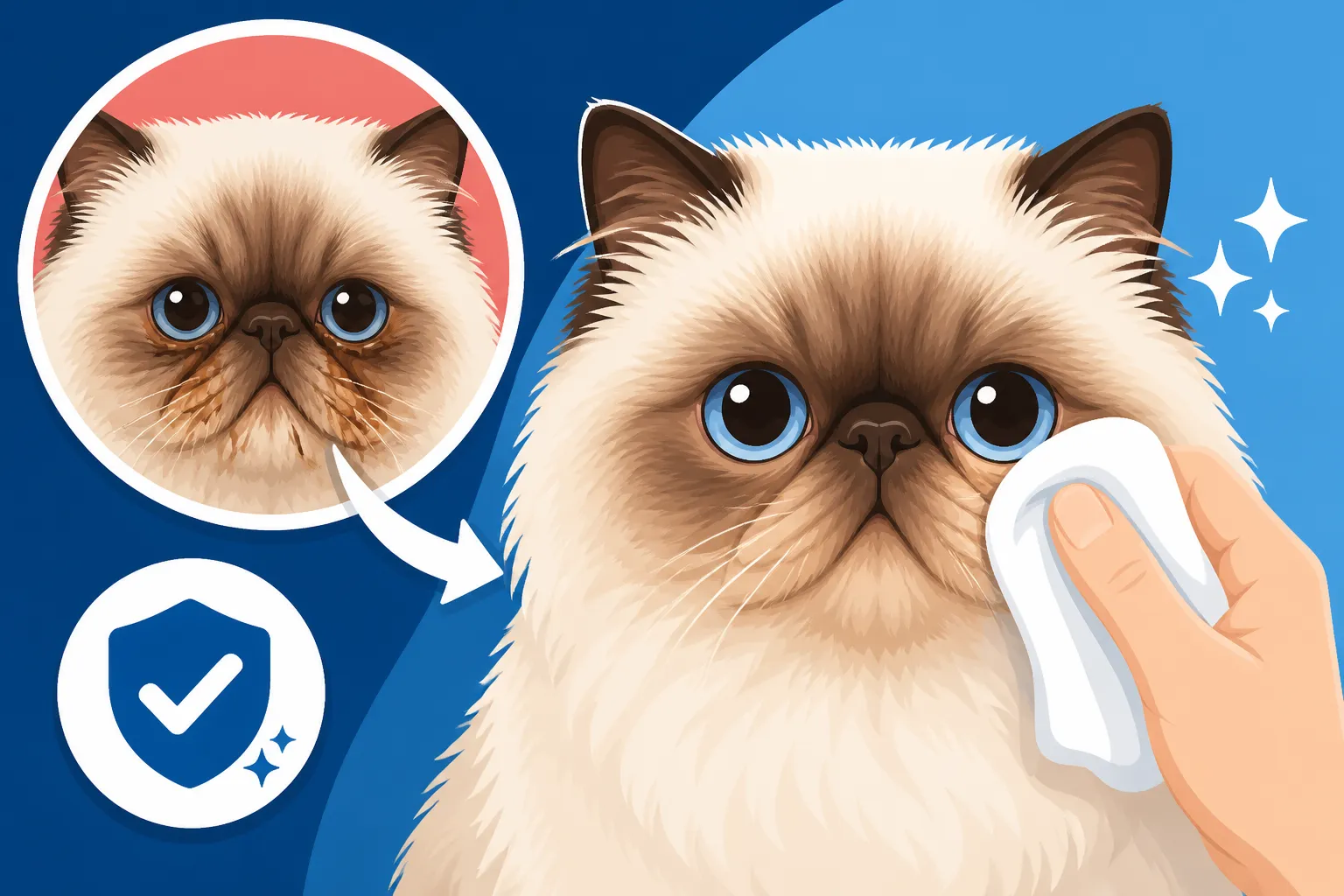
This creates an ideal breeding ground for yeast and bacteria. You might notice a reddish-brown discoloration, which isn't just a stain from the tears themselves but often indicates the presence of yeast. Beyond the discoloration, this dampness can lead to irritation, itchiness, and eventually, a full-blown skin infection known as dermatitis. Imagine having constantly damp skin in a wrinkle – it's uncomfortable, itchy, and prone to breaking down. Owners often struggle to prevent How Fold Dermatitis Starts Beside a Himalayan's Nose.
How Eye Shape Contributes to the Problem
Himalayans are known for their large, round, expressive blue eyes. While undeniably beautiful, the shape and often slightly bulging nature of these eyes can mean they are more exposed to the air and environmental irritants. This increased exposure can lead to the eyes producing even more tears as a protective mechanism.
Furthermore, some Himalayans can be prone to entropion, a condition where the eyelid rolls inward, causing the eyelashes to rub against the cornea. This is incredibly irritating and painful, leading to excessive tearing as the eye tries to flush out the irritant. Left untreated, entropion can cause corneal ulcers and even vision impairment. It’s a serious concern, and you can learn more about What Entropion Does to a Himalayan's Blue Eye. Even without entropion, the combination of exposed eyes and tear duct issues means a constant flow of moisture that demands attention.
The Health Implications of Neglecting Daily Face Care
It's tempting to think of tear stains as purely a cosmetic issue, especially when you're busy, but ignoring daily face wiping can lead to significant discomfort and health problems for your Himalayan. This isn't just about keeping them looking pretty; it's about their well-being.
Preventing Skin Infections and Dermatitis
As we touched on, the perpetually damp skin folds are a recipe for disaster. Without daily cleaning and drying, these areas become prime real estate for yeast and bacterial overgrowth. This leads to what's often called "fold dermatitis." You'll notice a distinct odor, the fur might become matted and sticky, and the skin beneath could be red, inflamed, and painful. In severe cases, the skin can break down, leading to open sores that are not only agonizing for your cat but also much harder and more costly to treat.
A mild case might just be an unpleasant smell and some discoloration, but it can quickly escalate. Imagine having a persistent rash that you can't scratch or clean yourself. Your cat relies on you to prevent this. Daily wiping removes the moisture and the nutrient source for these microorganisms, keeping the skin healthy and intact. This is especially true for Why Tear Stains Are Worse on a Cream Bodied Himalayan where the contrast makes the issue more visible and potentially more irritating.
Addressing Eye Irritation and Ulcers
The constant presence of tears on the delicate skin around the eyes, combined with bacterial and yeast growth, can lead to chronic irritation. This irritation isn't just skin deep; it can also affect the eyes themselves. The pH of tears can change, and the byproducts of bacterial growth can become acidic, stinging the eyes.
More seriously, if the irritation leads to your cat pawing at their face, they could inadvertently scratch their cornea, leading to a corneal ulcer. As we discussed, conditions like entropion further exacerbate this risk. A corneal ulcer is a serious eye emergency that requires immediate veterinary attention and can, if left untreated, lead to permanent vision loss. Daily cleaning removes irritants and helps you monitor your cat's eyes for any signs of discomfort, redness, or cloudiness. Regular examinations are crucial, as discussed in How Often a Himalayan's Eyes Should Be Examined.
Avoiding Odor and Discomfort
Beyond the medical complications, simply having a constantly damp, potentially infected face is uncomfortable for your cat. The smell can also become quite noticeable to humans. That distinct yeasty, slightly sour odor is a clear sign that bacteria or yeast are thriving on your cat's face.
Think about how uncomfortable it is to have wet skin under a band-aid for too long, or how an unwashed face can feel. Your Himalayan experiences a similar, if not worse, sensation when their face is neglected. It can lead to them being less willing to be handled around their face, or even cause them to retreat from interaction. Regular wiping not only keeps them clean and healthy but also ensures they remain comfortable and happy in their own skin.
The Daily Ritual: Tools and Techniques for Effective Face Wiping
So, you're convinced that daily face wiping is non-negotiable. Now, how do you actually do it without turning it into a wrestling match or a daily stressor for both of you? It's all about having the right tools and a gentle, consistent approach.
Choosing the Right Wipes and Cotton Pads
When it comes to the products you use, gentleness and safety are paramount. You're dealing with very sensitive skin and eyes.
- Plain Water and Cotton Pads: For many Himalayans, especially those with less severe staining, plain lukewarm water and soft cotton pads or balls are perfectly sufficient. Avoid anything that sheds fibers, as these can irritate the eyes.
- Pet-Safe Eye Wipes: There are many commercially available pet-safe eye wipes designed specifically for cats. Look for wipes that are fragrance-free, alcohol-free, and ideally, free from harsh chemicals. Some contain natural cleansers like witch hazel or boric acid. Brands available on platforms like Chewy or Amazon often carry a variety of options. Always do a patch test on a small area first to ensure your cat doesn't have a reaction. Which Wipes Are Safe Around a Himalayan's Blue Eyes is a great resource for this.
- Specialized Tear Stain Removers: For persistent or severe rust-colored stains, you might consider a specialized tear stain remover. These often contain mild bleaching agents (like hydrogen peroxide) or enzymes that break down the porphyrin (a compound in tears that stains fur). Always use these with extreme caution, ensuring they are specifically formulated for pets and do not come into direct contact with the eye itself. Follow product instructions meticulously.
| Tool Type | Pros | Cons | Best For |
|---|---|---|---|
| Plain Water + Cotton | Gentle, inexpensive, readily available | May not remove stubborn stains, needs frequent re-wetting | Mild dampness, daily preventative cleaning |
| Pet-Safe Eye Wipes | Convenient, pre-moistened, often soothing | Can be more costly, some cats dislike the texture | Moderate staining, quick daily clean-ups |
| Tear Stain Removers | Effective on stubborn, dark stains | Requires careful application, can be harsh if misused | Deeply embedded, long-standing stains |
Gentle Cleaning Techniques
The key here is gentle persistence. Your Himalayan isn't going to appreciate a rough scrubbing session.
- Preparation is Key: Gather all your supplies before you start. Choose a quiet time when your cat is relaxed, perhaps after a nap or during a petting session. A calm environment makes a huge difference.
- Positioning: Gently hold your cat on your lap or on a grooming table if they're used to it. Speak softly and reassuringly.
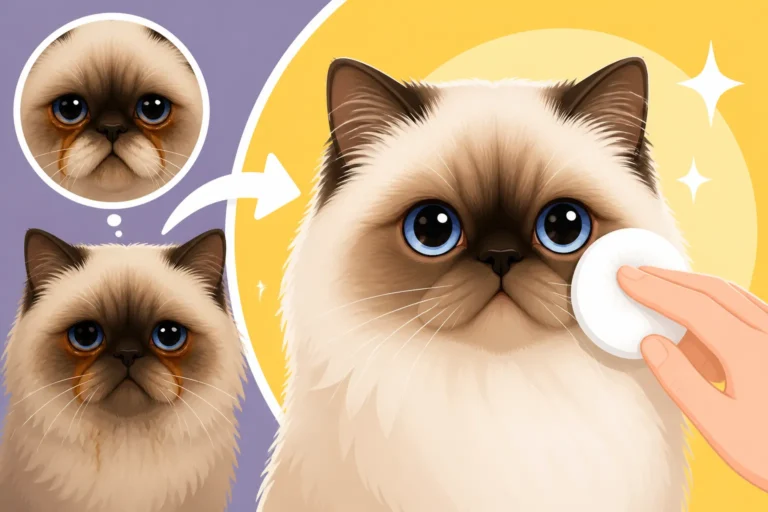
- Wipe the Eye Area: Take a fresh, damp cotton pad or wipe. Starting from the inner corner of the eye, gently wipe downwards and outwards, away from the eye itself. Use a fresh pad for each eye to prevent cross-contamination if one eye has an infection. Be careful not to press on the eyeball. You're aiming to remove the dampness and any crusty discharge.
- Clean the Nose Folds: For flatter-faced Himalayans, use a fresh corner of the wipe or another pad to gently clean any folds around the nose. Make sure to get into the folds, as this is where moisture accumulates most readily.
- Dry Thoroughly: This step is crucial and often overlooked. After wiping, use a clean, dry cotton pad or a soft, clean cloth to gently but thoroughly dry all the areas you've just cleaned, especially the folds. Removing all moisture helps prevent bacterial and yeast growth.
- Positive Reinforcement: End every session with praise, gentle petting, and a small treat. This helps your cat associate face wiping with positive experiences. The goal is for them to see it as a normal, non-threatening part of their day. You'll find that with consistency, the entire process of How Long a Himalayan's Face Routine Takes can be quite quick.
Dealing with Stubborn Stains
For those deeply embedded, rust-colored stains, a multi-pronged approach might be necessary:
- Consistency: The most important factor is consistent daily cleaning. Old stains won't disappear overnight, but new staining will be minimized, and existing stains will gradually fade as the affected fur grows out and is regularly cleaned.
- Trimming: Carefully trim any heavily stained fur around the eyes with blunt-nosed scissors. Be extremely cautious and only do this if you feel comfortable, or have a professional groomer or vet do it. This removes the stained hair, giving you a fresh start.
- Dietary Adjustments: Some owners find that certain ingredients in their cat's food can exacerbate tear staining. Switching to a high-quality, grain-free diet, or food with different protein sources, sometimes helps. Always consult your vet before making significant dietary changes.
- Water Quality: Using filtered water instead of tap water for drinking can sometimes make a difference, as minerals in tap water can contribute to staining.
Integrating Face Wiping into Your Himalayan's Daily Life
Making face wiping a seamless part of your cat's day is key to long-term success. It shouldn't be a battle, but a calm, expected routine.
Starting Early with Kittens
The absolute best time to introduce face wiping is when your Himalayan is a kitten. Kittens are generally more adaptable and accepting of new experiences. Start with very short, gentle sessions, just a quick dab, followed by praise and a treat. Gradually increase the duration as they get used to it.
The earlier you start, the more likely your cat will view face wiping as a normal, non-threatening interaction, rather than something to be feared or fought. This early training pays dividends throughout their life, ensuring that you can easily care for their face as they grow and their facial features fully develop, as detailed in When a Himalayan Kitten's Face Finishes Developing.
Making it a Positive Experience
Cats learn through association. If face wiping is always followed by something unpleasant, they will resist. If it's consistently followed by good things, they'll tolerate, and perhaps even enjoy, the attention.
- Treats, Treats, Treats: Have high-value treats ready. Give a treat during the wiping session (if safe) or immediately afterwards.
- Calm Demeanor: Your energy is contagious. If you're stressed or rushed, your cat will pick up on it. Take a deep breath, approach them calmly, and keep your voice soft and soothing.
- Short and Sweet: Especially in the beginning, keep sessions brief. It's better to have several very short, successful sessions than one long, traumatic one. As your cat becomes more accustomed, you can gradually extend the time.
- Routine: Cats thrive on routine. Try to wipe their face at the same time every day, perhaps after their morning meal or when they wake up from a nap. This predictability helps them accept it.
Consistency is Key
There's no magic bullet for Himalayan face care; it's the daily, unwavering commitment that truly makes a difference. Skipping even a day can allow moisture and bacteria to gain a foothold, undoing some of your hard work.
Think of it like brushing your own teeth – you wouldn't skip it for days on end and expect good oral hygiene. The same principle applies here. Daily consistency prevents minor dampness from becoming major irritation, and prevents light staining from becoming deep-set, dark streaks.
It's a small investment of time each day that yields huge returns in your Himalayan's comfort, health, and stunning appearance. It’s part of the commitment you make to these beautiful creatures, ensuring they live their happiest, healthiest lives. Remember, a clean face is a comfortable face, and a comfortable cat is a happy cat.
Disclaimer
This article is for general informational purposes only and does not constitute professional advice. Laws, prices and regulations vary by location and change over time. Consult a qualified professional for guidance on your specific situation.