Whether Any Supplement Stops a Himalayan Staining
Oh, the infamous tear stains! If you're a Himalayan parent, you know the daily struggle: those reddish-brown streaks marring your beautiful cat's otherwise pristine face. It’s frustrating, disheartening, and often feels like a losing battle, leaving you wondering if there's any magic bullet out there. This comprehensive guide dives deep into the world of supplements and whether they can truly put an end to the persistent issue of tear staining on your beloved Himalayan's delicate face.
Understanding Himalayan Tear Stains Beyond Supplements
Before we even consider supplements, it's crucial to understand why Himalayans are so prone to tear stains. It's not just a random occurrence; it's often a direct result of their unique, charming, but sometimes challenging anatomy. You're not alone in this fight; nearly every Himalayan owner grapples with this at some point.
The Root Causes of Tear Stains in Flat-Faced Breeds
The truth is, your Himalayan's adorable flat face, a trait many of us adore, is often the primary culprit behind those unsightly tear stains. Unlike cats with more pronounced muzzles, Himalayans, descended from the Persian, have shortened tear ducts that simply don't drain tears efficiently. Think of it like a gutter system that's designed poorly – instead of flowing neatly into a drain, the water just spills over the sides.
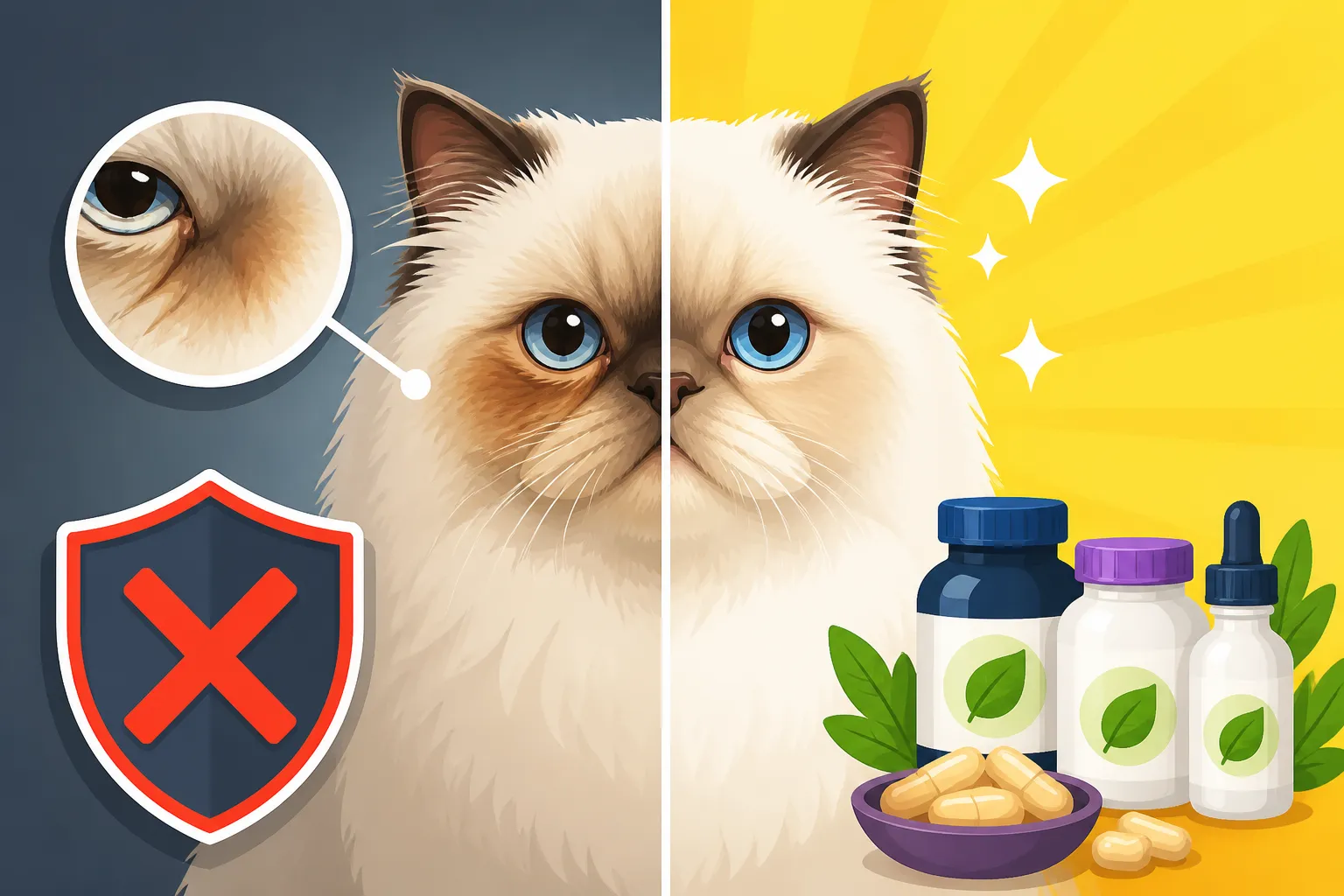
When tears don't drain properly through the nasolacrimal ducts, they overflow onto the fur around the eyes. This constant moisture creates a breeding ground for yeast and bacteria, particularly Porphyrin, a red-pigmented compound found in cat tears. When exposed to light, this porphyric pigment oxidizes, turning that clear tear into the reddish-brown stain you know all too well. It's not dirt, it's chemistry, happening right on your cat's face. The structure of their skull means that sometimes, even their lower eyelid can roll inward slightly, a condition called entropion, which causes irritation and even more tears. You can read more about what causes this in What Entropion Does to a Himalayan's Blue Eye.
When Staining Isn't Just a Cosmetic Issue
While often just an aesthetic nuisance, tear staining isn't always benign. Sometimes, those persistent stains are a signal that something deeper is amiss. It's important to differentiate between typical Himalayan tear flow and something that warrants a vet visit. If the staining suddenly worsens, or if the tears become thick, discolored (yellow, green), or have a foul odor, that’s a red flag.
These signs could point to an infection, an obstruction in the tear duct, allergies, or even a foreign body irritating the eye. A persistent dampness in the folds around the nose can also lead to skin irritation and dermatitis, which is far more uncomfortable for your cat than just a visual flaw. Your vet can use special dyes to check tear duct patency and look for any underlying eye conditions. While we all want a beautiful cat, our primary concern is always their comfort and health. For more on distinguishing between normal staining and a problem, see Telling Ordinary Himalayan Tear Staining From an Infection.
The Promise and Pitfalls of Tear Stain Supplements
The market is absolutely flooded with supplements promising to eliminate tear stains. It’s easy to feel overwhelmed and desperate enough to try anything when you're battling those stubborn marks. But do they actually work? And are they safe for your precious feline friend? Let's take a closer look.
Common Ingredients in Tear Stain Supplements and Their Claims
Many tear stain supplements contain a blend of ingredients, often touting natural remedies. Here are some of the most common ones you'll encounter and what they claim to do:
- Tylosin Tartrate: This is by far the most controversial ingredient. Tylosin is an antibiotic, and it was once widely used in many popular tear stain removers. The idea was that it would kill the bacteria (like Porphyrin-producing organisms) that cause the reddish discoloration.
- The Claim: Effectively eliminates the bacteria responsible for staining, leading to clear eyes and fur.
- The Reality: While it can be effective because it's an antibiotic, the use of antibiotics for cosmetic purposes is highly debated and often discouraged by veterinarians. Regular, low-dose antibiotic use contributes to antibiotic resistance, a serious public health concern. Many countries have now banned its over-the-counter use in supplements without a prescription. It's really something to be very, very cautious about.
- Cranberry Extract: Often marketed for urinary tract health, cranberry is now making its way into tear stain supplements.
- The Claim: Contains antioxidants and properties that reduce bacterial adhesion, theoretically preventing bacteria from settling around the eyes.
- The Reality: While cranberry has some anecdotal support for UTI prevention, there's very little scientific evidence directly linking it to the reduction of tear stains in cats. It's generally considered safe, but its efficacy for this specific issue is largely unproven.
- Marshmallow Root, Oregon Grape Root, Eyebright: These are herbal remedies frequently seen in "natural" formulations.
- The Claim: These herbs are often cited for their anti-inflammatory, antimicrobial, or soothing properties, aiming to reduce irritation and subsequent tear production. Eyebright, as the name suggests, has a long history in traditional medicine for eye health.
- The Reality: Similar to cranberry, while these herbs may have some traditional uses or general wellness benefits, robust scientific studies specifically proving their effectiveness in preventing or removing tear stains in cats are scarce. Safety is generally good, but always check with your vet, especially for long-term use.
- Probiotics/Prebiotics: These supplements aim to improve gut health, with the theory that a healthier gut leads to a healthier immune system and reduced inflammatory responses that might contribute to staining.
- The Claim: Balances the gut microbiome, strengthening the immune system, which in turn reduces yeast and bacterial growth contributing to tear stains.
- The Reality: Gut health is undeniably important for overall wellness, and some cats with digestive issues might see improvements in various areas with probiotics. However, a direct, scientifically proven link between probiotics and tear stain elimination is still largely theoretical and anecdotal for most cats.
What the Science (or Lack Thereof) Says
This is where it gets a bit tricky, and honestly, often disappointing for us pet parents. The vast majority of tear stain supplements on the market lack rigorous scientific studies to back up their claims. Many rely on anecdotal evidence or extrapolate from human studies that don't directly apply to feline physiology or the specific problem of tear staining.
For any non-prescription product, especially those available on platforms like Chewy or Amazon, the burden of proof for effectiveness falls primarily on the manufacturer, and often, that proof simply isn't there in a scientific, peer-reviewed sense. While some owners swear by certain products, it's hard to distinguish true efficacy from the placebo effect or changes in other care routines (like increased cleaning) that might coincide with starting a supplement.
The exception, of course, is Tylosin Tartrate when administered under veterinary guidance for a specific bacterial overgrowth. But again, that's a medical intervention, not a routine cosmetic supplement.
Buyer Beware: Understanding Supplement Regulations
The supplement industry for pets is far less regulated than prescription medications. This means that ingredient lists can sometimes be inaccurate, dosages can vary wildly, and the actual purity or potency of the ingredients might not be what's advertised. This lack of oversight is a huge concern, particularly when considering giving your cat something long-term.
Before you invest in any supplement, especially one with strong claims, always do your research and, more importantly, talk to your veterinarian. They can provide guidance on potential risks, interactions with any existing medications, and whether a supplement is genuinely necessary or just an expensive gamble. Remember, a reputable vet will always prioritize your cat's health over quick fixes.
A Holistic Approach to Managing Himalayan Tear Stains
Given the complexities and often unproven nature of supplements, many experienced Himalayan owners find that a holistic, multi-pronged approach is far more effective and safer in the long run. It's about diligent care, smart choices, and a lot of patience.
Daily Grooming: The Unsung Hero of a Clean Face
This might not be the exciting "magic pill" you hoped for, but daily grooming is unequivocally the most impactful strategy for managing tear stains on your Himalayan. Consistency is key here.
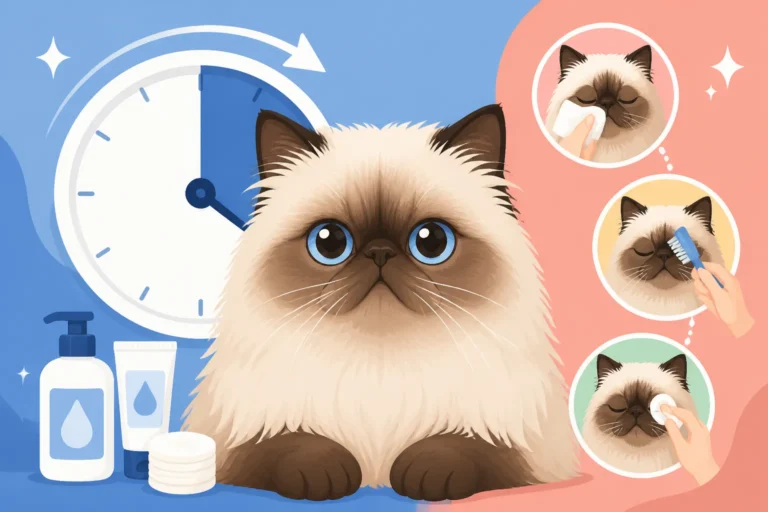
- Daily Wiping: Make it a habit to gently wipe your cat's eyes and the surrounding fur every single morning, and ideally, once more in the evening. Use a soft, damp cloth or a specialized pet eye wipe. Many owners find sterile saline solution or cooled, boiled water sufficient. The goal is to remove the tears before they have a chance to dry and oxidize, preventing the stain from setting in. Be especially thorough in the folds around their nose and under their eyes, where moisture can accumulate. You can learn more about this in How Long a Himalayan's Face Routine Takes.
- Trimming the Fur: Carefully trim the hair around your Himalayan's eyes with blunt-nosed scissors. Long fur can wick tears, acting like little sponges that hold moisture against the skin and accelerate staining. Trimming reduces this surface area and helps keep the area drier. If you’re nervous about this, ask your vet or a professional groomer to show you how or do it for you.
- Drying the Area: After wiping, gently pat the area dry with a clean, soft tissue or cotton pad. Keeping the area dry is crucial for preventing yeast and bacterial growth that contribute to the rust-colored stains. The combination of moisture and warmth from their body creates the perfect breeding ground.
| Grooming Tool | Purpose | Why it Helps Himalayans |
|---|---|---|
| Soft Cotton Pads/Balls | Gentle application of water/cleaner | Less abrasive than tissues, prevents irritation. |
| Pet-Specific Eye Wipes | Pre-moistened, often with gentle cleansers | Convenient, formulated for feline pH, safe for eyes. |
| Blunt-Nosed Scissors | Trimming fur around eyes | Reduces tear wicking, prevents matting in delicate areas. |
| Fine-Toothed Comb | Gently removing crusts or debris | Detangles small mats around the eyes, aids cleanliness. |
Dietary Considerations for Reducing Tear Stains
What goes into your Himalayan's bowl can also play a role in their tear staining. While diet isn't a direct cause of all staining, certain factors can exacerbate it.
- High-Quality Food: A well-balanced diet with quality ingredients supports overall health, including skin and coat condition. Some anecdotal evidence suggests that foods with artificial colors, fillers, or lower-quality proteins might increase inflammatory responses or simply lead to poorer overall health, which could indirectly affect tear composition. Look for foods with clearly identifiable protein sources and minimal artificial additives. Many pet parents find great options this way, though remember to always check ingredients specific to feline needs.
- Filtered Water: Tap water, especially in areas with high mineral content, can sometimes contribute to staining by leaving mineral deposits or altering the pH around the eyes. Switching to filtered or distilled water for drinking might make a noticeable difference for some cats. It's a simple change, but worth trying. You'd be surprised how important water quality can be; you can read more about it in How Much Water a Himalayan Should Get Through.
- Appropriate Bowls: Your Himalayan's flattened face means that deep, narrow bowls can be awkward for them to eat and drink from. They might dunk their face more, getting food and water into their fur around their eyes and chin, which then contributes to moisture and staining. Consider wide, shallow ceramic or stainless steel bowls. Plastic bowls can sometimes harbor bacteria and also contribute to chin acne, which is another form of irritation.
Environmental Factors That Influence Staining
Believe it or not, your home environment can also play a part in how much your Himalayan stains.
- Air Quality: Dust, pollen, household cleaners, and even strong perfumes or air fresheners can act as irritants, causing your cat's eyes to water more. Ensuring good air circulation and using air purifiers, especially in rooms where your cat spends a lot of time, can reduce these irritants.
- Allergens: Just like people, cats can suffer from environmental allergies. If your Himalayan is sensitive to pollen, dust mites, or certain fabrics, their eyes might water excessively as an allergic response. Identifying and minimizing exposure to these allergens can help reduce tear flow.
- Stress: While not as direct, stress can sometimes manifest in physical symptoms in cats, including increased grooming (which can spread tears) or changes in body chemistry. A calm, consistent home environment is always beneficial for your Himalayan's overall well-being.
When to Consult Your Vet About Persistent Tear Stains
While many tear stains are just a part of living with a Himalayan, there are definite times when you absolutely need professional veterinary advice. Don't hesitate or try to self-diagnose when these signs appear.
Recognizing Signs of Underlying Health Issues
Beyond just the reddish discoloration, pay close attention to other symptoms accompanying the tear staining. These could indicate a more serious underlying problem that no over-the-counter supplement can fix.
- Changes in Tear Consistency or Color: If the tears suddenly become thick, yellowish, greenish, or cloudy, it strongly suggests an infection. This needs immediate veterinary attention.
- Odor: A foul smell coming from the stained area is another sign of bacterial or yeast infection.
- Rubbing or Pawing at Eyes: If your Himalayan is constantly pawing at their face, rubbing their eyes on furniture, or seems generally uncomfortable, it indicates irritation or pain. This could be due to something physically irritating the eye, like an eyelash, or an ulcer. You can find more information about serious eye issues in What a Corneal Ulcer Looks Like on a Blue Eyed Himalayan.
- Redness or Swelling: Any visible redness, inflammation, or swelling around the eyes or eyelids is a clear signal that a vet visit is needed.
- Changes in Eye Appearance: If one eye looks different from the other, if the third eyelid is visible, or if there's any cloudiness to the eye itself, seek veterinary help.
- Behavioral Changes: Lethargy, loss of appetite, or hiding, when combined with severe tear staining, could indicate your cat is feeling unwell overall.
Diagnostic Steps Your Vet Might Take
When you bring your Himalayan in for tear staining concerns, your vet won't just glance at them and send you home. They'll typically perform a thorough examination to rule out any medical causes.
- Full Ophthalmic Exam: This includes checking the eyelids, conjunctiva, cornea, and general eye health. They might use an ophthalmoscope to look inside the eye.
- Fluorescein Stain Test: A special dye is dropped into the eye to check for corneal ulcers or abrasions. If the cornea is damaged, the dye will stick to it and glow under a blue light.
- Schirmer Tear Test: This measures tear production to see if your cat is producing too many or too few tears. While too few tears can cause dry eye, an overproduction can certainly lead to more staining.
- Jones Test (Fluorescein Drainage Test): This involves placing fluorescein dye in the eye and observing if it drains through the nose within a few minutes. If it doesn't, it indicates a blocked tear duct. Your vet might discuss flushing the tear ducts as a potential solution, which is covered in Whether Flushing a Himalayan's Tear Ducts Achieves Anything.
- Bacterial Culture: If an infection is suspected, your vet might take a swab of the discharge for laboratory analysis to identify the specific bacteria or yeast involved and determine the most effective treatment.
- Allergy Testing: In some cases, if allergies are suspected as the root cause of excessive tearing, further diagnostic steps like allergy testing or dietary trials might be recommended.
Ultimately, while the allure of a simple supplement is strong, for most Himalayans, managing tear stains is an ongoing commitment to diligent daily care and a keen eye for any signs that point to a deeper health issue. Talk to your vet, embrace that daily face wipe, and love your beautiful, unique cat, stains and all!
Disclaimer
This article is for general informational purposes only and does not constitute professional advice. Laws, prices and regulations vary by location and change over time. Consult a qualified professional for guidance on your specific situation.