Which Foods Darken a Himalayan’s Tear Tracks
It's incredibly frustrating, isn't it, to look at your beautiful Himalayan and see those persistent, reddish-brown tear stains marring their pristine face. You spend so much time grooming, wiping, and caring for their magnificent coat, only for those stains to reappear, making you wonder what on earth you're doing wrong. It often feels like a battle you're constantly fighting, and sometimes, you might even start to question if something in their diet is making the problem worse. You're not alone in that thought; many Himalayan parents find themselves scrutinizing every ingredient list. This guide is here to walk you through how food can, and sometimes can't, play a role in those stubborn tear tracks, offering realistic strategies to help your feline friend.
Understanding Himalayan Tear Stains Beyond Food
Before we dive deep into the world of cat food, it's really important to understand that tear staining in Himalayans isn't always about what they eat. More often than not, the primary culprits are actually built right into their adorable, flat-faced anatomy. It's easy to jump to diet as the first suspect because it's something we can control, but a holistic view is crucial for effective management.
The Anatomy of a Himalayan's Tear Track
Let's be honest, those beautiful, prominent blue eyes are one of the most striking features of a Himalayan, but they also come with a unique set of challenges. Because of their brachycephalic, or "flat-faced," structure, Himalayans often have very shallow eye orbits and tear ducts that just aren't designed to drain tears efficiently. Imagine a tiny, delicate plumbing system that's a bit squished and kinked. Tears are constantly being produced to keep the eyes moist, which is perfectly normal and healthy, but instead of neatly draining away into the nasal passages, they often well up and spill over the lower eyelid.
Once these tears spill, they coat the fur around the eyes and nose. This area, with its folds and crevices, becomes a perfect little damp environment. This constant moisture is problematic enough, but it's compounded by the fact that tears contain various compounds, including porphyrins. Porphyrins are naturally occurring iron-containing waste products, primarily from the breakdown of red blood cells. When these porphyrins are exposed to light and air, they oxidize, and voilà, you get that tell-tale reddish-brown, sometimes almost rust-colored, stain. It's the same principle that makes an apple turn brown when exposed to air! This anatomical reality is often the biggest factor, regardless of diet. It’s why you’ll often hear discussions about Why a Himalayan's Eyes Water All Day in general, not just due to food.
When Stains Are More Than Just Cosmetic
While many tear stains are purely cosmetic, born from their unique facial structure, it’s vital to recognize when they might be a sign of something more serious that needs veterinary attention. Ignoring these signs can lead to discomfort or even pain for your cat, not to mention a worsening of the staining.
One common issue is an infection. The warm, damp environment created by constantly spilling tears is a breeding ground for bacteria and yeast. If you notice the discharge becoming thicker, yellowish, greenish, or having an unpleasant odor, that’s a big red flag for an infection. Sometimes, the skin underneath the stained fur can become irritated, red, and inflamed, leading to a condition called tear scald or dermatitis. This is incredibly uncomfortable for your cat and can make the staining appear even more pronounced and angry. You might also notice your cat pawing at their face more often.
Another anatomical issue that can exacerbate tear staining is entropion, where the eyelid rolls inward, causing the eyelashes to rub against the cornea. This constant irritation stimulates more tear production, creating a vicious cycle of tearing and staining. Other potential medical causes include blocked tear ducts (which your vet might try to flush), allergies (environmental, not just food, though we'll get to food soon!), or even dental problems that can sometimes affect drainage. It's always a good idea to consult your vet if the staining suddenly worsens, changes character, or is accompanied by other symptoms, as they can help you differentiate between normal Himalayan tear staining and a more serious problem. They're best equipped to tell you if you're Telling Ordinary Himalayan Tear Staining From an Infection or something else entirely.
How Diet Can Influence Tear Staining
Now that we’ve covered the fundamental anatomical reasons for tear staining in Himalayans, let’s talk about the role diet can play. While it's rarely the sole cause, what your Himalayan eats can certainly contribute to the problem, either by increasing the amount of porphyrins excreted, promoting inflammation, or causing an allergic reaction that leads to excessive tearing. It's like turning up the volume on an already noisy speaker.
The Role of Porphyrins and Iron in Stains
As mentioned earlier, porphyrins are naturally occurring iron-containing pigments that exit the body through tears, saliva, and urine. When these compounds come into contact with air, they oxidize, resulting in that reddish-brown color we know all too well. The theory is that certain diets might lead to a higher concentration of porphyrins being excreted. This isn't universally agreed upon in the veterinary community, but many anecdotal reports from cat owners suggest a link.
For instance, some believe that foods high in certain iron compounds or those that are difficult for a cat's system to fully process might result in a higher porphyrin load. While cats do need iron in their diet, an excess from certain sources could theoretically contribute. Furthermore, the overall health of your cat’s digestive system, influenced heavily by diet, can impact how efficiently their body processes waste products. A healthy gut microbiome, supported by a balanced and appropriate diet, might lead to more efficient detoxification and potentially fewer porphyrins being excreted through the tear ducts. It's a complex interplay, and it's less about eliminating iron entirely and more about ensuring a digestible, high-quality diet.
Questionable Ingredients and Allergens
This is where the direct dietary connection often becomes most apparent for many cat parents. Just like humans, cats can develop sensitivities or allergies to certain ingredients in their food. When a cat has an allergic reaction, one of the body's responses can be inflammation, which can include increased tear production and irritation around the eyes.
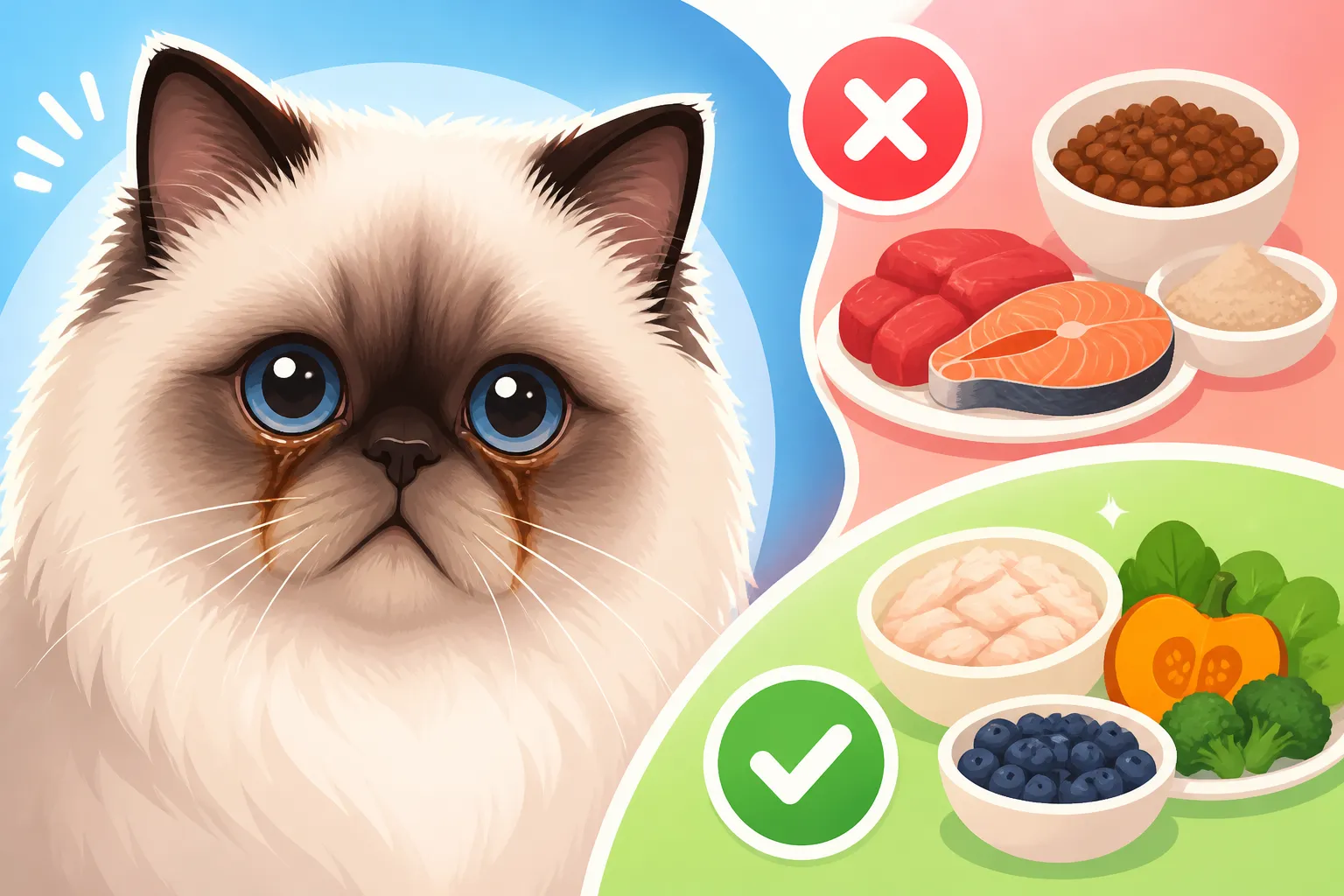
Common culprits often cited by owners include grains like corn, wheat, and soy. While not all cats are sensitive to grains, some can experience inflammatory responses. Many commercial pet foods, especially cheaper ones, use these as fillers. Artificial colors, flavorings, and preservatives are another area of concern. These synthetic additives offer no nutritional benefit and can sometimes trigger allergic reactions in sensitive individuals. Think of it like a human with a food dye allergy – it can manifest in various ways.
Another very common food allergen for cats is protein, particularly chicken. Chicken is a staple in many cat foods, making it an ingredient they are frequently exposed to. If your Himalayan develops a chicken allergy, you might see excessive tearing, skin irritation, and, you guessed it, darker tear stains. Other common protein allergens can include beef or fish. Identifying a food allergy or sensitivity often involves an elimination diet, which means carefully removing suspected ingredients and observing changes. This process requires patience and meticulous tracking.
Water Quality and Its Unexpected Impact
While not directly food, the water your Himalayan drinks is definitely part of their overall intake and can sometimes play an unexpected, albeit indirect, role in tear staining. Many municipal water supplies contain various minerals, including iron, and other trace elements. While generally safe for consumption, some theories suggest that the mineral content in tap water could contribute to the reddish staining, particularly if it's left on the fur around the mouth and eyes after drinking.
Just as porphyrins in tears oxidize, some suggest that metallic elements in water could also cause a similar discoloration when exposed to air on your cat's fur. This is less about affecting the production of porphyrins in the body and more about an external staining factor. If you've addressed all other dietary and health concerns and still see persistent stains, consider offering your Himalayan filtered or distilled water. Many owners report a noticeable improvement in the severity or color of tear stains after switching to purified water. It's a relatively easy change to make and something worth trying if you're looking for every possible angle to tackle those stains.
What to Look for in a "Stain-Friendly" Diet
So, if food can play a role, what should you be looking for when you're navigating the overwhelming world of cat food options? The goal here is to minimize potential irritants and provide a diet that supports overall health, which in turn can help reduce tear staining. It’s about choosing quality ingredients that are gentle on their system.
Opting for Limited Ingredient Diets (LIDs) and Novel Proteins
When you suspect a food sensitivity or allergy is contributing to your Himalayan's tear stains, one of the most effective strategies is to switch to a Limited Ingredient Diet, often abbreviated as LIDs. The beauty of an LID is its simplicity: it contains a minimal number of ingredients, usually one novel protein source (meaning something your cat hasn't eaten before) and one carbohydrate source, with very few fillers or additives. This approach makes it much easier to pinpoint if a specific ingredient is causing a reaction.
For instance, if your cat has primarily eaten chicken or beef-based foods, you might switch to a duck, venison, or rabbit-based LID. These “novel proteins” are less likely to have triggered an allergic response in the past because your cat's immune system hasn't been exposed to them repeatedly. Reputable brands often have LID lines, and you can find a wide variety of options on pet supply sites like Chewy or Amazon, making it easier to compare ingredients. Some fresh, gently cooked options naturally feature limited, identifiable ingredients. The key is consistency – stick to one LID for several weeks (typically 8-12) to see if there's any improvement in tear staining before considering another change.
Choosing High-Quality, Natural Ingredients
Beyond just limiting ingredients, the quality of those ingredients truly matters. Think of it like preparing your own food; you want fresh, whole ingredients, not processed fillers. For your Himalayan, this means looking for cat foods where the first few ingredients are clearly identifiable meat sources, not vague "meat meals" or by-products.
Avoid foods that contain artificial colors, flavors, or preservatives, as these are often unnecessary and can be potential allergens or irritants. Look for natural sources of vitamins and minerals. Many premium cat food brands pride themselves on using human-grade ingredients, which often translates to better digestibility and fewer potential inflammatory triggers for your cat. When browsing for options, whether on Amazon or directly from pet food manufacturers, really scrutinize that ingredient list. A good rule of thumb is: if you can't pronounce or recognize most of the items, it might be worth looking for an alternative. A higher quality diet supports not just tear stain reduction but also their overall health, including their magnificent coat and vital organ function.
The Benefits of Hydration and Wet Food
Hydration is often an overlooked but critical component of a cat's overall health, and it can indirectly influence tear staining. Well-hydrated cats tend to have healthier bodily functions, including more efficient waste elimination. While dry kibble is convenient, it's often very low in moisture, and many cats don't drink enough water to compensate.
Incorporating more wet food into your Himalayan's diet can significantly boost their daily water intake. Wet food, by its very nature, is rich in moisture, which helps keep their system flushed and can potentially dilute the concentration of waste products like porphyrins in their tears and saliva. Plus, for a flat-faced breed like a Himalayan, wet food is often much easier to eat without making a mess or straining their jaw. You'll find many varieties available from reputable brands on Chewy that cater to different protein preferences and sensitivities. Adequate hydration supports kidney health, which is especially important for breeds like Himalayans with a predisposition to certain renal conditions. Don't underestimate the power of simply adding more moisture to their meals; it can make a noticeable difference in their comfort and potentially the appearance of those stains. It's often recommended when discussing How Much Wet Food a Flat Faced Himalayan Gets Through for various health reasons.
Strategies for Dietary Changes and Monitoring Results
Making dietary changes for a cat, especially one as sensitive as a Himalayan, isn't something to rush into. It requires a thoughtful approach, patience, and careful observation. You're not just swapping out one bag of kibble for another; you're gently guiding their system towards something new while trying to track nuanced changes.
Gradual Transitions and Patience
One of the biggest mistakes cat owners make when changing food is doing it too quickly. A sudden switch can wreak havoc on your cat's digestive system, leading to upset stomachs, vomiting, or diarrhea. This not only causes discomfort for your Himalayan but also makes it impossible to tell if the new food is actually helping with tear stains, as other issues will overshadow any potential benefits.
The golden rule for transitioning food is to do it gradually, typically over a period of 7 to 10 days. Start by mixing a small amount of the new food with their old food, gradually increasing the proportion of the new food each day while decreasing the old. For example, on day one, it might be 75% old food, 25% new. By day three, 50/50. By day seven, 25% old, 75% new, until they are fully on the new diet. Watch for any signs of digestive upset and slow down the transition if necessary. Remember, seeing an improvement in tear stains won't happen overnight. It can take several weeks, sometimes even months, for the body to adjust and for the effects of a new diet to become apparent. Patience is your best friend here.
Keeping a Food Diary
When you're trying to identify dietary triggers for tear stains, a food diary becomes an invaluable tool. Our memories can be fickle, and it's easy to forget exactly what you fed your cat two weeks ago or when you started a new bag of treats. A food diary takes the guesswork out of it.
In your diary, meticulously record everything your Himalayan eats: the brand and flavor of their main food, any treats, dental chews, supplements, and even what kind of water they drink. Alongside this, make daily notes on the severity and color of their tear stains. Are they darker than usual? Lighter? Is the discharge thicker? Is there any redness or irritation around the eyes? Also, note any other relevant observations, such as changes in litter box habits, energy levels, or skin condition. Over time, these detailed notes can reveal patterns. For instance, you might notice that a particular type of treat consistently leads to an increase in staining, or that after three weeks on a new LID, the stains have noticeably lightened. This empirical data will be far more reliable than relying solely on your memory and can help you make informed decisions about your cat's diet.
Beyond the Bowl: Holistic Stain Management
While diet can be a contributing factor, it's crucial to remember that managing tear stains in a Himalayan is almost always a multi-faceted approach. Think of food as one piece of a larger puzzle, not the entire solution. Even with the perfect diet, daily maintenance is absolutely essential for keeping those stains at bay.
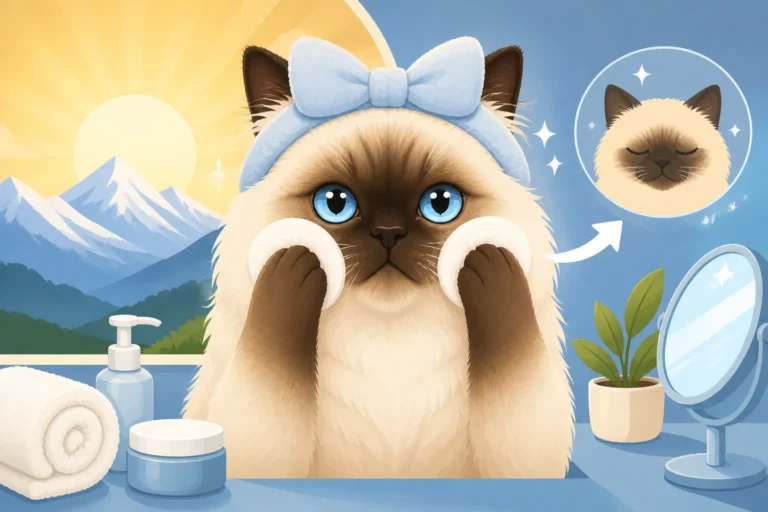
This means establishing a consistent daily face-cleaning routine. Using soft, damp cotton balls or special pet-safe wipes (avoiding human products or anything with harsh chemicals) to gently clean the area around their eyes every single day. Make sure to dry the area thoroughly afterward to prevent moisture from creating an even better environment for bacteria and yeast. Ignoring this step, even with a pristine diet, will likely still result in visible staining. Many owners understand the importance of Why a Himalayan's Face Must Be Wiped Every Day.
Beyond daily cleaning, regular veterinary check-ups are paramount. Your vet can rule out underlying medical conditions, such as blocked tear ducts, eye infections, or entropion, which no diet change or wiping routine can truly fix. They might also suggest specific eye drops or treatments if an infection is present. Furthermore, good grooming habits for their long, luxurious coat help keep the overall cat clean, preventing debris or irritation from reaching their delicate eye area. A truly stain-friendly approach combines the right nutrition, meticulous daily care, and attentive veterinary oversight.
| Food Component | Potential Impact on Tear Stains | Recommendation |
|---|---|---|
| Porphyrins/Iron | Higher levels may lead to darker, reddish-brown stains. | Focus on highly digestible, balanced protein sources. |
| Common Grains | Corn, wheat, soy can be allergens/irritants for some cats. | Consider grain-free options if sensitivity is suspected. |
| Artificial Additives | Colors, flavors, preservatives can trigger allergic responses. | Choose foods with natural ingredients, avoid synthetic additives. |
| Common Proteins | Chicken, beef, fish can be allergens if consumed frequently. | Explore novel proteins like duck, venison, or rabbit in LIDs. |
| Water Quality | Minerals in tap water may cause external staining over time. | Offer filtered or distilled water. |
| Hydration Level | Low moisture can lead to concentrated waste products. | Increase wet food intake to boost overall hydration. |
Disclaimer
This article is for general informational purposes only and does not constitute professional advice. Laws, prices and regulations vary by location and change over time. Consult a qualified professional for guidance on your specific situation.