Why Bad Breath in a Crowded Himalayan Jaw Means Trouble
There's nothing quite like the sweet purr of a Himalayan cat settling onto your lap, but sometimes, that close proximity comes with an unpleasant surprise: seriously bad breath. If you've ever leaned in for a cuddle and recoiled from a whiff of something decidedly not fresh, you're not alone. This guide is here to shed light on why bad breath in a Himalayan, especially one with that characteristic crowded jaw, isn't just a minor annoyance but a significant indicator of deeper health issues that need your attention.
The Unique Anatomy of a Himalayan's Jaw
The Himalayan cat, with its stunning coat and piercing blue eyes, inherits its distinctive facial structure from its Persian lineage. This beautiful, flattened face, while adored by many, comes with some unique anatomical challenges, particularly when it comes to oral health. It’s not just a cosmetic feature; it profoundly impacts how their teeth develop and function, making them far more prone to dental issues than many other breeds.
A Legacy of Brachycephaly
Our beloved Himalayans are a brachycephalic breed, which simply means they have a shortened skull and a relatively flat face. Think of it like a beautiful, compact package. While this gives them their endearing "doll face" or "peke face" appearance, it doesn't reduce the number of teeth they possess. They still have the same 30 teeth as any other adult cat. Imagine trying to fit a full set of human teeth into a jaw that's been significantly compressed – that's essentially what a Himalayan's mouth is contending with. This inherent structural characteristic is the root cause of many of their dental woes, and understanding it is the first step in providing them with the best care. You can learn more about how their face shape is measured in What a Doll Face Himalayan's Profile Measures.
When Teeth Don't Fit
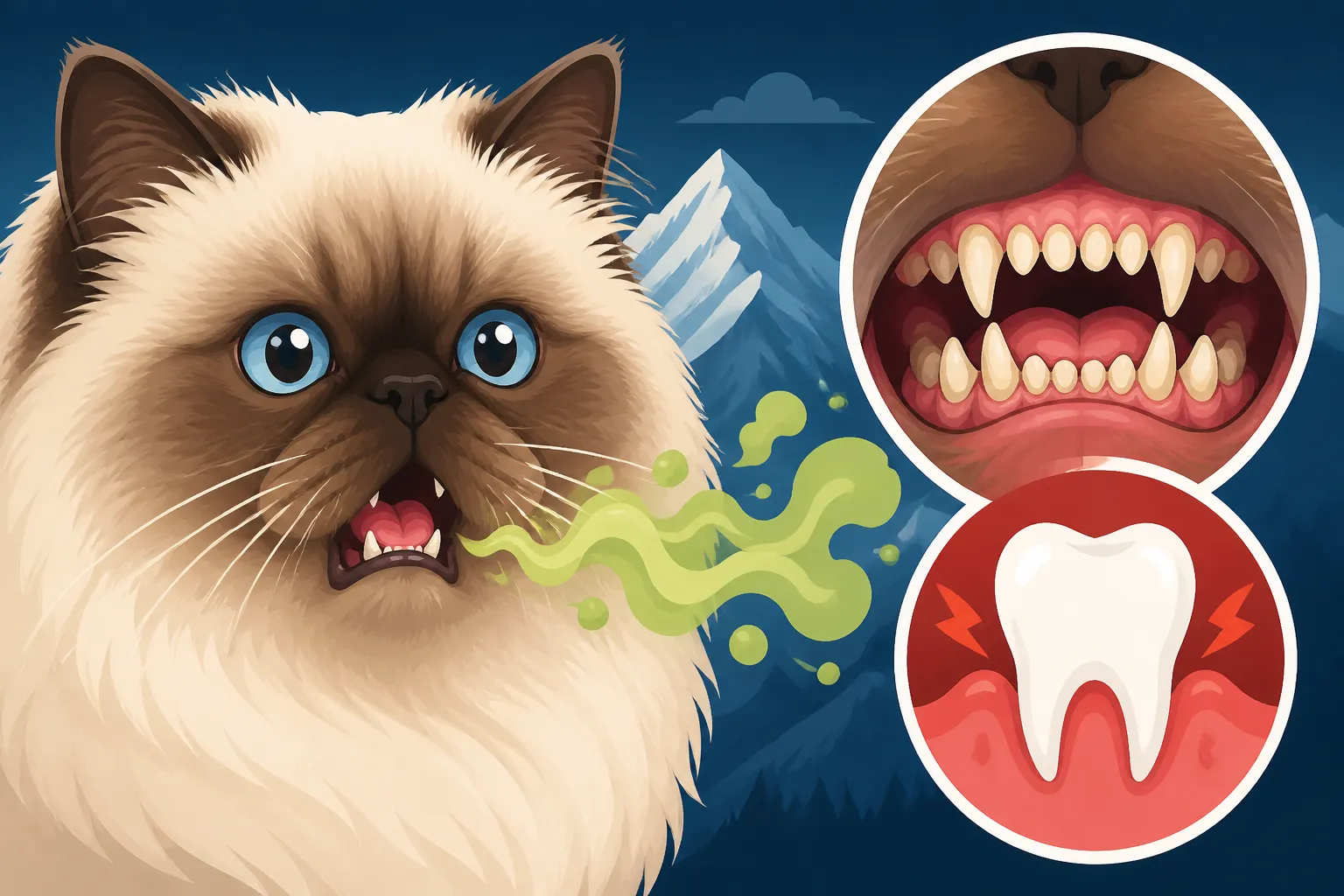
Because the jawbone itself is shorter, but the teeth are of standard size, there simply isn't enough room for everything to align perfectly. This leads to a phenomenon known as dental crowding. Instead of sitting neatly side-by-side, a Himalayan's teeth often overlap, rotate, or become misaligned. You might see canines protruding at odd angles, or small incisors crammed together. Sometimes, teeth even get impacted, meaning they fail to erupt properly and remain trapped under the gum line, creating a hidden pocket for infection. This tight, irregular arrangement makes natural self-cleaning incredibly difficult for your cat. Every tiny crevice becomes a perfect hiding spot for food particles and bacteria, setting the stage for plaque and tartar accumulation at an accelerated rate.
The Impact on Gum Health
This crowded environment directly impacts the health of a Himalayan's gums. When teeth are tightly packed and misaligned, they create small, hard-to-reach areas where food debris and bacteria can thrive undisturbed. This constant presence of bacteria near the gum line quickly leads to gingivitis, which is inflammation of the gums. You might notice your cat's gums looking redder, slightly swollen, or even bleeding faintly when they chew on something hard. If left unchecked, gingivitis progresses to periodontal disease, a more severe condition where the supporting structures of the teeth (the bone and ligaments) start to erode. This is where the real trouble begins, often leading to painful abscesses, tooth loss, and a significant amount of discomfort for your otherwise placid companion.
Why Bad Breath (Halitosis) Becomes a Problem
Bad breath, or halitosis, isn't just an unpleasant smell; it's almost always a clear signal that something isn't right inside your Himalayan's mouth. While we might joke about "cat breath," persistent, foul odors are rarely normal and almost universally point to a burgeoning dental problem. For Himalayans, their unique jaw structure significantly amplifies this risk.
Bacterial Buildup and Plaque Formation
The primary culprit behind that truly awful cat breath is the accumulation of bacteria. In a Himalayan's crowded jaw, as we've discussed, there are countless nooks and crannies where food particles get trapped and plaque begins to form. Plaque is a sticky film of bacteria, saliva, and food debris that constantly forms on teeth. If this plaque isn't removed regularly, it hardens into tartar (calculus), which is a rough, porous substance that provides an even better surface for more bacteria to cling to. These bacteria release volatile sulfur compounds as they feast on food particles, and voila – you have really stinky breath. This process happens much faster and more aggressively in a crowded mouth because cleaning, even by your cat, is so inefficient.
Beyond Just Stinky Breath: The Health Risks
While bad breath is the most obvious sign, it's merely the tip of the iceberg. The bacteria causing the halitosis are actively attacking your cat's gums and the structures supporting their teeth. Untreated periodontal disease is incredibly painful. Imagine having constant toothaches, sensitive gums, and decaying teeth – that’s what many cats with severe dental disease experience. They might become reluctant to eat hard food, lose weight, or even become irritable due to chronic pain.
Even more concerning, the bacteria from severe dental disease don't stay confined to the mouth. They can enter the bloodstream through inflamed or bleeding gums and travel to vital organs like the heart, kidneys, and liver. This can lead to serious systemic infections and exacerbate existing health conditions, potentially shortening your cat's lifespan. This is why addressing bad breath in a Himalayan is not just about freshening their breath; it's about protecting their overall health and well-being. Knowing How Many Teeth a Himalayan Has Lost by Ten can be a stark reminder of the long-term consequences.
Other Potential Causes of Bad Breath
While dental disease due to a crowded jaw is by far the most common cause of bad breath in Himalayans, it's worth briefly mentioning other possibilities, especially if dental care isn't improving the situation or if other symptoms are present. Sometimes, a foreign object might be lodged in the mouth or between teeth. Kidney disease can lead to an ammonia-like smell on the breath, while liver disease might produce a particularly foul, musty odor. Certain gastrointestinal issues or even dietary intolerances can also contribute. However, for a Himalayan, always start by assuming it's a dental issue linked to their unique oral anatomy, and ensure you rule that out thoroughly with your vet before looking for rarer causes.
Proactive Dental Care for Himalayans with Crowded Jaws
Understanding that a Himalayan's crowded jaw makes them prone to dental issues is crucial. The good news is that with proactive, consistent care, you can significantly mitigate these risks and keep your furry friend comfortable and healthy. It takes dedication, but the payoff in their quality of life is immense.
Daily Home Care: Brushing and Wipes
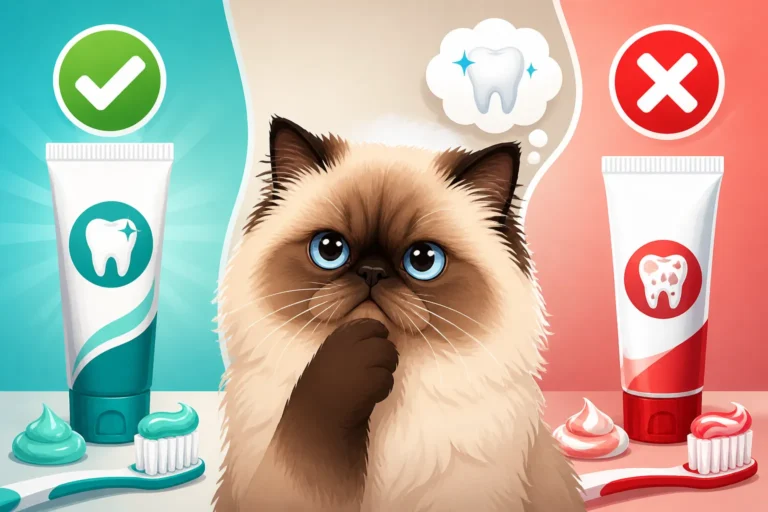
The cornerstone of preventing bad breath and serious dental disease in a Himalayan is consistent daily home care. Brushing your cat's teeth might sound daunting, but it's the single most effective thing you can do. You'll need a cat-specific toothbrush – often a finger brush or a very small, soft-bristled brush – and cat-safe enzymatic toothpaste (never human toothpaste!). Focus on gently scrubbing the outer surfaces of the teeth, especially where they meet the gum line. It takes patience and starting early, ideally when they are kittens, to get them accustomed to it.
For cats who absolutely refuse brushing, dental wipes can be a good alternative to physically remove some plaque and debris. While not as effective as brushing, they are better than nothing. There are also dental rinses and water additives available, which contain enzymes or antiseptics that help reduce bacteria. You can find a good selection of these specialized dental products at pet supply retailers like Chewy or Amazon. Remember, even a minute a day can make a world of difference in preventing severe issues down the line. It's often said that How Often a Himalayan's Crowded Mouth Needs Cleaning is every day, and that's truly the gold standard.
The Role of Veterinary Dental Cleanings
No matter how diligent you are with home care, professional veterinary dental cleanings are often essential for Himalayans. These aren't just cosmetic procedures; they are critical medical interventions. During a professional cleaning, your cat will be under general anesthesia, which allows the vet to thoroughly examine every tooth, including those hard-to-see back molars and any impacted teeth. They will use specialized ultrasonic scalers to remove plaque and tartar both above and below the gum line, polish the teeth to smooth the surfaces (making it harder for plaque to stick), and perform dental X-rays to check for problems hidden beneath the gums, such as bone loss or root damage.
Any diseased or problematic teeth can be extracted, providing immense relief to your cat. The frequency of these cleanings will depend on your individual cat's genetics, diet, and your home care routine, but many Himalayans benefit from annual or bi-annual cleanings. Yes, anesthesia always carries some risk, but modern veterinary protocols make it very safe, and the benefits of a healthy mouth far outweigh the risks of untreated dental disease. Your vet will discuss specific recommendations, perhaps outlining Why a Himalayan Needs Dentals Earlier Than a Siamese.
Here's a quick comparison of what you can expect from home vs. professional dental care:
| Feature | Daily Home Care | Professional Veterinary Cleaning |
|---|---|---|
| Purpose | Preventative, manages daily plaque buildup | Therapeutic, removes hardened tartar, addresses disease |
| Frequency | Daily or every other day | Typically annually or bi-annually, based on need |
| Method | Toothbrushing, dental wipes, rinses, water additives | Anesthesia, ultrasonic scaling, polishing, X-rays, extractions |
| Plaque/Tartar Removal | Removes soft plaque, limits tartar formation | Removes hardened tartar above and below gumline |
| Disease Treatment | Prevents gingivitis progression | Treats gingivitis, periodontal disease, tooth decay |
| Anesthesia | Not required | Essential for thorough examination and procedure |
| Cost | Minimal, ongoing product purchases | Significant, one-time procedure cost |
Dietary Considerations and Dental Chews
Diet plays a supporting role in maintaining your Himalayan's oral health, especially with their unique jaw. While no food can replace brushing, certain considerations can help. Look for kibble specifically designed for dental health; these often have larger, uniquely shaped kibbles that encourage chewing and help scrape off some plaque mechanically. However, be mindful that due to their brachycephalic faces and crowded mouths, some Himalayans struggle with any kibble. You might notice your cat pushing food out of the bowl or dropping it onto their ruff when trying to eat dry food. This indicates difficulty, and a wider, flatter bowl might be more suitable. Which Bowl Shape a Flat Faced Himalayan Can Use is an important consideration.
Many owners find that wet food is easier for Himalayans to consume, as it requires less intense chewing. If your cat is on a wet food diet, ensuring they also get some form of dental stimulation or daily brushing becomes even more critical.
As for dental chews, their effectiveness can vary greatly. Some cats will chew them enthusiastically, providing some mechanical cleaning, while others will just swallow them whole, negating any dental benefit. Always choose chews specifically formulated for cats, and monitor your cat to ensure they chew them rather than gulp. Discuss options with your vet to see if they recommend a particular type or brand for your Himalayan.
Recognizing Warning Signs and When to Seek Veterinary Help
As a Himalayan owner, you become attuned to your cat's subtle cues. When it comes to dental health, recognizing the early warning signs is paramount. Don't wait until the bad breath is unbearable or your cat is visibly suffering; early intervention can prevent much more serious and painful problems.
Beyond Just Bad Odor: Visual Cues
While foul breath is often the first thing you notice, it's crucial to look for other visual and behavioral indicators that your Himalayan's mouth needs attention. Take a moment to gently lift their lip and peek inside. Are the gums red, swollen, or bleeding easily? Healthy gums should be a pale pink. Can you see brownish-yellow crusts of tartar building up on their teeth, especially along the gum line? Are any teeth discolored, broken, or wobbly? Sometimes, you might notice your cat pawing at their mouth, drooling excessively, or showing a reluctance to groom themselves – especially around their face, which could be painful. They might also start to chew only on one side of their mouth or drop food when they try to eat. All these are flashing red lights that your Himalayan is in pain and needs veterinary assessment. If you notice persistent dampness around their nose fold, this could also be linked to underlying discomfort and warrant a check. Read What Happens If a Himalayan's Nose Fold Stays Damp for more details.
The Urgency of Intervention
It's easy to put off a vet visit, especially when your cat seems otherwise fine, but dental issues in Himalayans are progressive. What starts as mild gingivitis and bad breath can quickly escalate into severe periodontal disease, abscesses, and even osteomyelitis (bone infection) if ignored. The longer you wait, the more pain your cat will endure, and the more complex and expensive the treatment becomes. A minor cleaning and a few extractions are far less invasive and costly than extensive oral surgery or dealing with systemic infections. Think about it this way: if you had a toothache for weeks or months, you wouldn't hesitate to see a dentist. Your cat deserves the same prompt attention to their pain. Understanding Why a Crowded Persian Jaw Resorbs a Himalayan's Teeth highlights the severe long-term impact if intervention is delayed.
Preparing for a Vet Visit
When you notice warning signs, schedule an appointment with your veterinarian promptly. Before your visit, it can be helpful to make a list of everything you've observed: when did the bad breath start? Have you noticed changes in eating habits, grooming, or overall behavior? Has your cat allowed you to look in their mouth, and if so, what did you see? This information helps your vet form a comprehensive picture. During the visit, your vet will perform a thorough oral examination. Be prepared for them to recommend a professional dental cleaning under anesthesia to fully assess the extent of the problem and treat it appropriately. This might feel like a big step, but it's often the most effective and humane way to resolve chronic dental pain and infection in a Himalayan with a crowded jaw.
Disclaimer
This article is for general informational purposes only and does not constitute professional advice. Laws, prices and regulations vary by location and change over time. Consult a qualified professional for guidance on your specific situation.