Whether Dental Treats Do Anything for a Himalayan
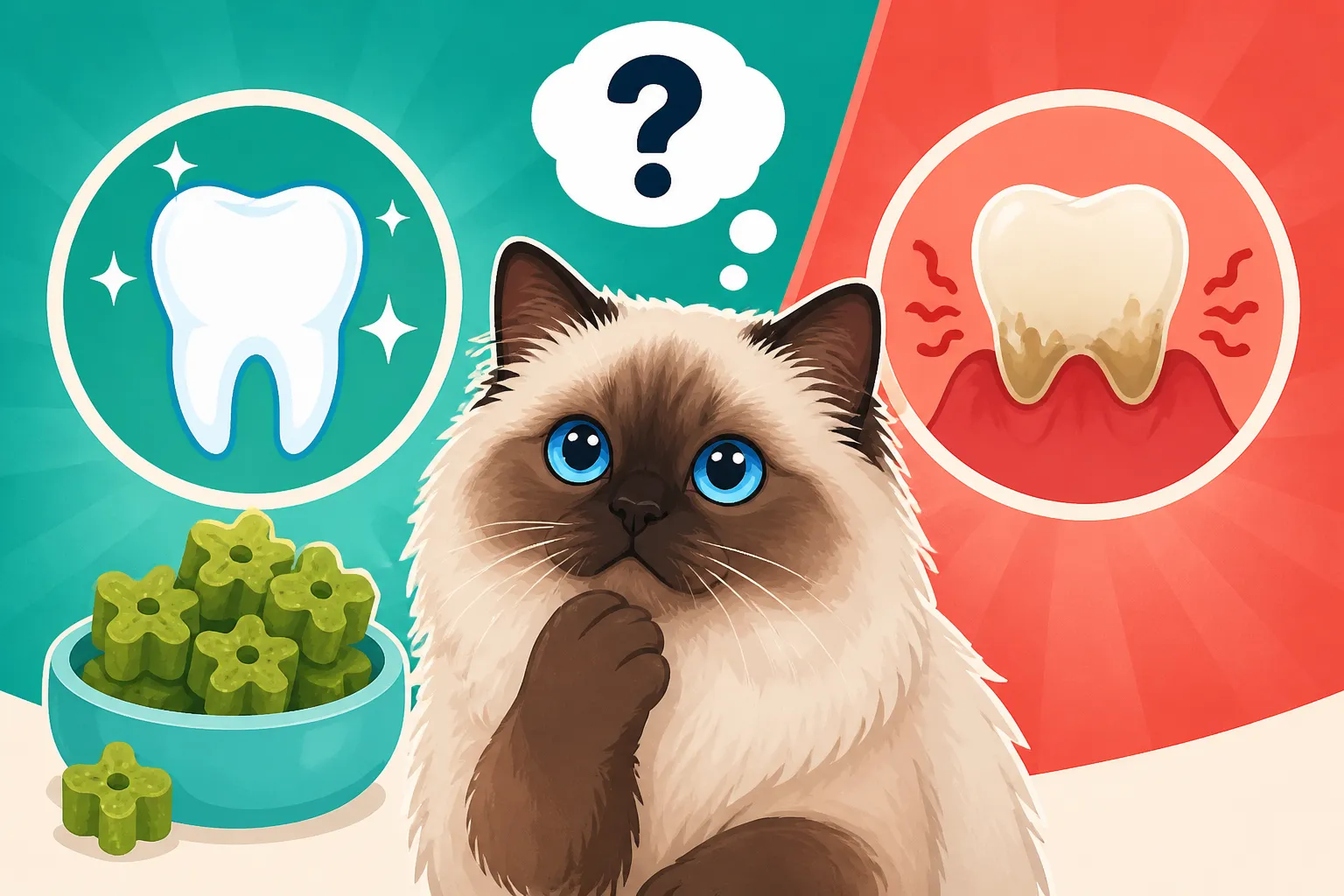
It’s a common scenario: you love your fluffy Himalayan and want to do everything you can for their health, but dental care feels like navigating a minefield. You’ve probably seen all sorts of dental treats advertised, promising sparkling teeth and fresh breath for your feline friend, and you’re left wondering, "Do these things actually work for a Himalayan with their unique face and mouth?" This guide will deep dive into the effectiveness of dental treats for Himalayans, shedding light on their specific oral challenges and offering realistic, actionable alternatives.
The Unique Dental Challenges of Your Himalayan
Let's be honest, those adorable flat faces that make Himalayans so distinctive also bring along a host of dental considerations that regular cat breeds just don't face. It’s not just a cosmetic difference; it’s a structural one that directly impacts their oral health. Understanding these challenges is the first step to truly helping your cat.
A Crowded House: The Himalayan's Shortened Jaw
Imagine trying to fit all the furniture of a sprawling mansion into a cozy studio apartment. That's essentially what happens inside a Himalayan's mouth. Their brachycephalic (flat-faced) skull structure means their upper and lower jaws are significantly shortened compared to their longer-nosed ancestors, like the Siamese. While the jaw itself is shorter, the number of teeth remains the same – a full set of 30 adult teeth. This leads to severe overcrowding.
When teeth are crammed together, they don't align properly. Instead of a neat row, you often see teeth rotated, overlapping, or even pointing in odd directions. This misalignment creates a perfect storm for dental problems. Food particles and plaque have countless nooks and crannies to hide in, making it incredibly difficult for your cat's tongue, or even specialized dental treats, to clean effectively. It’s like trying to sweep a floor covered in obstacles; you’ll always miss spots. This overcrowding is a primary reason why How Crowded a Himalayan's Lower Jaw Gets is such a critical consideration for owners. This structural reality means that many of the natural chewing actions that might help other cats keep their teeth cleaner simply don't have the same effect for a Himalayan.
The Brachycephalic Bite and Its Consequences
Beyond overcrowding, the shortened jaw alters the very way a Himalayan bites and chews. Their bite pattern often isn't the scissor-like precision you'd see in a typical cat. Instead, it can be more of a grinding motion or even an ineffective attempt to chew, especially with kibble or treats designed for a longer jaw. This altered bite means that the abrasive action that dental treats rely on—the scraping of plaque off tooth surfaces—is often compromised. The treats simply don't make sufficient, sustained contact with all the teeth, particularly those tucked away or rotated.
This ineffective chewing and misalignment accelerate the accumulation of plaque, which quickly hardens into tartar. Tartar then irritates the gums, leading to gingivitis (gum inflammation). If left unchecked, gingivitis progresses to periodontal disease, a painful and irreversible condition that destroys the supporting structures of the teeth. Over time, teeth can loosen, become infected, and eventually fall out. This is why What a Persian Jaw Does to a Himalayan's Bite is so significant and often necessitates early and consistent dental intervention. You might also notice that your Himalayan tends to drop food more often, which can be a sign of discomfort or difficulty with their bite, as explored in Why a Himalayan Drops Food Onto Its Ruff.
Why Tear Stains and Facial Folds Add to the Problem
While not directly dental, the facial structure of a Himalayan, including their prominent tear staining and deep facial folds, indirectly contributes to overall oral hygiene challenges. Constant moisture from tear stains can create a damp environment around the mouth, leading to skin irritation and bacterial growth that can migrate to the gums. The deep folds around their nose and mouth can also trap food debris and moisture, contributing to bacterial load. This persistent dampness and potential for infection in adjacent areas underscore the comprehensive nature of a Himalayan's care needs, where everything is interconnected.
How Dental Treats Aim to Work (and Where They Fall Short for a Himalayan)
So, you're holding a bag of dental treats, the packaging promising a healthier mouth. It’s natural to wonder if these are the magic bullet for your Himalayan's crowded smile. Let's look at the science behind these treats and why, for our flat-faced friends, they might not be the panacea we hope for.
The Promise of Abrasive Action
Most dental treats are designed with a specific texture or shape that is supposed to create an abrasive action as the cat chews them. Think of it like a mini toothbrush for their teeth. The idea is that the treat's surface will rub against the tooth enamel, physically scraping away plaque before it hardens into tartar. Some treats are designed to be larger or have a unique shape that encourages longer chewing times, theoretically maximizing this abrasive effect. Many brands market these treats as a convenient, tasty way to support daily dental hygiene.
However, this is where the Himalayan's unique anatomy often throws a wrench into the works. For this abrasive action to be truly effective, the treat needs to make sustained, comprehensive contact with all tooth surfaces, including the sides and back teeth where plaque accumulates most. With a Himalayan's crowded, often misaligned teeth and their altered chewing mechanics, this simply doesn't happen reliably. They might swallow pieces too quickly, or only a few prominent teeth make contact, leaving the deeply recessed or rotated teeth untouched. What works for a cat with a perfectly aligned jaw often falls short for a Himalayan.
Enzymatic and Chemical Components
Beyond physical abrasion, some dental treats incorporate enzymatic or chemical additives. These ingredients often include things like hexametaphosphate (HMP) or specific enzymes designed to break down plaque, reduce bacteria, or neutralize odor-causing compounds in the mouth. The theory is that as these substances are released in the cat's mouth, they work systemically or topically to inhibit plaque formation or reduce bacterial load.
While these chemical components can offer some benefit, they are often insufficient on their own to combat the aggressive plaque and tartar buildup seen in many Himalayans. They act more as a supplemental aid rather than a primary solution. For a Himalayan facing significant overcrowding and early onset periodontal disease, relying solely on these chemical actions in a treat is unlikely to prevent serious problems. It's akin to using mouthwash to treat a cavity – it might freshen breath, but it won't fix the underlying issue. Many owners find themselves frustrated when they diligently provide these treats only to still receive concerning news at their vet check-ups.
The "Treat" Factor: Palatability vs. Efficacy
Let's not forget, these are treats. They are designed to be palatable and enjoyable for your cat. This means they are often flavored and can be quite calorie-dense. While your Himalayan might adore them, and you can certainly find various options on platforms like Chewy or Amazon, their primary function isn't always optimal dental health for breeds with complex oral structures. Over-reliance on dental treats can lead to weight gain if not accounted for in their daily calorie intake. Furthermore, if a treat is too palatable and swallowed quickly, it bypasses any potential abrasive action entirely.
You might even find your Himalayan manipulating the treat with their paw rather than chewing it thoroughly, especially if their bite is uncomfortable or ineffective. This behavior, sometimes seen when a cat finds it hard to pick up or process food, further reduces the already limited dental benefits. The bottom line is, while a treat can be a nice occasional indulgence, it's rarely a robust solution for a Himalayan's specific dental needs.
| Dental Care Method | Himalayan Effectiveness | Pros | Cons |
|---|---|---|---|
| Dental Treats | Limited | Easy to administer, enjoyable for cat | Often insufficient abrasion, swallowed too quickly, calorie dense, doesn't reach all teeth |
| Daily Brushing | High | Most effective for plaque removal | Requires training, cat cooperation, finding the right brush for flat face, time commitment |
| Dental Diets | Moderate to High | Convenient, works with every meal | Can be costly, only works for specific diet, less effective once tartar forms, prescription needed |
| Water Additives | Low to Moderate | Easy to use, passive | Minimal effect on existing plaque/tartar, some cats dislike taste, may not address mechanical issues |
| Professional Dental Cleaning | Highest | Thorough cleaning, addresses existing issues | Requires anesthesia, cost, typically annual or biannual procedure |
More Effective Strategies for Himalayan Dental Health
Given the unique challenges of a Himalayan's crowded mouth and flattened face, relying solely on dental treats is simply not enough. True dental health for these precious cats requires a multi-pronged approach, often centered around consistent home care and regular veterinary intervention. It's about proactive prevention and professional treatment when necessary.
The Gold Standard: Daily Tooth Brushing
I know, I know. The idea of brushing your cat's teeth can sound daunting, maybe even impossible, especially a fluffy Himalayan who might already be particular about face handling. But truly, daily tooth brushing remains the single most effective way to remove plaque before it hardens into tartar. For a Himalayan, this is not just recommended; it's often essential.
You'll need a cat-specific toothbrush – look for one with a small head and soft bristles, or even a finger brush. You might find several suitable options at pet retailers like Chewy or on Amazon. Cat-specific toothpaste is also crucial, as human toothpaste contains ingredients that are toxic to cats. Start slowly, perhaps just letting them lick the toothpaste off your finger, then gently introducing the brush to one or two teeth. The goal isn't a perfect scrub initially, but consistent, gentle exposure. Focus on the outside surfaces of the teeth, as this is where plaque tends to accumulate most. Yes, it takes patience, but the long-term benefits of preventing painful dental disease are immeasurable. Think of how much you value your own teeth – your cat deserves the same consideration. For more on getting the right tools, check out Which Brush Head Fits a Himalayan's Shortened Jaw and Which Toothpaste a Himalayan Will Tolerate.
Specialized Dental Diets
Beyond treats, there are prescription dental diets specifically formulated to help clean teeth with every bite. These diets often feature larger kibble sizes or a unique fibrous texture that encourages the tooth to sink deeper into the kibble before it breaks apart. This creates a greater abrasive effect on the tooth surface compared to regular kibble. Some dental diets also contain ingredients that help prevent plaque from adhering to the teeth or reduce bacterial growth.
These diets can be a fantastic part of a comprehensive dental health plan for your Himalayan, especially if daily brushing proves to be too difficult. However, they are typically prescription-only and your veterinarian will need to recommend the most appropriate one for your cat's specific needs. They also work best as a preventative measure and are less effective at removing existing, hardened tartar. Remember that How Often a Himalayan's Crowded Mouth Needs Cleaning is more frequent than you might assume, making these diets a valuable daily tool.
Regular Veterinary Dental Check-ups and Professional Cleaning
Even with diligent home care, Himalayans are prone to developing dental disease due to their genetics and unique anatomy. This is why regular veterinary dental check-ups are non-negotiable. Your vet can assess the state of your cat's teeth and gums, identify any developing issues, and recommend professional dental cleaning under anesthesia.
Professional dental cleaning involves scaling (removing plaque and tartar above and below the gumline) and polishing the teeth, just like at your own dentist. It's the only way to truly address the buildup that daily brushing or dental diets might miss, especially in those crowded, hard-to-reach areas. Anesthesia is a concern for any cat owner, but modern veterinary anesthesia protocols are very safe, and the benefits of a clean, pain-free mouth far outweigh the risks. Ignoring dental issues can lead to chronic pain, infections that spread to other organs, and ultimately, a reduced quality of life for your beloved cat. It's why Why a Himalayan Needs Dentals Earlier Than a Siamese is such an important aspect of their care. You might also want to understand How Many Teeth a Himalayan Has Lost by Ten without proper care, to grasp the severity of potential neglect.
Water Additives and Oral Rinses
For some cats, water additives or oral rinses can offer a supplemental layer of defense. These products typically contain ingredients that help reduce bacteria in the mouth or break down plaque. They are usually flavorless and are added directly to your cat's drinking water or applied as an oral rinse.
While these products are easy to use, their effectiveness is generally considered modest, especially for a breed like the Himalayan with significant structural challenges. They work best as an adjunct to brushing and professional cleanings, not as a standalone solution. Always consult your veterinarian before adding any new supplement or product to your cat's routine, to ensure it's safe and appropriate.
Practical Tips for Choosing Any Treat for Your Flat-Faced Friend
Even if dental treats aren't the magic bullet for your Himalayan's oral health, treats are still a wonderful way to bond with your cat and offer enrichment. The key is to choose wisely, keeping their unique facial structure and potential health concerns in mind. After all, you want treats to be a joy, not a source of frustration or future problems.
Size and Shape Matter Immensely
This might seem obvious, but for a Himalayan, the physical dimensions of a treat are incredibly important. Their flattened faces and shortened jaws mean they can struggle with treats that are too large, too small, or oddly shaped. Large, hard treats might be difficult for them to pick up or chew effectively, potentially leading to frustration or them simply ignoring the treat. On the other hand, treats that are too small might be swallowed whole without any chewing, negating any potential dental benefits and potentially posing a choking hazard.
Look for treats that are appropriately sized for their mouth, perhaps flatter or softer, making them easier to grasp and chew. You might even consider breaking larger treats into smaller, more manageable pieces for them. Experiment with different shapes and textures. Some Himalayans do better with soft chews, while others prefer something with a bit more crunch, as long as it's not overly hard. You can often find a wide variety of treats on Chewy or Amazon, giving you options to test out.
Texture and Chew Time
The texture of a treat plays a crucial role, especially when considering dental benefits. For any abrasive action to occur, the treat needs to encourage chewing rather than quick swallowing. Avoid treats that are too soft and dissolve instantly, or so hard they risk damaging your cat's teeth if they manage to bite down on them.
The ideal treat for a Himalayan, if you're hoping for any dental effect, would be one that is moderately firm, requiring some chewing and scraping action against the tooth surface. However, as discussed, their crowded jaws often make this difficult. For general treats, focus on something that your cat can comfortably chew and enjoy. If you notice your Himalayan struggling, dropping the treat frequently, or showing signs of discomfort, it’s a clear signal that the treat isn't a good fit. This ties into the warning signs like Why Bad Breath in a Crowded Himalayan Jaw Means Trouble, where you want to avoid anything that could worsen existing issues.
Calorie Count and Ingredients
It’s easy to spoil our cats, but remember that treats, even dental ones, add calories to their diet. Himalayans, with their generally less active lifestyle, can be prone to weight gain, which brings its own set of health problems. Always factor treats into your cat's daily calorie intake to prevent obesity.
Beyond calories, pay attention to the ingredient list. Choose treats made with high-quality, natural ingredients and avoid those with excessive fillers, artificial colors, or by-products. If your Himalayan has any food sensitivities or allergies, this becomes even more important. Some cats react to certain ingredients, which can manifest as skin issues or digestive upset. Opt for treats with ingredients you recognize and trust. Even if a treat claims dental benefits, if the ingredients aren't good for your cat's overall health, it's not worth it.
Ultimately, while dental treats might offer a minimal supplementary benefit for a Himalayan, they are far from a complete solution for their unique and often complex dental health needs. Proactive daily brushing, specialized dental diets, and regular professional cleanings are the true cornerstones of keeping your flat-faced feline friend's smile healthy and pain-free for years to come. Your cat deserves a thorough approach to their dental care, one that genuinely addresses their breed-specific challenges.
Disclaimer
This article is for general informational purposes only and does not constitute professional advice. Laws, prices and regulations vary by location and change over time. Consult a qualified professional for guidance on your specific situation.