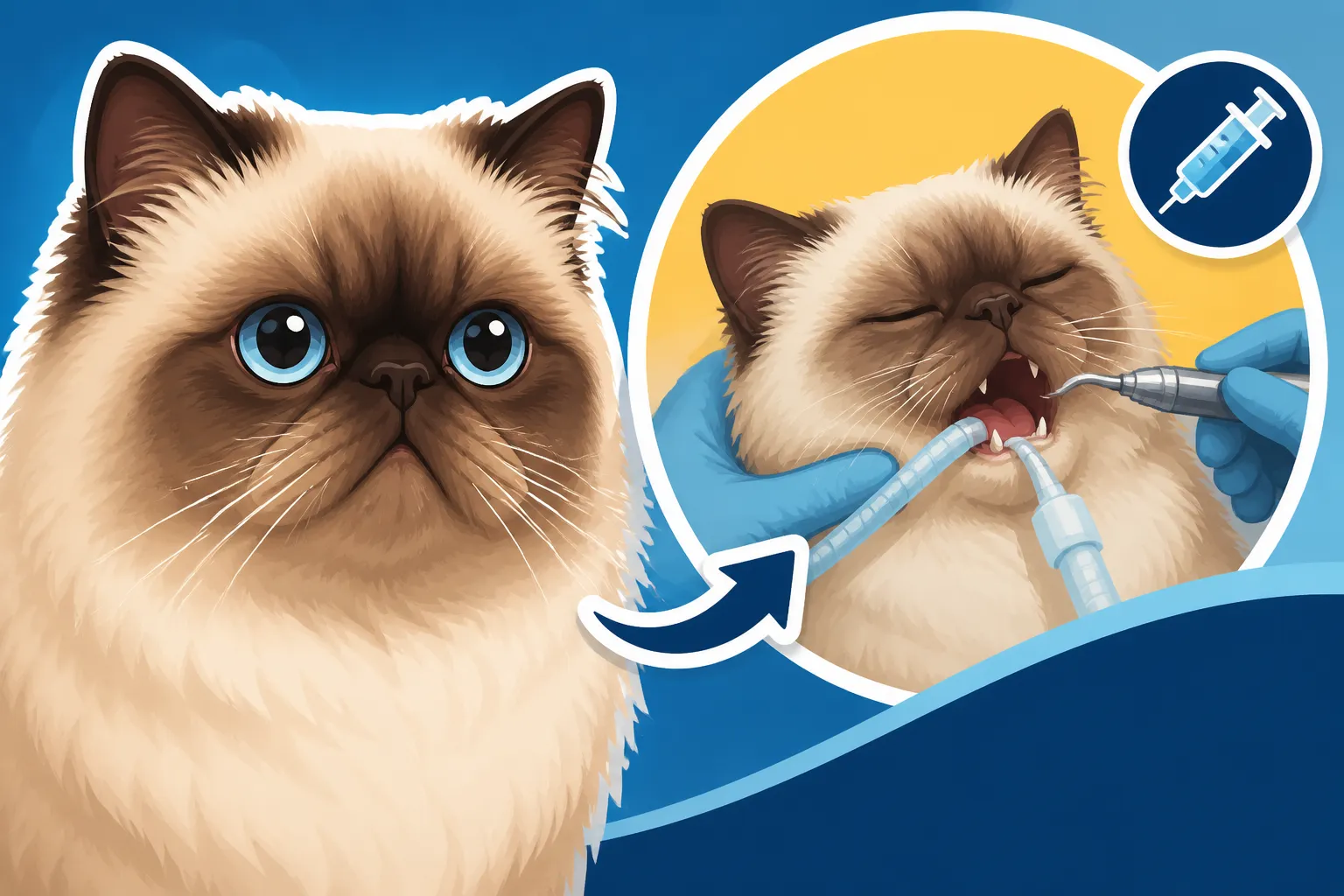
How Often a Himalayan’s Crowded Jaw Needs Anesthetic
It’s a concern many Himalayan cat parents share, and honestly, it’s a valid one: how often will your beloved furball need to go under anesthesia for dental work? The thought of our precious cats being sedated is naturally anxiety-inducing, and for a breed known for its charming, yet sometimes challenging, flattened face, the worries can feel even more pronounced. This guide aims to demystify the frequency of anesthetic dental procedures for Himalayans, helping you understand the factors involved, recognize the signs of dental trouble, and proactive steps you can take to keep their beautiful smiles healthy for as long as possible.
The Unique Challenges of a Himalayan's Jaw Structure
Himalayan cats, with their distinctive "peke-face" or "doll-face" profiles, are undeniably adorable, but these beloved features come with a trade-off: a significantly shortened and often crowded jaw. This isn't just a cosmetic trait; it profoundly impacts their oral health. Think of it this way: all the teeth that a regular cat has are still trying to fit into a much smaller space. This anatomical reality means that dental issues are often not a matter of if, but when, for many Himalayans.
The Anatomy of a Shortened Mouth
Imagine trying to cram a full set of adult teeth into a kitten's mouth – that’s essentially what happens with many Himalayans. Their shortened skull structure, inherited from their Persian lineage, means that while the jawbone itself is compressed, the number of teeth remains the same. This leads to a phenomenon known as malocclusion, where teeth don't align properly, and severe crowding, where teeth are rotated, overlapping, or erupting in unusual positions. This isn't just an aesthetic concern; it creates an environment ripe for dental problems. How a Shortened Jaw Crowds a Himalayan's Teeth goes into much more detail about the mechanics of this.
This crowding can cause significant discomfort for your cat. Teeth that press against each other or erupt at odd angles can rub against the gums or inner cheek, leading to chronic irritation and even sores. Furthermore, the misalignment can make it difficult for them to grasp and chew food effectively, sometimes causing them to drop kibble or struggle with certain textures. This makes selecting appropriate food and bowls, as discussed in Which Bowl Shape a Flat Faced Himalayan Can Use, particularly important.
Common Dental Issues Exacerbated by Crowding
The crowded nature of a Himalayan's mouth creates perfect hiding spots for plaque and tartar. When teeth overlap or are rotated, it becomes nearly impossible for normal chewing action or even diligent home brushing to reach all surfaces. Food particles and bacteria get trapped in these nooks and crannies, quickly forming plaque, which then hardens into tartar. This is why Why a Himalayan Needs Dentals Earlier Than a Siamese is so often true.
This accumulation of plaque and tartar leads directly to gingivitis, which is inflammation of the gums. You might notice redness, swelling, or even bleeding along the gumline. If left unchecked, gingivitis progresses to periodontal disease, a more severe and irreversible condition that attacks the structures supporting the teeth. This can lead to painful gum recession, bone loss, and eventually, tooth mobility and loss. In some cases, the chronic pressure and inflammation from overcrowding can even lead to Why a Crowded Persian Jaw Resorbs a Himalayan's Teeth, where the tooth structure itself is eaten away. These are all incredibly painful conditions that can significantly impact your cat's quality of life, even if they're masters at hiding their discomfort.
Recognizing When Your Himalayan Needs Dental Intervention
As dedicated cat parents, we want to know when our furry friends are suffering, but cats are notoriously stoic about pain, especially dental pain. They've evolved to hide weakness from predators, and this instinct persists even in our pampered indoor companions. So, it's up to us to become detectives, looking for subtle clues that indicate a need for professional dental attention.
Behavioral and Physical Clues
One of the most common, yet often overlooked, signs of dental disease is bad breath, or halitosis. If your Himalayan's breath smells foul, it's a strong indicator of bacterial overgrowth in their mouth, a hallmark of plaque and tartar. It's not just "cat breath"; it's a warning sign. You might also observe changes in their eating habits. While they may not stop eating entirely, they might approach their food bowl with hesitation, chew more slowly, favor one side of their mouth, or even drop food more frequently. Why a Himalayan Drops Food Onto Its Ruff can sometimes be related to dental discomfort rather than just their facial structure.
Other physical signs include drooling, especially if the saliva is tinted with blood, or if your cat starts pawing at their mouth. Swelling on one side of the face, though less common, can indicate an abscessed tooth. Less specific, but equally important, are changes in their grooming habits or overall demeanor. A cat in pain might become more withdrawn, less playful, or even grumpy. Conversely, some cats might become clingier, seeking comfort. Any unexplained weight loss should also prompt a vet visit, as dental pain can make eating a struggle.
The Role of Regular Vet Checks
While your observations at home are invaluable, nothing replaces the expertise of your veterinarian. Regular annual wellness exams are absolutely crucial, not just for vaccinations and general health checks, but specifically for dental assessment. During these visits, your vet will perform an oral exam, which often includes checking for signs of gingivitis, tartar buildup, and any obviously loose or broken teeth. They’ll also carefully assess the overall structure of the jaw, especially in a brachycephalic breed like the Himalayan, looking for specific issues discussed in How Crowded a Himalayan's Lower Jaw Gets.
These routine checks are the first line of defense against advanced dental disease. Even if your cat isn't showing obvious signs of pain, a vet can often spot subtle indicators that suggest it's time for a more thorough dental cleaning under anesthesia. They can guide you on the best preventive strategies and help you establish a dental care routine that is both effective and comfortable for your Himalayan.
Understanding Anesthetic Dental Procedures for Himalayans
When your vet recommends an anesthetic dental procedure, it’s perfectly normal to feel a knot in your stomach. Anesthesia always carries some risk, and for a brachycephalic breed like the Himalayan, there are often added considerations. However, modern veterinary anesthesia is incredibly safe, and the benefits of a thorough dental cleaning far outweigh the risks of untreated dental disease.
Why Anesthesia is Non-Negotiable for Thorough Dental Care
It’s tempting to wish for a "non-anesthetic" dental cleaning, but for a Himalayan, and indeed most cats, true, effective dental care requires anesthesia. Here’s why: first, to perform a truly thorough cleaning, every surface of every tooth – above and below the gumline – must be scaled to remove plaque and tartar. This requires specialized instruments and a patient cat that will hold still for an extended period, which is simply not possible without sedation.
Second, a comprehensive dental exam involves probing around each tooth to assess for periodontal pockets, taking dental X-rays to check the health of the tooth roots and jawbone (much of the disease is hidden below the gumline), and potentially performing extractions of diseased or painful teeth. Imagine trying to do that on an awake, potentially fearful cat! It would be traumatizing for them and impossible to do effectively or safely for the veterinary staff. Anesthesia ensures your cat is comfortable, pain-free, and still, allowing the vet to perform a meticulous and life-changing procedure.
Mitigating Anesthetic Risks in Brachycephalic Breeds
Yes, Himalayans, like all brachycephalic breeds, do have specific anesthetic considerations due to their shortened airways. This is why Why a Himalayan Is a Harder Anesthetic Than a Siamese is a topic often discussed by vets. Their flattened faces can predispose them to respiratory issues, making careful monitoring during and after anesthesia absolutely critical.
However, veterinary science has come a long way. Before any anesthetic procedure, your vet will perform a thorough physical examination and typically recommend pre-anesthetic bloodwork. This bloodwork checks organ function, particularly the kidneys and liver, to ensure your cat can metabolize the anesthetic drugs safely. Why a Himalayan's Kidneys Are Checked Before Sedation is a vital step in this process. Many vets also recommend IV fluids during the procedure to maintain blood pressure and support kidney function.
During anesthesia, your Himalayan will be intubated (a breathing tube placed in their windpipe) to protect their airway and ensure they receive oxygen and anesthetic gas safely. Their heart rate, respiratory rate, blood pressure, and oxygen saturation will be constantly monitored by trained veterinary technicians. Post-procedure, they'll be closely watched during recovery in a warm, quiet environment. Discuss any concerns you have with your vet; a good clinic will be happy to explain their protocols and put your mind at ease.
How Often is "Often Enough"? Establishing a Dental Schedule
This is the million-dollar question, and unfortunately, there's no single "every X months" answer that applies to every Himalayan. The frequency of anesthetic dental procedures is highly individualized, depending on a variety of factors unique to your cat. It's a journey, not a fixed destination, and it requires ongoing partnership with your veterinarian.
Factors Influencing Dental Cleaning Frequency
Several elements come into play when determining how often your Himalayan will need a professional dental cleaning under anesthesia:
- Genetics and Jaw Structure: Some Himalayans have more severe crowding or malocclusion than others. Cats with extremely packed teeth or significant misalignment are likely to develop dental disease more rapidly, requiring more frequent cleanings. How Crowded a Himalayan's Lower Jaw Gets varies from cat to cat.
- Diet: The type of food your Himalayan eats can play a role. While no kibble can truly "clean" teeth, some dental-specific diets are designed to help reduce plaque and tartar buildup. Wet food, while easier for flat-faced cats to eat, doesn't offer any mechanical cleaning action.
- Home Dental Care: This is arguably the biggest influencing factor. A Himalayan whose teeth are brushed daily will likely need fewer anesthetic cleanings than one who receives no home care at all. We’ll delve more into this in the next section.
- Existing Dental Disease: If your Himalayan already has significant periodontal disease, the vet might recommend more frequent cleanings (perhaps every 6-12 months initially) to get the disease under control and then space them out as their oral health improves.
- Overall Health: Underlying health conditions can also influence dental health and the frequency of procedures.
- Age: As cats age, dental issues can progress faster. What a Himalayan's Yearly Bloods Should Cover After Eight becomes even more critical for older cats needing dentals.
Given these variables, your veterinarian is the best person to advise you on a specific schedule. They can assess your Himalayan's unique oral anatomy and current dental health.
Proactive Home Care to Extend Cleaning Intervals
This is where you, as a dedicated cat parent, can make the biggest difference! While you can't prevent all dental disease, consistent home care can significantly slow its progression and potentially extend the time between professional cleanings.
The gold standard for home dental care is daily tooth brushing. Yes, daily! This might sound daunting, especially with a cat, but it's remarkably effective. Start slowly, getting your cat used to having their mouth handled. Use a feline-specific toothbrush (often a finger brush or a small, soft-bristled brush) and cat-safe toothpaste (never human toothpaste). Companies like Chewy and Amazon offer a variety of cat dental supplies, from brushes to enzymatic toothpastes designed to break down plaque. Getting a Toothbrush Into a Himalayan's Crowded Mouth provides step-by-step guidance on this. Even brushing just the outside surfaces of the upper teeth can make a difference.
If daily brushing is truly impossible, there are other aids:
- Dental Wipes: These can help remove some plaque from the tooth surfaces.
- Dental Diets: Specific veterinary dental diets are formulated with unique kibble shapes and coatings to help scrub teeth as your cat eats.
- Water Additives: These products contain ingredients that help reduce bacteria in the mouth or inhibit plaque formation. Look for products with the Veterinary Oral Health Council (VOHC) seal of acceptance.
- Dental Treats: While not a substitute for brushing, some treats are designed to help reduce plaque and tartar. Fresh food options can also be easier on a sensitive mouth, though their dental benefits are usually secondary to overall nutrition.
Remember, these are aids, not replacements for brushing or professional cleanings. Think of it like this: brushing your teeth at home is important, but you still need to see your dentist for cleanings and check-ups.
When to Plan for the Next Anesthetic Procedure
Ultimately, the decision on when your Himalayan needs their next anesthetic dental cleaning will be a collaborative one between you and your vet. It's usually determined by:
- Your Vet's Recommendation: After an initial cleaning, your vet will assess the severity of your cat's periodontal disease and recommend a follow-up schedule. This might be annually, every 18 months, or even every two years, depending on the individual cat and your commitment to home care.
- Visible Signs of Recurrence: Even with diligent home care, plaque and tartar will eventually return. If you start noticing bad breath, visible tartar buildup, or gingivitis again, it’s time to schedule a check-up.
- Changes in Behavior: Any of the behavioral clues we discussed earlier (changes in eating, drooling, pawing at the mouth) should prompt an immediate vet visit, regardless of the last cleaning date.
Here's a general idea of how cleaning frequency might look, but remember, this is highly generalized:
| Factor | Typical Dental Cleaning Frequency (Anesthetic) |
|---|---|
| Severe Crowding / No Home Care | Every 6-12 months |
| Moderate Crowding / Minimal Home Care | Every 12-18 months |
| Mild Crowding / Daily Brushing | Every 18-24 months or longer |
| Existing Periodontal Disease | Often initially every 6-12 months to control |
| No Visible Issues, Good Home Care | Potentially every 2-3 years for assessment |
The most important thing is not to delay. Dental disease is progressive and painful, and addressing it early can prevent more extensive and costly procedures down the line, ensuring your beautiful Himalayan lives a long, comfortable, and happy life.
Disclaimer
This article is for general informational purposes only and does not constitute professional advice. Laws, prices and regulations vary by location and change over time. Consult a qualified professional for guidance on your specific situation.