What Protein Level a Himalayan’s Coat Needs
If you're a Himalayan cat owner, you know that their glorious, flowing coats are both a blessing and, let's be honest, sometimes a bit of a challenge to maintain. One common frustration is when that luxurious fur starts looking a little dull, or you notice more shedding than usual, and you can't quite pinpoint why. Often, the secret to a truly magnificent Himalayan coat lies not just in your grooming routine, but deeply within their diet, particularly the protein levels they're consuming. This guide is here to unravel the mystery of how adequate protein contributes to that stunning, healthy coat you adore and how to ensure your fluffy friend gets exactly what they need.
Understanding Your Himalayan's Unique Coat Structure
Let's face it, a Himalayan's coat isn't just any cat coat. It's a majestic, thick, and wonderfully dense affair that is a direct inheritance from their Persian ancestors. This isn't just long hair; it's a complex, multi-layered marvel that requires specific nutritional support to truly thrive.
The Double-Layered Persian Heritage
Your Himalayan inherited their incredible coat from the Persian side of their family tree, which means they boast a double-layered system. This isn't just fluff; it's a strategically designed coat built for insulation and protection. You've got the soft, downy undercoat that's incredibly dense and provides warmth, and then there are the longer, coarser guard hairs that give the coat its structure and outer shine. Think of it as a built-in winter coat, designed to keep them cozy even in cooler temperatures, which, interestingly, also plays a role in How Temperature Decides a Himalayan's Point Color.
Maintaining these two distinct layers is a full-time job for your cat's body, and it demands a consistent supply of quality building blocks. If these layers don't get the nutrients they need, you'll see it first in the coat. The undercoat might become prone to matting because the individual hairs aren't as strong, and the guard hairs might lose their sheen, looking brittle or sparse. It's a constant cycle of growth and replacement, and protein is absolutely essential for every single strand. Without enough, the entire system can falter, making your grooming efforts feel like an uphill battle.
The Role of Keratin in Coat Health
At the heart of every single hair on your Himalayan's beautiful body is a protein called keratin. Think of keratin as the primary construction material for hair, skin, and even claws. It’s what gives hair its strength, elasticity, and that lovely smooth texture. Without sufficient keratin, hair becomes weak, easily broken, and prone to splitting. This is particularly noticeable in a long, dense coat like the Himalayan's, where every hair is on display.
When your Himalayan eats protein, their digestive system breaks it down into smaller components called amino acids. These amino acids are then transported throughout the body and reassembled into new proteins, including the keratin needed for hair growth. So, a diet rich in high-quality protein directly fuels the production of strong, resilient keratin, which in turn means a healthy, vibrant, and more manageable coat for your beloved feline. If you've ever wondered why your cat's fur might feel rough or look dull despite all your combing, inadequate keratin production due to dietary shortcomings could be a major culprit.
Why Protein is the Cornerstone of a Lustrous Himalayan Coat
It’s easy to think of protein primarily for muscle growth or energy, but for a Himalayan, it's a non-negotiable ingredient for maintaining their signature coat. This isn't just about superficial beauty; it’s about the fundamental health and integrity of their fur.
Essential Amino Acids for Hair Growth
The proteins your Himalayan consumes are broken down into various amino acids, and some of these are absolutely critical for healthy hair production. Cats, as obligate carnivores, need a diet rich in animal-derived proteins because these sources provide a complete profile of essential amino acids that their bodies cannot synthesize on their own. For instance, amino acids like methionine and cysteine are particularly important for building keratin, while others, like lysine and arginine, support overall cellular health, including the rapid cell turnover required for hair growth.
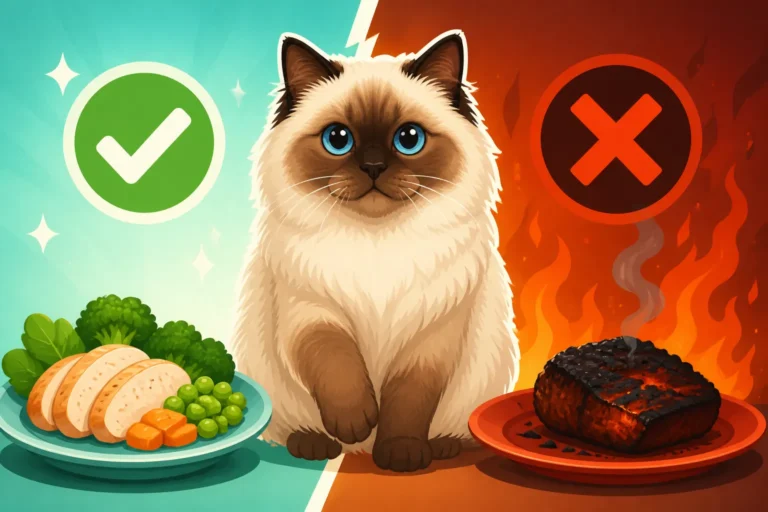
When a cat's diet lacks these specific amino acids, their body prioritizes them for more vital functions like organ maintenance, which means less is available for non-essential functions like lush hair growth. This can lead to hair that is brittle, thin, or grows at a slower rate. So, it's not just any protein; it's the right kind of protein, delivering these crucial building blocks, that truly makes a difference. You want to see ingredients like chicken, turkey, beef, or fish high up on the ingredient list, indicating a strong animal protein base.
Preventing Common Coat Issues with Adequate Protein
A lack of sufficient, high-quality protein can manifest in several frustrating coat issues that Himalayan owners often encounter. One of the most obvious signs is a dull, lifeless coat that lacks its natural sheen. Instead of reflecting light, the hair might appear dry and coarse. This often accompanies excessive shedding, as weaker hair follicles struggle to hold onto their strands, leading to more fur on your furniture and less on your cat.
Beyond aesthetics, insufficient protein can also contribute to a coat that's more prone to matting. While Why a Missed Day Costs a Himalayan a Mat is often about physical grooming, the underlying health of the hair plays a huge role. Weak, brittle hair is more likely to tangle and break, creating snags that quickly escalate into difficult mats. Furthermore, a compromised coat can even make your Himalayan more susceptible to skin issues because the skin barrier itself relies on protein for its integrity. By providing a diet with ample, appropriate protein, you're not just aiming for a beautiful coat; you're actively preventing a host of common, uncomfortable problems, making your cat happier and your grooming routine much easier.
Determining the Right Protein Level for Your Himalayan
So, how much protein is enough? It's not a one-size-fits-all answer, but there are some solid guidelines and important factors to consider to tailor your Himalayan's diet perfectly.
General Guidelines for Adult Cats
For most healthy adult cats, including our lovely Himalayans, a diet containing at least 26-30% protein on a dry matter basis is generally recommended for maintenance. However, given their specific needs as obligate carnivores and their Persian coat inheritance, many experts and breeders suggest leaning towards the higher end of that spectrum, or even slightly above, often in the 30-35% range for optimal coat health. Remember, this is dry matter basis, which isn't always the same as the 'guaranteed analysis' on the bag, especially for wet foods. You'll often need to do a little calculation to figure out the true dry matter protein percentage, as wet food contains a lot of moisture.
It’s important to strike a balance, though. While more protein is generally good, Himalayans are not typically the most active breed. They tend to be quite content to lounge and hold court from their favorite armchair, as explored in Why a Himalayan Stays on the Floor and the Sofa. This means they don't burn as many calories as a highly energetic Siamese, for example. Overfeeding a high-calorie, high-protein diet without sufficient activity could lead to weight gain, which brings its own set of health concerns and makes grooming even harder, as detailed in Why an Overweight Himalayan Cannot Reach Its Britches. Always aim for a diet that supports their luxurious coat without contributing to excess weight.
Factors Influencing Protein Needs
The general guidelines are a good starting point, but your individual Himalayan's protein needs can vary significantly based on several personal factors. Age is a big one: rapidly growing kittens need a higher protein percentage (often 35-45% on a dry matter basis) to fuel their development, while senior cats, particularly those losing muscle mass or with certain health conditions, might also benefit from higher, highly digestible protein. However, an older cat with kidney issues, as discussed in How Kidney Failure Arrives in a Himalayan Past Twelve, might need a lower protein diet, making veterinary consultation absolutely vital.
Activity level is another key factor, although as we've mentioned, Himalayans are not known for their boundless energy. A cat who occasionally gets the "zoomies" and enjoys interactive play will naturally burn more calories and might utilize protein differently than one who prefers to be a decorative, fluffy cushion. Pregnancy and lactation also significantly increase a queen's protein demands to support her kittens. Always consider these individual circumstances, and if in doubt, a consultation with your veterinarian can help tailor the perfect dietary plan, ensuring your Himalayan gets precisely what they need for their unique life stage and health status.
High-Quality Protein Sources
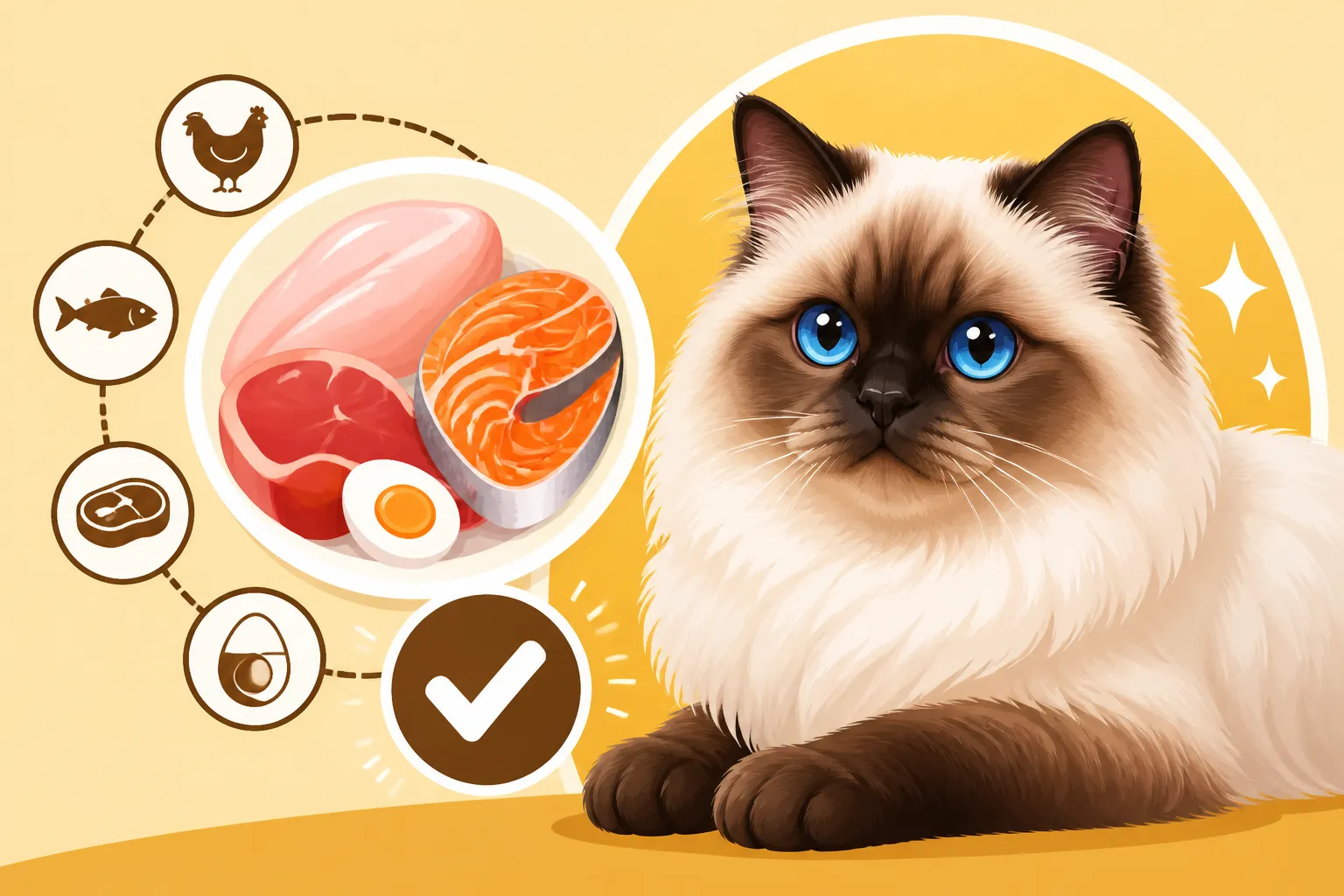
When we talk about protein for your Himalayan, the emphasis should always be on "high-quality" sources. For obligate carnivores like cats, this unequivocally means animal-based proteins. Their digestive systems are specifically designed to process and extract nutrients from meat, fish, and poultry far more efficiently than from plant-based proteins. Look for whole meat ingredients listed prominently at the top of your cat's food label.
Excellent examples of high-quality protein sources include chicken, turkey, salmon, beef, lamb, and duck. These ingredients provide a complete amino acid profile, meaning they contain all the essential amino acids your Himalayan needs for robust health and a stunning coat. While some cat foods might include plant proteins like peas or corn gluten meal, these should not be the primary protein sources. Always prioritize identifiable animal proteins to ensure your Himalayan is getting the most digestible and bioavailable building blocks for their magnificent fur and overall well-being. Opting for a diet with real meat as the first ingredient is a crucial step in supporting that glorious, thick coat.
Integrating Protein into Your Himalayan's Diet for Optimal Coat Health
Now that we understand why protein is so vital, let's talk about the practical steps of making sure your Himalayan gets the right amount and type to keep their coat looking its absolute best.
Choosing the Right Cat Food
Selecting the right cat food can feel overwhelming with all the options out there, but focusing on protein content and quality will simplify your choice. Start by scrutinizing the ingredient list. The first few ingredients should be identifiable animal proteins like deboned chicken, salmon meal, or turkey. If you see corn, wheat, or unnamed "meat by-products" as the first ingredient, you might want to reconsider. Next, look at the guaranteed analysis on the label for the crude protein percentage. Remember, this percentage is for the food as fed. To get a more accurate picture, especially for wet food, calculate the dry matter protein percentage. A quick search online can show you how to do this simple calculation.
Consider the format of the food as well. Dry kibble can be convenient, but ensure the pieces are appropriately sized for your Himalayan's typically flattened face, as discussed in Which Kibble a Himalayan's Shortened Jaw Can Lift. Wet food is often higher in moisture, which is beneficial for hydration, and the softer texture can be easier for them to eat. Many owners find great high-protein options available through retailers like Chewy, which often provide detailed nutritional breakdowns and customer reviews to help you make an informed decision. Exploring brands on platforms like Amazon also gives you access to a wide array of specialized diets formulated for long-haired breeds or specific life stages, making it easier to pinpoint a food that meets your cat's unique needs. You might even look into fresh-cooked options if you want to ensure top-tier, human-grade protein sources.
Balancing Protein with Other Nutrients
While protein is paramount for coat health, it's crucial to remember that it's just one piece of the nutritional puzzle. A truly lustrous Himalayan coat, and indeed, a healthy cat overall, requires a balanced intake of fats, carbohydrates, vitamins, and minerals. Essential fatty acids, particularly Omega-3s and Omega-6s, are incredibly important for skin health and coat shine. These often come from sources like fish oil or flaxseed. Without enough healthy fats, even a high-protein diet might result in a dull, dry coat.
Vitamins and minerals, such as biotin, zinc, and B vitamins, also play supportive roles in keratin production and overall hair follicle health. Think of it like a symphony: protein is the lead instrument, but all the other sections need to be there, playing in harmony, to create a beautiful performance. A high-quality commercial cat food designed for complete and balanced nutrition should ideally provide this comprehensive blend. Resist the urge to focus solely on protein to the exclusion of other vital components, as true coat health stems from a holistic approach to their diet.
Monitoring Your Himalayan's Coat and Overall Health
The proof, as they say, is in the pudding – or in this case, in the coat! Once you've adjusted your Himalayan's diet to ensure adequate, high-quality protein, it's essential to monitor the results. Pay close attention to the texture, shine, and density of their fur. Do you notice less dullness? Is it feeling silkier and stronger to the touch? Are you seeing less breakage when you comb? These visual and tactile cues are your best indicators that the dietary changes are making a positive impact.
Beyond the coat, observe your cat's overall health and energy levels. Are they maintaining a healthy weight? Is their appetite good? Are they active for a Himalayan, even if that just means following the sunbeam around the house? Regular grooming sessions are not just for detangling but also provide an opportunity to feel for any changes in skin condition or detect early signs of issues. And, of course, consistent veterinary check-ups are non-negotiable. Your vet can provide professional insights, perform blood tests to check for underlying deficiencies or conditions that might affect coat health, and help adjust the diet as your cat ages or if any health concerns arise. Remember, What a Himalayan's Yearly Bloods Should Cover After Eight is particularly important for monitoring their health as they mature.
Here's a quick reference for protein needs across different life stages:
| Life Stage | Recommended Protein (Dry Matter Basis) | Key Nutritional Focus |
|---|---|---|
| Kitten (0-12 months) | 35-45% | Rapid growth, muscle development, immune system support. |
| Adult (1-7 years) | 30-35% | Maintenance, coat health, muscle mass, healthy weight. |
| Senior (7+ years) | 30-35% (or as advised by vet) | Muscle maintenance, digestibility, kidney/joint support (may need adjustment for specific health issues). |
| Pregnant/Lactating | 35-45% | High energy demands, milk production, supporting fetal/kitten development. |
Ensuring your Himalayan receives the proper protein level is an investment in their long-term health and the magnificent beauty of their coat. It takes a little dedication to research and observe, but seeing that luscious, vibrant fur makes it all worth it.
Disclaimer
This article is for general informational purposes only and does not constitute professional advice. Laws, prices and regulations vary by location and change over time. Consult a qualified professional for guidance on your specific situation.