How a Persian Can Carry the Himalayan Gene Hidden
It's quite a common scenario: you have a stunning, fluffy Persian cat, perhaps a beautiful solid white or a striking calico, and you absolutely adore them. Then, perhaps you decide to breed them, and much to your surprise, a little kitten pops out with the distinct dark points of a Himalayan! How on earth did that happen? Well, it all comes down to a fascinating genetic secret your Persian might be carrying, completely hidden from plain sight. This guide will unravel the mystery of the Himalayan gene and explain how your seemingly non-pointed Persian can actually be a silent carrier, shaping the genetics of future generations.
Understanding the Himalayan Pointed Gene
The world of cat genetics can feel like a complex puzzle, but understanding how coat color and pattern work is key to appreciating breeds like the Himalayan. It’s not just about what you see on the surface; it’s about the blueprint coded within their DNA.
What is the Colorpoint Gene?
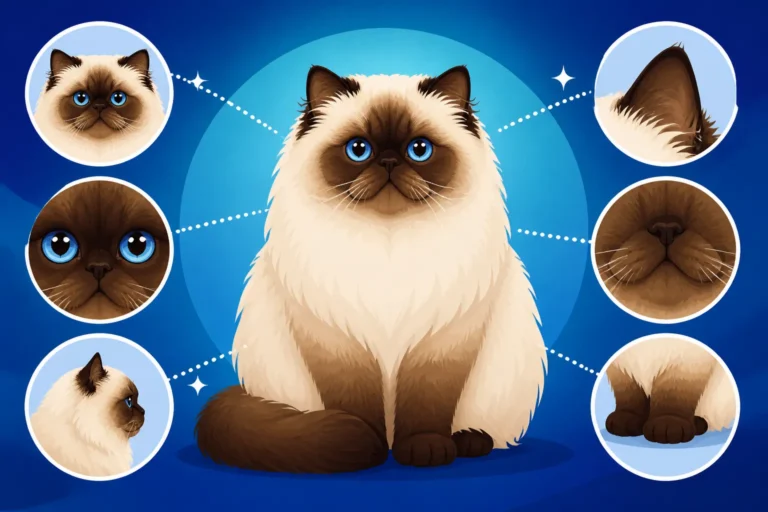
At the heart of the Himalayan's distinctive appearance is a specific genetic mutation known as the colorpoint gene. This gene is responsible for what we affectionately call "points" – those darker areas of fur on the ears, face, paws, and tail. What's truly remarkable is how this gene works. It produces an enzyme that's heat-sensitive, meaning it only allows pigment to develop in cooler parts of the cat's body. The warmer core body stays much lighter, often a creamy white or pale fawn. It's a natural temperature map written in fur! Think about it: a Himalayan kitten is born almost entirely white because they were warm inside their mother's womb. As they get out into the world and their extremities cool, those points slowly begin to darken, revealing their true color over several weeks and months. This temperature-dependent pigment distribution is what makes the Himalayan so unique and visually striking. This is why you'll often hear discussions about Why the Cold Parts of a Himalayan Grow Dark Fur, because it's precisely how the gene manifests.
The Recessive Nature of the Gene
Now, here's where the "hidden" part comes into play. The colorpoint gene is what geneticists call a recessive trait. What does "recessive" actually mean in practical terms for your cat? It means that a cat needs to inherit two copies of this specific gene – one from its mother and one from its father – for the Himalayan pattern to actually show up on their coat. If a cat only inherits one copy of the colorpoint gene, and the other copy is for a dominant, non-pointed color, then the cat will display the dominant, non-pointed coat. It will look like a regular Persian, a solid black, a tabby, a calico, or whatever its dominant genes dictate. The fascinating thing is, even though it doesn't show the Himalayan pattern, it still carries that single copy of the gene. It’s like having a secret ingredient in a recipe that only activates if you add a second, identical secret ingredient. This is a fundamental concept in cat genetics, and it’s why understanding Why a Himalayan Needs Two Copies of the Point Gene is so crucial for breeders and owners alike.
How a Persian Carries the Gene
So, you have a beautiful Persian that doesn't have any points, and yet, there's a possibility it's carrying that hidden Himalayan magic. Let's delve into what that means and how it's even possible to identify such a silent genetic partner.
The Concept of a "Carrier"
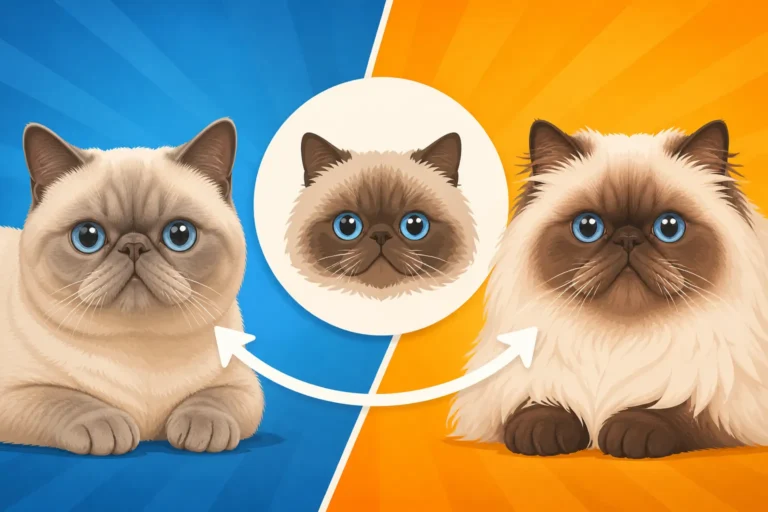
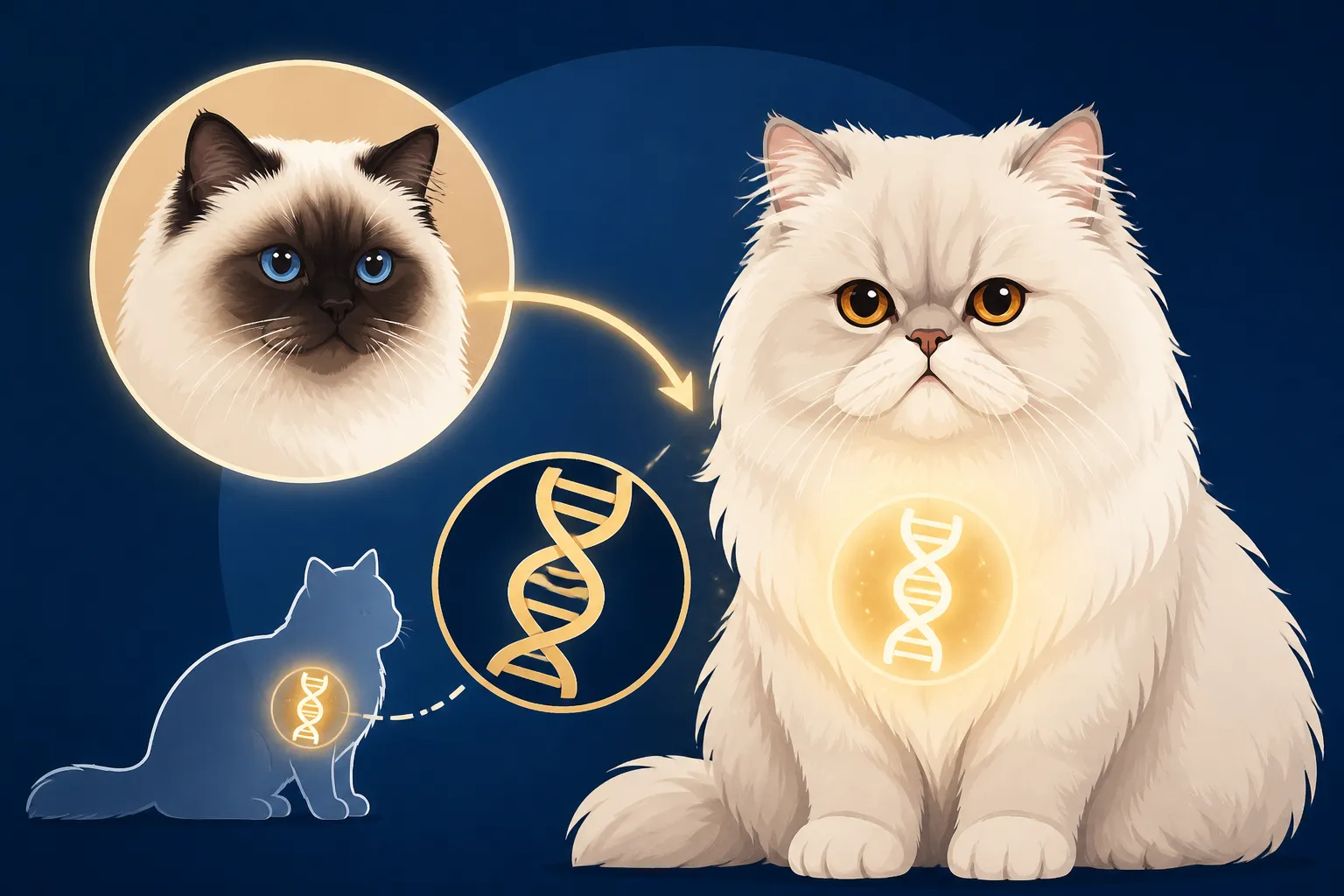
When we talk about a Persian being a "carrier" for the Himalayan gene, we're referring to a cat that has one copy of the colorpoint gene (the recessive gene) and one copy of the non-colorpoint gene (the dominant gene). Because the non-colorpoint gene is dominant, it's the one that gets expressed, so the cat appears to be a regular, solid-colored Persian, or perhaps a tabby or a tortie, with no visible points. It simply looks like any other Persian in its phenotype (its physical appearance). However, internally, it holds that single, secret copy of the Himalayan gene. This cat isn't pointed itself, but it has the potential to pass that gene on to its offspring. It's like having a sealed letter with important information – you know it's there, but you can't read it until it's opened and combined with another piece of the puzzle. This phenomenon was a key part of the early genetic studies that led to the breed, proving that traits could exist without being expressed, a concept beautifully illuminated in What the Himalayan Proved About Coat Genetics.
Identifying a Carrier Persian
This is where it gets interesting, and often, a little surprising for new breeders or owners. You absolutely cannot tell if a Persian is a carrier for the Himalayan gene just by looking at them. There are no tell-tale physical signs, no subtle shifts in fur color, no unusual eye traits. A carrier Persian looks, acts, and feels exactly like any other non-carrier Persian. The only definitive ways to identify a carrier Persian are through two main methods: genetic testing or, more dramatically, through its offspring. Genetic testing is a straightforward DNA test, often done with a simple cheek swab, that can confirm the presence of one copy of the colorpoint gene. This removes all guesswork. The alternative, and often how breeders first discovered carrier status in the past, is by breeding. If a solid Persian is bred to another solid Persian, and a Himalayan kitten appears in the litter, then both parents must have been carriers. There's no other way for a recessive trait to suddenly show up unless both parents contributed a copy of the gene.
Breeding Implications and Outcomes
Understanding carrier status isn't just a fun genetic fact; it has significant implications for breeding programs and can dictate the appearance of entire litters. This is where responsible breeding truly shines.
When Two Carriers Meet
The real genetic fireworks happen when two Persian cats, both silently carrying the Himalayan gene, are bred together. This is where the Punnett Square, a fundamental tool in genetics, helps us predict the probabilities of their offspring. When each parent has one copy of the non-colorpoint gene (let's call it C for dominant) and one copy of the colorpoint gene (let's call it c for recessive), their genetic makeup is Cc.
Here's a simplified look at the potential outcomes:
| C (from Parent 1) | c (from Parent 1) | |
|---|---|---|
| C (from Parent 2) | CC (Non-carrier Persian) | Cc (Carrier Persian) |
| c (from Parent 2) | Cc (Carrier Persian) | cc (Himalayan) |
As you can see from this table, statistically, in each litter from two carrier Persians:
- There's a 25% chance that a kitten will inherit two dominant genes (CC) and therefore be a non-carrier Persian, completely clear of the Himalayan gene.
- There's a 50% chance that a kitten will inherit one dominant and one recessive gene (Cc), making them a carrier Persian, just like their parents.
- And finally, there's a 25% chance that a kitten will inherit two recessive genes (cc), meaning they will express the colorpoint pattern and be born as a beautiful Himalayan kitten!
This explains perfectly Whether Two Persians Can Produce a Himalayan, as it's a direct result of both parents carrying that hidden gene. It's a testament to the beauty and unpredictability of genetics, yet entirely predictable when you understand the underlying principles.
The Role of Genetic Testing
For any serious and responsible breeder, genetic testing isn't just an option; it's a non-negotiable part of their program. Knowing a cat's genetic status for traits like the Himalayan gene allows breeders to make informed decisions about pairings. If a breeder aims to produce only solid Persians, they would want to avoid breeding two known carriers together, or they might breed a carrier to a non-carrier to reduce the chance of pointed offspring (which would still produce 50% carriers). Conversely, if a breeder wants to produce Himalayans from their Persian lines, they would deliberately seek out carrier Persians to breed.
A simple, non-invasive cheek swab can provide a wealth of information about a cat's genetic makeup, including their status for the colorpoint gene. This testing is readily available through specialized veterinary labs and can give breeders peace of mind and help them plan their litters with precision. It ensures transparency and allows them to stand by the genetic health and lineage of their kittens, providing potential owners with confidence. It's truly empowering to know what hidden genes your feline friends carry, informing every decision, from breeding to simply understanding their unique heritage.
Why This Matters to Breeders and Owners
The knowledge of hidden carrier genes extends far beyond just producing pretty kittens. It's about responsible stewardship of a breed and ensuring the health and future of beloved feline companions.
Managing Genetic Diversity
The Himalayan breed itself was born from crossing Persians with Siamese cats, a deliberate effort to introduce the colorpoint gene into the Persian lineage. This history means that the potential for the Himalayan gene to be carried silently within Persian populations is deeply ingrained. Understanding which individual Persians are carriers allows breeders to manage genetic diversity thoughtfully. You see, not all recessive genes are problematic, but knowing they exist in your line is crucial. You might choose to strategically breed a carrier to a non-carrier (a "clear" cat) to ensure that the trait doesn't disappear from the gene pool entirely, which could inadvertently narrow genetic diversity.
For example, a breeder might have a Persian with an exceptional temperament, robust health, or stunning conformational traits that they want to preserve. If that cat happens to be a carrier for the Himalayan gene, simply removing it from a breeding program could mean losing those valuable qualities. Instead, by using genetic testing, they can pair that carrier with a non-carrier (CC) Persian. All the kittens from such a pairing would statistically be either non-carrier (CC) or carrier (Cc) themselves, but none would be pointed (cc). This method allows the desirable traits to be passed on while managing the expression of the colorpoint gene. This nuanced approach shows how the deliberate cross that made the Himalayan, as explored in Why Harvard Crossed a Persian With a Siamese to Make the Himalayan, continues to influence breeding practices today. It's all about thoughtful, informed decisions for the betterment of the breed.
What to Ask Your Breeder
For anyone considering bringing a Persian or even a Himalayan into their home, asking about genetic testing is absolutely paramount, whether you're planning to breed or not. A reputable breeder will be transparent about their cats' genetic background and health screenings. Don't be shy about asking if the parent cats have been tested for carrier status of the Himalayan gene, as well as other genetic conditions relevant to the Persian breed, such as Polycystic Kidney Disease (PKD). This kind of proactive inquiry demonstrates that you are a responsible prospective owner and encourages ethical breeding practices.
A breeder who is serious about the health and integrity of their lines will have these records readily available and will be happy to discuss them with you. They should provide clear documentation, much like the Which Two Certificates a Himalayan Breeder Owes You that confirm their testing protocols. Even if you're just looking for a beloved pet and have no intention of breeding, knowing your cat's genetic background can offer valuable insights into their potential health needs and heritage. It's part of being an informed owner in today's world of advanced genetic understanding. Many breeders will even list this information alongside their available kittens on their websites, or provide a detailed pedigree that notes such testing. When you're looking for specific genetic testing kits or even just general wellness supplies to support your cat's health journey, resources like Chewy can be incredibly helpful for your feline companion. Responsible breeders know the value of good nutrition and proper care, often sourcing high-quality foods and grooming tools from places like Chewy to ensure their cats thrive, and they'll happily share that knowledge with you.
Disclaimer
This article is for general informational purposes only and does not constitute professional advice. Laws, prices and regulations vary by location and change over time. Consult a qualified professional for guidance on your specific situation.