Why PKD Needs Only One Copy in a Himalayan
Bringing home a sweet, flat-faced Himalayan with piercing blue eyes is pure joy, but discovering the hidden genetic risks lurking in their bloodline can quickly turn that joy into anxiety. Polycystic Kidney Disease, commonly known as PKD, is the single most severe inherited health condition affecting this beloved breed. Because PKD follows an autosomal dominant inheritance pattern, a cat needs to inherit only one single copy of the mutated gene from a parent to develop destructive, lifelong kidney cysts. This comprehensive guide breaks down the genetics, progression, diagnostics, and practical care strategies every Himalayan owner needs to know.
The Genetics of Autosomal Dominant PKD in Himalayans
Understanding genetic inheritance can feel overwhelming, especially when you are staring at complex veterinary charts or pedigree papers. However, the mechanism behind Polycystic Kidney Disease in Himalayans is surprisingly simple and unforgiving. Unlike genetic traits that require both parents to pass down a faulty gene, PKD operates on a dominant genetic key. If a kitten gets just one copy of the mutated gene, that kitten will develop the condition.
What Dominant Inheritance Means for Your Cat
In feline genetics, traits are inherited in pairs—one gene from the mother and one from the father. Some genetic conditions are recessive, meaning a cat can carry a single mutated gene without ever getting sick. Recessive carriers live completely healthy lives, only passing the condition along if they mate with another carrier. Dominant traits work very differently. If a gene is autosomal dominant, its instructions override the normal gene.
For your Himalayan, this means there is no such thing as a silent genetic carrier for PKD. If a cat carries the mutated PKD gene, that cat is affected and will grow cysts inside its kidneys. The term autosomal simply means the gene sits on a non-sex chromosome, so male and female Himalayans face the exact same risk. There is no gender shield when it comes to this condition.
The Persian Lineage and the PKD1 Mutation
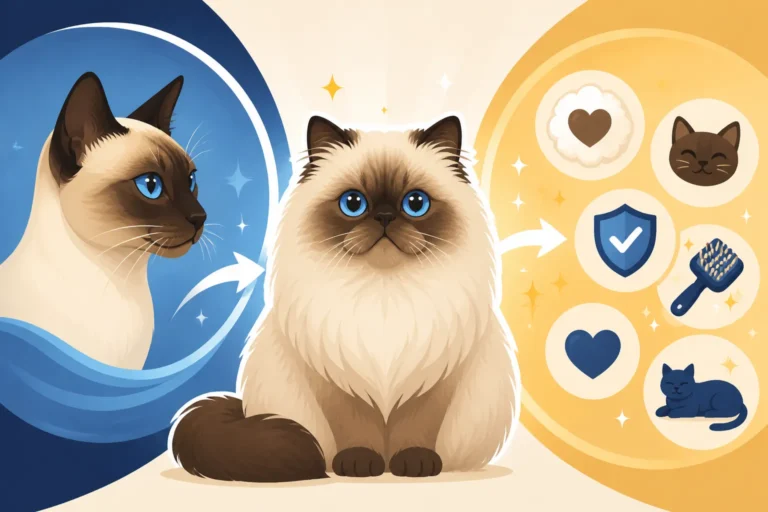
To understand how this condition invaded the breed, you have to look back at how the Himalayan was created. Breeders crossed sleek Siamese cats with luxurious Persians to combine point coloration with a long, fluffy coat and a cobby frame. While the Siamese side contributed vivid blue eyes and vocal personality traits, PKD1 Came Down the Persian Side of a Himalayan.
The PKD1 mutation is a specific defect in the gene responsible for producing polycystin-1, a protein critical for maintaining the structural integrity of renal tubules. When this protein functions incorrectly, normal fluid-filtering tubes in the kidneys balloon outward into fluid-filled pockets. Because the Himalayan standard relies heavily on Persian type, early breeding practices inadvertently spread this single mutated gene deep into the Himalayan population before reliable DNA testing became accessible.
The Odds for a Himalayan Kitten
Because only one mutated copy is necessary to cause disease, the statistical odds for offspring are stark. If an affected Himalayan carrying one copy of the PKD gene is mated with a completely healthy, non-affected cat, every single kitten in that litter has a 50 percent chance of inheriting the mutation. There is no blending or dilution of the gene; a kitten either gets the healthy copy or the mutated one.
If two affected Himalayans are mated together, the math becomes even grimmer. Kittens that inherit two copies of the mutated gene—one from each parent—rarely survive to birth. The genetic damage is so severe that embryonic tissue usually reabsorbs, or the kittens are stillborn. This high mortality rate highlights just how destructive the single copy of the mutated gene really is to mammalian kidney tissue.
How Cysts Develop and Destroy Healthy Kidney Tissue
The tragic element of PKD is its slow, silent progression. A Himalayan kitten born with the mutation appears completely vibrant, playful, and robust. On the outside, there is no physical indication that their internal organ structure is slowly changing. The damage unfolds beneath the fur over several years, making early awareness critical for long-term care.
From Microscopic Sacs to Renal Compromise
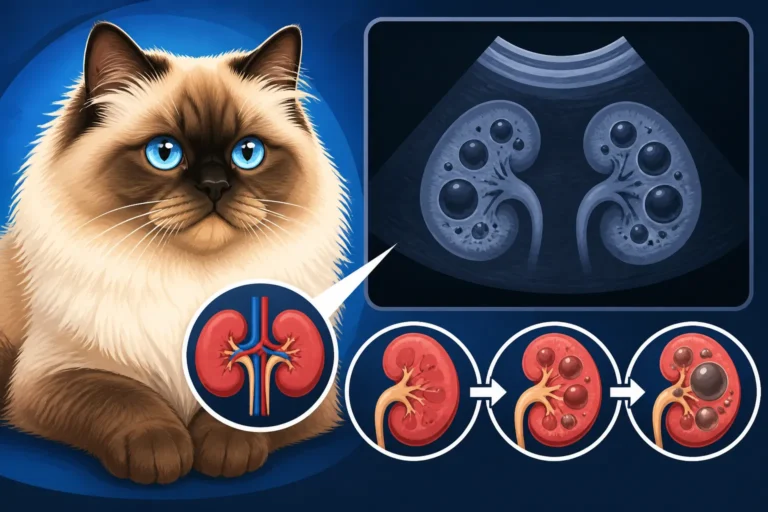
At birth, a PKD-positive kitten’s kidneys contain microscopic fluid-filled sacs within the functional filtering units called nephrons. As the cat grows, these fluid pockets slowly expand. Fluid continues to pump into the sacs, causing them to swell from microscopic specks into visible, liquid-filled cysts ranging in size from a pinhead to a marble.
As these cysts expand, they press against the surrounding healthy kidney tissue. Kidneys are rigid organs with limited room to expand. The constant, crushing pressure from growing cysts cuts off blood supply to healthy nephrons, causing normal kidney cells to die off and be replaced by non-functional scar tissue. How Early Cysts Show on a Himalayan’s Kidney Scan offers a clear look into how these structural changes can be caught long before functional loss occurs.
Why Physical Symptoms Take Years to Appear
Feline kidneys possess a remarkable capacity to compensate for tissue damage. A cat can lose up to 75 percent of its overall kidney function before outward signs of illness appear on basic blood tests or show up in daily behavior. This high functional reserve is a double-edged sword for Himalayan owners. On one hand, it allows a young cat with mild cyst growth to feel great and play normally for years. On the other hand, it masks structural destruction until the disease reaches an advanced stage.
Most Himalayans affected by PKD do not display overt clinical signs until they hit middle age, typically between three and seven years old. By the time an owner notices subtle shifts in appetite or energy, hundreds of microscopic cysts may have transformed the once-smooth kidneys into enlarged, irregular structures filled with fluid pockets. Knowing How Long a Himalayan Lives Once Its Kidneys Fail helps owners frame their expectations and tailor proactive care strategies as their cat ages.
Recognizing Early Warnings and Behavioral Shifts
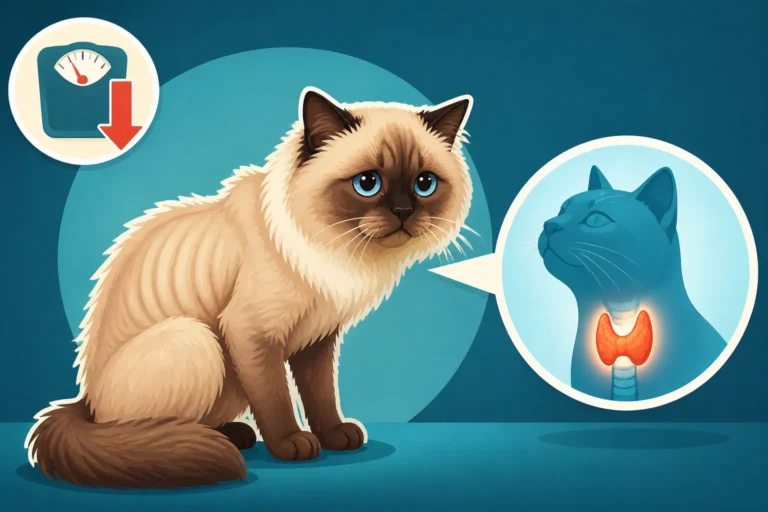
Even though early damage happens quietly, attentive owners can spot micro-changes in their Himalayan’s routine. The earliest observable symptom is usually a change in water consumption and litter box habits. As cysts replace normal tissue, the kidney loses its ability to concentrate urine. To flush out daily metabolic waste, the cat must drink significantly more water, leading to larger, more frequent puddles in the litter box.
You might notice your Himalayan hanging around water bowls longer, drinking from dripping faucets, or seeking out cool bathroom sinks. Along with increased thirst, subtle signs include a dulling of the long coat, mild weight loss down the spine, occasional vomiting of clear fluid, and a general decline in playfulness. Knowing Why Extra Thirst in a Himalayan Points at Its Persian Half gives you the context needed to treat a sudden shift in drinking habits as a prompt to schedule diagnostic work.
Diagnostic Testing: DNA Swabs vs. Renal Ultrasounds
Because PKD relies on a single mutated gene, modern veterinary medicine gives us clear, accurate ways to identify affected cats long before they suffer renal stress. Owners no longer have to guess about their cat’s status. A combination of genetic screening and physical imaging allows for precise planning.
The Precision of PCR Gene Testing
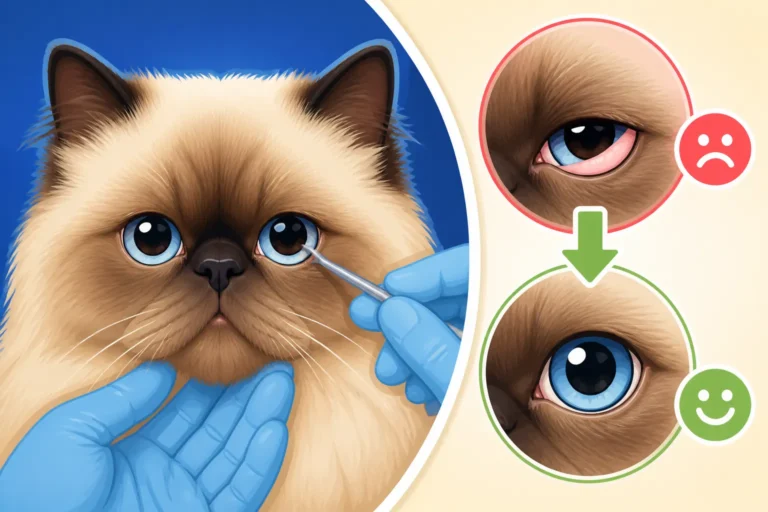
The gold standard for determining whether a Himalayan carries the PKD mutation is a Polymerase Chain Reaction (PCR) DNA test. This test looks directly for the specific mutation on the PKD1 gene. The testing process is completely non-invasive and painless. A vet or owner rubs a small synthetic swab against the inside of the cat’s cheek to collect mucosal cells, which are then sealed and sent to an accredited genetics laboratory.
Genetic testing can be performed at any age, even on a multi-week-old kitten before it leaves the cattery. The results are strictly binary: the cat is either positive (carrying one copy of the mutated gene) or negative (carrying two normal genes). A negative result guarantees that the cat will never develop genetic polycystic kidney disease, nor will it ever pass the gene to its offspring. Learning How a Himalayan Is Swabbed for the Persian Kidney Gene removes any mystery around this simple life-saving test.
Ultrasound Scans for Physical Cyst Staging
While a DNA swab tells you if the gene is present, it cannot tell you how far the disease has progressed. That is where high-resolution abdominal ultrasound imaging comes in. Experienced veterinary sonographers can detect fluid-filled cysts in a cat’s kidneys as early as six to ten months of age.
Ultrasound imaging is crucial for monitoring the rate of cyst expansion over time. Two Himalayans with the exact same genetic mutation might experience vastly different growth rates; one might have three small, isolated cysts at age four, while another has dozens of large, crowded cysts at the same age. Why an Ultrasound Still Backs Up a Himalayan’s Gene Test becomes clear when you realize that imaging is what tells your vet how much healthy tissue remains and how aggressively you need to adjust daily care.
Evaluating Blood Chemistry and Urinalysis
To round out a complete diagnostic picture, vets run routine blood work and urine tests. These tests assess how well the surviving nephrons are filtering toxins from the bloodstream. Key markers include Blood Urea Nitrogen (BUN), Serum Creatinine, and Symmetric Dimethylarginine (SDMA). SDMA is particularly valuable because it can flag declining kidney function much earlier than traditional creatinine markers.
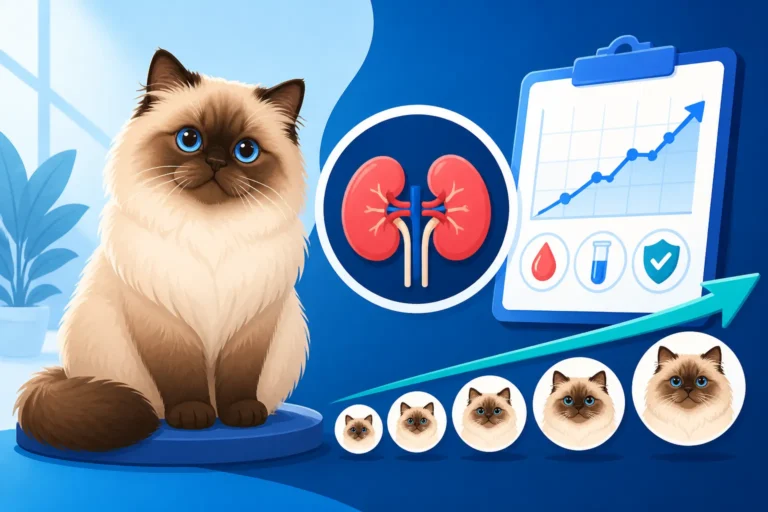
A comprehensive urinalysis looks at urine specific gravity—how concentrated the cat’s urine is—and checks for abnormal protein leakage or secondary bacterial urinary tract infections, which are common in cyst-burdened kidneys. Understanding Which Blood Values a Himalayan’s Kidney History Demands empowers owners to track their pet’s organ health line by line over annual visits.
| Diagnostic Method | Primary Purpose | Best Timing / Frequency |
|---|---|---|
| PCR DNA Cheek Swab | Identifies presence of PKD1 gene | Once in lifetime (Kittenhood) |
| Abdominal Ultrasound | Visualizes physical cysts & tissue | Baseline at 1 year; annual past 4 |
| Blood SDMA & Creatinine | Measures current filtration ability | Every 6-12 months past age 3 |
| Urinalysis & USG | Checks urine concentration & infection | Every 6-12 months alongside bloods |
Managing a PKD-Positive Himalayan for Maximum Longevity
Receiving a positive PKD diagnosis for your Himalayan can feel devastating, but it is important to remember that a positive gene test is not an immediate death sentence. With early intervention, thoughtful management, and proper supportive care, many PKD-positive cats live happy, comfortable lives well into their senior years.
Dietary Changes and Fluid Support
The primary goal when managing a cat with kidney cysts is reducing the workload on the remaining healthy tissue. Diet plays a central role in this effort. Specialized renal diets are formulated with low phosphorus levels, highly digestible moderate-quality proteins, and elevated omega-3 fatty acids to reduce kidney inflammation and minimize toxic waste buildup in the bloodstream.
Hydration is your cat’s greatest ally. Because kidneys with cysts struggle to conserve water, PKD-positive Himalayans need continuous fluid intake. Transitioning your cat completely from dry kibble to high-moisture canned or wet food is essential. Adding water or bone broth to meals, keeping multiple wide water fountains throughout the home, and eventually administering subcutaneous (SQ) fluids under your vet’s guidance can dramatically slow down renal decline. Exploring Which Renal Diet a Cyst Positive Himalayan Ends Up On will help you choose options that cater to both kidney health and flat-faced eating comfort.
Veterinary Care and Insurance Considerations
Managing a chronic condition like PKD involves ongoing diagnostic testing, routine blood monitoring, and potentially long-term medication to manage blood pressure and nausea. Financial planning is an unavoidable part of managing chronic feline health conditions. Setting up comprehensive coverage through a reputable provider like Healthy Paws early in your cat’s life—ideally before any genetic testing or ultrasound imaging appears on veterinary medical records—can offer immense financial relief.
When you establish a policy with Healthy Paws prior to a formal diagnosis or symptom onset, the costs associated with recurring lab work, prescription diets, ultrasound monitoring, and emergency hospital stays are far easier to absorb. Managing kidney health requires a long-term strategy, and having a reliable partner like Healthy Paws helps ensure medical decisions are driven by what is best for your Himalayan rather than financial stress.
Stress Reduction and Home Environment Tweaks
Cats with compromised kidney function are particularly sensitive to environmental stress. Stress triggers hormonal surges that increase systemic blood pressure, which in turn accelerates damage to fragile kidney blood vessels. Creating a serene, predictable home environment is a vital component of holistic renal care.
Keep your Himalayan’s routine consistent. Place food, water, and litter boxes in easily accessible, low-traffic areas of your home. As cysts enlarge, the kidneys can become physically tender, making jumping painful. Providing soft pet steps to favorite sofas or beds prevents unnecessary physical impact. Furthermore, since Himalayans already struggle with heat regulation due to their flat profiles, ensure your home remains cool, as heat stress places additional circulatory demands on already taxed kidneys.
Breeding Standards and Eliminating PKD from Himalayan Lines
Because Polycystic Kidney Disease relies on a single dominant gene, it is one of the very few genetic conditions that can be entirely eliminated from a breed population. We do not need complex multi-gene algorithms to stop PKD; we simply need strict breeding ethics and universal testing.
Why Selective Breeding Is the Only Permanent Cure
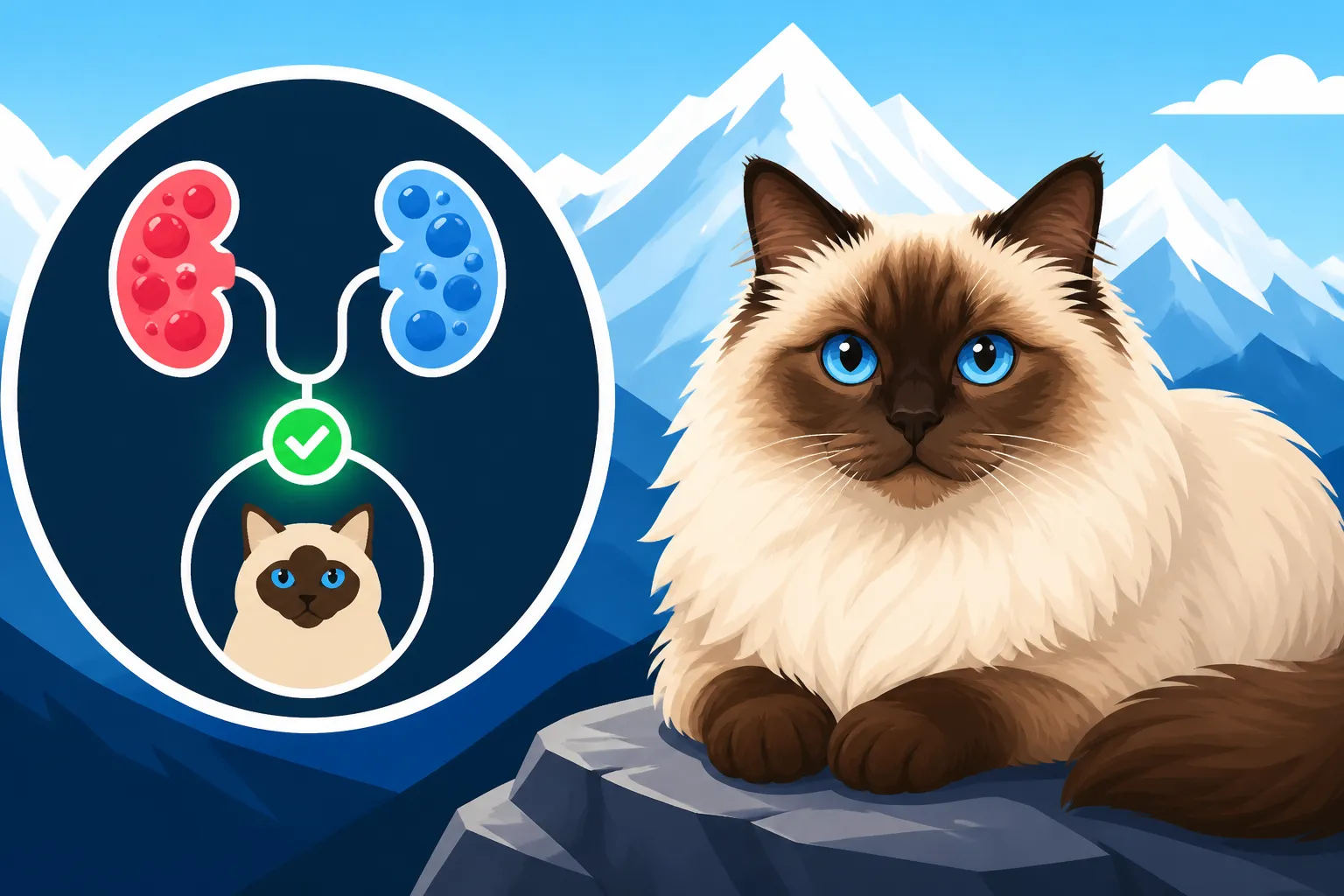
Unlike diseases influenced by lifestyle, environment, or dozens of interacting genes, dominant PKD is entirely predictable. If a cat does not possess the mutated gene, it cannot develop genetic PKD, nor can it pass it on. This means that if breeders test all breeding stock and immediately spay or neuter any cat that tests positive for the PKD1 mutation, the disease disappears from that line completely in a single generation.
This simple reality places a heavy moral obligation on feline breeders. Continuing to breed a PKD-positive cat simply because it has a winning coat or striking point contrast perpetuates unnecessary suffering. Why Two Clear Parents End PKD in a Himalayan Line serves as the foundation for modern feline health standards—when two negative cats mate, 100 percent of their offspring are permanently free from genetic PKD.
What to Ask Your Breeder Before Bringing Home a Kitten
If you are currently looking to add a Himalayan kitten to your family, you hold immense purchasing power to support ethical breeding practices. Never buy a kitten based solely on cute photos or cheap prices. Unscrupulous backyard breeders often skip genetic testing to cut overhead costs, leaving unsuspecting buyers to handle costly medical bills down the road.
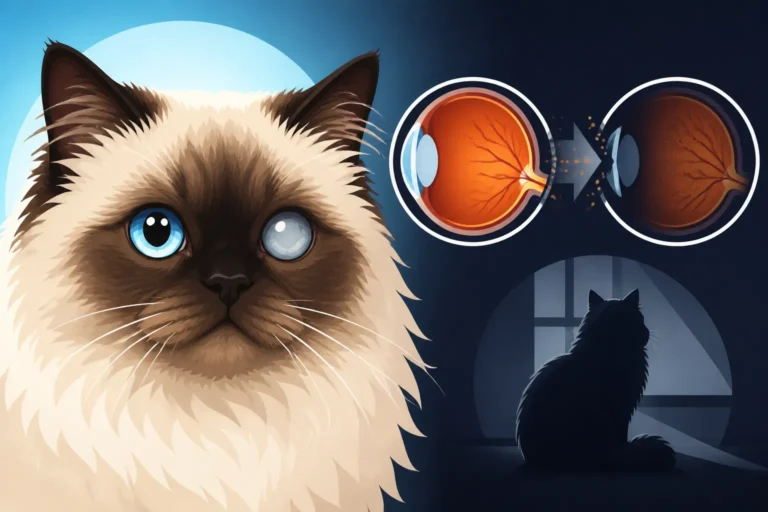
When interviewing prospective breeders, explicitly request written proof of negative PKD test results for both biological parents. A reputable breeder will proudly show you certified DNA lab reports from established genetic testing facilities. Knowing Which Two Tests Belong on Every Himalayan Pedigree helps you verify that both kidney health and vision safety have been prioritized before you place a deposit.
Comparing Genetic Risks Across Pointed and Longhaired Breeds
To appreciate how PKD affects the broader landscape of pointed and longhaired cats, it helps to look at how different breeds carry and pass along genetic risks. While the Himalayan shares genetic material with both the Persian and the Siamese, its risk profile is uniquely shaped by its dual ancestry.
| Breed | Primary PKD Source | Inheritance Mechanics | Overall Risk Severity |
|---|---|---|---|
| Himalayan | Persian Ancestry | Autosomal Dominant | High (Without DNA clearance) |
| Solid Persian | Native Ancestry | Autosomal Dominant | High (Historical breed foundation) |
| Traditional Siamese | Rare / Non-Native | Low / Minimal Impact | Very Low |
| Ragdoll | Independent Lines | Autosomal Dominant | Moderate (Requires separate panel) |
By choosing a kitten from DNA-tested, clear lines, you ensure that your Himalayan escapes this genetic trap entirely. And for those caring for a positive cat, proactive care, regular monitoring, and support through trusted partners like Healthy Paws make it possible to give your blue-eyed companion a comfortable, love-filled life.
Disclaimer
This article is for general informational purposes only and does not constitute professional advice. Laws, prices and regulations vary by location and change over time. Consult a qualified professional for guidance on your specific situation.