How to Find a Himalayan’s Ribs Through a Persian Coat
It's a familiar scenario for any Himalayan owner: you know your majestic floof is in there somewhere, but actually figuring out what's happening underneath all that glorious fur can feel like a game of hide-and-seek. Trying to assess your cat's weight and overall condition by just looking at them is incredibly difficult, and it can lead to missing subtle, yet crucial, health changes. This guide will walk you through the essential technique of finding your Himalayan's ribs, helping you stay on top of their health and well-being.
The Challenge of the Himalayan's Luxurious Coat
Owning a Himalayan is a commitment to beauty, a commitment to that magnificent, flowing coat. It's truly a sight to behold, but it also presents a unique challenge when it comes to monitoring their physical condition. Many owners find themselves frustrated, wondering if their beloved cat is gaining or losing weight, only to be confounded by an endless sea of soft, dense fur.
More Than Just Fluff: Understanding the Double Coat
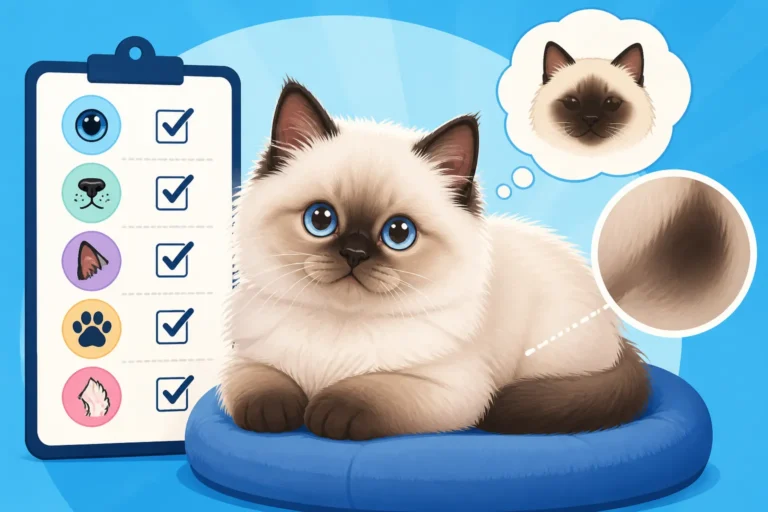
The Himalayan cat, with its stunning color points and striking blue eyes, inherited its luxuriant coat primarily from its Persian ancestry. This means they possess a dense double coat: a soft, woolly undercoat for insulation and longer, coarser guard hairs that form the outer layer. This combination creates an incredibly thick, plush barrier that can easily mask changes in body composition. It's not just a little extra fur; it's a sophisticated insulation system that also happens to be very good at hiding what's beneath.
When you run your hands over your Himalayan, you might feel the softness, the warmth, but truly getting a sense of their underlying structure is a different story. This thick, long hair makes visual assessment nearly impossible, and even a quick pat often doesn't give you the information you need. Many owners feel a bit lost, which is completely understandable. It's not like checking a short-haired cat where ribs are often visible or easily felt. The sheer volume and density of a Himalayan's coat require a more deliberate, tactile approach.
Why Visual Cues Are Deceptive for Himalayans
Beyond the overall density, specific features of the Himalayan's coat can be particularly deceptive. Their signature ruff, a thick mane of fur around their neck and chest, can create the illusion of a full, healthy chest even if the cat is quite thin underneath. Similarly, the long, flowing hair on their hindquarters, known as britches, can obscure a widening or narrowing of their hips and abdomen. You might look at your Himalayan and think they look perfectly robust, when in reality, their body condition could be far from ideal.
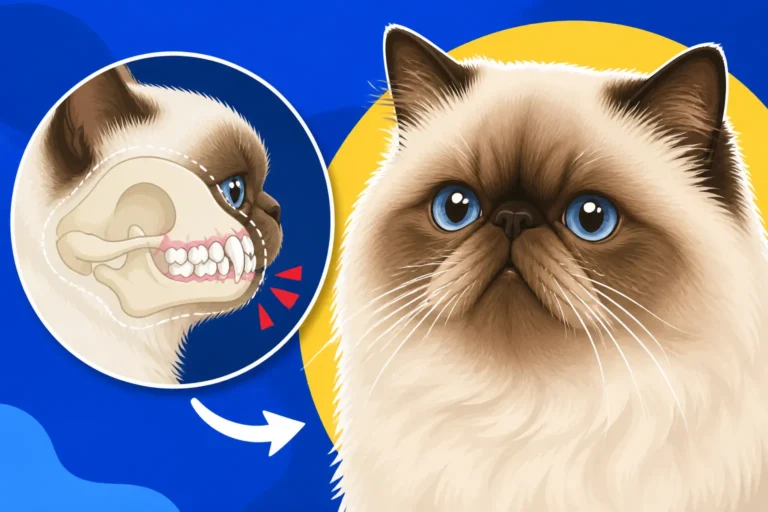
Furthermore, Himalayans are known for their "cobby" body type – compact, heavily boned, and well-muscled. This naturally sturdy build can make it even harder to visually discern changes in their weight. They often look like solid, substantial cats, regardless of whether they're carrying a few extra pounds or have lost too much. This combination of dense fur and a naturally stocky physique means that relying solely on what you see can lead to significant misjudgments about your cat's health. That's why learning how to properly feel for their ribs isn't just a suggestion; it's a vital part of responsible Himalayan ownership.
Why Feeling for Ribs is Crucial for Health Monitoring
It might seem like a small detail, but regularly checking your Himalayan's ribs is one of the most proactive steps you can take for their health. Since their luxurious coat hides so much, tactile assessment becomes your primary tool for early detection of potential issues.
Early Detection of Weight Fluctuations
Weight changes, whether subtle or significant, are often one of the first indicators of an underlying health problem in cats. For a Himalayan, whose weight can be so easily masked by their thick fur, a consistent rib check allows you to catch these fluctuations much sooner than you would otherwise. If you suddenly find the ribs harder or easier to feel, it’s a red flag that warrants closer attention. This could be a sign of anything from dietary issues to more serious conditions like kidney disease, hyperthyroidism, or even certain cancers.
Himalayans, like all cats, are masters at hiding discomfort or illness, making early detection even more critical. Catching a weight trend early gives your veterinarian a head start on diagnosis and treatment, potentially preventing a minor issue from becoming a major one. Regular checks allow you to establish a baseline for your individual cat, so you'll immediately notice when something feels "off." This simple, hands-on approach can significantly impact your cat's long-term health and even extend The Nine to Fifteen Years a Himalayan Usually Gets.
Preventing Overweight and Underweight Issues
Maintaining an ideal body weight is paramount for your Himalayan's overall health, and feeling their ribs helps you do just that. Obesity in cats is a growing concern, leading to a cascade of health problems. An overweight Himalayan might struggle with joint pain, especially given their cobby build, and their already compromised breathing due to their brachycephalic (flat) face can worsen considerably. Obesity is also a major risk factor for diabetes, heart disease, and can complicate anesthesia if they ever need surgery. It's easy for them to become overweight because they are generally less active than some other breeds and are content to lounge.
Conversely, an underweight Himalayan is also at risk. Weight loss can indicate malabsorption issues, dental problems making eating painful, or serious organ disease. Muscle wastage can occur rapidly, leading to weakness and a diminished quality of life. By regularly feeling for their ribs, you can ensure they are neither too thin nor too heavy. This proactive monitoring enables you to adjust their diet or activity levels as needed, or to seek veterinary advice before significant health complications arise. Investing in a good pet insurance plan like Healthy Paws can also offer peace of mind, knowing that you're prepared for any health challenges that might arise from weight-related issues or other conditions.
Mastering the Technique: How to Palpate for Ribs
It might feel a bit awkward at first, trying to navigate that luxurious coat, but with a little practice and patience, you'll become a pro at feeling for your Himalayan's ribs. The key is gentle consistency and knowing what you're looking for.
Setting the Stage for a Successful Check-Up
Before you even begin, create a calm and comfortable environment for your Himalayan. Choose a time when your cat is relaxed, perhaps after a nap or during a quiet evening. Avoid times when they're playful or agitated. Many cats tolerate handling better when they're on a raised surface like a sturdy grooming table or a counter, as it puts them at a more accessible height for you and can make them feel more secure. Ensure the surface is non-slip to prevent any anxiety or accidents.
Gentle handling is paramount. Start by simply stroking your cat, perhaps in their favorite spot, to get them relaxed. Speak in soft, reassuring tones. You want this to be a positive, bonding experience, not a wrestling match. Offering a small, favorite treat afterward can also help build positive associations. It's also incredibly helpful to ensure your cat has had a recent grooming session. A well-combed coat, free of tangles and mats, makes it much easier for your fingers to reach the skin. A matted coat will hinder your ability to feel anything properly, highlighting the importance of The Daily Comb a Himalayan Cannot Skip.
The Step-by-Step Palpation Process
Once your Himalayan is calm and you're ready, here’s how to proceed:
- Positioning: Place your Himalayan gently on a flat, stable surface. Stand or sit beside them, with their side facing you.
- Initial Contact: Begin by placing both of your hands gently on either side of their chest, just behind their front legs. This is where their rib cage starts.
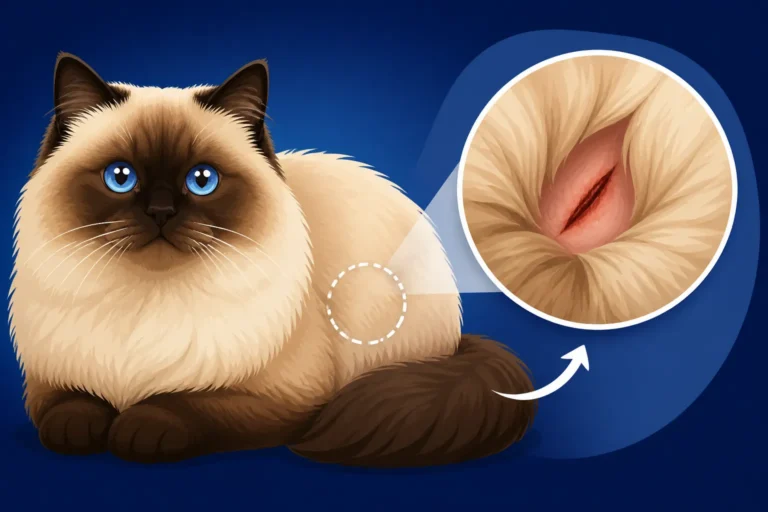
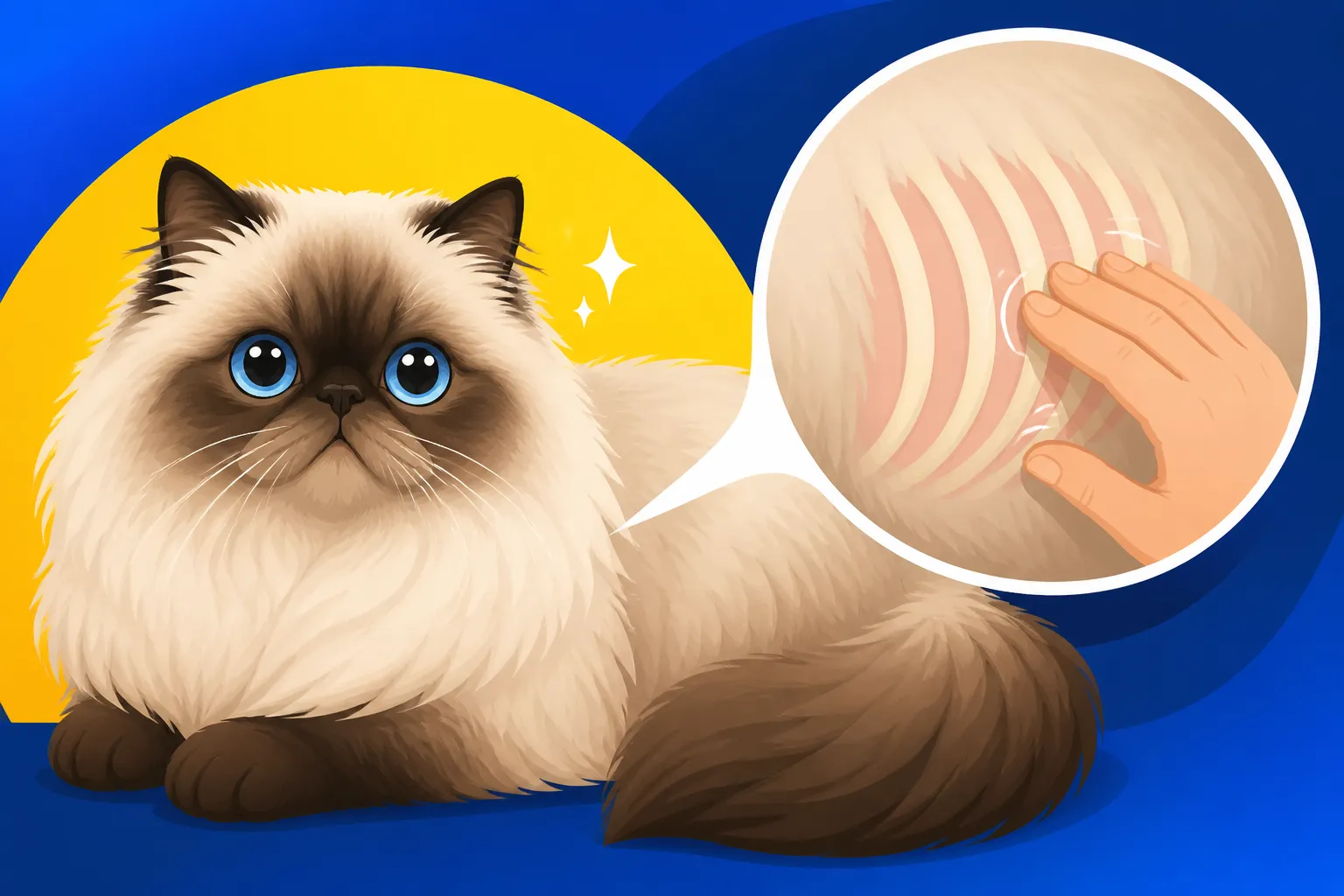
- Light Pressure and Movement: With your fingertips, apply light, even pressure. Your goal isn't to press hard, but to gently move your fingers through the fur, down to the skin level. Think of it like trying to feel the buttons on a shirt while wearing a thick sweater; you need to part the fabric a bit to find what's underneath.
- Sweeping Motion: Using the pads of your fingers, sweep them gently back and forth, moving from their spine downwards towards their sternum. As you do this, you should be able to feel the ridged sensation of individual ribs.
- Patience and Repetition: Don't get discouraged if you don't feel them immediately. The thick fur can be tricky. Try adjusting your pressure slightly, or moving your hands a little further back along the side of their body. Repeat the sweeping motion a few times. The key is to feel the distinct, separate bones, not just a solid mass. Imagine you're trying to find a remote control under a soft, plush blanket – you don't just press down hard; you gently feel the contours and edges to locate it. This gentle, exploratory motion is exactly what you need to employ with your Himalayan's coat.
What a Healthy Himalayan's Ribs Should Feel Like
Once you've mastered the technique of getting your fingers past the glorious fluff, understanding what a healthy set of ribs feels like is the next crucial step. This is where the concept of a Body Condition Score (BCS) comes in handy.
The Ideal Body Condition Score (BCS)
Veterinarians use a Body Condition Score (BCS) system, typically on a scale of 1 to 9, where 1 is emaciated, 5 is ideal, and 9 is obese. For a Himalayan, an ideal BCS of 5/9 means their ribs should be "easily palpable without excess fat covering." What does "easily palpable" actually mean when you have all that fur to contend with? It means you should feel the individual ribs distinctly, without having to press hard, but also without them feeling sharp or prominently sticking out.
A good analogy is to compare the feel of your cat's ribs to your own knuckles. If you clench your fist, your knuckles feel very prominent and sharp – this would be like an underweight cat. If you open your hand flat, you can barely feel your knuckles at all – this is comparable to an overweight cat. The ideal feel is like the knuckles on a hand held loosely in a fist. You can feel each knuckle distinctly, but they aren't sharp or protruding dramatically. That subtle definition is what you're aiming to feel through your Himalayan's coat. You should be able to count the individual ribs as your fingers glide over them.
Distinguishing Ribs from Other Bone Structures
While focusing on the ribs, it's also helpful to be aware of other bony landmarks and how they should feel. Your cat's spine, for instance, runs along their back. In an ideal weight cat, you should be able to feel the individual bumps of the vertebrae with gentle pressure, but they shouldn't feel like a sharp ridge. Similarly, their hip bones, located just above the tail, should be discernible but not sharply angular. If you can clearly see or feel the spine, hips, and shoulders protruding, it's a strong indicator that your cat is underweight.
Beyond the ribs, checking the waistline and abdominal tuck can also offer clues, although these are considerably harder to assess accurately on a heavily coated Himalayan. On a short-haired cat, you'd look for an hourglass shape and an abdomen that tucks up slightly behind the ribs. For a Himalayan, you might get a general sense, but the fur around the britches often obscures a clear view or feel. The most reliable indicator, especially given their What a Himalayan's Cobby Frame Should Weigh and dense coat, will always be the feel of the ribs themselves, followed by the spine and hip bones. Regular palpation of all these areas gives you a comprehensive understanding of their body condition.
Recognizing Warning Signs: When Ribs Tell a Story
Your Himalayan's ribs, or the lack thereof, can communicate a wealth of information about their health. Learning to interpret these signals is vital for early intervention and maintaining their well-being.
Ribs Too Prominent: Concerns About Underweight
If, when you gently palpate your Himalayan's side, their ribs feel sharp, distinct, and much too easy to count – perhaps even visible through the fur when they move – it's a significant cause for concern. This sensation, akin to feeling the knuckles on a tightly clenched fist, indicates that your cat is likely underweight, potentially scoring a 1, 2, or 3 on the Body Condition Score. Don't ignore this.
Being underweight can stem from various issues. It could be something relatively simple, like inadequate food intake or poor quality food, or competition for food with other pets. However, it can also signal more serious underlying health problems. Conditions like hyperthyroidism, which speeds up metabolism; dental disease, making eating painful; intestinal parasites preventing nutrient absorption; or chronic diseases such as kidney failure or inflammatory bowel disease can all lead to significant weight loss. If you notice this change, especially if accompanied by other symptoms like lethargy, a dull coat, vomiting, diarrhea, or changes in thirst or urination (refer to What Goes First in a Himalayan Past Twelve or How Kidney Failure Arrives in a Himalayan Past Twelve), it's crucial to consult your veterinarian immediately. Early diagnosis can make a world of difference in your cat's prognosis.
Ribs Difficult to Feel: Concerns About Overweight
On the other hand, if you find yourself having to press quite firmly to discern your Himalayan's ribs, or if you can't feel them at all beneath a layer of soft, resistant padding, it's a strong indicator that your cat is likely overweight or obese. This would typically place them in the 7, 8, or 9 range on the BCS scale. This is a common issue for Himalayans, given their propensity for lounging and their stunningly thick coats that hide the extra padding.
The causes are often straightforward: overfeeding, too many treats, and insufficient exercise. Himalayans aren't typically highly energetic cats, and their cobby frames mean they don't burn as many calories as a more active breed. They can easily put on weight, especially if they're eating a diet formulated for more active cats or if their portions aren't carefully managed. As discussed in Why a Cobby Himalayan Gains on a Portion Another Cat Burns, even a slightly larger portion can have a big impact. Obesity in Himalayans is particularly concerning due to its link to a myriad of health problems, including diabetes, arthritis, heart conditions, and increased risk and slower recovery during anesthesia (refer to Why a Himalayan Is a Harder Anesthetic Than a Siamese). Furthermore, an overweight Himalayan often struggles to groom themselves adequately, leading to mats and skin issues, particularly around their britches and hindquarters, as highlighted in Why a Heavy Himalayan Stops Grooming Its Points. If you suspect your Himalayan is overweight, it's time for an honest discussion with your vet about a weight management plan.
Incorporating Rib Checks into Your Routine
Making rib checks a regular part of your care routine for your Himalayan isn't just about catching problems; it's about building a deeper connection and proactive approach to their health. Consistency is truly the key.
Frequency and Consistency
For most Himalayans, a weekly or bi-weekly rib check is ideal. This frequency allows you to track subtle changes over time that might be missed with less frequent examinations. Many owners find it easiest to incorporate this check into their regular grooming sessions. While you're already combing through their magnificent coat, take a few extra moments to feel for those ribs. This makes the process less intrusive for your cat and more efficient for you. Regular grooming, as we know, is non-negotiable for Himalayans, so simply adding the rib check to this established routine works beautifully.
The goal is to establish a consistent habit. If you check every Monday morning, or every time you do their full body comb, it becomes second nature. This consistency helps you develop a reliable "feel" for your individual cat's healthy weight, making it easier to notice any deviations. Remember, the earlier you notice a change, the sooner you can address it with your veterinarian. Think of it as another layer of care, adding to the longevity and comfort of your cherished companion.
Collaborating with Your Veterinarian
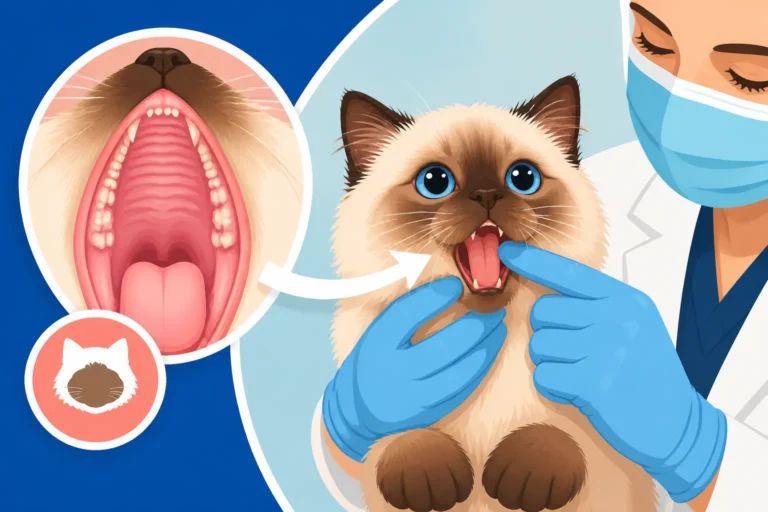
While your home checks are invaluable, they should always complement professional veterinary care. Discuss your findings with your vet at every annual check-up, or sooner if you detect a concerning change. Your veterinarian can provide an objective Body Condition Score, confirm your assessment, and offer expert advice on diet, exercise, or further diagnostics if needed. They can also demonstrate the proper technique and show you exactly what they are feeling for, which can be incredibly helpful for new owners or if you're unsure.
Regular vet visits are the cornerstone of your Himalayan's health, covering everything from vaccinations to dental health. These visits are also when your cat will be weighed (refer to Why a Himalayan Is Weighed at Every Visit) and their overall body condition assessed by a professional. If you find your cat needs to lose a bit of weight, your vet can help create a safe and effective plan, perhaps recommending specific diets or portion sizes. They can also explain How Long a Himalayan Takes to Come Down a Pound safely. Having a reliable pet insurance policy, such as Healthy Paws, can also provide peace of mind, knowing that you're supported in covering the costs of these routine check-ups and any potential treatments that might arise from weight-related issues or other health concerns. Your combined efforts—your diligent home checks and your vet's expertise—create the best possible health management strategy for your beautiful Himalayan.
| Body Condition | Ribs Feel Like | Interpretation | Action Needed |
|---|---|---|---|
| Underweight | Sharp, very distinct, easily visible (like knuckles of a clenched fist) | Too little fat cover, potential muscle loss | Urgent vet consultation |
| Ideal | Easily palpable, distinct but not sharp, with a thin fat layer (like knuckles of a loosely fisted hand) | Healthy weight, good body condition | Maintain current diet and activity |
| Overweight | Difficult to feel, requires firm pressure, obscured by fat (like knuckles of an open hand) | Excess fat, increased health risks | Discuss diet and exercise plan with vet |
Disclaimer
Please remember that this guide provides general information and advice. It is not a substitute for professional veterinary care. Always consult with a qualified veterinarian for any health concerns or before making any decisions about your pet's medical treatment or diet.