Which Two Certificates a Himalayan Breeder Owes You
Bringing a beautiful Himalayan cat into your home is an incredibly exciting prospect, but the journey can be fraught with uncertainty, especially when it comes to understanding the health background of your future feline family member. It’s a common frustration that many prospective owners feel overwhelmed by the jargon or even misled by breeders who aren't fully transparent. This guide is here to cut through that confusion, explaining exactly which crucial health certificates a reputable Himalayan breeder must provide you to ensure you're bringing home a truly healthy kitten.
The Overlooked Importance of Breeder Transparency and Health Testing
Choosing a Himalayan kitten is about so much more than just finding the prettiest face or the softest fur. It's about committing to a lifelong companionship, and unfortunately, many well-meaning buyers overlook the critical health screenings that can prevent heartbreak and massive vet bills down the line. It's a common tale: you fall in love with a fluffy little furball, bring them home, and then months or years later, devastating genetic diseases surface that could have been avoided with proper breeder diligence. This isn't just about the financial burden; it's about the emotional toll of watching your beloved pet suffer from preventable conditions. A truly responsible breeder understands this deeply and prioritizes the long-term health of their kittens above all else. They know that investing in genetic testing isn't just a cost; it's an ethical obligation to the breed and to every family who welcomes one of their cats.
Why Health Certificates Are Your Assurance Policy
Think of health certificates not as mere pieces of paper, but as your most important assurance policy for your kitten's future well-being. These documents are proof that the breeder has taken proactive steps to screen the parent cats for specific genetic conditions known to affect the Himalayan breed. Without these, you're essentially buying a kitten blind, trusting solely on appearance and the breeder's word, which simply isn't enough when it comes to serious inherited diseases. It’s like buying a used car without checking the engine; it might look great on the outside, but you have no idea what issues are lurking beneath the surface. For a Himalayan, whose unique genetics come from both Persian and Siamese lines, there are specific predispositions that good breeders actively work to eliminate from their lines. These certificates are the tangible evidence of that commitment.
The Problem with Untested Lines
The heartbreaking reality is that many breeders, particularly those focused on quantity or lower prices, skip these vital health tests. They might tell you that their lines have "never had any problems" or that testing is "too expensive" or "unnecessary." These are massive red flags. The genes for certain diseases can be carried silently for generations, only appearing when two carriers are bred together. So, a breeder might genuinely believe their cats are healthy because they haven't seen an affected kitten, but without proper genetic testing, they simply don't know. The consequences of buying from untested lines can range from mild, manageable conditions to severe, life-limiting illnesses that require extensive veterinary care, potentially costing thousands and causing immense distress to both cat and owner. This is precisely why knowing Which Two Tests Belong on Every Himalayan Pedigree is paramount for any prospective owner.
Polycystic Kidney Disease PKD Clearances: A Non-Negotiable Document
When you’re looking at bringing a Himalayan into your life, the first and arguably most critical health certificate you need to see is proof of Polycystic Kidney Disease (PKD) clearance. This is a big one, a genuine game-changer for the breed, and it's something no reputable breeder would ever skimp on. PKD is an inherited condition that causes fluid-filled cysts to form in the kidneys, gradually growing larger over time and eventually leading to kidney failure. It's an insidious disease because affected cats often show no symptoms until the disease is quite advanced, making early detection and prevention through breeding paramount.
Understanding PKD in Himalayans
Himalayans, due to their Persian lineage, are particularly susceptible to PKD. The disease is autosomal dominant, meaning a kitten only needs to inherit one copy of the faulty gene from either parent to develop the condition. This makes testing both parents absolutely crucial. Imagine the agony of watching your beloved companion, full of life and purrs, slowly decline due to kidney failure, knowing it could have been prevented. PKD cysts can start small, even microscopic, and grow slowly, sometimes for years, before they begin to severely impact kidney function. This slow progression is what makes it so dangerous; a kitten can appear perfectly healthy for its first few years, only for symptoms like increased thirst, weight loss, and lethargy to emerge later in life. This is why understanding How Early Cysts Show on a Himalayan's Kidney Scan is vital, even if a gene test is available.
What the PKD Certificate Confirms
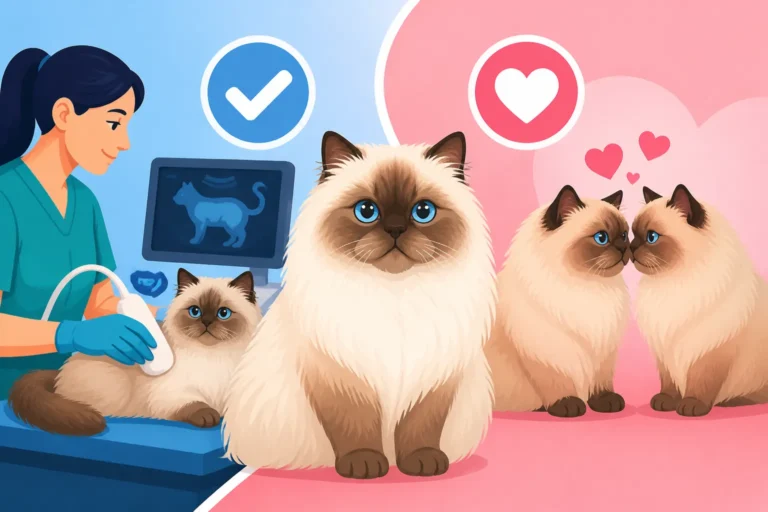
A proper PKD certificate will show that the parent cat has been genetically tested and is "PKD negative" or "PKD free." This means they do not carry the gene responsible for the disease and therefore cannot pass it on to their offspring. This isn't just a vet's opinion; it's a definitive DNA test, often done via a simple cheek swab. The certificate should clearly state the cat's name, registration number, the date of the test, and the testing laboratory's findings. You should be able to trace this back to the specific parent animals of your kitten. If a breeder shows you an ultrasound report instead, while an ultrasound can detect cysts, a DNA test is definitive for carrier status. A clear DNA test ensures that even microscopic cysts aren't lurking, waiting to grow. If a breeder is truly transparent, they should be eager to show you these documents. For deeper insight into what these documents mean, learning How to Read a Himalayan's PKD Certificate is an excellent next step.
Here’s a simplified example of what a good PKD certificate might convey:
| Cat's Name | Registration Number | Microchip ID | Test Date | Testing Lab | Result | Implications for Breeding |
|---|---|---|---|---|---|---|
| Snowbelle's Dream | HIMA12345 | 981000000000001 | 2023-01-15 | VetGen | PKD1: N/N (Negative) | No copies of PKD1 gene. Can be bred to any cat. Offspring will be clear. |
| Sir Fluffington | HIMA67890 | 981000000000002 | 2023-02-20 | Optimal Selection | PKD1: N/N (Negative) | No copies of PKD1 gene. Can be bred to any cat. Offspring will be clear. |
A responsible breeder ensures that both parents of your kitten have an N/N result for PKD1. This means your kitten is genetically clear and will not develop PKD due to inheriting the gene. This foundational testing is a sign of a breeder who genuinely cares, and it can save you and your future cat immense heartache and expense. Many pet insurance providers, like Healthy Paws, emphasize preventative care and may even have specific clauses related to genetic conditions, so starting with a genetically clear kitten is always your best bet.
Progressive Retinal Atrophy PRA Clearances: Protecting Their Precious Sight
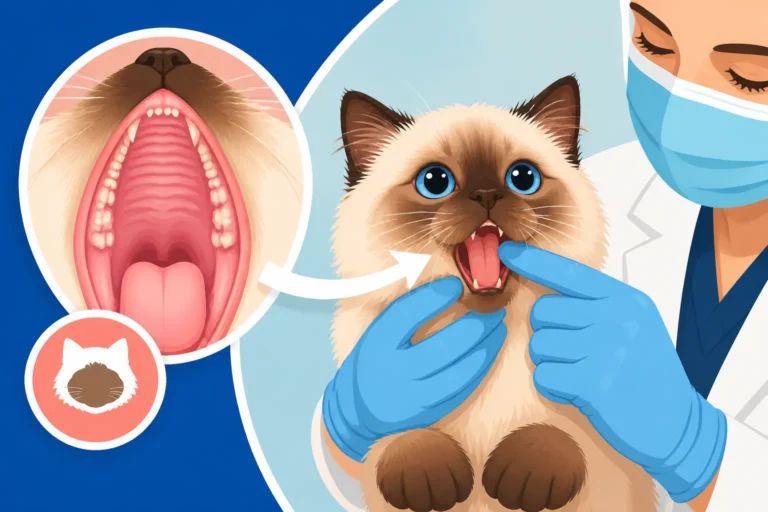
Beyond kidney health, the second indispensable certificate you need from a Himalayan breeder is for Progressive Retinal Atrophy (PRA). This is another inherited condition, passed down from the Persian side of the Himalayan family tree, that can severely impact your cat's quality of life. Losing one's sight, especially gradually, is a frightening prospect for any living creature, and for a beloved pet, it can dramatically change their world and yours.
The Insidious Nature of PRA
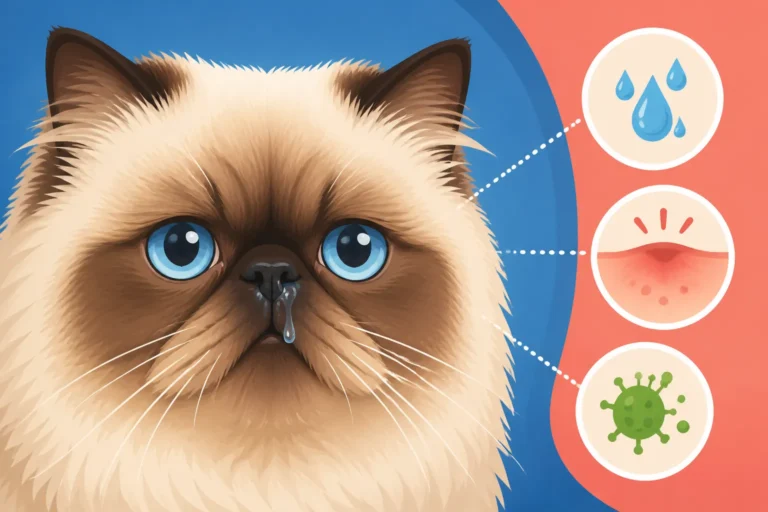
Progressive Retinal Atrophy is a blanket term for a group of genetic eye diseases that cause the degeneration of the retina, the light-sensitive tissue at the back of the eye. In Himalayans, this often manifests as early-onset blindness. Kittens affected by PRA might start showing signs of night blindness as early as a few months old, progressing to complete blindness typically by the age of 3 to 5 years. Imagine your playful, curious kitten slowly losing its ability to navigate its world, bumping into furniture, becoming more hesitant to jump or explore. It's a heartbreaking journey for both the cat and the owner. The initial signs can be subtle, like reduced activity in dimmer light, dilated pupils, or a reluctance to go down stairs, making it easy to miss in its early stages without prior knowledge or vigilant observation. This is why How Retinal Atrophy Blinds a Himalayan by Five is such an important topic for owners to understand.
What the PRA Certificate Shows
Similar to PKD, there are genetic tests available for PRA, specifically for the form known as Progressive Retinal Atrophy (rdAc). A reputable breeder will have tested both parent cats to confirm they are "PRA negative" or "PRA clear." This means they do not carry the gene mutation responsible for this form of retinal degeneration and, therefore, cannot pass it on to their kittens. The certificate will typically list the cat's details, the testing date, the laboratory, and the result – ideally, N/N (Normal/Clear).
Some breeders might also provide Ophthalmologist Examination reports, which show a board-certified veterinary ophthalmologist has examined the cat's eyes and found no clinical signs of PRA. While these are valuable, especially for conditions where a specific DNA test isn't yet available, the DNA test for rdAc PRA is definitive for carrier status. A cat could have a clear eye exam but still be a carrier of the gene, able to pass it on to its offspring. Therefore, insist on the genetic test certificate. This double-check provides the most comprehensive picture of your kitten's ocular health future. Understanding Which Test Clears a Himalayan's Eyes completely removes any guesswork from the equation. A committed breeder, knowing the potential devastation of these conditions, takes every measure possible. This is a primary reason why Why a Himalayan Breeder Should Test Eyes as Well as Kidneys is emphasized within responsible breeding communities.
Understanding and Verifying Your Himalayan's Health Certificates
So, you know which certificates to ask for – the PKD genetic clearance and the PRA genetic clearance for both parents. But simply being handed a piece of paper isn't enough. You need to know how to verify these documents and what to look for, because unfortunately, not all breeders operate with the same level of integrity. This is where your diligent research and a healthy dose of skepticism come into play. Your future kitten’s health depends on it.
What to Look For on the Certificates
When you receive the certificates, don't just glance at them. Take your time to really examine the details.
- Matching Cat Information: The names and registration numbers on the certificates should exactly match the names and registration numbers of the parent cats on your kitten's pedigree. Any discrepancy is a huge red flag. Ask the breeder to show you the pedigree and match them up.
- Date of Testing: Ensure the tests were performed recently enough to be valid, and certainly before the breeding took place. Genetics don't change, but ensuring the test was done by the breeder you are working with, and not just some vague "ancestor," is important.
- Testing Laboratory: Reputable genetic testing is done by established veterinary laboratories specializing in genetic diagnostics, like Optimal Selection, UC Davis, or VetGen. Be wary of certificates from unknown or questionable labs. A quick web search can confirm the legitimacy of the testing facility.
- Clear Results: For both PKD and PRA, you want to see "N/N" (Normal/Normal), "Clear," or "Negative" for both parents. If one parent is a carrier (e.g., N/P or N/PRA), a responsible breeder would only mate them with a clear cat (N/N) to ensure no affected kittens are produced. However, the gold standard for your peace of mind is two N/N parents, meaning your kitten is guaranteed clear by parentage.
- Breeder's Signature/Stamp: While not always present, a breeder’s signature or cattery stamp can add a layer of authenticity.
It’s worth noting that What Testing a Himalayan for PKD and the Eyes Costs is a relatively small investment compared to the potential veterinary bills for an affected cat. A breeder who cuts corners on testing is cutting corners on their responsibility.
Red Flags and What to Do
During your discussions with breeders, keep an eye out for these warning signs:
- "My cats are healthy, I don't need tests." This is a classic evasion. Even apparently healthy cats can be carriers of genetic diseases.
- Refusal to Show Certificates: If a breeder hesitates, makes excuses, or outright refuses to show you the actual physical or digital copies of the certificates, walk away. There is no acceptable reason for this.
- "My vet says they're fine." While your vet is important, a general vet check-up doesn't replace specific genetic testing for inherited diseases.
- Offering a "discount" if you don't care about papers/health. This indicates they might be hiding something, and the discount won't cover the future costs or heartache.
- Vague or incomplete paperwork. If the certificates look unofficial, lack key details, or appear altered, it’s a major concern.
If you encounter any of these red flags, trust your gut. It's better to wait for a kitten from a reputable breeder than to regret a hasty decision. Consider reaching out to breed clubs or associations for referrals to ethical breeders in your area. Many responsible breeders are even happy to chat about why they do these tests and the importance of healthy breeding. Remember, the goal isn't just to get a kitten, but to get a healthy kitten, and for a Himalayan, that starts with transparent and verified health clearances for PKD and PRA. Organizations like Healthy Paws, and many other pet insurance providers, often have specific requirements or benefits tied to knowing your pet's genetic health history, so starting with verified clear parents is a smart move for everyone involved.
Disclaimer
The information provided in this guide is for general educational purposes only and should not be considered a substitute for professional veterinary advice. Always consult with a qualified veterinarian for any health concerns or before making decisions about your pet's care.