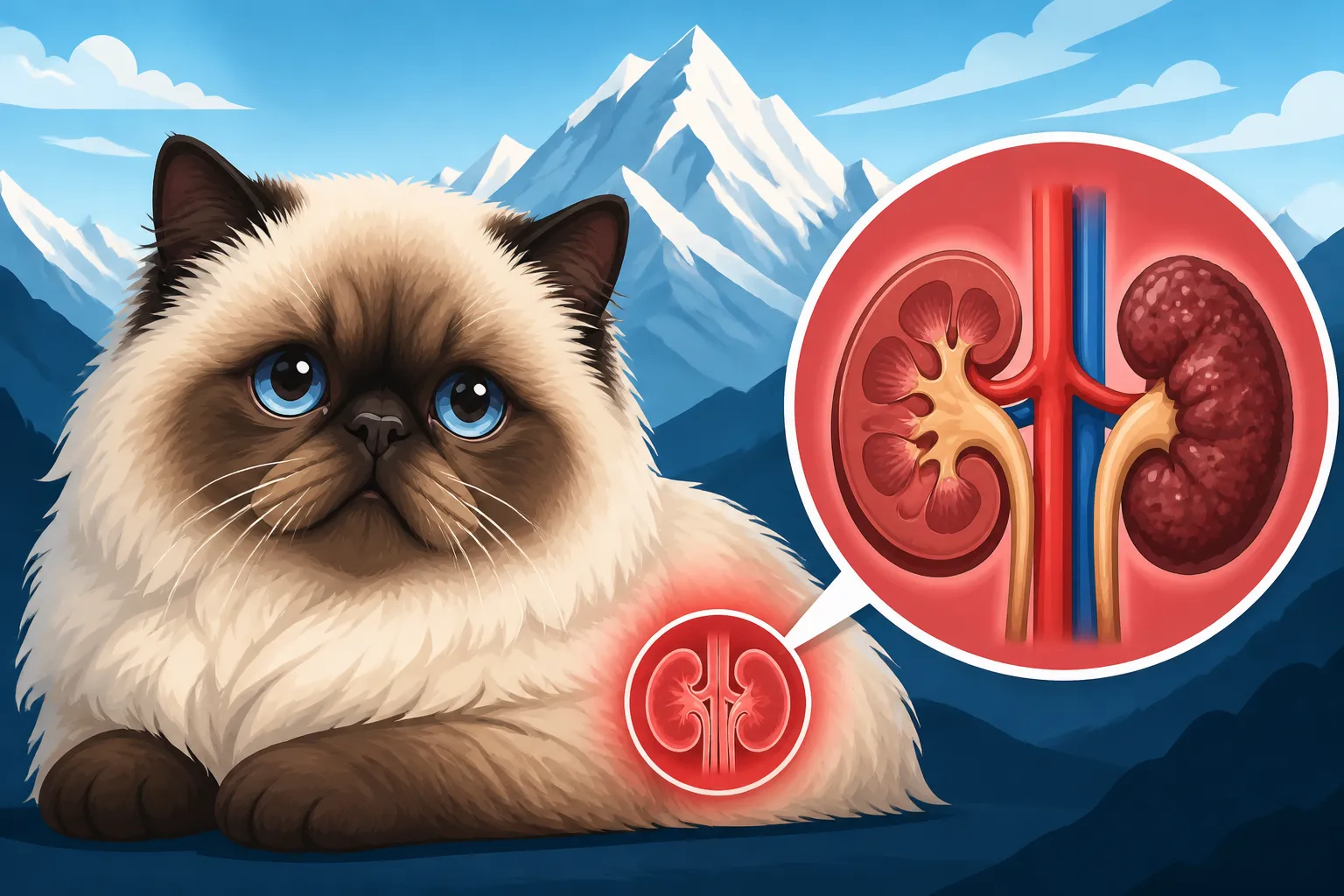
How Kidney Failure Arrives in a Himalayan Past Twelve
When your beloved Himalayan cat reaches its senior years, particularly past the age of twelve, you might start noticing subtle changes that can be quite concerning. One of the most heartbreaking realities for many cat parents is the quiet, often insidious onset of kidney failure, a condition that frequently affects older felines, and Himalayans, with their unique genetic background, are no exception. This guide is here to walk you through how kidney issues typically manifest in these beautiful, long-haired companions as they age, helping you understand the signs, the progression, and how best to support your senior kitty through this challenging time.
The Gradual Onset of Kidney Issues in Senior Himalayans
It’s a tough pill to swallow, but kidney disease is incredibly common in older cats. For many Himalayan parents, the thought of their sweet, gentle cat facing such a serious illness is daunting, especially when the signs can be so easy to miss in the early stages. This isn't a sudden event, but rather a slow, creeping decline that often goes unnoticed until the disease is quite advanced.
Understanding Chronic Kidney Disease CKD
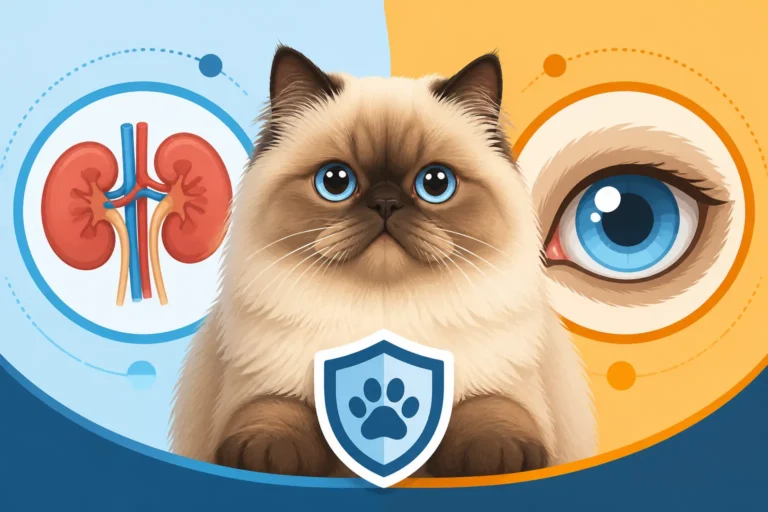
Chronic Kidney Disease, or CKD, isn't just one illness; it's a progressive and irreversible decline in kidney function over time. Imagine your cat's kidneys as sophisticated filters, constantly working to remove waste products and toxins from their blood, regulate blood pressure, produce hormones, and maintain electrolyte balance. When CKD sets in, these filters start to wear out, becoming less efficient at their crucial jobs. It's often referred to as a "silent killer" because cats are masters at hiding illness, especially when it comes to something that progresses as gradually as CKD. You might not see dramatic symptoms until the kidneys have lost a significant portion of their function, sometimes as much as 75%.
For a Himalayan, who might spend a good portion of their day napping in a sunny spot, these early, subtle changes can be even harder to detect. They aren't generally a hyperactive breed, so a slight increase in lethargy might just seem like "being an older cat." This makes regular veterinary check-ups all the more critical, as early detection can significantly impact the quality and length of their remaining years. Catching it before it reaches a crisis point is truly the goal, offering a chance to implement supportive therapies and dietary changes that can slow the progression and ease their symptoms.
Why Himalayans Are Particularly Susceptible to Kidney Decline
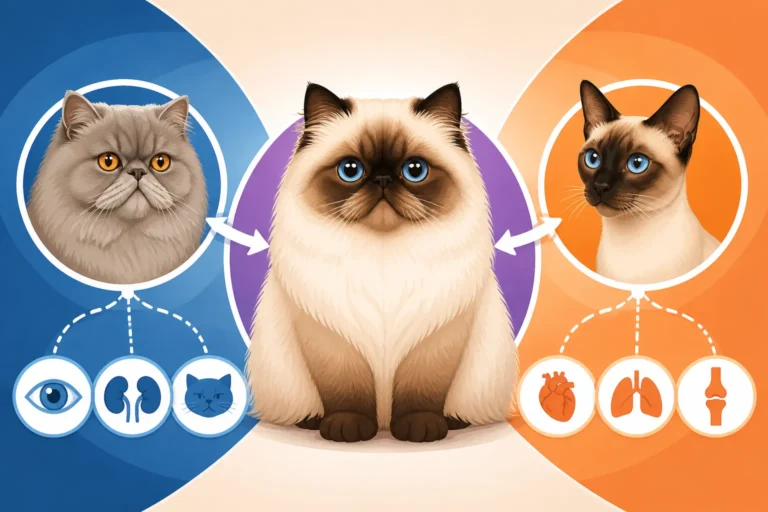
While all cats can develop CKD with age, Himalayans, like their Persian ancestors, carry a particular genetic predisposition to Polycystic Kidney Disease (PKD). While responsible breeders diligently test their breeding cats to eradicate this specific gene, and many modern Himalayans from tested lines might not carry the PKD1 mutation that causes cysts, it doesn't entirely exempt them from general age-related kidney wear and tear. Even if your Himalayan comes from lines cleared of PKD1 Came Down the Persian Side of a Himalayan, the sheer longevity of the breed means their kidneys are simply put through more years of work.
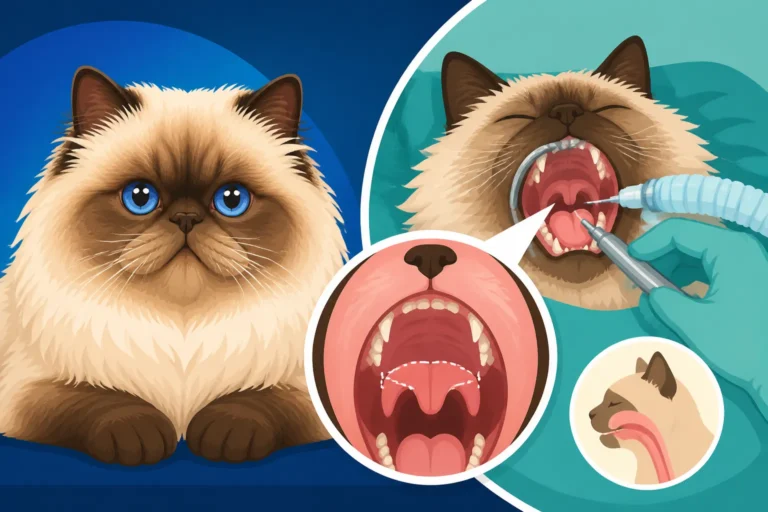
Beyond specific genetic predispositions like PKD, the overall health profile of a Himalayan can indirectly influence kidney health. Their characteristic brachycephalic (flat) face, while undeniably charming, can sometimes lead to issues like reduced oxygen intake, which might put a subtle strain on their body's systems over decades. While not a direct cause of kidney failure, any chronic stress on the body can contribute to overall organ decline as they age. Moreover, Himalayans are often described as being less active than many other breeds. A sedentary lifestyle, combined with a thick coat that can make them prone to overheating, means they might naturally drink less water if not actively encouraged, or if their water bowls aren't ideally suited for their flat faces. This reduced hydration over time can also put extra stress on the kidneys. It's important to remember that Every Himalayan Inherits Two Disease Lists, Not One, and while one list might be mitigated by good breeding, the general health challenges of aging are still very real.
Recognizing the Subtle Signs of Kidney Trouble in Older Cats
As your Himalayan enters its golden years, you'll naturally be more attuned to any changes in their behavior or habits. However, kidney disease is notoriously sneaky, and the initial signs can be incredibly subtle, often mimicking other age-related issues. Knowing what to look for can make all the difference, allowing you to seek veterinary attention sooner rather than later.
Changes in Thirst and Urination Habits
One of the earliest and most common indicators of kidney disease in older cats is an alteration in their drinking and urination patterns. You might suddenly notice your Himalayan making more frequent trips to the litter box, or the clumps of urine in the litter appear larger than usual. This increased urination, known as polyuria, happens because the damaged kidneys are less able to concentrate urine, meaning more water is lost with each bathroom break. To compensate for this fluid loss, your cat will naturally start drinking more water, a symptom called polydipsia.
This might manifest as your cat constantly seeking out water sources they previously ignored, like dripping faucets, shower puddles, or even your drinking glass. They might seem insatiably thirsty. While a slight increase in drinking might not seem alarming at first, especially if it's hot, a persistent and noticeable change is a red flag. It’s not uncommon for owners to notice the water bowl emptying much faster than it used to. It's vital to pay close attention to Why Extra Thirst in a Himalayan Points at Its Persian Half, as this symptom is a primary indicator of potential kidney distress and warrants immediate veterinary consultation. Don't dismiss it as just an "old cat thing."
Weight Loss, Appetite Changes, and Coat Condition
Another tell-tale sign that often accompanies the progression of kidney disease is a gradual but noticeable change in your Himalayan's body condition and appetite. You might find your usually enthusiastic eater starting to turn up their nose at their favorite meals, or they might pick at their food with less fervor. This can lead to slow, insidious weight loss that, under their magnificent, thick coat, can be hard to spot until it's quite advanced. The buildup of toxins in their bloodstream (uremia) can cause nausea, leading to a reduced appetite and sometimes even vomiting.
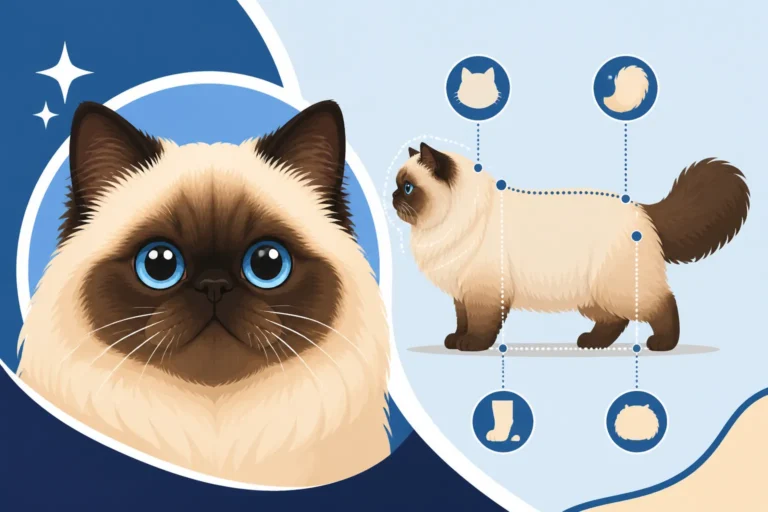
Beyond just weight loss, the health of their coat can also suffer. A Himalayan's coat is usually their crowning glory – soft, flowing, and meticulously groomed. When kidney disease progresses, you might notice their coat becoming dull, dry, greasy, or developing mats in areas they usually keep pristine, particularly around their hindquarters, belly, and armpits. This is partly due to dehydration and nutritional deficiencies, but also because an unwell cat often has less energy and inclination to maintain their rigorous grooming routine. Feeling along their spine and ribs, you might be surprised at How to Find a Himalayan's Ribs Through a Persian Coat under what still appears to be a full coat. A matted, unkempt coat on a Himalayan that was once a fastidious groomer is a clear signal that something is amiss internally, and kidney issues could certainly be a factor.
Behavioral Shifts and General Malaise
Beyond the physical indicators, kidney disease can also usher in significant behavioral changes in your senior Himalayan. Cats are notoriously stoic, but even they can't entirely hide the discomfort and fatigue that come with a body struggling to filter toxins. You might observe your cat becoming less interactive, spending more time sleeping, and showing reduced interest in play or affection. What once was a playful chase with a feather wand might now be met with a languid gaze, or they might simply walk away. This lethargy is often a direct result of toxins circulating in their system, making them feel generally unwell and weak.
Another striking, though unpleasant, symptom is a distinct change in their breath. As waste products like urea build up in the bloodstream and are expelled through the mouth, your Himalayan might develop what's known as uremic breath – a foul, almost ammonia-like odor. This is distinctly different from typical "cat breath" or the smell of dental disease. You might also notice a general weakness or reluctance to jump onto their usual perches, even low ones. Their muscles might feel weaker, and they might appear more stiff. It's a testament to their quiet nature that Why a Himalayan Hides Illness Behind an Expressionless Face, making these subtle behavioral shifts all the more crucial to observe. Sometimes, a previously active cat will simply stop getting on furniture, a sign that their joints or overall energy levels are compromised, a decline often mirrored by failing kidneys, and can also be compounded if they also suffer from How Arthritis Shows in a Himalayan That Never Jumped.
Diagnosis and Management for Senior Himalayans
Discovering that your cherished senior Himalayan is experiencing kidney failure can be a devastating moment. However, it's important to remember that a diagnosis is the first step towards managing the condition and ensuring your cat’s comfort and quality of life. Modern veterinary medicine offers several pathways to both diagnose and support cats with CKD.
The Importance of Regular Senior Vet Checks
For any Himalayan reaching its senior years, regular veterinary check-ups are not just advisable; they are absolutely essential. For cats aged seven and above, annual checks are the minimum, but for those past twelve, bi-annual visits are highly recommended. Your veterinarian is trained to spot the subtle clues that you, as a loving owner, might inadvertently overlook. During these visits, your vet will perform a thorough physical examination, paying close attention to weight changes, coat condition, hydration levels, and mouth health. They'll also typically recommend routine blood work and urinalysis, which are the cornerstones of early CKD detection.
These diagnostic tests look for several key indicators. Blood tests will measure kidney values like Blood Urea Nitrogen (BUN) and creatinine, which rise as kidney function declines. More importantly, a newer marker called SDMA (Symmetric Dimethylarginine) can detect kidney disease much earlier, sometimes when only 25% of kidney function has been lost, compared to the 75% needed for BUN and creatinine to elevate. Urinalysis assesses urine concentration, protein levels, and the presence of infection. Your vet will also likely check your cat's blood pressure, as hypertension is a common complication of CKD. In some cases, an ultrasound might be recommended to visualize the kidneys, assess their size and structure, and identify any cysts or other abnormalities. Keeping track of How a Himalayan's Kidney Numbers Are Tracked From Five can provide a crucial baseline for detecting subtle changes as they age. Don't hesitate to ask your vet about a comprehensive senior panel for your beloved cat, as proactive screening can add precious time to their lifespan. This proactive approach is exactly why investing in pet insurance, like a plan from Healthy Paws, can be invaluable, providing financial peace of mind for these necessary and often complex diagnostic procedures.
Dietary Management and Hydration Strategies
Once diagnosed with CKD, one of the most impactful interventions you can make for your Himalayan is a switch to a prescription renal diet. These specialized diets are formulated with reduced, high-quality protein to minimize waste products that damaged kidneys have to filter. They are also lower in phosphorus and sodium, and often supplemented with omega-3 fatty acids and B vitamins. The goal isn't to cure the disease, but to slow its progression and alleviate the strain on the kidneys. It can be challenging to transition a finicky senior cat to a new food, so your vet might suggest a gradual change over several weeks, or offer different brands and textures to see what your cat prefers. Many brands offer palatable options for Which Renal Diet a Cyst Positive Himalayan Ends Up On.
Hydration is equally critical. Since their kidneys are losing more water, it’s essential to encourage your Himalayan to drink as much as possible. Consider investing in a cat drinking fountain, as many cats are enticed by fresh, running water. Offering wet food, or even adding extra water to their wet food, can significantly boost their fluid intake. Some cats might even benefit from an elevated, wide, shallow bowl that doesn't bend their sensitive whiskers. In more advanced stages, your vet might recommend subcutaneous (under the skin) fluid administration at home. While it sounds intimidating, many owners find it a straightforward process that drastically improves their cat’s quality of life and helps to flush toxins. Learning Whether Home Fluids Extend a Himalayan's Life can be a game-changer, giving you a tangible way to provide comfort and support.
Medication and Symptomatic Support
Beyond diet and hydration, your veterinarian will likely prescribe various medications to manage specific symptoms and complications of kidney disease. For instance, phosphate binders, often given with meals, help reduce the absorption of phosphorus from food, preventing the dangerous buildup that can further damage kidneys and cause discomfort. If your Himalayan has high blood pressure, anti-hypertensive medications might be prescribed to protect both the kidneys and other organs, particularly the eyes and heart. Anti-nausea medications and appetite stimulants can also be incredibly helpful in keeping your cat eating and feeling more comfortable, especially when the uremia causes significant gastrointestinal upset.
If anemia develops, which is common in advanced CKD due to reduced erythropoietin production by the kidneys, your vet might discuss medications or supplements to stimulate red blood cell production. It’s a complex balancing act, ensuring that each medication supports kidney health without putting undue strain elsewhere. Always administer medications exactly as prescribed and report any adverse reactions to your vet. For complex care plans like this, having pet insurance from a provider like Healthy Paws can significantly ease the financial burden, allowing you to focus purely on your Himalayan's well-being without worrying about the cost of long-term medications and treatments. Regular check-ups are key to adjusting these medications as needed. It's truly amazing How Often a Tested Himalayan Still Needs Checking, even for diseases not typically screened, to ensure their health is managed optimally.
Navigating the Emotional Journey of Caring for a Senior Himalayan with Kidney Disease
Caring for a senior cat with a chronic illness like kidney disease is a marathon, not a sprint. It involves an emotional journey for pet parents, filled with hope, worry, and eventually, profound grief. Understanding this journey and preparing for it can help you provide the best possible care for your Himalayan and also take care of your own well-being.
Quality of Life Considerations
One of the most difficult aspects of managing advanced kidney disease in an older Himalayan is continually assessing their quality of life. As the disease progresses, there comes a point where treatments might no longer be enough to maintain comfort and happiness. This isn't a single, clear-cut moment, but rather a spectrum of decisions. Your veterinarian can help you understand the indicators of declining quality of life, such as persistent pain, severe nausea and vomiting, extreme lethargy, loss of interest in food or affection, and an inability to maintain hygiene. It’s about focusing on their comfort and dignity above all else.
This conversation might involve making choices about palliative care, adjusting medications to simply keep them comfortable, or eventually, considering humane euthanasia. It's an incredibly personal decision, and there's no right or wrong answer, only what feels best for your beloved companion and your family. Remember that The Nine to Fifteen Years a Himalayan Usually Gets is precious time, and your goal is to make every day count for them. It’s a testament to your love and commitment to ensure their twilight years are filled with peace and minimal suffering.
Support Systems for Pet Parents
The emotional toll of caring for a chronically ill pet can be immense. It’s okay to feel overwhelmed, sad, or even guilty. You are not alone in this experience. Lean on your veterinary team, who can provide invaluable guidance, support, and a realistic assessment of your cat's condition. They often become more than just medical professionals; they become partners in your pet's care. Connecting with other pet parents who have navigated similar journeys, whether through online forums, local support groups, or simply friends and family, can also provide a sense of community and understanding.
Being prepared, both emotionally and practically, can also help. Researching resources for end-of-life care, discussing your wishes with family members, and understanding the financial implications can lessen the burden when decisions need to be made. This is where comprehensive pet insurance like Healthy Paws truly shines. Knowing that a significant portion of the ongoing treatment costs for chronic conditions are covered can relieve immense financial stress, allowing you to focus on your Himalayan's comfort and your emotional well-being without the added worry of mounting vet bills. While we all hope for a long and healthy life, knowing What Kills a Himalayan Whose Line Was Never Tested can highlight the importance of being prepared for common age-related conditions, even in the best-cared-for pets.
Common Symptoms of Kidney Failure in Older Himalayans
| Symptom Category | Specific Symptom | What It Might Indicate |
|---|---|---|
| Urination & Thirst | Increased Thirst (Polydipsia) | Kidneys are less able to concentrate urine, leading to fluid loss. |
| Increased Urination (Polyuria) | More diluted urine being produced, frequent litter box trips, larger clumps. | |
| Urinating outside the litter box | Incontinence or associating pain/discomfort with the box. | |
| Appetite & Weight | Decreased Appetite or Pickiness | Buildup of toxins causing nausea (uremia). |
| Weight Loss (despite eating) | Inability to properly digest and utilize nutrients; muscle wasting. | |
| Vomiting/Diarrhea | Gastrointestinal upset from toxin accumulation. | |
| Physical Appearance | Dull, unkempt coat, matting | Dehydration, poor nutrition, lack of energy for grooming. |
| Bad breath (Uremic Breath) | Buildup of urea and other toxins being expelled through respiration. | |
| Pale gums | Anemia, a common complication of advanced kidney disease. | |
| Behavioral Changes | Increased Lethargy or Weakness | Feeling unwell from circulating toxins, anemia. |
| Reduced Activity/Playfulness | Lack of energy, general malaise. | |
| Hiding more often | Seeking solitude due to discomfort or illness. | |
| Changes in sleeping patterns | Discomfort or altered physiological processes. | |
| Reluctance to jump or move | Weakness, joint pain exacerbated by overall poor health. |
Disclaimer
This guide provides general information about kidney failure in senior Himalayan cats and should not replace professional veterinary advice. Always consult with a qualified veterinarian for any health concerns regarding your pet. Individual symptoms and conditions can vary, and a proper diagnosis and treatment plan can only be made by a veterinary professional.