Why an Old Himalayan Stops Washing Its Own Face
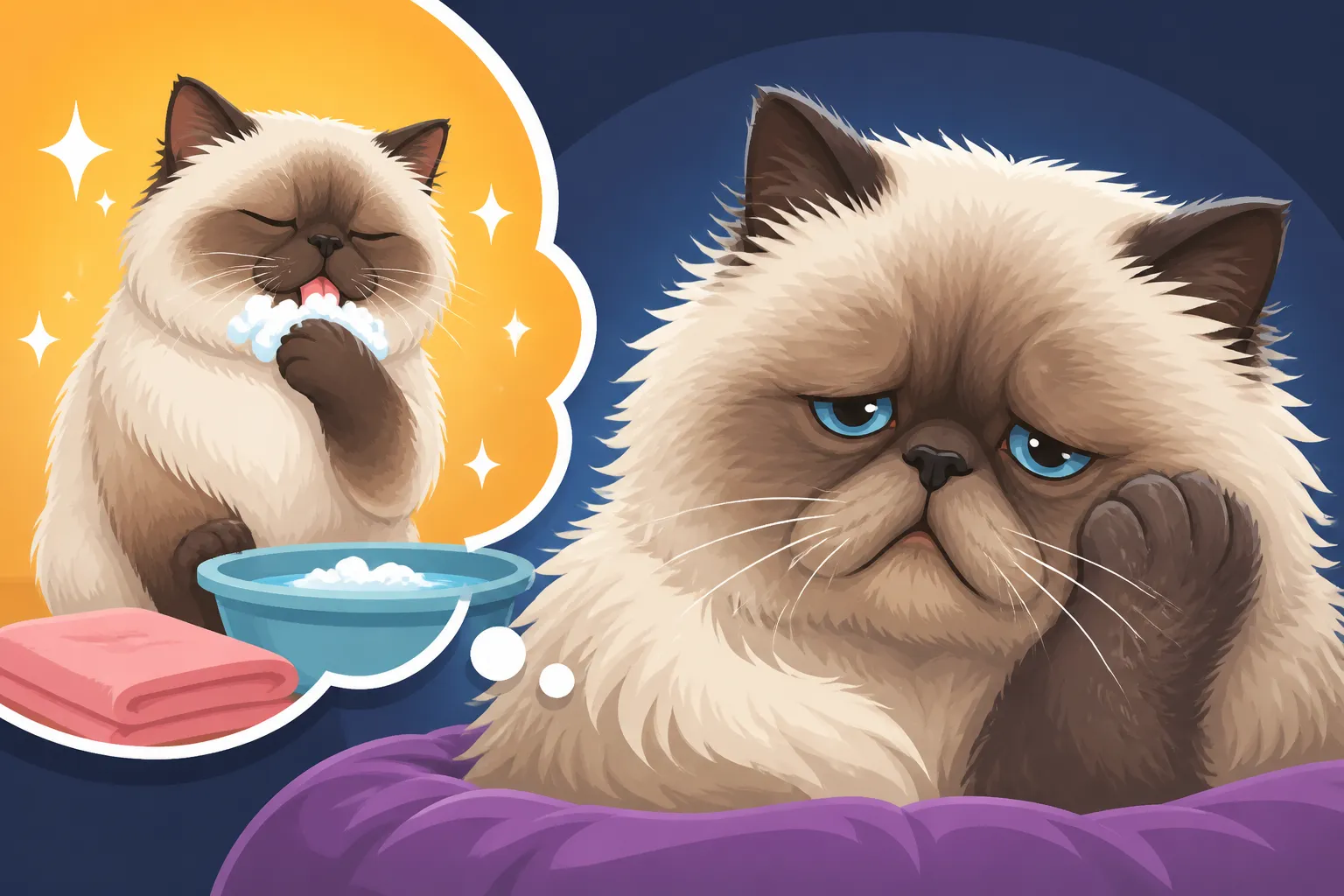
It's heartbreaking to watch your beloved Himalayan, once so fastidious with their magnificent coat, gradually lose the ability or desire to keep themselves pristine. Seeing an older cat with mats forming, or a dull, unkempt appearance, often signals more than just laziness; it's a clear cry for help. This guide will explore the various reasons why an old Himalayan might stop washing its own face and body, and what compassionate steps you can take to support their comfort and well-being.
The Physical Toll of Aging on Himalayan Grooming
Aging brings a host of physical changes that can make self-grooming an arduous task for any cat, but especially for our unique Himalayans. Their distinctive breed characteristics, which make them so endearing, can become particular challenges in their golden years, making what was once a simple daily ritual an uncomfortable chore.
Arthritis and Joint Pain
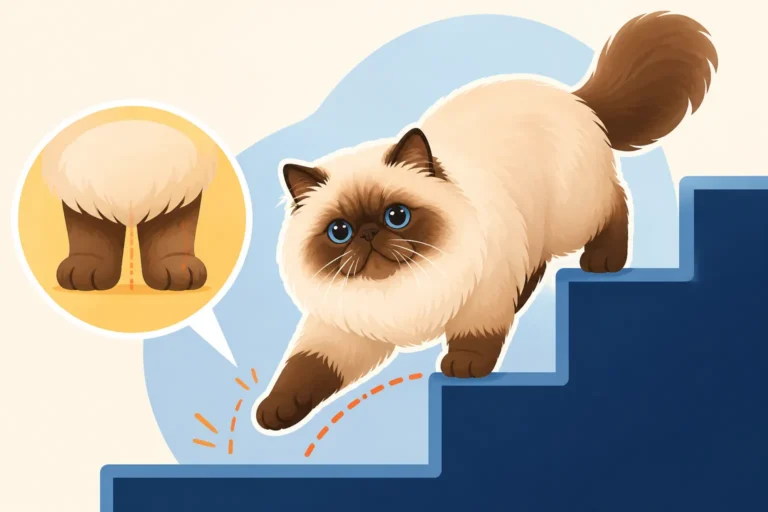
Imagine trying to bend and twist into all sorts of contortions to reach every inch of your back and britches when your joints ache with every movement. That's often the reality for an older Himalayan. Arthritis is a common culprit behind a decline in grooming. Their cobby, sturdy build, while beautiful, can predispose them to joint issues, especially in the hips and spine, as they age, leading to chronic discomfort.
When a Himalayan suffers from arthritis, the simple act of reaching their hindquarters, or even turning their head to clean their back, can be agonizing. You might notice them moving a little slower, being hesitant to jump onto their favorite sofa, or showing stiffness after a nap. If you gently try to pet certain areas, they might flinch or express discomfort, perhaps even a low growl or hiss if the pain is acute. This pain directly interferes with their ability to perform their intricate grooming rituals. They simply cannot contort their bodies in the way they once did, leading to neglected areas and the inevitable formation of mats, particularly around their hind legs and under their belly, areas that require significant flexibility to reach. This is a common concern that pet insurance providers like Healthy Paws often see claims for as cats age, highlighting the widespread nature of the issue.
It's not just about reaching; the simple act of lifting a leg or bending their neck can be too much. You might see them attempting to groom, only to stop halfway, clearly frustrated or in pain, perhaps letting out a little sigh. This isn't laziness; it's a physical limitation that can be deeply distressing for a cat that instinctively wants to be clean. Observing How Arthritis Shows in a Himalayan That Never Jumped can help you identify these subtle signs early on, allowing you to seek veterinary advice before the problem escalates.
Dental Issues and Oral Discomfort
Grooming isn't just about licking; it involves gentle nibbling and tugging at loose fur, especially during shedding season, to remove dead hair and debris. An old Himalayan with a crowded jaw, a characteristic shared with their Persian lineage, is highly prone to dental problems. Over years, tartar buildup, gum disease (gingivitis or periodontitis), and even painful tooth resorptions can develop, causing significant oral discomfort.
When their mouth hurts, biting and licking their fur becomes unbearable. They might hesitate to eat, approach their food bowl cautiously, or drop pieces of food. You might also notice increased drooling, bad breath, or even pawing at their mouth. Imagine trying to brush your own hair with a severe toothache – it's just not going to happen efficiently, if at all. For a Himalayan, a painful mouth means they'll avoid using it for anything beyond essential eating, and even that might be difficult. You might see them pushing food out of their mouth with their tongue or refusing kibble entirely in favor of softer options. Regularly checking their breath and looking for signs of redness, swelling, or missing teeth is crucial. Many vets recommend regular dental checks, and sometimes cleanings under anesthesia, to address these issues. This is especially true given How Often a Himalayan's Crowded Mouth Needs Cleaning. Without addressing the underlying pain, no amount of encouragement will make them groom effectively, as their comfort comes first.
Vision and Sensory Decline
As Himalayans age, their senses can naturally dull. Eyesight might diminish, making it harder for them to spot dirt or detect subtle changes in their coat. Their peripheral vision might narrow, making them less aware of loose hairs or debris on their sides or back. While their striking blue eyes are beautiful, they aren't immune to age-related changes like cataracts or retinal atrophy, which can impair their ability to see clearly.
Similarly, their sense of smell, which plays a role in identifying areas that need attention, can also wane. A cat relies on a keen sense of touch from its whiskers and fur, combined with sight and smell, to navigate its intricate grooming routine. If these senses are impaired, they might simply not "see" or "feel" the need to groom specific areas, leading to patchy grooming or complete neglect. This can be particularly true for their face and ruff, where they might miss food particles or tear stains if their vision isn't as sharp as it once was. You might observe them bumping into furniture or being more startled by sudden movements. This is where human intervention becomes vital to help them maintain their dignity and cleanliness, as they can no longer rely solely on their own abilities.
Underlying Health Conditions Affecting Grooming Habits
Beyond the general aches and pains of old age, several specific health conditions common in older Himalayans can directly interfere with their ability or motivation to groom. A decline in grooming is often one of the earliest, most subtle warning signs that something deeper is amiss, urging us to pay closer attention.
Respiratory and Breathing Difficulties
The distinctive flattened face of a Himalayan, while adored by many, can lead to respiratory challenges, especially as they get older. Brachycephalic airway syndrome, characterized by narrowed nostrils, an elongated soft palate, and sometimes a hypoplastic trachea, can make even mild exertion difficult. Grooming, particularly the extensive kind required by their long, dense coat, is quite an aerobic activity for a cat, demanding sustained effort and flexible posture.
When a Himalayan struggles to breathe, they become easily winded. The effort of bending, twisting, and licking their long coat can lead to shortness of breath, panting, and overheating, especially if they are in a warm room. Naturally, they'll avoid activities that exacerbate this discomfort. You might notice them panting more frequently, even with minimal activity, or hear them snoring louder and more laboriously than before. How an Old Himalayan's Flat Faced Breathing Worsens outlines these challenges in detail, explaining how the physical structure of their face impacts their ability to cool down and breathe easily. If grooming causes them to feel breathless or overheat, they will simply stop, prioritizing comfort and survival over cleanliness. This is particularly noticeable with their face and ruff, as reaching and cleaning these areas can further obstruct their already compromised airway. Their welfare is always paramount, and sometimes this means prioritizing their breathing over a perfectly groomed coat.
Kidney Disease and Systemic Illnesses
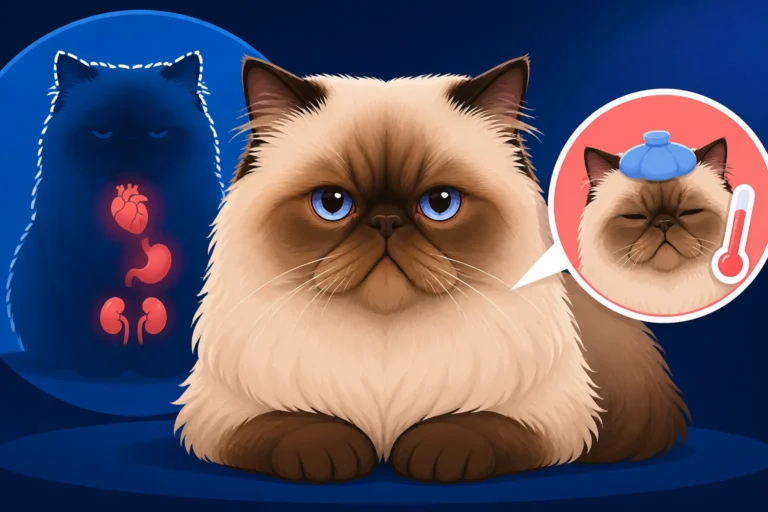
Chronic kidney disease (CKD) is unfortunately common in older cats, including Himalayans, particularly given their genetic predisposition to conditions like Polycystic Kidney Disease (PKD) from their Persian heritage. A cat suffering from CKD often feels generally unwell, nauseous, and lethargic. They may also experience dehydration and a poor appetite, leading to a noticeable decline in their overall energy levels.
When a cat feels sick, grooming is often the first thing to fall by the wayside. The energy required to maintain their coat is simply too much when their body is fighting an internal battle. Their coat might become dull, greasy, or matted, even if they're still attempting to groom occasionally, due to poor circulation and changes in skin oil production. The toxins building up in their system can also affect skin and coat health directly, making it less pleasant for them to groom. A decline in self-grooming can be one of the earliest, albeit non-specific, signs that What Goes First in a Himalayan Past Twelve is a general decline in well-being, often indicating an underlying systemic issue. Regular veterinary check-ups, including blood work, are essential for early detection and management of CKD. Early intervention can make a significant difference in their quality of life. Pet insurance, such as a plan from Healthy Paws, can certainly help offset the considerable costs associated with diagnosing and managing chronic illnesses in older cats.
Other systemic illnesses, such as thyroid problems (hyperthyroidism or hypothyroidism), diabetes, or even certain cancers, can also cause lethargy, weakness, and a general feeling of malaise that strips an older Himalayan of the motivation and energy to groom. If you notice a sudden, dramatic change in grooming alongside other symptoms like weight loss, increased thirst, or changes in appetite, it's always best to consult your vet immediately. Why an Old Himalayan Losing Weight Needs Its Thyroid Read explains another common age-related issue that impacts a cat's overall health and energy levels, and how closely these factors are tied to their grooming habits.
Overweight or Obesity
Our beloved Himalayans have a naturally cobby body type, but it's easy for them to become overweight or obese, especially as they age and their activity levels naturally decrease. A Himalayan's metabolism can slow down, and if their caloric intake isn't adjusted, those extra pounds can pile on quickly, often unnoticed under their voluminous coat.
Being overweight significantly impairs a cat's ability to reach and groom all parts of its body, especially its back, hindquarters, and tail base. The excess fat physically gets in the way, making stretching and twisting impossible. This often leads to mats and a greasy coat in hard-to-reach areas, creating a cycle of discomfort and further reduced grooming. It's a frustrating cycle: they can't groom because they're overweight, and the lack of grooming can lead to skin issues. Why an Overweight Himalayan Cannot Reach Its Britches details this common problem, emphasizing how debilitating it can be. This isn't just a cosmetic issue; obesity contributes to other serious health problems like diabetes, heart disease, and increased strain on already arthritic joints, worsening their discomfort and further reducing their grooming efforts. Managing their weight through a carefully controlled diet and gentle, consistent play is crucial for their long-term health and ability to maintain some level of self-care and dignity.
Environmental and Emotional Factors
Sometimes, it's not just physical ailments but also changes in their environment or emotional state that affect an older Himalayan's grooming. These sensitive creatures thrive on routine, comfort, and a sense of security, and any disruption can throw them off balance.
Stress and Anxiety
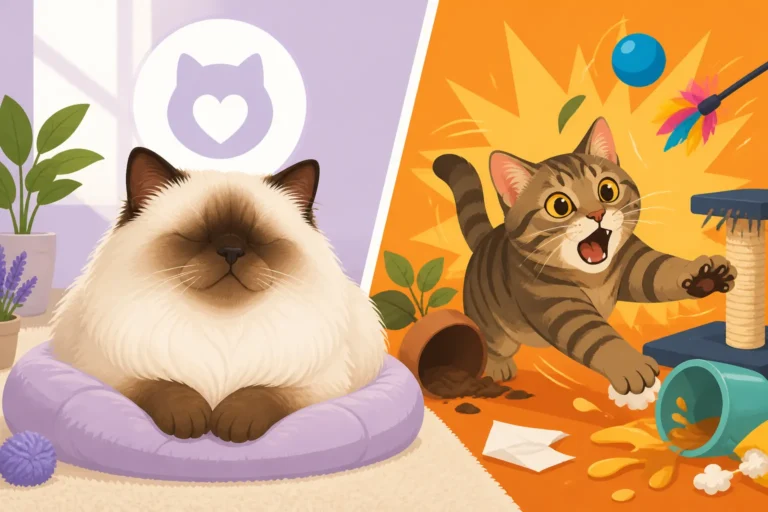
Cats, especially Himalayans who are creatures of habit and often quite reserved, are incredibly sensitive to changes in their environment. Any significant disruption can cause stress and anxiety, which can manifest in a variety of ways, including a neglect of self-grooming. This might be due to a new pet entering the household, a new person moving in, a house move to unfamiliar surroundings, or even just subtle changes to their daily routine or the placement of furniture. A Himalayan relies on familiarity, and any perceived threat to that can be deeply unsettling.
A stressed cat might withdraw, becoming lethargic and hiding more often, or, conversely, may over-groom certain areas (stress-licking) while neglecting others completely. When a Himalayan feels insecure or anxious, their focus shifts to coping with the perceived threat or discomfort, leaving little energy or motivation for meticulous self-care. Their magnificent coat, once a source of pride and an indicator of well-being, can quickly become matted and dull, reflecting their inner turmoil. Providing a stable, predictable, and quiet environment, along with plenty of safe, elevated hiding spots where they feel secure, can help reduce their stress levels and encourage a return to normal behaviors. Pheromone diffusers, available at most pet stores, can also sometimes offer a calming influence, helping them feel more at ease in their space.
Inaccessible Grooming Areas and Routine Changes
While not directly a health issue, the accessibility of a Himalayan's favorite resting and grooming spots can become a barrier as they age. If their cherished sunny windowsill or the top of their cat tree now requires an uncomfortable jump due to arthritic joints, they might simply stop going there, abandoning their usual perches.
Similarly, if their litter box is too high-sided for their older, less mobile bodies, or if the texture of the litter itself becomes irritating to their sensitive paws, they might avoid using it properly, leading to hygiene issues that further complicate grooming. An old Himalayan needs a comfortable, easy-to-access environment that accommodates their diminishing mobility. This includes low-sided litter boxes, ramps or pet stairs to their favorite perches, and easy access to food and water bowls that don't strain their neck or whiskers. Any change to their established routine, even something seemingly minor like altering feeding times, can also throw them off, leading to subtle changes in behavior. Maintaining consistency and making proactive adjustments to their living space can support their grooming habits. Remember, A Himalayan's Point Color Is a Record of Where It Sleeps and any changes to these favored warm spots can impact their overall comfort and sense of security.
How You Can Help Your Aging Himalayan Maintain Grooming
Seeing your once-pristine Himalayan looking unkempt can be distressing, but there's a lot you can do to support them. Your role shifts from admirer to active participant in their daily care, becoming their trusted grooming assistant.
Regular Brushing and Mat Prevention
This is perhaps the most crucial step you can take. Since your Himalayan can no longer keep up with their own grooming, you need to step in and become their personal groomer. Daily combing is not just recommended; it's absolutely essential. Their long, dense, and often fine undercoat mats incredibly easily, especially in neglected areas like the armpits, belly, and hindquarters. Mats can be more than just unsightly; they can pull on the skin, cause intense pain, hide skin infections, and restrict comfortable movement.
Invest in a good quality metal comb with both wide and fine teeth – a professional-grade steel comb works wonders. Start gently, in short, positive sessions of five to ten minutes, making it a pleasant experience with plenty of treats and praise. Focus on areas they struggle to reach: the armpits, belly, hindquarters, and behind the ears. If you encounter a mat, don't pull! Carefully try to tease it apart with your fingers or the wide-toothed side of the comb, working from the outside in, never tugging from the base. For stubborn mats that are too close to the skin or too large, it's always better to seek professional help from a qualified groomer or veterinarian rather than risk injuring your cat. Seriously, The Daily Comb a Himalayan Cannot Skip is no exaggeration; it prevents serious problems down the line, including painful skin tears and infections. Many pet parents find the cost of regular grooming and vet visits for their aging companions is where a comprehensive plan from Healthy Paws truly helps, ensuring these essential services are accessible.
Face and Hygiene Maintenance
The flattened face of a Himalayan means they are prone to tear staining and food accumulation around their mouth and nose folds. As they age, this can worsen due to decreased self-grooming and potentially increased tearing. Daily face wiping becomes paramount to prevent irritation and infection. Use a soft, damp cloth, or pet-safe, unscented wipes, to gently clean around their eyes, nose, and mouth.
Pay close attention to the deep folds around their nose – these areas can trap moisture and debris, creating a breeding ground for bacteria and yeast, which can lead to painful skin irritation and infection if left unchecked. After cleaning, gently dry the area thoroughly with a clean, soft towel to prevent moisture buildup. For their hindquarters, if they're having trouble cleaning themselves after using the litter box, gentle wiping with pet-safe wipes can prevent discomfort and skin issues. You might even consider having a professional groomer perform a sanitary trim around their britches for easier maintenance. This proactive approach helps keep them comfortable, prevents secondary health problems, and maintains their overall dignity.
Veterinary Care and Pain Management
Regular veterinary check-ups are non-negotiable for an aging Himalayan. A vet can accurately diagnose underlying issues like arthritis, dental disease, kidney problems, or respiratory difficulties, which are often the root cause of decreased grooming. They can then prescribe appropriate pain medication, anti-inflammatories, or other treatments to manage chronic conditions, tailoring the care to your cat's specific needs.
For arthritis, non-steroidal anti-inflammatory drugs (NSAIDs), joint supplements (like glucosamine and chondroitin), or even alternative therapies like acupuncture or therapeutic laser sessions can significantly improve their comfort and mobility, thereby encouraging a return to some level of self-grooming. Dental issues often require professional cleaning and possible extractions under anesthesia, which can dramatically improve their oral comfort. Don't underestimate the impact of pain; alleviating it can dramatically improve their quality of life and willingness to groom. When you’re considering the What a Himalayan Really Costs Once the Coat Is Counted over their lifetime, factoring in these regular vet visits, especially for an older cat, is crucial, and a good pet insurance plan can ease the financial burden. Early detection and management are key to keeping your Himalayan healthy and happy.
Table: Common Grooming Challenges in Senior Himalayans and Solutions
| Challenge | Underlying Cause | Impact on Grooming | How You Can Help |
|---|---|---|---|
| Matting Coat | Arthritis, obesity, systemic illness | Inability to reach and untangle fur | Daily combing, professional grooming, careful mat removal |
| Tear Stains/Dirty Face | Decreased vision, respiratory difficulty, apathy | Neglect of face wiping, accumulation of debris | Daily face wiping, gentle cleaning of nose folds, regular checks |
| Foul Breath/Drooling | Dental disease | Painful to lick, reduced overall grooming | Vet dental checks, professional cleaning, pain management |
| Greasy/Dull Coat | Kidney disease, thyroid issues, poor diet, dehydration | Lack of energy, systemic illness affecting skin health | Vet diagnosis & treatment, appropriate diet, hydration support |
| Litter in Britches | Arthritis, obesity, inappropriate litter box | Inability to clean hindquarters | Trim britches fur, low-sided litter box, regular wiping, vet check |
| Overheating | Respiratory issues, dense coat | Stops grooming due to discomfort and exertion | Provide cool resting spots, gentle brushing, veterinary advice |
By understanding the specific challenges your older Himalayan faces, you can provide targeted support, ensuring their golden years are as comfortable and dignified as possible.
Disclaimer
This article is intended for informational purposes only and does not constitute professional veterinary advice. Always consult with a qualified veterinarian for any health concerns or before making any decisions about your pet's medical care.