What a Himalayan Kitten Has Had Done Before Its Points Set
Bringing a new Himalayan kitten into your home is an incredibly exciting time, but if you're like many prospective owners, you might be wondering exactly what kind of start your little fluffball has had before it even reaches your arms. It's not always clear what goes on behind the scenes with a responsible breeder, and it can leave you feeling a bit in the dark about your kitten's early health and socialization. This guide aims to pull back the curtain on the crucial preparations and care a Himalayan kitten receives in its first few weeks, ensuring they're ready to thrive when they finally join their forever family.
The Foundation of Health: Early Veterinary Care and Screenings
Before those adorable color points fully develop and deepen, a Himalayan kitten has already undergone a significant amount of veterinary attention, all designed to set them up for a healthy life. The first few weeks are absolutely critical for their development, and a reputable breeder prioritizes these early health checks. It’s not just about looking cute; it’s about ensuring their tiny bodies are developing correctly and are free from any immediate concerns.
Initial Wellness Checks and Birth Assessments
From the moment a Himalayan kitten takes its first breath, its journey is monitored closely. Good breeders perform daily checks, looking for strong suckling reflexes, healthy weight gain, and general vigor. Within the first 24-48 hours, a vet visit is common for a comprehensive newborn check-up. This initial assessment includes checking for congenital defects, such as a cleft palate, which can be a serious issue for a kitten's ability to nurse and thrive. The vet will listen to their tiny hearts and lungs, check their eyes and ears, and make sure their little paws and tails are developing as expected. It’s a thorough once-over that lays the groundwork for all subsequent care. These early visits are essential for catching any red flags that might otherwise go unnoticed by an untrained eye. You want a kitten that started life robustly, not one that struggled from day one without intervention.
The breeder also keeps meticulous records of weight, feeding, and development. This isn't just for curiosity; it's a vital tool to track growth curves and identify any kitten that might be lagging behind its littermates. A steady, consistent gain in weight is a strong indicator of good health and proper nursing. It's a testament to the care already invested that your kitten is a robust, thriving creature before you even meet them. Knowing What a Himalayan Kitten's First Exam Includes Its Palate can give you peace of mind about your kitten's foundational health.
Addressing Hereditary Concerns from Day One
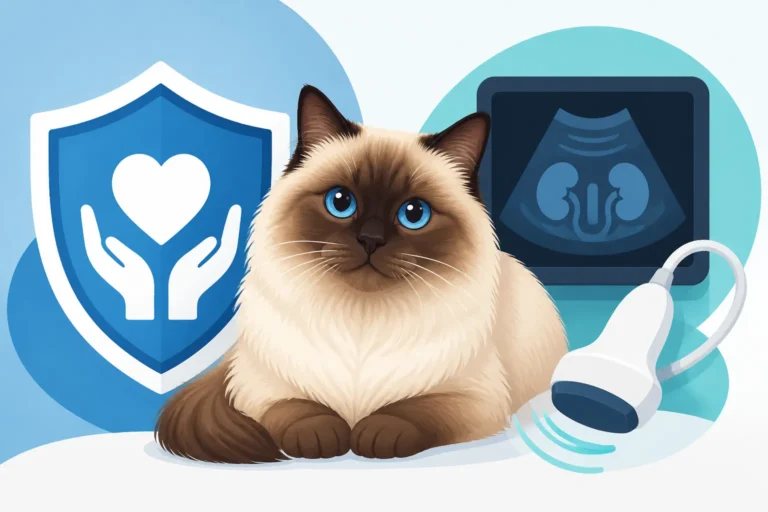
Himalayans, being a pointed variety of the Persian breed, can inherit certain predispositions from their lineage. Responsible breeders are hyper-vigilant about these genetic factors. One of the most significant concerns for Himalayans is Polycystic Kidney Disease (PKD), a progressive condition that can severely impact kidney function. While the definitive genetic test for PKD is done on the parents before breeding, sometimes a breeder might opt for an early ultrasound scan on kittens from lines where there's still a slight historical question mark, even if parents are clear. This happens less frequently now that genetic testing is so widespread, but it's an example of the lengths dedicated breeders go to. Knowing How Young a Himalayan Kitten Can Be Scanned shows the proactive approach some take.
Another critical area is eye health. While a Himalayan's required blue eyes are beautiful, specific eye conditions like Progressive Retinal Atrophy (PRA) are also a concern in the Persian lineage. Again, responsible breeders test their breeding cats for these genetic markers. However, a vet will still visually inspect the kitten's eyes for any early signs of entropion (inward-rolling eyelids) or other structural issues that could cause irritation or impact vision later on. These early inspections are about ensuring that the genetic testing of the parents is indeed translating into healthy offspring, and that no unexpected issues arise during development.
Building Immunity: Vaccinations and Parasite Prevention
Beyond the initial checks, a Himalayan kitten's early life is heavily focused on building a strong immune system and protecting them from common parasites. This involves a carefully planned schedule of vaccinations and deworming, crucial steps that safeguard their health both in the cattery and when they transition to their new home. You'd be surprised how much goes into preventing illness in such tiny creatures.
The Vaccination Schedule
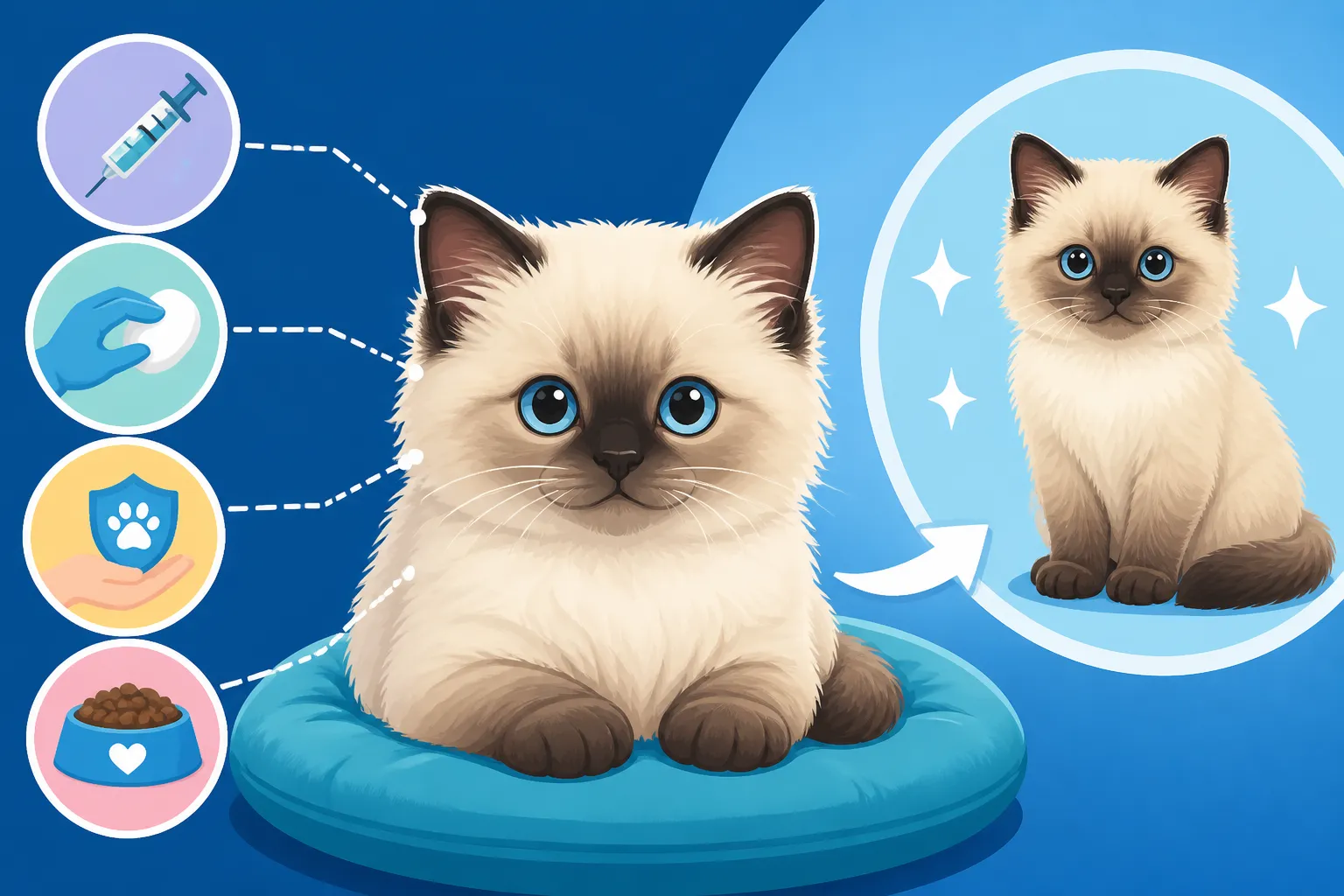
Vaccinations are a cornerstone of kitten care, designed to protect them from serious and often fatal diseases. A typical vaccination schedule for a Himalayan kitten starts around 6-8 weeks of age, well before their points are fully set. These initial vaccines are usually for Feline Panleukopenia (distemper), Feline Viral Rhinotracheitis (herpesvirus), and Feline Calicivirus, often given as a combined FVRCP shot. These are core vaccines, meaning they are recommended for all cats, regardless of their lifestyle, because the diseases they prevent are highly contagious and dangerous.
The breeder will ensure that at least the first, and often the second, round of these crucial vaccinations are administered by a licensed veterinarian. This isn't just a jab; it's a carefully timed medical intervention that stimulates the kitten's immune system to produce protective antibodies. This early immunity is vital, as kittens are particularly vulnerable during this developmental stage. You should always receive a detailed vaccination record when you pick up your kitten, outlining which vaccines were given and when, and when the next booster is due. This helps you continue their health regimen seamlessly with your own vet.
Deworming and Flea Prevention
Parasite control is just as critical as vaccination. Nearly all kittens are born with some level of intestinal parasites, typically passed from the mother. Therefore, a strict deworming protocol begins early, usually starting around 2-3 weeks of age and continuing every two weeks until they are about 8-12 weeks old. These dewormers target common culprits like roundworms and hookworms, which can cause digestive upset, poor growth, and even anemia in young kittens. The regimen is tailored to the specific needs of the cattery and often includes broad-spectrum medications to cover various types of worms.
Beyond internal parasites, external parasites like fleas are also a concern, even for indoor kittens. While newborn kittens aren't usually treated aggressively for fleas due to their small size, preventive measures within the cattery environment are key. By the time a Himalayan kitten is old enough to leave its mother, it will typically have received at least one dose of a kitten-safe flea preventative. Brands found at places like Chewy often offer kitten-specific formulas, ensuring they're protected but not overwhelmed by strong chemicals. This comprehensive approach to parasite control ensures your kitten arrives healthy and free from common infestations, reducing the risk of bringing these issues into your home.
Nurturing Personalities: Socialization and Environmental Exposure
A Himalayan kitten's early weeks aren't just about physical health; they're also about mental and emotional well-being. A responsible breeder understands that proper socialization during this critical window, before their points are fully developed and they transition to a new home, shapes a kitten's temperament and adaptability. It's about more than just cuddles; it’s about carefully exposing them to the sights, sounds, and sensations of a typical home.
Early Handling and Human Interaction
From a very young age, Himalayan kittens thrive on gentle, consistent human interaction. Breeders make a point of handling each kitten daily, getting them accustomed to being picked up, held, and touched. This isn't just for bonding; it helps them grow into confident, friendly adults who aren't fearful of human hands. They get used to different people, gentle voices, and various types of touch, all of which are crucial for their future as beloved family members. A well-socialized Himalayan will often be a natural lap cat, thanks to these early positive experiences.
This early handling also includes getting them used to having their paws touched, their ears gently examined, and their mouths briefly opened. These are vital steps that make future veterinary visits and grooming sessions far less stressful. If a kitten isn't accustomed to this, trying to trim claws or check teeth later on can become a battle. Think about how much easier it is to groom a cat who isn't terrified of the comb! This foundation of trust and acceptance is something you truly can't put a price on.
Exposure to Household Sights and Sounds
Life in a quiet, isolated cattery might sound ideal, but for a kitten destined for a busy home, it's actually a disservice. Good breeders expose their Himalayan kittens to a variety of normal household noises and activities. This means they hear vacuum cleaners, washing machines, doorbells, music, and general chatter. They're introduced to different textures underfoot, from soft blankets to hard floors. This desensitization helps them adapt to a new environment without being overwhelmed by every new sound or sensation.
Moreover, if the breeder has other well-behaved pets, the kittens might have supervised interactions with friendly adult cats or even calm dogs. This teaches them appropriate social cues and helps them understand how to coexist peacefully with other animals. All these experiences, carefully managed, contribute to a well-adjusted, confident kitten ready to explore its new world. Without this crucial early exposure, a kitten can arrive in a new home overwhelmed and anxious, struggling to cope with everyday stimuli. This is why How Many Weeks a Himalayan Takes to Accept a New House often depends heavily on their early socialization.
Preparing for a Lifetime of Luxury: First Grooming Introductions
The Himalayan is famous for its luxurious, long coat and distinct facial features. Even before their points are fully defined, a responsible breeder starts introducing essential grooming practices. This isn't just about keeping them tidy; it's about conditioning them to accept and even enjoy the daily routines that will be necessary for their entire lives. Ignoring this critical step in kittenhood can lead to significant struggles down the road.
Introducing the Comb and Brush
A Himalayan's magnificent coat requires consistent grooming, and the best time to start is when they are tiny, impressionable kittens. Around 4-6 weeks of age, a breeder will begin very short, gentle sessions with a soft brush or a fine-toothed steel comb. The goal isn't necessarily to get every single tangle out right away, as their kitten fur is still quite different from their adult coat. Instead, it's about creating a positive association with the tools and the process. These sessions are kept brief, perhaps just a minute or two, and always followed by praise, treats, or playtime.
This early conditioning is absolutely vital. Imagine trying to introduce a comb to an adult Himalayan who has never experienced it before – it would be a wrestling match! By making grooming a normal, pleasant part of their daily routine from kittenhood, breeders ensure that by the time you take your kitten home, they're already comfortable with being handled and combed. This will save you countless hours of struggle and stress in the future. Learning Getting a Himalayan Kitten Used to the Comb is one of the most important things a breeder can do for a new owner.
Early Face Wiping and Eye Care
The characteristic flat face of many Himalayans, whether it's a doll face or a peke face, often means they need daily face wiping to prevent tear stains and keep their nose folds clean. Even as kittens, before their facial structure is fully pronounced or their points have darkened, breeders will gently wipe their faces. This gets them accustomed to having a soft, damp cloth around their eyes and nose. This preventative care helps avoid skin irritation and infection that can arise from constant dampness in facial folds.
Using a soft cotton pad or a kitten-safe wipe, breeders gently clean around the eyes and in the tiny creases of the nose. This helps prevent the rust-colored staining that is common in pale-bodied Himalayans and gets the kitten used to the routine. It's a proactive step that prepares them for a lifetime of needing a clean face. This early training means your kitten won't bat away your hand or become stressed during this necessary daily ritual. For new owners, the right supplies or a specialized diet might help with tear staining issues, but the habit of daily wiping starts with the breeder. Starting Face Wiping With a Himalayan Kitten cannot begin too early.
A Snapshot of a Himalayan Kitten's Early Journey
To give you a clearer picture, here’s a table summarizing the typical care a Himalayan kitten receives before its points are fully set and it's ready for its new home. Keep in mind, exact timings can vary slightly between breeders and individual kittens, but the core elements remain consistent.
| Age (Weeks) | Key Developments & Care Received |
|---|---|
| 0-2 Weeks | Born almost white, eyes closed. Constant nursing, rapid weight gain. Daily health checks for nursing, vigor, and congenital issues. First deworming. |
| 3-5 Weeks | Eyes open, starting to walk and explore. Points begin to show faintly. Introduction to soft kitten food. Second deworming. First gentle handling and socialization begins. |
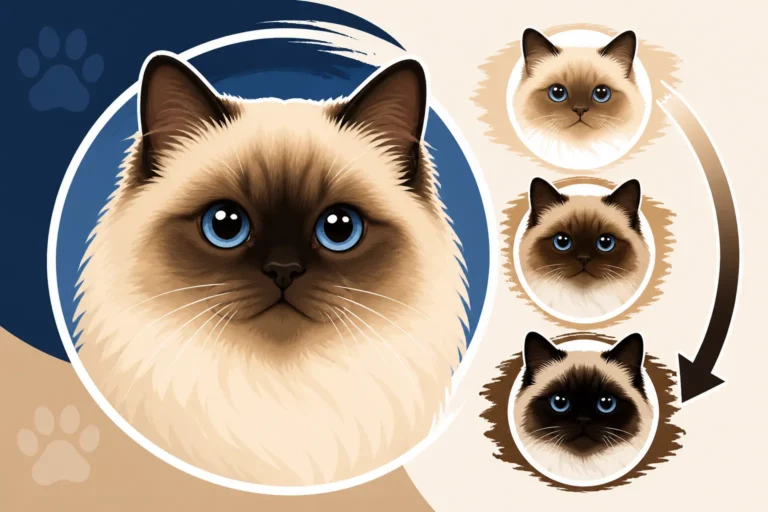
| 6-8 Weeks | Points becoming more visible, but not fully set or dark. Eating solid food well. First FVRCP vaccination. Third deworming. Increased socialization, exposure to household sounds. Introduction to comb/brush and face wiping. |
| 9-11 Weeks | Points continue to deepen. Second FVRCP vaccination. Fourth deworming. Continued socialization and grooming practice. Evaluation of personality and health for placement. |
| 12 Weeks + | Points usually well-defined. Ready for new homes. Final vet check-up. Microchipping (sometimes done earlier). |
This structured approach ensures that by the time a Himalayan kitten is ready to leave its first home, it's not just adorable, but also healthy, well-adjusted, and prepared for the lifelong routines that come with being a beloved companion.
What to Look for When Choosing Your Kitten
When you're ready to bring a Himalayan kitten home, knowing what they've had done before their points set empowers you to ask the right questions and choose a responsible breeder. Don't be shy about inquiring about their protocols for early care. A good breeder will be transparent and proud to share this information.
First and foremost, ask to see veterinary records, including vaccination dates and deworming schedules. These documents are proof that the kitten has received foundational medical care. Inquire about the genetic testing of the parents for conditions like PKD and PRA. While the kitten itself won't have had these tests (they're for breeding adults), knowing the parents are clear means your kitten has a much better chance of a healthy life. A breeder should be able to provide Which Two Certificates a Himalayan Breeder Owes You when it comes to parentage testing.
Observe the kittens' behavior. Are they confident and curious? Do they approach you, or do they cower? A well-socialized kitten should be friendly and comfortable with human interaction. Ask how often they're handled and what kind of environmental exposure they've had. This gives you insight into their early socialization efforts.
Finally, discuss grooming. Ask the breeder about their routine for combing and face wiping. They should be able to explain how they introduce these practices to their kittens. While you might want to consider pet insurance from providers like Healthy Paws for future health needs, ensuring a solid, healthy start with a responsible breeder is your first and best line of defense. Remember, the investment a breeder makes in these early weeks significantly impacts the health and temperament of the kitten you bring home.
Disclaimer
This article is for general informational purposes only and does not constitute professional advice. Laws, prices and regulations vary by location and change over time. Consult a qualified professional for guidance on your specific situation.