Whether a Himalayan Guarantee Outlasts Its First Scan
Bringing a new Himalayan kitten home is such an exciting time, filled with dreams of fluffy snuggles and quiet companionship. But let's be real, beneath all that joy, there's often a little whisper of anxiety: "What if something goes wrong?" Many of us rely on the breeder's health guarantee to ease those worries, especially after the first crucial vet visit and any initial health scans. This guide is here to demystify what those guarantees actually cover, particularly when it comes to long-term issues that might not show up right away.
Understanding the Standard Himalayan Health Guarantee
When you adopt a Himalayan from a reputable breeder, you'll almost always receive some form of health guarantee. This isn't just a nice gesture; it's a critical part of the ethical breeding process, designed to provide peace of mind and ensure the kitten you're bringing home is as healthy as possible. However, the exact terms can feel a bit like reading ancient hieroglyphs, and it's easy to get confused about what's truly covered and for how long.
Initial Health Check Guarantees
The most common type of guarantee covers the initial health of the kitten. This usually states that your new Himalayan is free from contagious diseases and major genetic defects at the time of sale. You'll typically have a very short window, perhaps 48 to 72 hours, to take your kitten to a licensed veterinarian for a full check-up. This is a non-negotiable step and it’s always wise to ask your breeder for Which Two Certificates a Himalayan Breeder Owes You to ensure you have all relevant paperwork for your vet.
During this initial vet visit, your vet will perform a thorough physical examination, checking everything from their eyes and ears to their heart and lungs. If, during this initial examination, a life-threatening condition or severe genetic defect is found, the guarantee usually dictates the next steps – often including a full refund or a replacement kitten, provided you have proper veterinary documentation. This is where conditions like severe upper respiratory infections, parasites, or obvious congenital issues would be identified.
Genetic Health Guarantees and Timeframes
Beyond the immediate health check, many excellent breeders offer a separate guarantee for genetic health issues. For Himalayans, Polycystic Kidney Disease (PKD) and Progressive Retinal Atrophy (PRA) are two of the most significant concerns inherited from their Persian lineage. A genetic health guarantee often extends for a longer period, sometimes one or two years, or even up to five years for certain conditions.
The crucial detail here is that these guarantees are often tied to specific, testable genetic diseases that the parents have been screened for. For example, a breeder might guarantee that your kitten will not develop PKD, because both parent cats were tested clear. What Testing a Himalayan for PKD and the Eyes Costs the breeder, and they should be transparent about these investments. The guarantee would typically cover issues like PKD or PRA that manifest within that specified timeframe. If your cat develops one of these conditions, and it can be traced back to the genetic lineage as covered by the guarantee, the breeder might offer a refund or a replacement. However, it's rare for a genetic guarantee to extend to every possible illness a cat could ever develop over its entire lifespan.
The Importance of the First Vet Scan for Your Himalayan
Your Himalayan's first comprehensive vet visit, particularly if it includes scans, isn't just a box to tick for the guarantee; it's a foundational step in understanding your new companion's baseline health. This is where potential issues that might not be immediately obvious in a physical exam can be detected.
Polycystic Kidney Disease PKD Screening
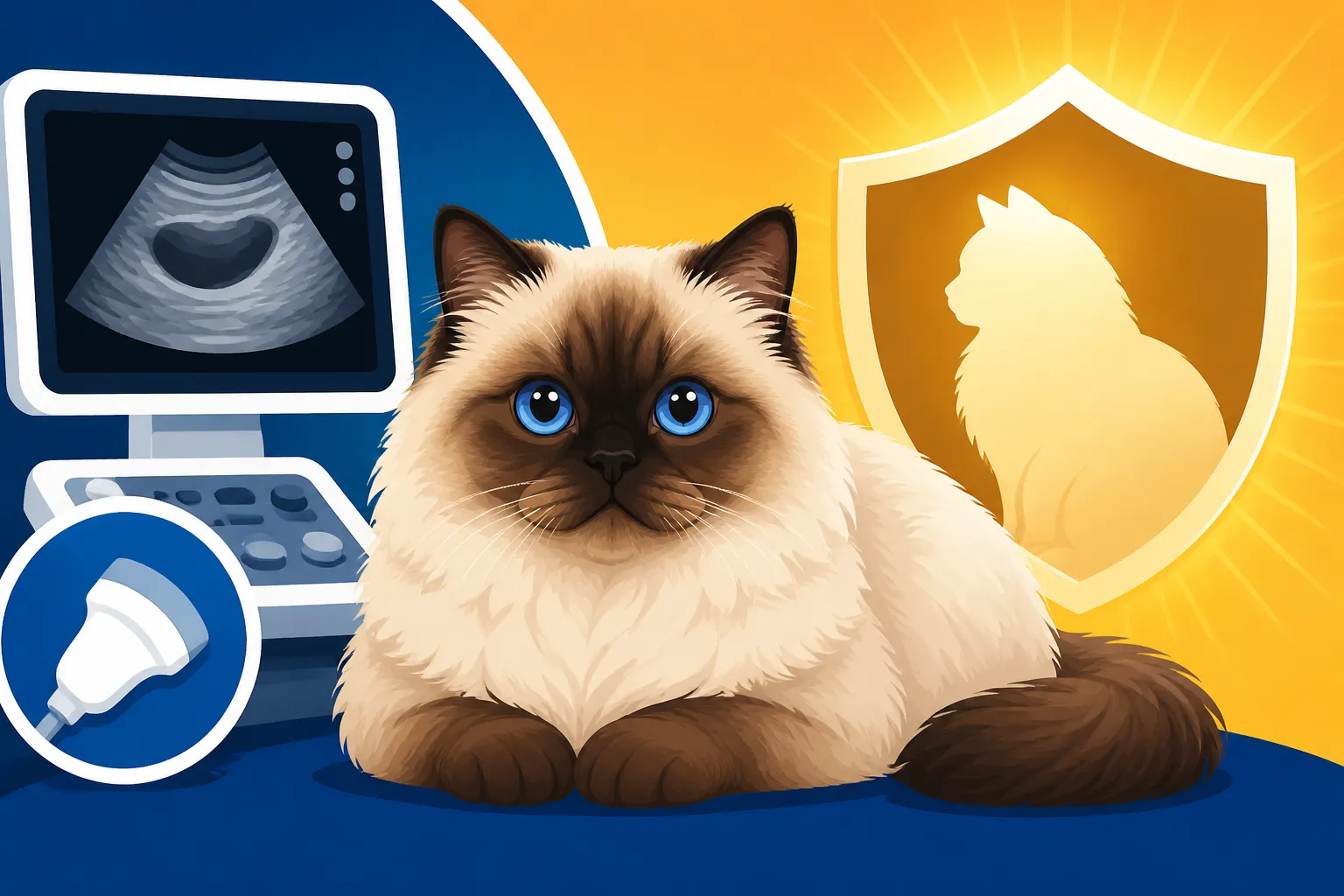
One of the most critical scans for a Himalayan kitten is the ultrasound for Polycystic Kidney Disease (PKD). While a genetic test can confirm the presence of the PKD gene, an ultrasound can actually visualize cysts on the kidneys. Breeders who are truly committed to the health of their lines will ensure that their breeding cats are scanned clear of cysts and ideally gene-tested clear as well. You should always ask for the PKD test results for the kitten's parents and understand How to Read a Himalayan's PKD Certificate.
The tricky part with PKD is that while the genetic test is definitive, the cysts themselves might not be visible on an ultrasound until the cat is a bit older. How Early Cysts Show on a Himalayan's Kidney Scan can vary, but often they become more discernible as the cat matures. This creates a potential overlap or gap between a breeder's guarantee timeframe and when cysts might undeniably show up. A guarantee that "outlasts" this first scan typically means the breeder stands by their kitten's PKD status even if cysts develop later, provided the parents were genetically clear and passed that on. However, if the parents weren't tested, or if the guarantee is very short, you might find yourself in a difficult position if cysts appear at two years old and the guarantee only lasted for one.
Cardiac and Other Scans
Beyond kidneys, some breeders might recommend or include initial cardiac scans, particularly if there's any history of heart issues like Hypertrophic Cardiomyopathy (HCM) in their lines, although HCM is less prevalent in Himalayans compared to some other breeds. While not as common for a kitten guarantee, it’s still something to be aware of. The idea is to catch any significant structural heart abnormalities early.
More generally, your vet will be looking for any signs of congenital issues during these early examinations. This could include things like a heart murmur, a hernia, or even issues related to their unique brachycephalic (flat-faced) structure, such as problems with their soft palate or nostrils. What a Doll Face Himalayan's Profile Measures or What a Peke Face Himalayan's Profile Measures can give your vet a good idea of their facial structure and potential airway concerns. These initial scans and comprehensive checks are your best defense in making sure your kitten has the healthiest start possible.
When the Guarantee Ends: Navigating the Fine Print
This is often where the rubber meets the road, or more accurately, where the legal jargon meets your cat-parenting hopes. Health guarantees are designed to protect both the buyer and the breeder, but they do have limitations. It's vital to understand these to avoid disappointment later.
Typical Exclusions and Limitations
Most guarantees have a clear expiration date, whether it's for the initial health check or the longer genetic guarantee. Once that date passes, the breeder is generally no longer financially responsible for any health issues that arise. This is why timing that first vet visit is so critical – missing that window can void your entire initial guarantee.
Furthermore, guarantees almost universally exclude conditions that are not genetic or congenital. This means if your Himalayan develops an illness due to an accident, poor nutrition, exposure to contagious diseases after leaving the breeder, or simply the natural aging process, the guarantee won't cover it. They also typically exclude conditions that are common to the breed but not considered genetic defects within the scope of the guarantee, such as tear staining or certain dental issues that come with the shortened jaw unless specified otherwise. Why a Himalayan Needs Dentals Earlier Than a Siamese because of its unique jaw structure.
The Grey Area: Conditions That Develop Later
This is the scenario that keeps many new owners up at night. What if a condition like PKD cysts becomes noticeable after the genetic health guarantee expires, but you suspect it was always lurking? This is precisely why reputable breeders emphasize the importance of parent testing. If the parents were both clear of the PKD gene, the likelihood of your kitten developing PKD is incredibly low, regardless of when cysts might become visible. However, if parent testing wasn't done or provided, and you face a diagnosis of PKD at age three, and your guarantee only covered the first year, you might find yourself without recourse from the breeder.
This emphasizes the responsibility of the buyer to do thorough research upfront. Ask for proof of genetic testing for both parents. Understand the specific diseases the guarantee covers, the duration, and the precise conditions under which it would be honored. Remember, the guarantee is a snapshot in time; it's not a lifelong health insurance policy. For long-term peace of mind, many owners opt for pet insurance from providers like Healthy Paws.
What Happens If an Issue Arises After the Guarantee?
Once your Himalayan's health guarantee has expired, any new health issues that arise become your responsibility as the owner. This is the reality of pet ownership. While a good breeder might still offer advice or support if you encounter a problem, they are not contractually obligated to provide financial assistance.
This is why ongoing preventative care is so vital. Regular vet check-ups, appropriate nutrition that caters to specific needs, and attentive daily care can help mitigate risks. Remember, a guarantee covers specific conditions for a specific time. It's not a substitute for comprehensive pet insurance or responsible long-term care, which should be budgeted for over The Nine to Fifteen Years a Himalayan Usually Gets.
Beyond the Initial Guarantee: Ongoing Health Management
So, your initial health guarantee has run its course, and you've navigated the crucial first scans. What now? The journey of caring for your Himalayan's health is a lifelong commitment, and proactive management is key to ensuring they live a happy, full life.
Lifelong Preventative Care
Even without a guarantee, consistent preventative care is your best friend. This includes annual veterinary check-ups (more frequently for seniors), regular vaccinations, parasite control, and dental care. For a Himalayan, dental care is particularly important due to their crowded jaws. How Crowded a Himalayan's Lower Jaw Gets can lead to early tooth decay and gum disease, making routine cleanings and even professional dental scaling under anesthesia a regular necessity as they age. Your vet will also track How a Himalayan's Kidney Numbers Are Tracked From Five and other blood values as they get older, especially important given the breed's predisposition to kidney issues.
Good nutrition also plays a massive role. Choosing a high-quality food appropriate for their life stage and activity level (which, for a generally sedate Himalayan, might mean careful portion control) is paramount. Many owners find success with specialized diets or fresh food options tailored to their cat's specific dietary needs. This proactive approach can prevent many common ailments and catch others early, often making them easier and less costly to treat.
The Role of Pet Insurance
Since a breeder's guarantee is finite, pet insurance becomes an invaluable tool for long-term financial protection. Policies from providers like Healthy Paws can cover a significant portion of unexpected veterinary costs, from accidents and illnesses to emergency surgeries and specialized treatments. It's important to understand what a policy covers and what it might exclude, especially concerning pre-existing conditions. For instance, Whether a Himalayan Policy Excludes the Flat Face is a common concern among owners of brachycephalic breeds, so always read the fine print.
The best time to get pet insurance is when your Himalayan is young and healthy, before any conditions have developed that could be considered pre-existing. This ensures the broadest possible coverage for future eventualities. While it's an ongoing monthly expense, it can provide immense peace of mind, knowing that you won't have to make difficult financial decisions if your beloved companion faces a serious health challenge years down the line.
Maintaining Communication with Your Breeder
Even after the formal guarantee period has ended, maintaining a good relationship with your breeder can be beneficial. Reputable breeders genuinely care about the cats they produce and often appreciate updates. They may be a valuable resource for advice, insights into their lines' health trends, or even just a sympathetic ear. While they won't be financially obligated, many will still offer guidance or share their experiences if a health issue arises. This ongoing connection is a testament to the fact that responsible breeding is about more than just a transaction; it's about a commitment to the welfare of the breed.
| Guarantee Type | Typical Duration | Common Coverage | Common Exclusions | Owner Action |
|---|---|---|---|---|
| Initial Health Check | 48-72 hours | Contagious illnesses, obvious congenital defects | Accidents, conditions discovered outside window | Immediate vet visit with documentation |
| Genetic Guarantee | 1-5 years (variable) | Inheritable diseases (e.g., PKD, PRA) | Non-genetic illnesses, accidents, age-related issues | Parent genetic test verification, follow vet advice |
| Pet Insurance | Ongoing (monthly paid) | Accidents, illnesses, many hereditary conditions | Pre-existing conditions, routine care (often extra) | Enroll early, understand policy details |
Ultimately, while a breeder's guarantee is an important safety net in the early stages, it's just one piece of the puzzle in ensuring your Himalayan's long-term health. Knowledge, preventative care, and sometimes, a good pet insurance policy, are the ongoing commitments that truly support your furry family member throughout their many years of blissful purrs.
Disclaimer
This article is for general informational purposes only and does not constitute professional advice. Laws, prices and regulations vary by location and change over time. Consult a qualified professional for guidance on your specific situation.