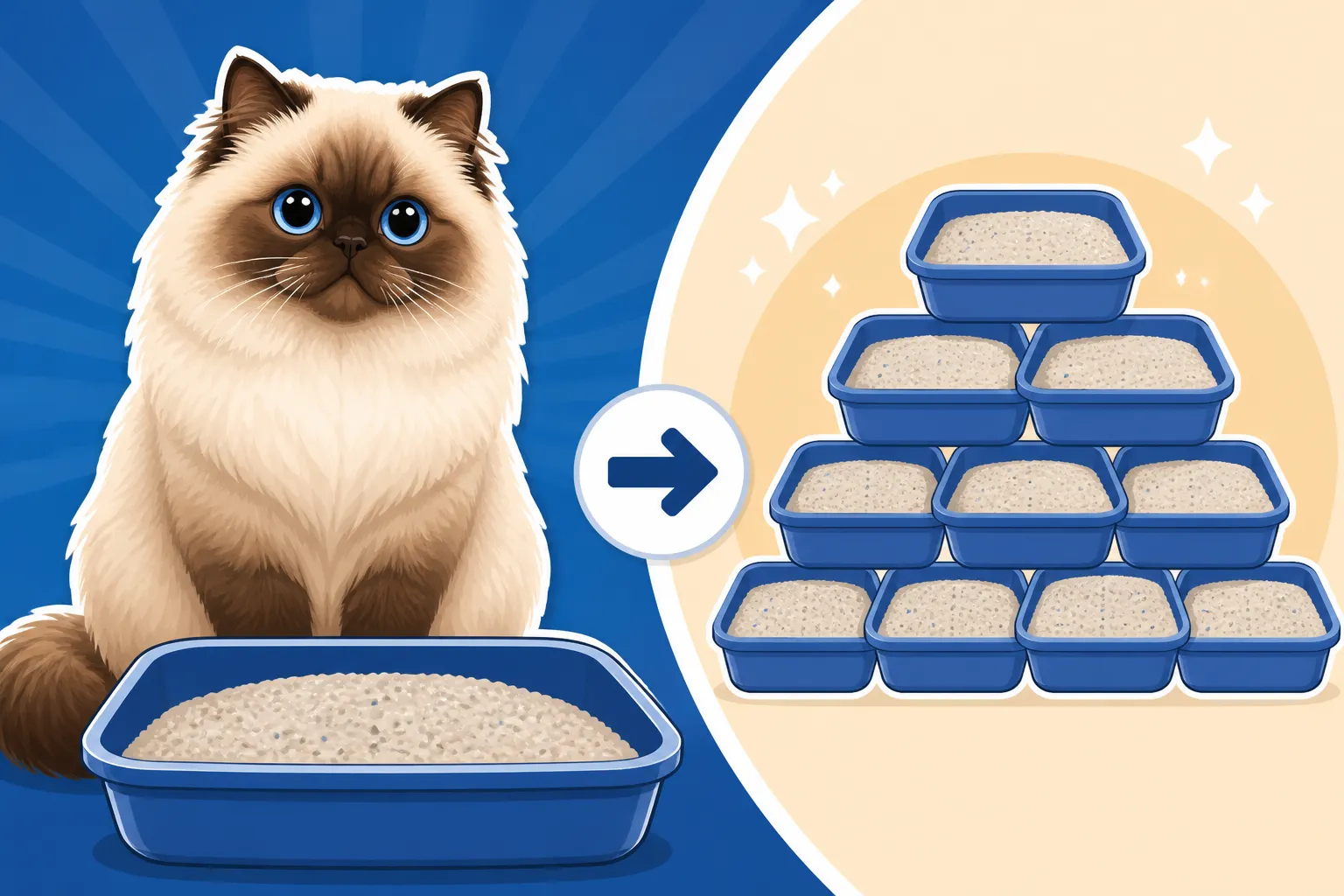
How Much Litter One Himalayan Gets Through
Ah, the daily dance with the litter box. If you’re a proud Himalayan parent, you know that keeping a clean, fresh environment for your majestic floof is a top priority, but it comes with its own set of very particular challenges. From tracking tiny granules across your floors to guessing just how quickly you’ll go through another bag of litter, the question of "how much litter does one Himalayan really get through?" is far from trivial. This guide is here to shed some light on those dusty corners, helping you understand the factors at play and offering practical advice to manage your Himalayan’s litter habits efficiently and hygienically.
Understanding the Himalayan's Unique Litter Needs
Himalayans are truly magnificent creatures, aren't they? That luxurious, flowing coat and cobby body shape make them undeniably beautiful, but these very traits also contribute to some distinct litter box considerations. It’s not just about what goes in the box, but what inevitably makes its way out on their glorious fur.
The Persian Coat and Litter Tracking
Let's be honest, the Himalayan's signature long, dense Persian coat is a double-edged sword when it comes to the litter box. While it's stunning to behold, it's also a magnet for litter. Those long guard hairs and thick undercoat are just perfectly designed to pick up granules and carry them far and wide. You scoop the box, you clean the area around it, and within minutes, there they are: tiny pieces of clay or silica gel scattered across your pristine floor. It's a never-ending battle, isn't it?
The problem isn't just aesthetic; it's also about hygiene and potential discomfort for your cat. Litter can get embedded deep in their britches, between their toe tufts, and even in the fur around their tail. This can lead to irritation, matting, and in some cases, even skin infections if the area remains damp or soiled. This is why regular grooming is non-negotiable for these beauties. Understanding How Litter Works Its Way Into a Himalayan's Coat is crucial for anticipating and mitigating these issues. Without careful attention, what starts as a few tracked granules can quickly become a much larger problem.
Litter Box Size and Accessibility for a Cobby Frame
Think about your Himalayan's build: they're cobby, meaning they have a stocky, heavy-boned body, and relatively short legs. They're not built for agility or leaping like some other breeds. This physical characteristic plays a significant role in their comfort and ability to use a standard litter box. A box with high sides, while great for containing litter spray from an energetic digger, can be a real struggle for a Himalayan to get in and out of gracefully.
Imagine having to hoist yourself over a wall every time you needed to use the restroom. That's what it can feel like for them. If a box is too difficult to access, your Himalayan might start looking for more convenient, less-strenuous alternatives, which we definitely don't want! Similarly, once they're inside, they need enough space to turn around comfortably, dig, and squat without feeling cramped. A small, enclosed box might deter them or make them feel vulnerable. Providing a box that's easy to enter and exit is key, especially as they get older. As discussed in Why a Short Legged Himalayan Needs a Low Sided Box, proper accessibility is more than just a convenience; it's a necessity for their well-being and consistent litter box usage.
Factors Influencing Litter Consumption for a Himalayan
The amount of litter you go through isn't just a random number on your monthly budget; it's influenced by several key factors related to your Himalayan's health, diet, and the products you choose. Being aware of these can help you optimize your usage and keep your home cleaner.
Litter Type and Absorbency
The type of litter you choose is probably the single biggest factor in how much you consume. Different litters behave very differently when it comes to absorbency, odor control, and clumping.
- Clay Litters (Clumping and Non-Clumping): Traditional clay litters are still popular. Clumping clay litters, when working effectively, allow you to scoop out only the soiled areas, leaving the rest of the litter clean. This theoretically means less frequent full litter changes. However, some clumping litters can be dusty, which isn't great for a Himalayan's respiratory system, especially given their brachycephalic (flat-faced) tendencies. Non-clumping clay absorbs urine but doesn't form solid clumps, meaning you end up needing to change the entire box more frequently, potentially increasing overall consumption.
- Silica Gel Litters: These often boast superior odor control and absorbency. They dehydrate waste, meaning you scoop solids and simply stir the litter to help it absorb more liquid. This can mean less frequent litter changes, but the upfront cost can be higher. They also tend to be lighter, which might make tracking more prevalent, but can be less irritating to paws.
- Natural Litters (Pine, Paper, Corn, Wheat): These options are often lauded for being more environmentally friendly and sometimes better for sensitive paws or respiratory systems. Pine and paper litters, for instance, tend to be less dusty. However, their absorbency and odor control can vary greatly. Some pine litters break down into sawdust when wet, which can still track. Others might not clump as tightly as clay, leading to more "crumbles" that are hard to scoop, thus increasing overall usage as you remove more clean litter with the soiled bits. Finding Which Litter Does Not Cling to a Himalayan's Britches is often a trial-and-error process with natural options.
The bottom line is that a highly absorbent, tightly clumping litter will generally lead to lower overall consumption because you're removing less clean product with each scoop.
Dietary Impact on Waste Output
What goes in definitely affects what comes out, and this has a direct impact on your litter consumption. A high-quality diet, rich in easily digestible protein and appropriate nutrients, typically results in smaller, firmer, and less odorous stools. Think about it: if your cat is efficiently absorbing nutrients, there's less waste for their body to expel.
Conversely, a diet filled with fillers, artificial ingredients, or low-quality proteins can lead to larger, softer, or more frequent stools, as well as more pungent urine. This means more frequent scooping, larger clumps, and a quicker need for full litter box changes, all contributing to higher litter usage. If you're feeding your Himalayan a premium diet, you might find that their waste output is surprisingly manageable. This isn't just about saving on litter; it's fundamentally about your cat's health. You can read more about the financial aspect in What Feeding a Himalayan Costs Every Month.
Hydration and Kidney Health
Himalayans, like all cats, need to stay well-hydrated. Proper hydration is essential for their overall health, particularly for their kidneys. While it might seem counterintuitive, a well-hydrated cat often has less concentrated urine, which can actually help with odor control in the litter box to some extent.
However, certain health conditions can significantly alter a cat's urination habits. Polycystic Kidney Disease (PKD), a condition that Himalayans are genetically predisposed to due to their Persian lineage, can lead to increased thirst and urination as the kidneys struggle to function effectively. If your Himalayan suddenly starts urinating more frequently or producing larger volumes of urine, it's a red flag that warrants a vet visit. This change will, of course, lead to a noticeable increase in litter consumption. Regular vet check-ups, where a vet might check for signs of kidney issues, especially before any procedures requiring anesthesia, as outlined in Why a Himalayan's Kidneys Are Checked Before Sedation, are vital for managing their long-term health and, indirectly, your litter budget. Staying on top of their health can prevent costly and stressful emergencies down the line.
Practical Strategies for Managing Himalayan Litter Usage
Managing your Himalayan’s litter box efficiently is about more than just scooping. It involves a holistic approach that considers their specific needs, your chosen products, and a consistent routine.
Choosing the Right Litter Box Setup
Finding the "perfect" litter box setup for a Himalayan is crucial. Given their cobby build and sometimes less-than-graceful movements, a standard high-sided box might not be their favorite.
- Size Matters: Opt for a larger litter box than you might think necessary. This provides ample space for them to move, dig, and cover their waste without feeling cramped. A good rule of thumb is 1.5 times the length of your cat from nose to base of tail.
- Accessibility: As mentioned, a low-entry point is incredibly helpful for a Himalayan. Many senior cats or those with joint issues will greatly appreciate a box with at least one side significantly lower than the others. Alternatively, you can purchase standard high-sided boxes and cut a section out of one side to create an easier entry point.
- Open vs. Covered: While covered boxes can help contain odor and tracking, they can also trap odors inside, making the environment unpleasant for your cat. An open box, especially a large one, allows for better air circulation. If you do opt for a covered box, ensure it's generously sized and has good ventilation.
- Placement is Key: Cats are particular about where they do their business. Place the litter box in a quiet, private, yet easily accessible area. Avoid high-traffic zones, loud appliances, or places where they might feel trapped. And remember, Why a Himalayan Will Not Cross the House to a Box means you might need more than one if your home is large or multi-level. A litter mat placed directly outside the box can also do wonders in trapping tracked litter granules before they spread.
Effective Litter Maintenance Routines
Consistency is your best friend when it comes to litter box hygiene and managing consumption.
- Daily Scooping (at least twice!): This is non-negotiable for a Himalayan. Scooping at least twice a day, ideally in the morning and evening, helps keep the box fresh, reduces odor, and prevents clumps from breaking apart and contaminating the clean litter. For an average adult Himalayan, daily waste production will quickly make a box unusable if not scooped diligently.
- Regular Full Litter Changes: Even with diligent scooping, the litter eventually breaks down and loses its effectiveness. For clumping litters, a full change is typically needed every 2-4 weeks. For non-clumping or less absorbent litters, it might be weekly. When performing a full change, completely empty the box, wash it with mild, unscented soap and water, rinse thoroughly, and dry it before refilling with fresh litter. This prevents the buildup of bacteria and lingering odors.
- Consider the Number of Boxes: The general rule of thumb is one litter box per cat, plus one extra. So, for a single Himalayan, you might want two boxes. This gives them options and helps distribute usage, potentially extending the life of the litter in each box and making them both seem fresher for longer.
Minimizing Tracking and Maximizing Cleanliness
The battle against tracked litter can feel endless, but there are strategies to minimize the mess and keep your home cleaner.
- Litter Mats: These are your first line of defense. Choose mats with deep grooves or mesh textures that can effectively trap litter from your Himalayan’s paws as they exit the box. There are many options available on platforms like Chewy designed specifically for this purpose. Look for larger mats that extend a good distance from the box.
- Trim Those Britches and Toe Tufts: This is where grooming directly impacts litter management. The long fur on a Himalayan's hindquarters (britches) and between their paw pads (toe tufts) is a prime culprit for collecting litter. Regularly trimming these areas can dramatically reduce tracking. If you’re unsure how to do this safely, ask your groomer or vet for a demonstration. It makes a huge difference to their hygiene and your floor!
- Vacuum/Sweep Regularly: Even with the best mats and grooming, some litter will escape. A quick daily sweep or vacuum around the litter box area will prevent it from spreading throughout your home.
- High-Quality Litter: Revisit the discussion on litter types. A heavy, fine-grained clumping litter might track less than a lightweight, dusty one. Experiment to find the best balance for your cat and your home. Some litters are specifically marketed as "low tracking."
Estimating Your Himalayan's Litter Consumption and Cost
Now for the burning question: how much litter does one Himalayan actually get through? It's not an exact science, but we can certainly get a realistic estimate to help you budget.
Typical Monthly Litter Consumption
For a single, healthy adult Himalayan using a good quality clumping clay litter and a diligent scooping schedule (twice daily, with a full change every 3 weeks), you can generally expect to go through one large bag or box of litter per month.
Let's break that down:
- A standard bag of clumping clay litter is often around 20-40 pounds (roughly 9-18 kg).
- When you fill a large litter box, it typically takes about 2-3 inches of litter, which for a substantial box, might be around 10-15 pounds.
- With daily scooping, you're removing soiled clumps. Over a week, this might amount to a few pounds of litter.
- After about 3 weeks, when you do a full change, you'll empty out the remaining litter (say, 5-10 pounds) and refill with another 10-15 pounds.
So, realistically, you're looking at approximately 20-40 pounds (9-18 kg) of litter per month per Himalayan. This figure can fluctuate based on:
- Litter type: Highly absorbent silica gel might last longer, while some natural litters might require more frequent top-ups or full changes.
- Number of boxes: If you have two boxes for one cat, the usage might be spread out, but your total monthly consumption will likely remain similar, as you're still cleaning the same amount of waste.
- Cat's size and health: A larger cat might produce more waste. A cat with certain health conditions (like PKD) will urinate more, increasing litter use.
- Scooping frequency: Less frequent scooping leads to saturated litter and the need for more frequent full changes, thereby increasing consumption.
Budgeting for Litter and Associated Products
Litter isn't the only expense when it comes to maintaining a clean litter box. You'll need to factor in a few other things:
- The Litter Itself: Prices for a 20-40 lb bag of litter can vary significantly. Basic clumping clay might be on the lower end, while premium odor-control or natural litters can be substantially more expensive. Always check current prices from various retailers like Chewy to find the best value for the specific type of litter you prefer.
- Litter Liners (Optional): Many owners use plastic liners to make full litter changes easier. These add a recurring cost. While convenient, some cats might dislike the feel or sound of liners, and they can sometimes snag on their claws.
- Scoopers: A sturdy metal scooper is a worthwhile investment. Plastic ones often bend or break over time, especially with heavy clumping litter.
- Litter Mats: While a one-time purchase, having a good quality mat or two will save you cleaning time and protect your floors.
- Waste Disposal Bags: For scooping, many people use small bags (like repurposed grocery bags or specific litter disposal bags) to contain the waste and odor before putting it in the main trash. This is a minor but ongoing expense.
- Cleaning Supplies: You'll need mild, cat-safe cleaners for regular washing of the litter box itself.
| Litter Type | Typical Monthly Usage (1 Himalayan) | Pros | Cons | Cost Implication |
|---|---|---|---|---|
| Clumping Clay | 20-30 lbs | Excellent clumping, good odor control | Can be dusty, heavy, tracks easily | Moderate |
| Silica Gel | 10-20 lbs | Superior odor control, long-lasting | Higher initial cost, can track, sharp feel | Moderate-High |
| Pine/Paper Pellets | 30-40 lbs (or more) | Biodegradable, less dust, lightweight | May not clump well, needs frequent changing, unique odor | Low-Moderate |
| Corn/Wheat | 25-35 lbs | Biodegradable, good clumping | Can be dusty, potential for mold, attracts pests | Moderate-High |
Remember, while the initial cost of a premium litter might be higher, if it performs better (clumps tighter, controls odor longer), you might actually use less of it over time, making it more cost-effective in the long run. Also, investing in your cat's health through quality food and vet care, potentially with pet insurance from Healthy Paws, can indirectly reduce litter usage by minimizing health issues that lead to increased waste. It's all about balancing quality, cost, and convenience for both you and your beloved Himalayan.
Disclaimer
This article is for general informational purposes only and does not constitute professional advice. Laws, prices and regulations vary by location and change over time. Consult a qualified professional for guidance on your specific situation.