Whether a Himalayan Policy Writes Out the Kidneys
One of the biggest worries for any Himalayan cat owner, especially those familiar with the breed's lineage, is the potential for inherited health issues. It's truly heartbreaking to consider your beloved feline companion facing a serious illness, and even more so to fret about the financial burden of treatment. Among the most common concerns for Himalayans are kidney conditions, which naturally leads many owners to ask: will my pet insurance policy actually cover my Himalayan if its kidneys become an issue? This comprehensive guide aims to unravel the complexities of pet insurance coverage for kidney health in Himalayans, helping you understand what to look for, what questions to ask, and how to best prepare.
Understanding Himalayan Kidney Health: A Genetic Predisposition
Let's be real, bringing a Himalayan into your home means you've also welcomed a cat with a well-documented genetic blueprint, thanks to its Persian ancestry. This isn't to scare you, but rather to empower you with knowledge, because understanding these predispositions is the first step in ensuring your cat's long-term health and making informed decisions about care and, yes, insurance.
Polycystic Kidney Disease PKD: The Elephant in the Room
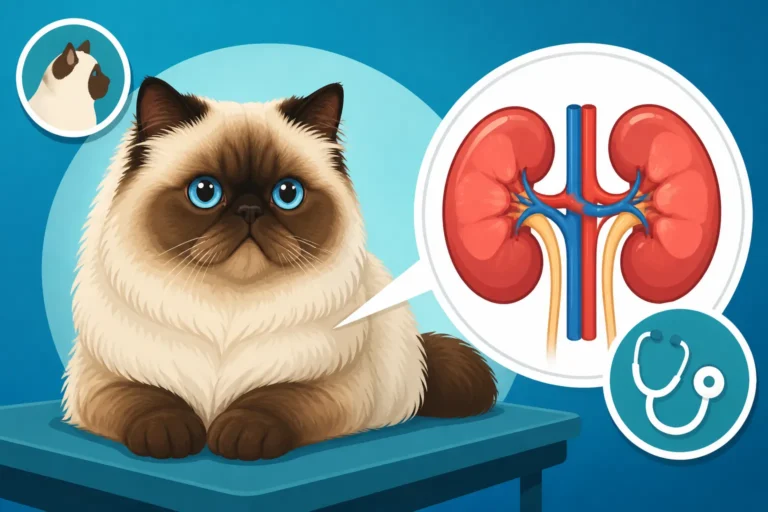
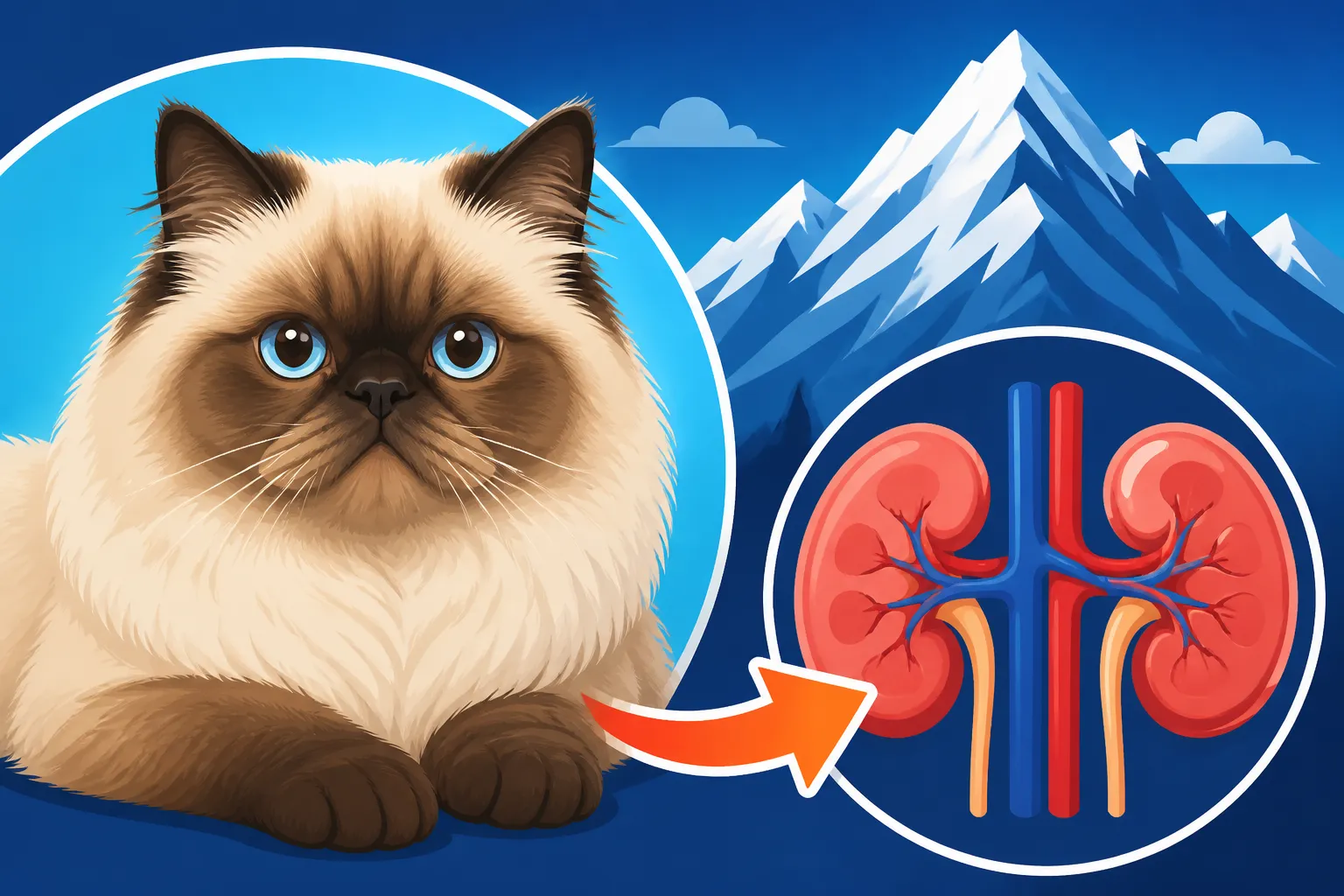
Polycystic Kidney Disease, or PKD, is truly the elephant in the room when we talk about Himalayan kidney health. This inherited condition causes multiple fluid-filled cysts to form in the kidneys. These cysts start small, often present from birth, and grow slowly over time, eventually compromising kidney function. It's a progressive disease, meaning it tends to worsen as your cat ages, and unfortunately, there's no cure. The severity can vary wildly, with some cats showing symptoms early in life, while others live many years before the disease significantly impacts them. This insidious nature makes it particularly worrying for owners, as you might not even know your cat has it until cysts are quite large or kidney function is already impaired. The good news is that thanks to advances in veterinary medicine and responsible breeding practices, PKD is now largely preventable if breeders test their cats. PKD1 Came Down the Persian Side of a Himalayan is a stark reminder of this genetic link.
The Importance of Pre-Screening and Testing
Given the prevalence of PKD in the Persian lines from which Himalayans descend, pre-screening and genetic testing are absolutely paramount. A reputable breeder will always, and I mean always, screen their breeding cats for PKD. This usually involves a simple DNA test, often a cheek swab, to determine if a cat carries the PKD1 gene. If both parents are clear, their kittens cannot inherit the disease. If you're acquiring a kitten, insist on seeing the parents' PKD test results. Don't be shy about it; it's your right as a prospective owner to ensure you're getting a healthy kitten. Beyond genetic testing, ultrasound scans can identify cysts in cats that are already older or whose genetic status is unknown. Knowing your cat's PKD status before you even think about insurance is critical, as it directly impacts whether any future kidney-related issues will be deemed a pre-existing condition. Responsible breeders understand this, and they will readily provide documentation. You should always ask about Which Two Certificates a Himalayan Breeder Owes You to ensure full transparency. Remember, What Testing a Himalayan for PKD and the Eyes Costs is a small price to pay for peace of mind compared to lifelong treatment.
How Pet Insurance Policies Generally Work with Pre-Existing Conditions
Understanding how pet insurance companies define and handle pre-existing conditions is probably the single most important piece of information you need when insuring a Himalayan. This isn't just jargon; it's the bedrock upon which coverage decisions are made, and it can be a source of immense frustration for many pet parents.
The Definition of a Pre-Existing Condition
In the world of pet insurance, a "pre-existing condition" generally refers to any illness or injury that your cat showed signs of, or was diagnosed with, before your insurance policy's effective date or during its waiting period. This is where it gets tricky because "signs of" can be quite broad. For kidney disease in Himalayans, this might mean a previous diagnosis of PKD, elevated kidney values on a blood test, or even symptoms like increased thirst or changes in urination patterns that were noted by a vet before you enrolled your cat. If your cat had any indication of kidney trouble, even if it wasn't a formal diagnosis of chronic kidney disease, an insurer might flag it as pre-existing. It's not just about a formal diagnosis; it's about anything documented in their veterinary history that points to the condition. This can feel unfair, especially when symptoms are subtle or intermittent, but it's a standard clause across most policies to prevent people from buying insurance only after their pet gets sick.
Waiting Periods and Wellness Plans
Beyond the pre-existing condition clause, nearly all pet insurance policies have what are called "waiting periods." These are specific durations, typically ranging from a few days for accidents to weeks or even months for illnesses, that must pass after you purchase your policy before certain conditions become eligible for coverage. For illnesses, especially chronic ones like kidney disease, waiting periods can be longer. If your Himalayan shows any signs of kidney issues, or receives a diagnosis, during this waiting period, it will almost certainly be considered pre-existing and excluded from coverage. This is why it's so crucial to get your pet insured when they are young and healthy.
It's also worth noting the distinction between standard accident/illness policies and "wellness plans." Wellness plans are typically add-ons or separate policies that cover routine and preventative care, such as annual exams, vaccinations, and sometimes even routine bloodwork. While these plans won't cover treatment for an existing kidney disease, they can be incredibly helpful in covering the costs of regular monitoring that might detect kidney issues early – before they become a pre-existing condition under an illness policy. For a Himalayan, routine checks that include kidney function are vital, especially as they age, as detailed in How a Himalayan's Kidney Numbers Are Tracked From Five.
Navigating Insurance for Himalayan Kidney Conditions
So, with all that in mind, how does one actually navigate the landscape of pet insurance when you have a Himalayan and the spectre of kidney disease? It requires diligence, careful questioning, and a clear understanding of what you're buying.
When Kidney Conditions are Covered
The good news is that kidney conditions can be covered by pet insurance. For coverage to kick in, the kidney issue must be a new condition, meaning it manifested and was diagnosed after your policy's waiting periods have passed and without any prior symptoms or diagnoses. For instance, if your healthy, PKD-negative Himalayan develops kidney failure at age 10 due to an acute injury, or if chronic kidney disease (CKD) suddenly develops without any previous indicators, your policy should, in most cases, provide coverage for diagnostics, treatment, and ongoing management, up to your policy's limits. This includes things like blood tests, ultrasounds, medications, and even specialized diets.
The key here is the timing and the lack of a pre-existing flag. This is why a clean bill of health from a young age, including documented PKD negative status, is so valuable. Even if your cat has the genetic predisposition for PKD, if they've been cleared by genetic testing and have no cysts showing on early scans, a policy started early could cover the onset of visible cysts or kidney decline later in life, assuming no prior clinical signs appeared before coverage started. This is the ideal scenario every Himalayan owner hopes for.
When Kidney Conditions are Excluded
Unfortunately, kidney conditions are most commonly excluded when they are deemed pre-existing. This is the scenario that causes the most heartache and financial strain for owners. If your Himalayan already has a diagnosis of Polycystic Kidney Disease (PKD) before you get insurance, or if your vet records show a history of elevated kidney values, increased thirst, or frequent urination prior to your policy's effective date and waiting periods, then any future treatment for those conditions will likely be excluded. This means you would be entirely responsible for the often substantial costs associated with managing a chronic kidney condition, which can include regular vet visits, specialized renal diets, medications, and fluid therapy. How Long a Himalayan Lives Once Its Kidneys Fail can be prolonged with dedicated care, but that care comes at a significant cost.
It's also important to be aware of breed-specific exclusions, though these are less common for kidney disease specifically than for, say, brachycephalic airway syndrome. However, some policies might have overall exclusions for inherited conditions if they are diagnosed early. Always read the fine print. Just as policies might exclude conditions related to a flat face, like Whether a Himalayan Policy Excludes the Flat Face, they might also have nuanced clauses around inherited diseases.
Questions to Ask Your Insurance Provider
When you're shopping for pet insurance for your Himalayan, you simply must ask direct, pointed questions. Don't assume anything. Get specific. Here's a table of crucial questions to pose to potential providers like Healthy Paws, Chewy, or others:
| Category | Specific Question to Ask | Why It Matters for Himalayans |
|---|---|---|
| Pre-Existing | "How do you define a pre-existing condition? Does this include conditions noted in medical records even without a formal diagnosis?" | Kidney disease often has subtle early signs. You need to know if vague vet notes (e.g., "drinking more water") could lead to exclusion. |
| Genetic Conditions | "Do you cover inherited or congenital conditions like Polycystic Kidney Disease (PKD) if diagnosed after enrollment and waiting periods?" | This is the core question for Himalayans. A clear 'yes' is vital, provided your cat has no prior signs. |
| Waiting Periods | "What are your waiting periods for illnesses, particularly for chronic conditions or organ diseases?" | A long waiting period means more time for a potential issue to surface before coverage begins, potentially classifying it as pre-existing. |
| Documentation | "What veterinary documentation do you require to prove a condition is not pre-existing, especially for inherited diseases?" | You need to know what proof of a clean bill of health (like PKD test results or early vet scans) they will accept to avoid future disputes. |
| Chronic Care | "Do you have annual limits or per-condition limits for chronic conditions like kidney disease, and do those reset?" | Kidney disease often requires lifelong management. You need to ensure long-term, ongoing care costs will be covered year after year, not just for a single incident. |
| Specialized Diets | "Are prescription diets prescribed for covered conditions, like renal diets, included in your coverage?" | Dietary management is a cornerstone of kidney disease treatment. Some policies cover this, others do not. |
| Breed Exclusions | "Are there any breed-specific exclusions for Himalayans, particularly related to genetic or hereditary conditions?" | While less common for kidneys, it's always worth confirming there are no blanket exclusions that could unexpectedly impact your cat. |
Be sure to get these answers in writing if possible, or at least clearly documented in your notes. The more informed you are, the better you can advocate for your Himalayan's health and financial well-being.
Proactive Steps for Himalayan Kidney Health and Insurance
Insuring your Himalayan is just one part of the puzzle. The best insurance policy in the world can't replace diligent care and proactive health management. For a breed with known predispositions like the Himalayan, taking charge of their health journey from day one is essential.
Choosing the Right Policy and Provider
Choosing the right pet insurance policy can feel like a minefield with all the different plans, deductibles, and reimbursement levels. For a Himalayan, it's not just about finding any policy, but finding one that truly understands and addresses breed-specific risks. Look for providers known for comprehensive coverage, rather than accident-only plans. Companies like Healthy Paws are often praised for their robust coverage for illnesses and genetic conditions, provided they aren't pre-existing. When comparing options from providers like Chewy's pet insurance offerings or other reputable companies, prioritize those that offer:
- High reimbursement rates: Aim for 80-90% to minimize out-of-pocket costs.
- Flexible deductibles: Choose one that fits your budget but also makes sense for frequent vet visits if needed.
- No per-incident or lifetime limits: You want coverage that lasts for chronic conditions, not one that caps out after a few treatments.
- Clear definitions of pre-existing conditions: This cannot be stressed enough. A clear, transparent definition is your best friend.
Don't be afraid to get multiple quotes and scrutinize each policy's terms and conditions. The cheapest policy upfront might end up being the most expensive in the long run if it doesn't cover what your Himalayan needs.
The Value of Early Detection and Management
Truly, early detection is your secret weapon against the progression of kidney disease in Himalayans. Regular veterinary check-ups are not just routine; they are critical diagnostic opportunities. Your vet can monitor kidney values through blood tests, like BUN and creatinine, and more sensitive indicators such as SDMA. Catching subtle changes early means you can start interventions sooner, potentially slowing the progression of the disease. This often involves dietary changes – a prescription renal diet specifically formulated to reduce the workload on the kidneys. Which Renal Diet a Cyst Positive Himalayan Ends Up On is a discussion you'll want to have with your vet if kidney issues are detected.
Beyond diet, ensuring your Himalayan has access to fresh water at all times is vital. Increased thirst can be an early sign of kidney issues, so paying attention to your cat's drinking habits, as explored in Why Extra Thirst in a Himalayan Points at Its Persian Half, is crucial. Early and consistent management can significantly improve your cat's quality of life and potentially extend their lifespan, even if the condition is not fully covered by insurance. Remember, preventing serious illness is always better than treating it.
Maintaining Comprehensive Records
Whether or not you have pet insurance, maintaining thorough veterinary records for your Himalayan is incredibly important. But with insurance, it becomes non-negotiable. Every vet visit, every diagnostic test, every symptom noted – it all goes into your cat's medical history. These records are what the insurance company will review when you file a claim. If there's a gap, or a discrepancy, it can lead to delays or even denial of coverage.
Make sure your breeder provides all relevant health certificates, especially for PKD, and keep them with your cat's vet records. When your Himalayan has its annual check-ups, ensure your vet documents everything, including observations about their drinking habits, urination, weight, and any potential signs that could relate to kidney function. If you switch vets, ensure all records are transferred promptly. Clear, consistent, and comprehensive documentation is your best defense against claims denials, proving that a condition was indeed new and not pre-existing when it arose. Even prior to sedation for any procedure, Why a Himalayan's Kidneys Are Checked Before Sedation due to these concerns, underscoring the importance of routine monitoring and documentation.
This article is for general informational purposes only and does not constitute professional advice. Laws, prices and regulations vary by location and change over time. Consult a qualified professional for guidance on your specific situation.