Whether the Siamese Half Left a Himalayan Any Retrieve
It’s a natural thing, isn't it? When you bring home a beautiful Himalayan, with those striking blue eyes and the quiet dignity, you can't help but wonder if they carry some of the famously energetic and vocal traits of their Siamese ancestors. Owners often ask me if their Himmy will play fetch, or "retrieve," like their Siamese cousins might. The truth is, while the Siamese half certainly left its mark, the Himalayan's play style is a delightful, yet often more subdued, experience. This guide will help you understand what to expect from your Himalayan when it comes to bringing toys back and how to best engage them in play that suits their unique blend of heritage.
The Genetic Blend: Siamese Playfulness Versus Persian Sedateness
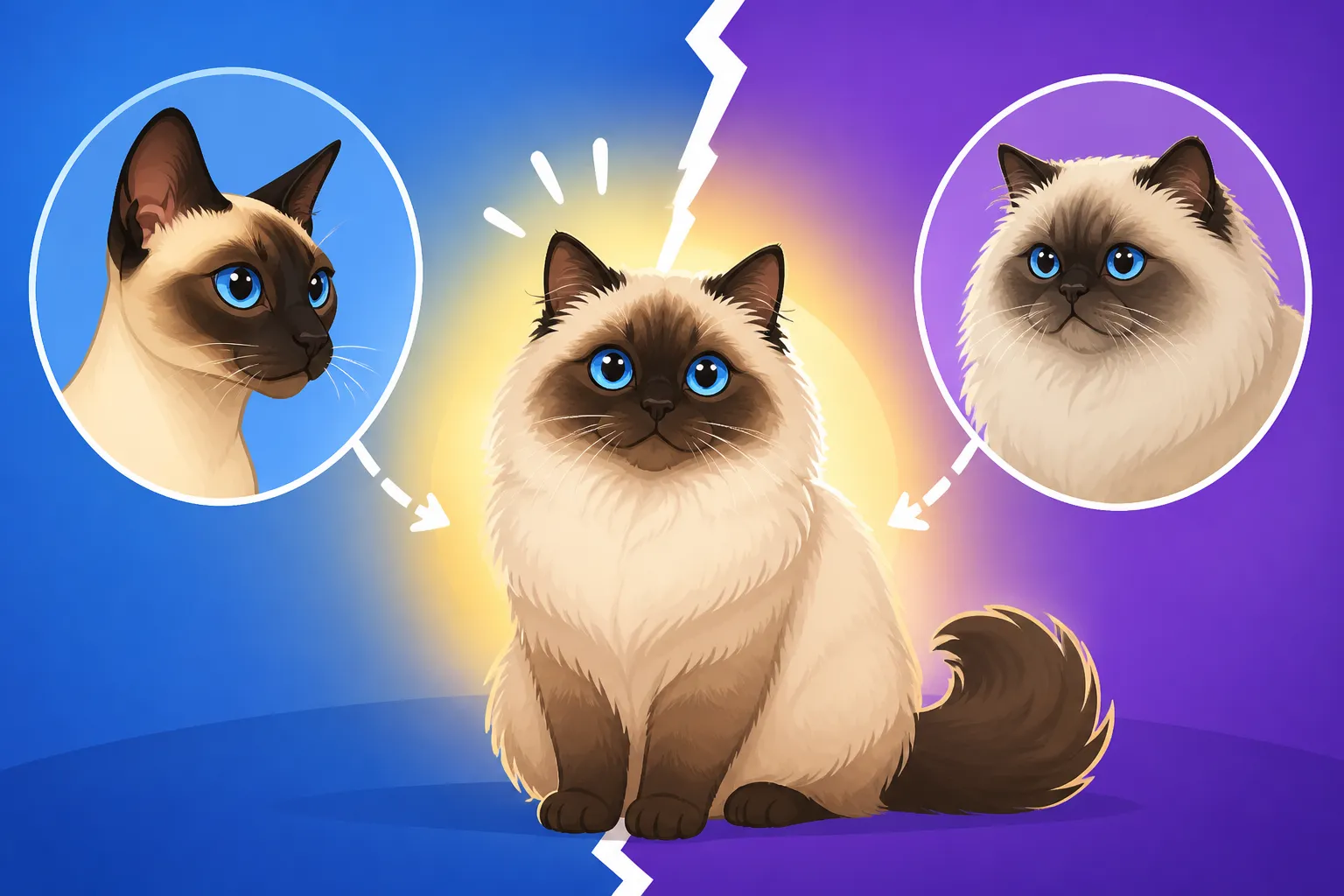
Understanding your Himalayan's play drive, especially whether they have any "retrieve" in them, really comes down to appreciating their unique genetic tapestry. They aren't just one breed; they're a carefully crafted combination, a living bridge between two very different feline worlds.
The Siamese Legacy: High Energy and Intellect
The Siamese cat, one of the Himalayan's foundational ancestors, is renowned for its vivacious personality, boundless energy, and sharp intellect. These cats are often described as dogs in a cat's body, eager to interact, vocal in their demands, and famously keen on games of fetch. They love to be the center of attention, engaging their humans with intricate play routines, and often forming deep, almost possessive, bonds. Their minds are constantly whirring, seeking out new challenges and interactions. It's this active, intelligent side that often makes owners hope for a retriever in their Himalayan. They don't just chase; they interact, they strategize, and they communicate. You can really see How Much Livelier the Siamese Half Made the Himalayan when you compare them to many other breeds.
The Persian Influence: Calm and Dignified
On the other side of the Himalayan's family tree, you have the Persian. Persians are the epitome of feline tranquility. They are known for their sweet, placid demeanor, preferring a quiet lap or a sunbeam to boisterous games. While they appreciate affection, their play is typically less intense, involving slow swatting at a feather toy or a gentle chase of a laser pointer from the comfort of their favorite cushion. They are observers more than participants in high-energy antics. Their joy often comes from serene companionship and a predictable, calm environment. This calm nature is a significant factor in why a Himalayan’s activity level often differs so much from what you might expect from a Siamese.
The Himalayan Compromise: A Unique Activity Level
The Himalayan, then, is a beautiful compromise. They inherit the striking point coloration and intelligent blue eyes from the Siamese, but much of their body type, luxurious long coat, and often their temperament, lean heavily towards the Persian side. This means that while they certainly possess an intelligence and capacity for interaction that might remind you of a Siamese, their energy levels are generally lower. They are active, but not relentlessly so. A Himalayan might engage in enthusiastic bursts of play, but these sessions are usually shorter, and they tire more easily, especially due to their brachycephalic (flat) faces which can make breathing harder during exertion. You'll often find that Why a Himalayan Plays Longer Than a Persian and Less Than a Siamese neatly sums up their unique energy balance. They enjoy interaction, but they're also perfectly content to supervise from a distance, perhaps from their favorite "throne" on the sofa.
What "Retrieve" Means for a Himalayan
When we talk about "retrieve" in cats, especially Himalayans, it’s important to adjust our expectations from what we might associate with a dog playing fetch. It's a different game entirely, often on their terms.
Defining Retrieve in Cat Terms
For a cat, "retrieve" rarely means bringing the toy directly back to your hand, dropping it, and waiting for you to throw it again. That's a very dog-centric concept. In the feline world, retrieve is more of an interaction with the toy and you. It might involve chasing a toy, batting it around for a moment, and then perhaps bringing it back near you, or even just leaving it in a spot where you can easily reach it for the next "throw." It's their way of saying, "Okay, that was fun, now your turn to get it for me!" Some Himalayans might pick up a toy and walk with it in their mouth, making soft little chirping noises, but then drop it a few feet away. This is still a form of engagement, a communication of play, even if it's not a perfect "drop at my feet" scenario.
Brief Bursts of Chase, Not Sustained Play
Due to their Persian build, which includes a cobby body, shorter legs, and often a somewhat flattened face, Himalayans aren't built for long, sustained periods of high-intensity running and jumping. Their play often consists of brief, explosive bursts of activity followed by periods of rest. They might launch themselves after a thrown toy with surprising speed, pounce on it, perhaps give it a good bunny-kick, and then carry it a short distance before settling down. This means that if your Himalayan does have a retrieving instinct, it's likely to manifest in short, sweet sessions rather than a marathon of back-and-forth action. You'll quickly learn When to End a Himalayan's Play Session to keep them happy and comfortable. Watch for signs of heavy breathing or them simply wandering away, as these are clear indicators that it's time for a break.
The "Bring It Back to My Chair" Phenomenon
A common observation among Himalayan owners is what I affectionately call the "bring it back to my chair" phenomenon. Your Himmy might chase a toy you toss, catch it, and then instead of bringing it to you, they bring it back to their favorite spot – be it a specific chair, a cat tree, or a cozy bed. It's as if they're declaring, "This is my toy now, and I'll enjoy it over here." Or perhaps they're subtly inviting you to join their game in their territory. It’s a very Himalayan way of playing, mixing their inherent Persian desire for comfort with the Siamese spark for interaction. This behavior is less about a direct retrieve and more about independent play that involves the toy being relocated to a personal sanctuary. It’s charming, if a little frustrating for the human who was hoping for a game of proper fetch!
Encouraging Play and Interaction
Even if your Himalayan isn't a natural retriever, you can absolutely encourage their playful side and foster interaction in ways that suit their temperament and physical capabilities. It's all about finding what they enjoy.
Wand Toys and Laser Pointers: The Go-To for Energy Release
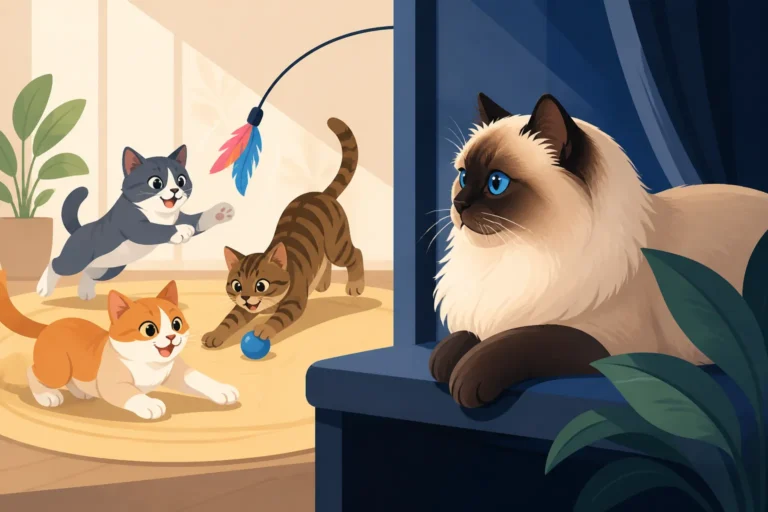
Wand toys are, without a doubt, a Himalayan's best friend when it comes to active play. These toys allow you to engage them in chasing and pouncing without requiring them to run great distances or exert themselves excessively. The feather on a string, or a crinkly ball attached to a wand, mimics prey movement, triggering their natural hunting instincts. You can drag it slowly, make it dart and hide, or let it "fly" across the floor, providing mental and physical stimulation. Just be sure to let them "catch" the toy occasionally to prevent frustration. Laser pointers are also fantastic for getting them moving, but always end a laser session by letting them pounce on a real, tangible toy to give them the satisfaction of a "kill." Many pet owners find a great selection of these on Amazon, often in multi-packs, making it easy to keep a fresh rotation going.
Interactive Toys: Engagement Without the Marathon
Beyond wands, interactive toys can provide ongoing enrichment for your Himalayan. Puzzle feeders, for example, challenge their minds and engage their problem-solving skills, dispensing treats as a reward. This satisfies their intellectual side, inherited from the Siamese, without demanding high-energy physical exertion. Rolling balls with bells inside, crinkle balls, or soft plush toys infused with catnip can also spark their interest for short bursts of independent play. Remember, a Himalayan's play is often about quality over quantity, and engaging their mind is just as important as engaging their body. When you think about Which Toys Get a Himalayan Off the Sofa, you'll find that anything stimulating but not overly strenuous is usually a hit.
Positive Reinforcement for Play
Encouraging any form of play, including nascent retrieving behaviors, should always be a positive experience. When your Himalayan shows any interest in a toy, even if it's just a gentle paw swat or a soft chirp, reward them with praise, a gentle head scratch, or a small treat. If they do pick up a toy and carry it anywhere near you, celebrate that moment! Over time, they might start to associate bringing the toy closer to you with positive attention. Never force play or scold them if they don't perform a perfect retrieve. The goal is to build a bond through enjoyable interaction, not to train them into something they're not naturally inclined to do. Remember, a happy Himmy is a cat that feels loved and understood, regardless of their retrieving prowess.
Managing Expectations and Embracing Himalayan Traits
It's truly liberating to let go of specific expectations about what your cat "should" do and instead embrace the beautiful, unique individual they are. This is especially true for Himalayans and the game of fetch.
Accepting the Himalayan's Pace
Your Himalayan isn't going to be the feline equivalent of a Border Collie, eagerly awaiting the next throw. They operate on their own charming timetable, often choosing to observe rather than actively participate in every game. This isn't laziness; it's simply their nature. They have a more relaxed, gentle disposition that leans heavily into their Persian heritage. They might prefer to bat a toy from their comfortable perch, or engage in a slow-motion stalk that ends with a dramatic pounce, rather than a full-speed chase across the room. Learning to appreciate and anticipate their slower, more deliberate pace will lead to a much happier experience for both of you. You might even find that a relaxed game of "peek-a-boo" from behind a cushion is their absolute favorite.
Why Sustained Retrieve Isn't Their Forte
There are several reasons why sustained retrieve isn't typically a Himalayan's strong suit. Firstly, their physical build – the cobby body, shorter legs, and dense coat – makes prolonged, high-speed activity challenging. They can overheat easily, and their brachycephalic features can make breathing difficult during strenuous exercise. Secondly, their inherited Persian temperament often means a preference for calm and dignity over boisterous antics. They're more inclined to be a majestic presence in your home than a whirlwind of activity. And finally, the very nature of feline play is often about the hunt and the capture, not the return. Cats are hunters; once they "capture" their prey (the toy), the game, in their mind, is often over, or it transitions into a period of independent batting and chewing. They might look at you as if to say, "I got it! Now what are you going to do?" It’s a subtle dance of Why a Himalayan Watches a Toy Rather Than Chase It.
Finding Joy in Their Unique Play
Instead of focusing on what your Himalayan doesn't do, celebrate the wonderful ways they do interact. Perhaps they love batting at a fishing-pole toy while you sit on the sofa, or they enjoy a slow, deliberate stalking game with a feather duster. Maybe their "retrieve" is simply carrying a toy from one room to another, a quiet, personal parade of their treasures. Many Himalayans have a lovely, soft voice, and they might "chirp" or "trill" when they're happy or want your attention, which is a charming legacy from their Siamese side. Remember, What a Himalayan Is Saying When It Chirps is often an invitation to interact, even if it's not for a game of fetch. Embracing these unique behaviors will deepen your bond and ensure your Himmy feels understood and cherished for who they are.
Tools and Toys for a Himalayan's Playstyle
Choosing the right tools and toys can make all the difference in engaging your Himalayan and supporting their unique play style. It's about safety, comfort, and sparking their natural curiosity without overexertion.
Choosing Cat-Safe Toys
When selecting toys for your Himalayan, prioritize safety above all else. Avoid anything with small parts that can be chewed off and swallowed, or anything with sharp edges. Soft, durable materials are usually best. Think about the size and weight too; a heavy, large toy might be difficult for a smaller Himalayan to bat around or carry. Look for toys that are easy to clean, as their long coat can sometimes pick up bits from toys. Items like crinkle balls, soft fabric mice, or small, light plastic springs are often big hits. You can often find great value packs of these types of toys on sites like Amazon.
Feather Wands and Soft Balls
Feather wands remain a top choice for Himalayans because they allow for interactive play that can be controlled by you. You can adjust the intensity and duration of the play session, ensuring your Himmy doesn't get too winded. The fluttering feathers mimic birds, tapping into their instinctual prey drive. Soft, lightweight balls, especially those that crinkle or have a bell inside, are also excellent. They are easy for a Himalayan to bat with their paws, chase for short distances, and even carry in their mouths if they are inclined to do a little "soft retrieve." These toys encourage bursts of activity without requiring intense cardiovascular exertion. Keep a variety on hand to prevent boredom and see what truly captures your cat's attention.
Comfortable Play Spaces
Beyond the toys themselves, consider the environment where your Himalayan plays. They are creatures of comfort, and their play often happens near their favorite resting spots. Ensure they have clear, uncluttered spaces where they can bat at toys without bumping into furniture or getting tangled in rugs. A low-sided cat tree or sturdy scratching post can also provide vertical enrichment and a place to stretch and observe, even if they don't climb to great heights. Since Himalayans can overheat, especially during playful moments, make sure their play area isn't in direct, hot sunlight and that they always have access to fresh water nearby. Creating a safe, comfortable, and stimulating environment tailored to their needs will make play much more enjoyable for your serene companion.
| Play Style Trait | Siamese | Persian | Himalayan (The Blend) |
|---|---|---|---|
| Energy Level | High, boisterous, constant | Low, placid, sedate | Moderate, bursts of activity, then rest |
| Vocalization | Very vocal, loud meows, demanding | Quiet, soft purrs, rare meows | Moderate, chirps, trills, conversational |
| Retrieve Instinct | High, often sustained fetch | Very low, prefers independent play | Low to moderate, short bursts, "bring to chair" |
| Preferred Play | Interactive chase, puzzle solving | Gentle swatting, observation | Wand toys, laser (short sessions), puzzle feeders |
| Tolerance for Exertion | High, agile, lean | Low, prefers stillness | Moderate, prone to overheating due to flat face |
| Social Play | Highly engaged, seeks interaction | Independent, prefers own space | Enjoys interaction on own terms, observant |
Disclaimer
This article is for general informational purposes only and does not constitute professional advice. Laws, prices and regulations vary by location and change over time. Consult a qualified professional for guidance on your specific situation.