Whether a Himalayan Prefers a Cat It Can Keep Up With
It's a common dilemma for us Himalayan cat parents: we adore our fluffy, often serene companions, and we want them to be happy. But then we start to wonder if they're lonely, if they need a playmate. The big question then becomes, can our calm, often sedentary Himalayan truly "keep up" with another cat, or do they thrive best with a companion whose energy level is just as mellow? This guide is all about navigating that very real concern, helping you understand your Himalayan's unique social needs, and figuring out what kind of feline friend would genuinely enrich their life without causing undue stress.
Understanding the Himalayan's Unique Pace of Life
When you look at a Himalayan, with that magnificent coat and often unbothered expression, it's easy to assume they're just a fluffy sofa ornament. And while they certainly excel at napping in sunbeams, there's more to their activity level than meets the eye. However, their physical build does place some very real limits on how much, and how vigorously, they can engage in play, which is a crucial consideration when thinking about a companion.
More Than Just a Pretty Face: Activity Levels
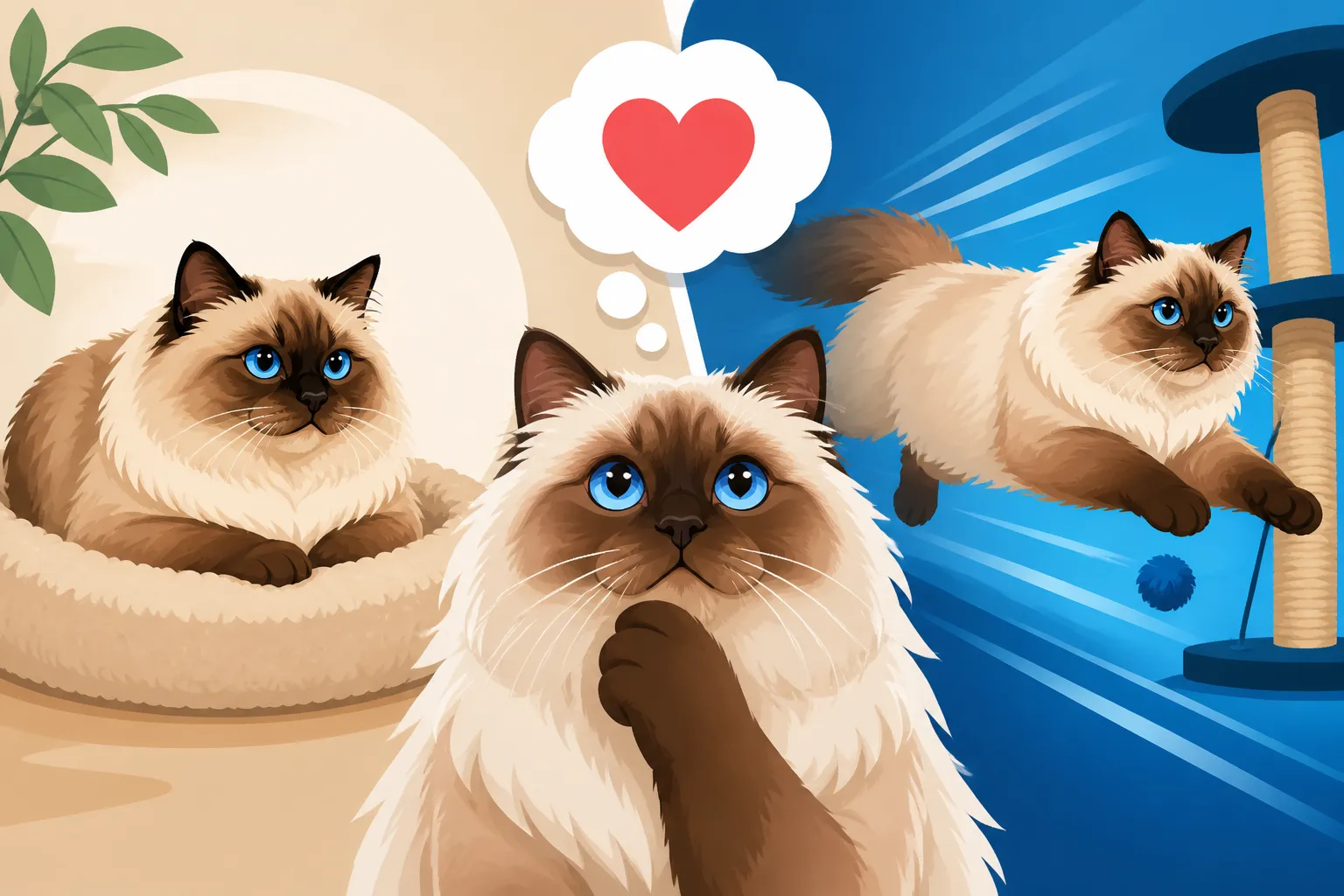
Let's be honest, our Himalayans aren't exactly scaling curtains or chasing laser pointers for hours on end. They possess a certain regal calm, a dignified approach to daily life that often involves a lot of napping and quiet observation. But it would be a mistake to call them entirely inactive. Himalayans do have their playful moments, often characterized by short bursts of enthusiastic chasing or batting at a toy. These aren't sustained, high-octane play sessions, but rather brief displays of kittenish energy, followed by a quick retreat to a favorite napping spot.
They might surprise you with a sudden sprint across the living room or an unexpected pounce on a dangling feather, but these moments are typically fleeting. Unlike some of their more athletic cousins, they're not built for endurance. They tend to conserve energy, preferring to watch the world go by from a comfortable perch – usually the sofa or a low cat tree. If you're wondering how much of the day they're actually awake and active, it's often less than you'd think, broken up by long, luxurious naps. How Many Hours a Day a Himalayan Is Actually Awake might shed more light on this. It's also important to remember that while they appear calm, they can be livelier than expected, often in short bursts. You might be surprised to learn Why a Himalayan Is Livelier Than People Expect.
The "Keeping Up" Challenge: Physical Realities
The charming, cobby body and those adorable short legs that give Himalayans their distinctive look also influence their physical capabilities significantly. They aren't designed for sustained agility or speed. Imagine trying to run a marathon in a heavy winter coat – that's a bit like what a long-haired, brachycephalic cat experiences with extended physical exertion. Their flatter faces, while endearing, mean they don't have the same efficient breathing apparatus as longer-nosed breeds. This can make them prone to overheating, especially during vigorous play. If you've ever watched your Himalayan pant after just a few minutes of chasing a toy, you know exactly what I mean.
This physical reality means that "keeping up" with a highly energetic cat is often simply not possible for a Himalayan. They'll quickly tire, potentially overheat, and then likely retreat. This isn't about laziness; it's about physical limitations. They'll often give way to a faster, more athletic cat, choosing discretion over competition. It’s important to understand Why a Himalayan Gives Way to a Faster Cat. This inherent limitation is a key factor in choosing a compatible companion, as a high-energy playmate could inadvertently cause stress or even health issues if the Himalayan feels pressured to participate beyond its comfortable limits.
Identifying the Ideal Feline Companion for a Himalayan
The quest for a perfect companion for your Himalayan really boils down to finding a cat that complements, rather than clashes with, their unique personality and physical makeup. You're looking for a friend, not a rival in a wrestling match.
Temperament Matching: Seeking a Kindred Spirit
The most crucial factor in choosing a companion for your Himalayan is temperament. You want a cat that mirrors your Himalayan's calm, gentle nature. Think of breeds known for being laid-back, affectionate, and not overly boisterous. An older rescue cat with a known history of being mellow, or another Himalayan, could be an excellent choice. Breeds like Ragdolls or even another Persian (without the point gene, of course!) often share a similar, relaxed disposition. These cats are more likely to enjoy quiet companionship, shared naps, and gentle, low-key play rather than intense chases or roughhousing.
A truly compatible companion will respect your Himalayan's need for personal space and quiet time. They won't constantly demand attention or try to instigate boisterous play that your Himalayan can't sustain. Instead, they might curl up nearby, groom each other gently, or simply enjoy each other's presence. Which Cats Move Slowly Enough for a Himalayan are often the ones that will truly fit into your existing cat's quiet routine. It’s about creating a harmonious environment where both cats feel secure and content, rather than constantly on guard or overwhelmed.
Physical Compatibility: Sharing Spaces and Play
Beyond temperament, consider the physical attributes of a potential companion. A cat of similar size and build is often a good match, as it reduces the chances of one cat accidentally overwhelming the other during play. However, size is less critical than temperament here; a smaller, gentle cat is often preferable to a larger, rambunctious one.
Himalayans aren't known for their vertical athleticism. They prefer to stay on the floor or the lower levels of cat furniture. This means that a companion who also enjoys ground-level living or respects the Himalayan's preference for lower perches will create a more peaceful shared environment. Investing in wide, sturdy cat trees with accessible ramps or low platforms, easily found on Amazon, can be very beneficial. For example, Why a Himalayan's Cat Tree Should Be Waist High at Most highlights their preference for lower heights, and Why a Cobby Himalayan Needs Wide Platforms, Not Tall Ones reinforces the need for accessible and comfortable lounging spots. A companion who also appreciates these types of arrangements will foster a sense of shared comfort rather than creating competition for desirable high spots.
Introducing and Integrating a New Cat into a Himalayan's Home
Bringing a new cat into any household, let alone one with a resident Himalayan, requires patience and a methodical approach. Rushing the introduction process can lead to stress, fear, and long-term animosity between the cats. The key is to go slow, respect boundaries, and allow them to adjust at their own pace.
The Slow and Steady Approach: First Impressions
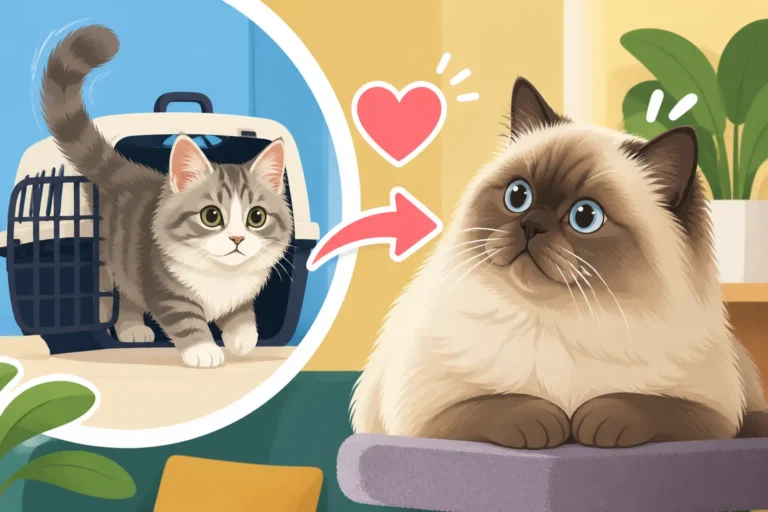
The absolute best way to introduce a new feline friend to your Himalayan is to take it incredibly slowly, often over several weeks. Your goal isn't instant friendship, but rather peaceful coexistence. Start with scent swapping: let the new cat explore a room, then take a blanket or toy with its scent and place it in your Himalayan's favorite spot, and vice-versa. This allows them to get used to each other's scent without direct contact. You can even use a Feliway diffuser, easily available on Amazon, to help create a calmer atmosphere during this initial period.
Next, move to visual introductions through a baby gate or screen door, allowing them to see each other from a safe distance without direct interaction. Keep these sessions short and positive, associating them with treats or gentle praise. Supervised, short interactions in the same room can follow, always with an escape route for both cats and never forcing interaction. Remember, your Himalayan is likely to be quite sensitive to change, so a calm and gradual approach is paramount. For more detailed guidance, consider reading Bringing a Second Cat Home to a Himalayan.
Coexisting in Comfort: Managing Shared Resources
Once your cats are past the initial introduction phase and seem to tolerate each other, managing shared resources effectively becomes the next big step. This means ensuring there are enough food bowls, water stations, and litter boxes for both cats, plus one extra of each. The general rule of thumb is one per cat, plus one spare. This prevents competition and stress, especially for a quieter cat like a Himalayan who might just retreat if another cat challenges their access.
Provide plenty of accessible resting spots. Himalayans love comfort, so having multiple cozy beds, perhaps a plush donut bed from Amazon, or soft blankets in various low-traffic areas of the house gives each cat options for relaxation and privacy. Pay attention to how they interact around these resources. If they both gravitate towards the warmest spot, you might find them sharing it peacefully, or gently negotiating. Understanding How Two Himalayans Divide the Warm Spots can offer insights into their shared dynamics. Offering gentle toys, like feather wands or soft plushies, can encourage shared, low-key play without overstimulating your Himalayan.
The Benefits (and Challenges) of Multi-Cat Himalayan Households
Deciding to bring a second cat into your home is a big step, and for a Himalayan, it comes with a unique set of potential benefits and challenges that you need to be prepared for. The right match can truly enhance their life, but a mismatch can be stressful for everyone involved.
The Joys of Companionship: Why Two Can Be Better
When you find the right companion for your Himalayan, the benefits can be wonderful. Many Himalayans, despite their independent reputation, do enjoy the subtle companionship of another feline. They might not engage in boisterous play, but they often appreciate shared naps, mutual grooming sessions, or simply knowing another warm body is nearby. For Himalayans whose owners work long hours, a compatible companion can help alleviate loneliness, offering a quiet presence when you're not around.
You might observe them gently 'play' by swatting at each other's tails during a nap, or engaging in slow-motion stalk-and-pounce games that don't involve much running. This kind of low-energy interaction is perfectly suited to a Himalayan's physical capabilities. They might sit in the same window, observing the world together, or find comfort in each other's warmth. While a Himalayan isn't typically a cat that requires another cat to be truly happy, the right companion can certainly add a layer of contentment to their already serene lives. Whether a Himalayan Plays With Another Cat might highlight that their play often looks different from other breeds.
Navigating Potential Pitfalls: When Mismatches Occur
Despite our best intentions, sometimes a match just isn't quite right. The biggest challenge arises when the companion cat is too energetic, too dominant, or too demanding for your Himalayan's laid-back nature. An overly playful cat might constantly try to instigate games that your Himalayan can't or doesn't want to participate in, leading to frustration for both animals.
A Himalayan's typical response to stress or being overwhelmed isn't usually aggression; it's retreat. They'll often hide, spend more time alone, or even stop using certain areas of the house. Signs of stress can be subtle: a change in appetite, increased grooming, or even just spending all day in one chair, refusing to engage. This tendency to withdraw rather than confront means you need to be extra vigilant in observing their interactions. If your Himalayan is constantly retreating to their safe space, like a cozy hideaway available on Amazon, or seems perpetually stressed, it's a clear sign the dynamic isn't working.
It's crucial to remember that a Himalayan, being a cat that often prefers quiet and routine, might not need a companion in the same way a more social, high-energy breed might. While a companion can be lovely, sometimes the best thing for your Himalayan is simply ample human interaction, a predictable routine, and plenty of comfortable, low-stress environments. After all, How Little a Himalayan Asks For in a Day often boils down to comfort, quiet, and your presence. If a companion leads to chronic stress, it's worth re-evaluating if the arrangement truly serves your beloved cat's best interests.
| Companion Cat Characteristic | Himalayan Compatibility | Rationale |
|---|---|---|
| Energy Level | Low to Moderate | High-energy cats can overwhelm or overexert a Himalayan. |
| Play Style | Gentle, Observational | Prefers gentle batting or watching; avoids roughhousing and long chases. |
| Vocalization | Quiet, Mellow | Himalayans have a quieter version of the Siamese voice; prefer a calm environment. |
| Dominance | Submissive, Equal | Himalayans tend to retreat from conflict; a dominant cat can cause stress. |
| Physical Build | Cobby, Average-Sized | Large, very athletic cats may inadvertently injure or intimidate during play. |
| Social Needs | Affectionate but Independent | Enjoys companionship but also values personal space and quiet time. |
Disclaimer
This article is for general informational purposes only and does not constitute professional advice. Laws, prices and regulations vary by location and change over time. Consult a qualified professional for guidance on your specific situation.