Whether a Himalayan’s Points Fade in Summer
The sweltering heat of summer can bring a lot of changes, and for us Himalayan cat parents, one of the most noticeable (and often fretted over) is the subtle shift in our beloved feline's iconic point colors. It's not just your imagination; many Himalayan owners report their cat's beautiful, deep points appearing lighter during the warmer months. This comprehensive guide will delve into why this happens, what to expect, and how to best support your Himalayan's magnificent coat year-round.
The Science Behind Himalayan Point Color
Understanding why your Himalayan's coat color can fluctuate with the seasons starts with a little dive into genetics. It's truly fascinating, and once you grasp the underlying mechanism, those subtle changes make perfect sense.
The Temperature-Sensitive Gene in Action
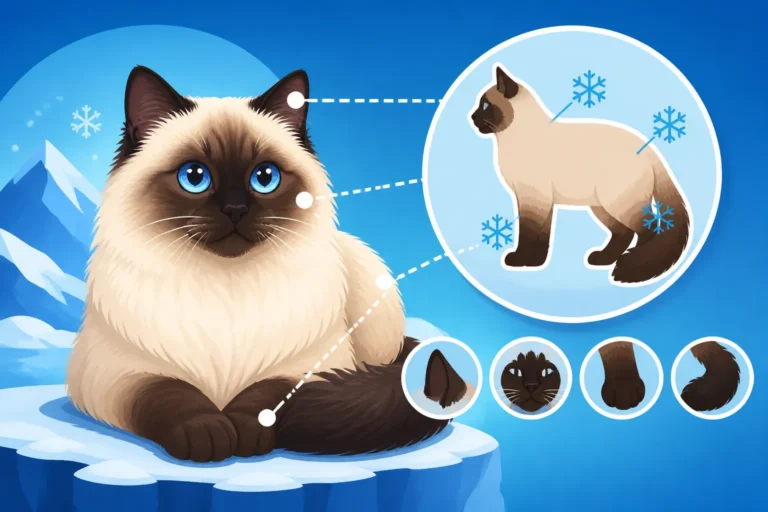
Himalayan cats, along with other colorpoint breeds like the Siamese and Ragdoll, carry a unique temperature-sensitive gene. This gene is responsible for their distinctive "points" – the darker coloration on their cooler extremities: the face, ears, paws, and tail. Here's how it works: the gene produces an enzyme that is crucial for melanin production (melanin is the pigment that gives fur its color). However, this enzyme is only active at cooler body temperatures.
Think of it like a delicate artist working only when the studio is cool enough. In the warmer parts of the cat's body – the torso, belly, and upper legs – the core body temperature is too high for this enzyme to function effectively. As a result, little to no melanin is produced, leading to the pale, creamy body coat that Himalayans are famous for. But on the extremities, where the body temperature naturally drops a few degrees, the enzyme springs into action, diligently producing pigment and creating those striking dark points. This is why Which Gene Makes a Himalayan Pointed is such a critical part of their identity.
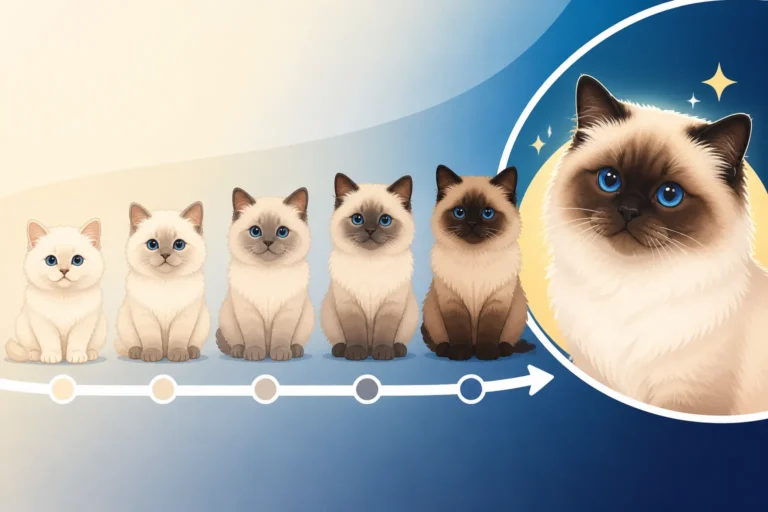
This genetic marvel is why every Himalayan kitten is born almost entirely white. Inside the warm, consistent temperature of the mother's womb, the enzyme is completely inactive. It's only after birth, when the kitten is exposed to the cooler ambient air, that their points begin to develop and darken over the first few weeks and months of life. It’s truly a visible reminder of how their unique biology expresses itself right before our eyes.
How Environmental Temperature Affects Pigment Expression
Given that the point coloration is entirely dependent on temperature, it stands to reason that environmental heat plays a significant role in how those points appear. When the ambient temperature rises, your Himalayan's overall body temperature can increase, even if just slightly. This subtle elevation can be enough to affect the efficiency of that temperature-sensitive enzyme.
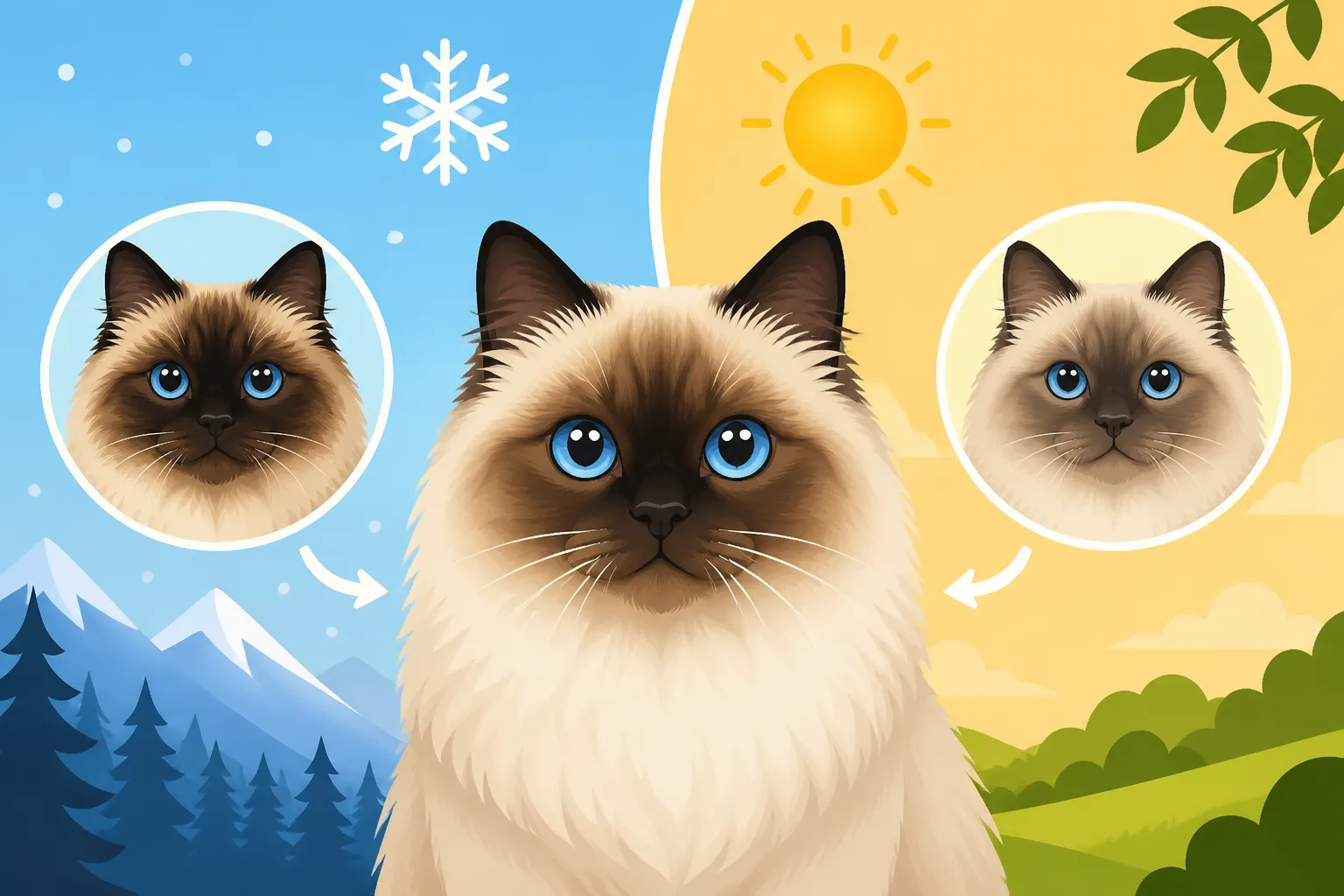
During the height of summer, especially if your home gets quite warm, the parts of your Himalayan's body that are usually cool enough for the enzyme to activate might become just a touch too warm. This means less melanin is produced in those areas, resulting in points that appear lighter, softer, or less defined. It's not that the color disappears entirely, but rather that the intensity of the pigment is lessened. A Himalayan living in a consistently cool climate, perhaps in a colder region or a very well air-conditioned home, might maintain deeper, more vivid points year-round compared to one in a warmer environment. This beautiful characteristic is something that makes How Temperature Decides a Himalayan's Point Color such an interesting read for owners.
Conversely, you might notice your Himalayan's points darkening considerably in the winter. This is the same principle at play – the colder air allows the enzyme to work more vigorously, leading to a richer, deeper coloration on their ears, mask, legs, and tail. It's a natural, beautiful fluctuation that is simply part of being a Himalayan.
The Reality of Seasonal Point Fading
So, yes, your eyes aren't playing tricks on you; a Himalayan's points can indeed fade in the summer. It's a common observation among long-time owners and a perfectly natural part of their unique coat biology.
Why Summer Brings Lighter Points
As we touched upon, the primary driver for points lightening in summer is the increased ambient temperature impacting the function of that temperature-sensitive enzyme. When your Himalayan is feeling warmer, their body works to dissipate heat. This means that even their extremities, which are typically cooler, might experience a slight rise in temperature. This slight increase can be enough to inhibit the enzyme responsible for pigment production.
Think of it this way: the enzyme has a sweet spot for activity. If the temperature goes above that sweet spot, its function decreases. In summer, the "cooler" areas of your cat's body might just reach that threshold. This often results in a less stark contrast between the body coat and the points. A seal point might look more like a chocolate point, or a blue point might appear closer to a lilac point. The fur itself isn't changing its fundamental genetic color; rather, the expression of that color is temporarily suppressed. Owners often notice this most clearly around the face, ears, and paw pads.
It's also worth noting that warmer temperatures can sometimes lead to a slightly faster hair growth cycle in some cats, or simply a seasonal shedding pattern that replaces old, darker hairs with new, potentially lighter ones grown in warmer conditions. This combined effect truly means that Whether a Himalayan's Points Fade in Summer is a resounding "yes" for many cats.
Factors Beyond Temperature Influencing Point Color
While temperature is the primary factor, a few other elements can subtly influence your Himalayan's point coloration, sometimes making summer fading appear more pronounced or less noticeable.
One significant factor is age. Himalayans, like many colorpoint breeds, tend to darken with age. An older Himalayan will often have much deeper, richer points, and their body coat may also gain a bit more shading. This means that while a young cat's points might fade noticeably in its first few summers, an older cat's points, which have already accumulated significant pigment over years, might appear to fade less dramatically. It's a natural progression, and Why an Old Himalayan Looks Almost Solid Colored explains how much these changes can progress.
Diet and overall health also play a role, albeit a more subtle one. A cat receiving a high-quality, balanced diet rich in essential fatty acids and proteins will naturally have a healthier coat that can better express its genetic color. While diet won't prevent temperature-induced fading, it can ensure the coat is at its optimal health, allowing for the best possible pigment expression. Conversely, a cat experiencing nutritional deficiencies or underlying health issues might exhibit a duller, less vibrant coat overall, which could make any seasonal fading appear more severe. If you're ever worried about your cat's coat, a vet visit is always a good idea.
Exposure to direct sunlight, though Himalayans are ideally indoor cats, can also have a minor bleaching effect on fur, similar to how human hair lightens. If your Himalayan enjoys lounging in a sunbeam (even an indirect one), prolonged exposure might contribute slightly to the lightening of their points, though the temperature effect is far more dominant.
Recognizing Normal vs. Concerning Color Changes
For new Himalayan parents, seeing the distinct points lighten can be a little unnerving. The key is knowing what's normal and when it might be time to pay closer attention or consult with your vet.
Expected Variations in Point Shade
It's completely normal for your Himalayan's points to vary in shade throughout the year. You'll likely notice the deepest, most vibrant colors during the cooler months, often peaking in late winter or early spring. As summer approaches and temperatures rise, expect a gradual softening of these colors. The contrast between the points and the body coat might become less stark.
For example, a Seal Point, known for its very dark, almost black points, might appear more like a deep brown, while a Blue Point's slate-gray points could soften to a lighter, silvery blue. Chocolate Points might look more like a warm tan, and Lilac Points, already the palest, might become almost indistinguishable from their body coat in some areas. Flame Points, with their rich apricot to red points, might mellow to a softer cream or peach tone. This is just the way their unique genetics work with the environment.
The fading is usually uniform across all points – meaning all four paws, the tail, ears, and mask will lighten together, even if to slightly different degrees. It's often a subtle, gradual change, not an abrupt shift. Most owners will simply observe a 'softer' overall look to their cat's color in July and August compared to December and January.
When Fading Might Signal an Underlying Issue
While seasonal fading is normal, some types of coat color changes can signal something more significant that warrants attention. If you notice a sudden or dramatic lightening of points that doesn't seem linked to temperature or a slow, seasonal shift, it's worth investigating. For instance, if one point lightens much more drastically than the others, or if areas of the body coat suddenly darken (excluding shaved patches, which we'll discuss), this could be a sign.
Unusual patterns of coat discoloration or uneven fading, especially if accompanied by other symptoms like lethargy, changes in appetite or thirst, skin irritation, or excessive shedding, should prompt a visit to your veterinarian. While it's rare for coat color changes alone to be the sole indicator of a serious problem, they can sometimes be a subtle symptom of a metabolic disorder, nutritional deficiency, or a stress-related response.
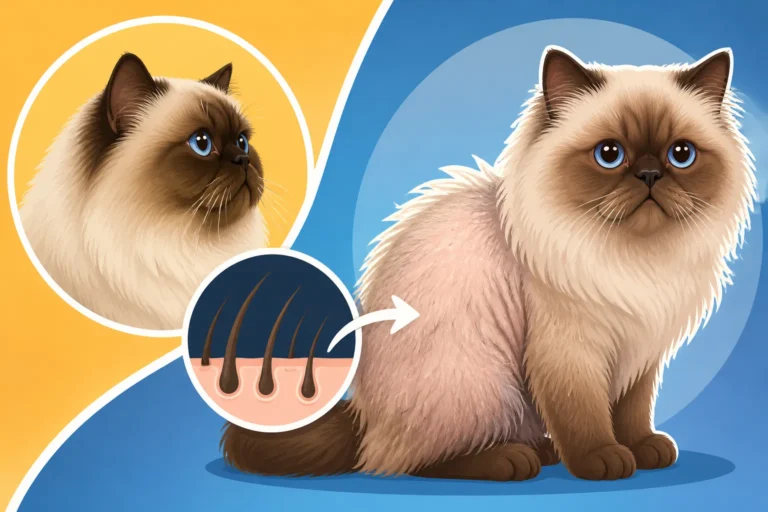
It's also important to differentiate between general fading and specific instances of coat darkening due to injury or surgery. If your Himalayan has had a patch of fur shaved for a medical procedure, that fur often grows back darker than the surrounding body coat. This is because the shaved area is exposed to cooler air, allowing the pigment enzyme to activate. This phenomenon, where Why a Shaved Patch Grows Back Dark on a Himalayan, can sometimes be mistaken for a general darkening of the coat, but it's a localized, temporary effect. Always keep an eye out for any changes, and when in doubt, a quick call to your vet for peace of mind is always the best course of action.
Strategies to Maintain Point Contrast
While you can't entirely override your Himalayan's genetics, there are definitely things you can do to help manage their point contrast and keep their coat looking its best, even during the warmer months.
Managing Your Himalayan's Environment
The most direct way to influence your Himalayan's point color is by managing their environmental temperature. If you want to encourage deeper points year-round, or at least minimize summer fading, keeping your home cool is paramount.
Air conditioning is your best friend here. Maintaining a comfortable, consistent indoor temperature, ideally between 68-72°F (20-22°C), can significantly help. If you don't have central AC, consider room air conditioners or fans in the areas your Himalayan frequents most. Cats are smart and will seek out the coolest spots themselves, so ensure they have access to tiled floors, basements, or shaded areas away from direct sunlight.
It’s crucial to prevent your Himalayan from overheating, not just for their coat color, but for their overall health. Their dense Persian coat and often flattened facial structure make them particularly susceptible to heat stress. Providing plenty of fresh, cool water, and even offering ice cubes in their water bowl, can help them regulate their internal temperature. Always remember that How to Cool a Long Coated Himalayan in Summer involves more than just a fan. Keeping blinds and curtains closed during the hottest parts of the day will also help keep rooms cooler and protect your cat from direct sun exposure, which can slightly dull coat colors over time.
Nutritional Support for Coat Health
A healthy coat begins from the inside out, and proper nutrition plays a vital role in maintaining the luster, texture, and even the vibrancy of your Himalayan's points. While diet won't magically prevent seasonal fading, it ensures the best possible canvas for those colors to express themselves.
Look for high-quality cat foods that list real meat as the first ingredient and are rich in animal-based protein. These provide the essential amino acids necessary for healthy fur growth. Many premium brands, available at retailers like Chewy or on Amazon, specifically formulate foods for long-haired breeds or those with sensitive skin, which can also benefit coat quality. For example, some pet food brands offer specialized formulas with higher protein levels that support dense, healthy coats. What Protein Level a Himalayan's Coat Needs is often higher than many owners realize, especially for a cat with such a magnificent mane.
Omega-3 and Omega-6 fatty acids are particularly important for skin and coat health. These “good fats” help keep the fur shiny, strong, and less prone to breakage or dullness. Many quality cat foods include these, but you can also supplement with fish oil, ensuring it's specifically formulated and dosed for cats. Always discuss any supplements with your vet to ensure they're appropriate for your cat's specific needs. A well-nourished coat simply looks better, regardless of minor temperature-induced pigment shifts.
Grooming Practices to Preserve Coat Luster
Regular and diligent grooming is non-negotiable for a Himalayan, and it can indirectly help maintain point contrast by keeping the coat healthy and clean. A well-maintained coat reflects light better and appears more vibrant.
Daily combing is absolutely essential for Himalayans. Their dense, long Persian coat is prone to matting, especially in the undercoat. Mats not only pull on the skin and cause discomfort, but they can also trap heat against the body, which, theoretically, could contribute to further lightening of points in warmer areas. A thorough daily comb with a good steel comb helps remove loose hairs, prevents mats, and distributes natural skin oils, keeping the fur healthy and shiny. Neglecting this routine is simply not an option for this breed, as The Daily Comb a Himalayan Cannot Skip is paramount to their well-being.
Occasional gentle bathing, using a shampoo formulated for cats, can also help keep the coat clean and free of oils or environmental buildup that might dull its appearance. Be sure to rinse thoroughly and dry your Himalayan completely to prevent skin issues. In warmer weather, some owners opt for a professional lion cut to help their cat stay cool and manage matting, though this will, of course, remove the points temporarily! However, a lion cut might allow your cat to stay cooler overall, which could mean the regrowth comes in with better contrast once the temperatures drop.
Long-Term Point Color Development and Aging
Beyond the seasonal fluctuations, it's important to understand how a Himalayan's point color develops over its entire lifespan. It's a journey, not a static destination!
How Points Deepen Over a Lifetime
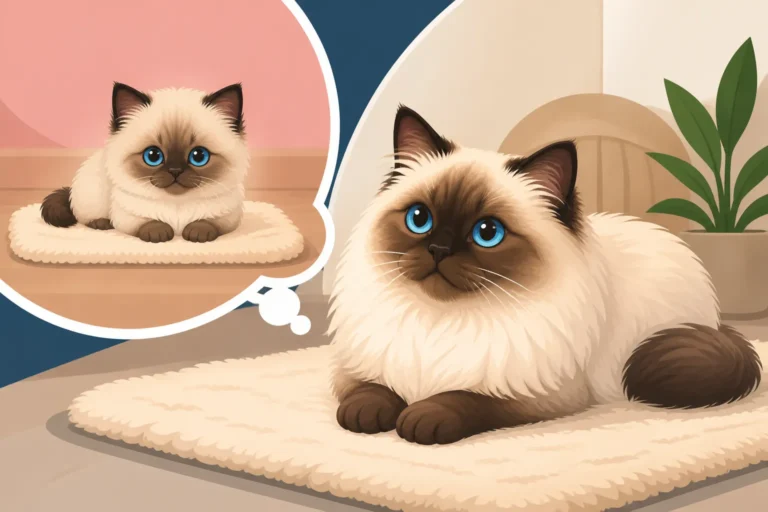
While summer might bring a temporary lightening, the general trend for Himalayan cats is that their points actually deepen and become richer with age. Think of it as a gradual accumulation of pigment over the years. That precious little kitten born white, whose points slowly emerge, will continue to see those points intensify and spread subtly as they mature into adulthood and even senior years.
Many owners observe that their Himalayan's body coat also develops a subtle shading as they get older, meaning the crisp contrast of their youth might soften somewhat. An old Himalayan can appear almost solid-colored in certain lighting, with only the very darkest areas retaining the deep point intensity. This is a testament to the long-term activity of that temperature-sensitive gene. The consistent exposure to ambient temperatures over many years results in more melanin production across their body, even in areas that were once quite pale. This natural darkening is why Why an Old Himalayan Looks Almost Solid Colored is a common observation among devoted owners. It's a beautiful sign of their longevity and the many seasons they've spent by your side.
The Role of Genetics in Permanent Point Color
While environmental factors like temperature and age influence the expression of your Himalayan's point color, it's crucial to remember that their genetics set the fundamental baseline for that color. A cat genetically destined to be a Seal Point will always have the potential for very dark points, even if they lighten somewhat in summer. A Lilac Point will never spontaneously develop the deep brown of a Chocolate Point, regardless of how cold it gets.
The specific shade and depth of your Himalayan's points are hardwired into their DNA. Reputable breeders meticulously track these genetic lines, ensuring they breed for good point contrast and clear, beautiful colors. Some lines naturally produce cats with incredibly deep, vivid points, while others might tend towards slightly softer or paler shades, even within the same point color category. This genetic predisposition means that while you can manage environmental factors to optimize point expression, you can't fundamentally change the color your cat was born with. It's a unique and wonderful blend of nature and nurture, where their inherent genetic beauty interacts with the world around them.
| Factor | Impact on Point Color (Generally) | Seasonal Variation | Long-Term Trend |
|---|---|---|---|
| Ambient Temperature | Lower temps = darker points, Higher temps = lighter points | Strong | Minimal direct |
| Age | Points deepen and spread with age, body coat may shade | Minimal direct | Strong |
| Genetics | Determines base color (e.g., Seal, Blue, Flame) | None | None |
| Nutrition | Healthy diet supports vibrant color expression | Minimal | Consistent |
| Direct Sunlight Exposure | Can cause slight bleaching over time | Moderate | Minimal |
| Overall Health | Poor health can dull coat and color | Minimal | Consistent |
| Shaved Patches | Regrow darker due to cooler skin exposure | Localized, temporary | None |
Disclaimer
This article is for general informational purposes only and does not constitute professional advice. Laws, prices and regulations vary by location and change over time. Consult a qualified professional for guidance on your specific situation.