The Height a Himalayan Decides Is Not Worth It
Himalayan cat physical traits and cobby bodies explain their low-altitude preferences and lack of interest in high climbing.

Himalayan cat physical traits and cobby bodies explain their low-altitude preferences and lack of interest in high climbing.

Himalayan cat climbing habits and cobby physical traits explain why these flat faced pets rarely use high wall shelves.

Himalayan cat physics and brachycephalic traits explain why cobby builds need wide, low platforms instead of tall trees.
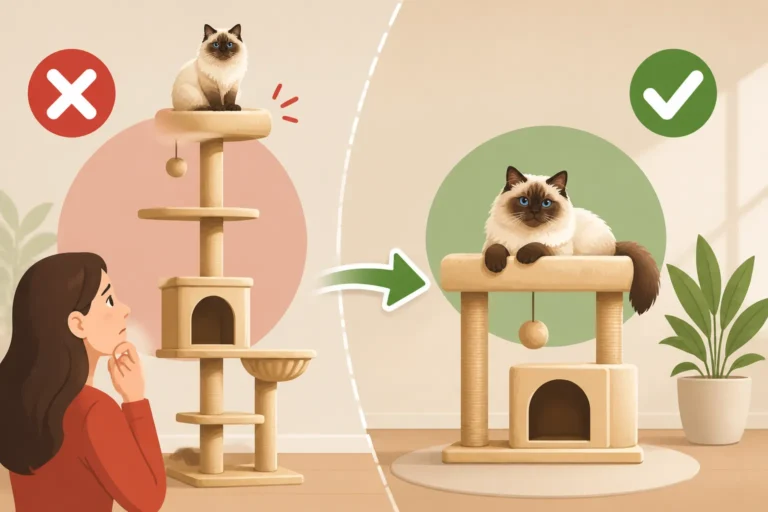
Himalayan cat trees need to stay waist high because short legs and flat faces make climbing difficult and risky for joints.

Himalayan cat owners learn whether low cat trees suit their cobby body type and how to choose stable, accessible models.
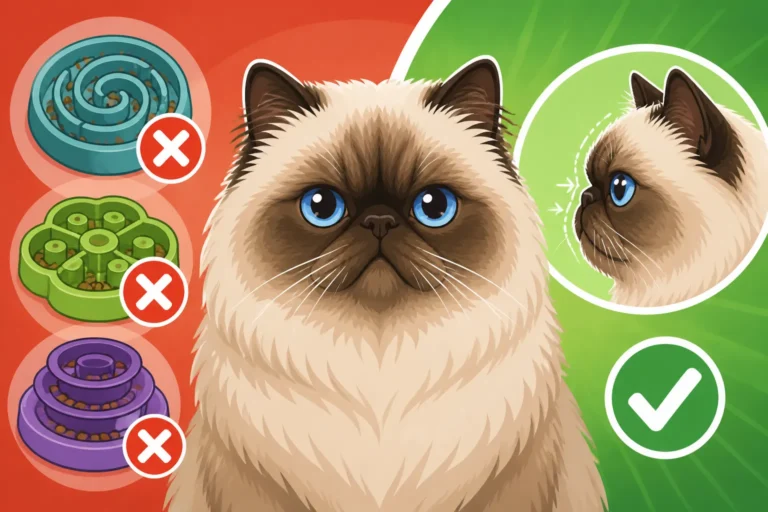
Himalayan flat faces, short jaws, and sensitive whiskers make standard puzzle feeders difficult, causing frustration and eating challenges.

Flat-faced Himalayan cats need specific puzzle feeders that accommodate their brachycephalic facial structure and sensitive whiskers.

Persian ancestry gives Himalayans a calm, laid-back nature, so many give catnip only a polite sniff and then wander off to nap in a sunbeam.

Himalayan cat behavior regarding environmental shifts, routine changes, and subtle stress signs explained for owners.

Himalayan cat play behavior combines the calm Persian nature with curious Siamese traits, resulting in an observational play style.