Whether a Himalayan Ever Uses a Wall Shelf
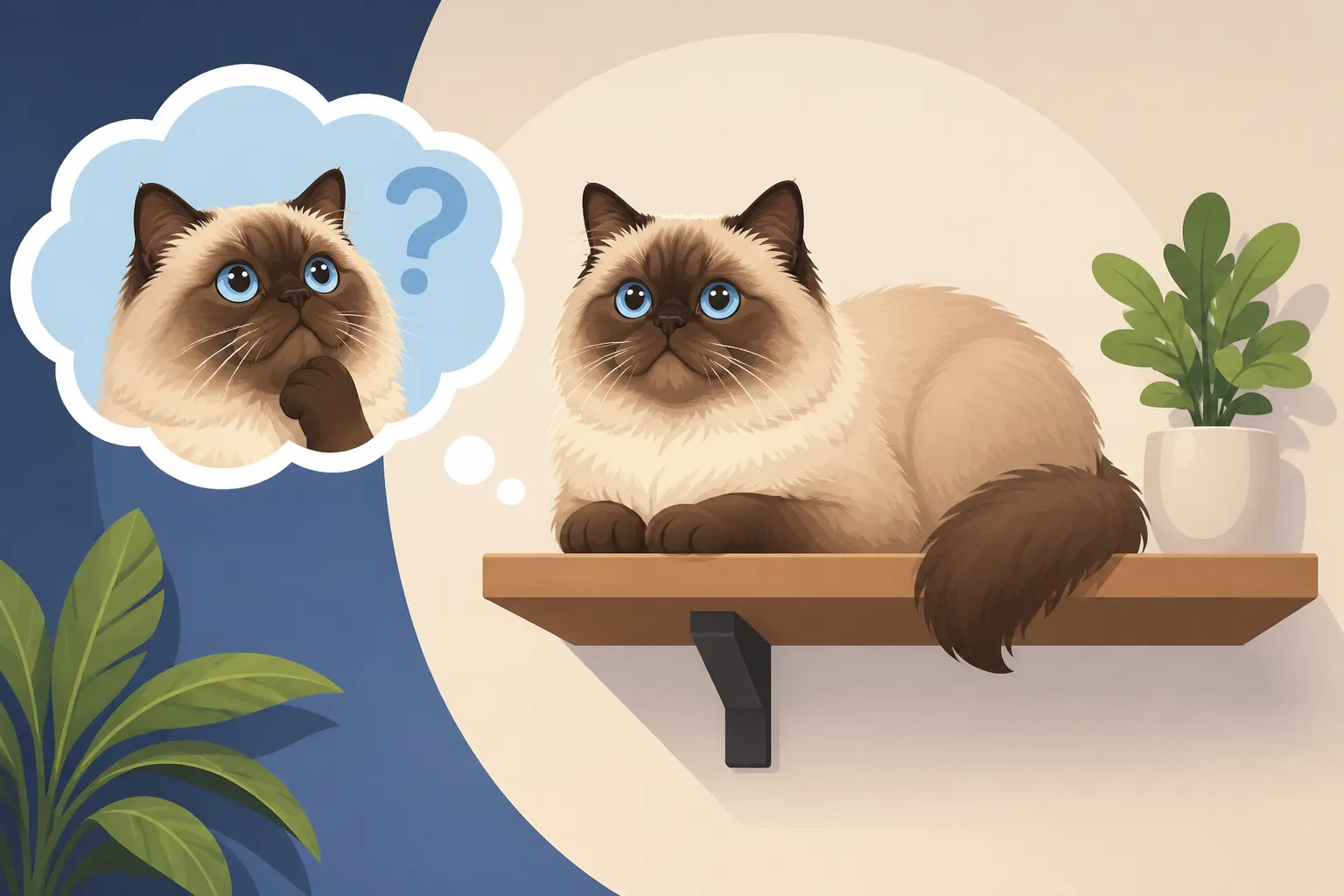
Many Himalayan cat owners find themselves wondering if their beloved, plush furball will ever actually scale the heights of a cat tree or gracefully perch on a wall shelf. The truth is, while a wall shelf might look like a fantastic enrichment opportunity, Himalayans often don't take to high vertical spaces in the same way more agile, lanky breeds do. This guide will delve into why that is, what kinds of vertical spaces they do enjoy, and how to create a stimulating environment that caters to their unique physical traits and relaxed demeanor.
Understanding a Himalayan's Natural Inclinations Toward Vertical Space
If you've ever watched a Siamese cat effortlessly leap onto the highest bookshelf or practically run up a wall, you might naturally assume all cats share this aerial ambition. However, the Himalayan cat, with its distinctive Persian heritage, often has a very different approach to verticality. They are, by and large, ground-dwellers at heart, preferring the solid, comfortable expanse of a sofa or a sunbeam on the rug to precarious perches.
This isn't to say your Himalayan never gets curious about higher ground, but their physical build and personality tend to steer them towards more horizontal pursuits. They are not built for extensive climbing, nor do they often possess the same boundless energy that drives other breeds to seek out the highest vantage point. Many owners observe their Himalayans preferring to simply watch the world go by from a comfortable, eye-level spot rather than engaging in strenuous acrobatic feats. They appreciate a good view, certainly, but they're usually content if that view can be achieved with minimal effort or risk.
The Physical Realities That Dictate a Himalayan's Climbing Habits
Let's be realistic about what makes a Himalayan a Himalayan – and why those very traits make wall shelves a less-than-ideal enrichment option for many of them. These cats are built like plush, luxurious bricks on short, sturdy legs, not lithe, spring-loaded athletes.
Their Cobby, Dense Build and Short Legs
One of the defining characteristics of a Himalayan is its cobby body type. They are compact, heavily boned, and quite substantial for their size. This isn't a bad thing; it's part of what makes them so wonderfully huggable! However, this body structure means they don't have the same agility or spring-loaded power that allows breeds like the Siamese or many domestic shorthairs to effortlessly launch themselves upwards. Their short, thick legs, inherited from their Persian ancestors, are better suited for sedate strolling than for scaling sheer surfaces. Think of it this way: a powerful weightlifter has incredible strength, but they probably aren't going to win a high jump competition against a lean, agile gymnast. It’s a different kind of build for a different kind of movement. This also ties into Why a Cobby Himalayan Needs Wide Platforms, Not Tall Ones. They need stable, broad surfaces to feel secure, and often, wall shelves are designed to be relatively narrow to save space, which can be off-putting for a larger cat.
Breathing Challenges and Exertion
Another significant factor is their brachycephalic, or "flat-faced," profile. While undeniably adorable, this facial structure can mean a somewhat compromised airway. You might notice your Himalayan snores quite loudly, a common trait stemming from their Persian lineage. This flat face can make strenuous exercise, like repeated jumping or climbing, much more challenging and even uncomfortable for them. They simply cannot regulate their body temperature or take in oxygen as efficiently as a cat with a longer muzzle. If you've ever observed How Soon a Himalayan Kitten Runs Out of Breath during even a short play session, you'll understand why sustained climbing isn't their forte. Rapid panting or open-mouth breathing after minimal exertion is a clear sign they are struggling and need a break. For this reason, continuous jumping up and down from wall shelves can quickly lead to overheating and respiratory distress, especially in a warm room. Why a Himalayan Snores Louder Than Its Siamese Ancestors gives more insight into their breathing considerations.
Coat Considerations and Grace
The magnificent, dense, long coat of a Himalayan is its crowning glory, but it's also a practical consideration when it comes to agility. That flowing fur, especially around the ruff and britches, can get in the way during complex movements. It can reduce their traction, snag on rough surfaces, or even obscure their vision momentarily, leading to less confident jumps. While they might occasionally try to jump on a counter or a low shelf, their bulk and coat can sometimes lead to comical misjudgments, making a soft, predictable landing surface all the more appealing. Why a Himalayan Misjudges the Sofa With That Coat highlights this aspect even on familiar, lower jumps.
Where Himalayans Prefer to "Perch" and How to Provide It
Given their physical realities and typically calm personalities, most Himalayans aren't going to be scaling multiple wall shelves or navigating complex vertical obstacle courses. Their idea of a "perch" is usually far more grounded and luxurious.
The Allure of the Ground-Level Perch
For many Himalayans, the ideal "perch" is simply a warm, comfortable spot on the floor or a low piece of furniture. They are masters of finding the softest blanket, the sunniest patch of carpet, or the coziest armchair. These cats are not known for being high-energy explorers; they often spend a good portion of their day napping or simply observing their surroundings from a relaxed position. How Many Hours a Day a Himalayan Is Actually Awake can give you a better idea of their typical activity levels. They embody the phrase "lap cat" to perfection, enjoying closeness and comfort over adventure. The Himalayan Is a Lap Cat That Answers Back speaks volumes about their preference for interaction from a comfortable, often low-lying, position.
Investing in Accessible Vertical Options
Instead of high wall shelves, consider investing in cat furniture designed with a Himalayan's specific needs in mind. The goal is to provide accessible verticality, offering a slight elevation without requiring intense leaps or sustained climbing.
Cat Trees with Wide, Low Platforms
When choosing a cat tree, look for models with wide, generously sized platforms that are relatively close to the ground. Avoid tall, multi-level structures with tiny perches. A broad, stable base is crucial for their heavier build. Many companies offer designs with ramps or gentle steps leading to the higher platforms, which is absolutely ideal for a Himalayan. Think less "mountain climbing wall" and more "luxurious, multi-tiered lounge." You can find excellent options on retailers like Amazon, specifically looking for cat trees marketed as "senior friendly" or "large cat friendly." Why a Himalayan's Cat Tree Should Be Waist High at Most emphasizes that you don't need towering structures to make them happy.
Pet Steps or Ramps
Sometimes, all a Himalayan needs is a little assistance to reach their favorite spot. If your cat loves to be on the bed or sofa with you, but struggles with the jump, pet steps or a small ramp can be a game-changer. These provide a gentle incline or a series of easy steps, allowing them to ascend and descend gracefully without strain. This is particularly beneficial as they get older and their joints might become less flexible. Again, Amazon offers a wide selection of pet steps in various heights and materials that can blend seamlessly into your home décor.
Window Seats and Radiator Beds
Himalayans adore a good view, especially if it comes with warmth and comfort. A window seat or a radiator bed, perhaps with a soft cushion, provides a lovely elevated spot without the need for strenuous climbing. These are usually at a manageable height, offering a perfect vantage point for bird watching or simply soaking up the sun. They can enjoy the stimulation of the outdoors from a safe, comfortable, and easily accessible indoor spot. Just make sure it’s securely mounted and can support their weight.
Encouraging a Himalayan to Use Gentle Elevations
Even with the most appropriate furniture, a Himalayan might need a little encouragement to explore their new, slightly-elevated domains. They are creatures of habit and comfort, so consistency and positive reinforcement are key.
Strategic Placement is Everything
Location, location, location! Place their new cat tree, steps, or window perch in a spot where they already enjoy spending time, or where there's something interesting to observe. Next to a favorite window is always a winner. If they love being near you, position a low cat tree or set of steps close to your desk or sofa. The goal is to make the elevated spot a natural extension of their existing comfort zones. Also consider placing it near a sunny patch where they love to sprawl; Why a Himalayan Moves Rooms as the Sun Does explains their strong preference for warmth.
Entice with Comfort and Scent
Himalayans are all about comfort. Make sure any elevated surface is adorned with their favorite soft blanket or a familiar-smelling bed. You could even rub a towel you've used on them onto the new furniture to transfer their scent and make it feel more inviting. A plush, washable mat from Amazon can do wonders to make a new platform feel like an old favorite.
Bribery (Positive Reinforcement) Works Wonders
Let's be honest, food is a powerful motivator for many cats, and Himalayans are no exception. Use treats to coax them onto the lower levels of a cat tree or up the steps. Place a few tempting morsels on the first step, then the next, and so on. Lavish them with praise and gentle petting once they are on the platform. Interactive play with a wand toy can also encourage them to bat at things from a slightly elevated position, making it a fun and positive association. However, remember their limited stamina; short, gentle play sessions are best. Which Treats a Himalayan Will Come Off the Sofa For can give you ideas on what motivates them.
Patience is a Virtue
Don't expect your Himalayan to immediately embrace a new piece of furniture, especially if it involves any sort of climbing. They are often thoughtful and deliberate, preferring to assess new situations from a safe distance. Some cats will investigate immediately, others might take days or even weeks. Leave the new item in place, keep it appealing with scent and comfort, and continue with gentle encouragement. Eventually, their curiosity (and perhaps the promise of a treat!) will win out. Remember, the ultimate goal isn't to force them onto heights they don't enjoy, but to offer enriching options that align with their natural tendencies and physical capabilities.
Vertical Space Solutions for Himalayans
Here's a quick overview of what types of vertical enrichment work best for Himalayans compared to what might be less suitable:
| Feature/Solution | Himalayan Suitability | Rationale |
|---|---|---|
| High Wall Shelves | Low | Requires strong jumping, agility, and balance; challenging for cobby build & breathing. |
| Tall Cat Trees | Low | Many levels require sustained climbing; small platforms are unstable for their size. |
| Wide, Low Cat Trees | High | Accessible platforms, gradual inclines, stable for their weight, comfortable. |
| Pet Steps/Ramps | High | Provides easy access to sofas, beds, or window sills without strain. |
| Window Seats | High | Offers views at a comfortable height, often with warmth (sunlight). |
| Radiator Beds | High | Provides a warm, slightly elevated resting spot, ideal for comfort. |
| Floor-Level Beds | Very High | Their primary preference for lounging and napping. |
Ultimately, a Himalayan may never use a wall shelf if it requires significant climbing or jumping. Their unique combination of a cobby body, short legs, dense coat, and flattened face means they simply aren't designed for such acrobatics. Instead, focus on providing accessible, comfortable, and stable elevated spaces that allow them to enjoy a vantage point or a cozy retreat without unnecessary strain. A happy Himalayan is usually one who feels secure, comfortable, and close to their favorite people, whether that's on the sofa or a specially chosen, low-lying cat tree.
Disclaimer
This article is for general informational purposes only and does not constitute professional advice. Laws, prices and regulations vary by location and change over time. Consult a qualified professional for guidance on your specific situation.