Whether a Himalayan Is Scanned Before It Is Bred
Pre-breeding health scans identify genetic disorders like polycystic kidney disease in Himalayan cats to prevent hereditary illness.

Pre-breeding health scans identify genetic disorders like polycystic kidney disease in Himalayan cats to prevent hereditary illness.
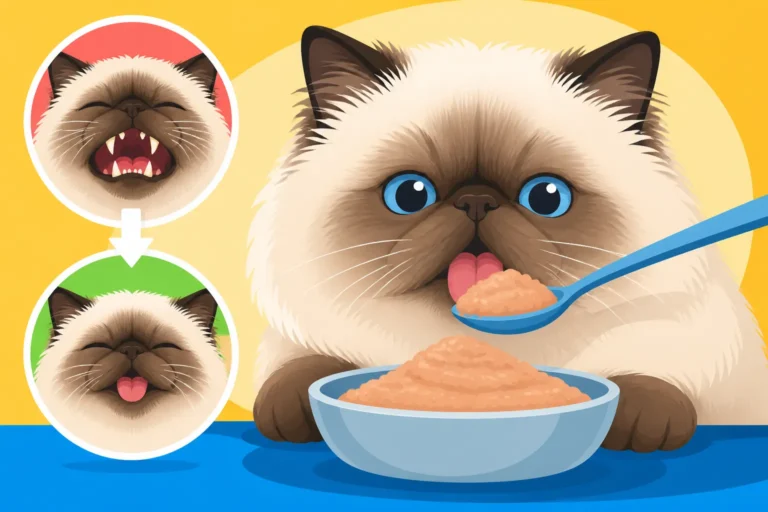
Post-extraction feeding strategies help flat-faced Himalayans eat comfortably despite mouth pain, swelling, and anesthesia effects.

Himalayan cat jaw structure causes severe dental crowding and periodontal disease, leading to significant tooth loss by age ten.
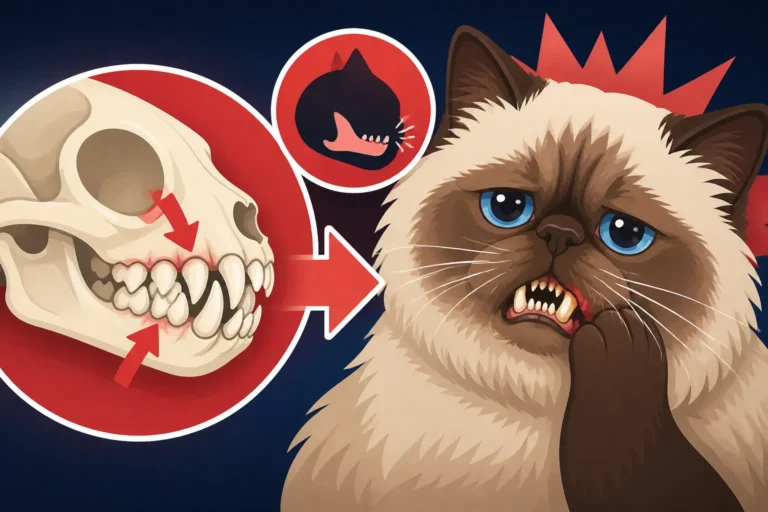
Himalayan cat tooth resorption stems from brachycephaly and jaw crowding, causing painful dental disease and chronic gum inflammation.
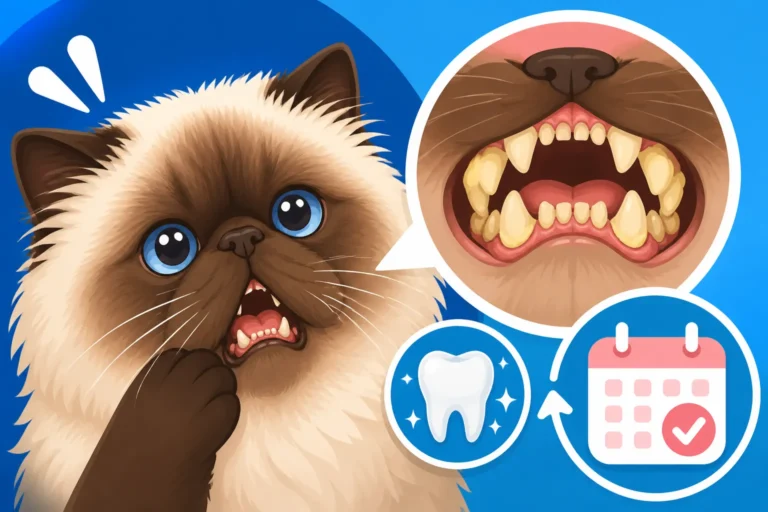
Himalayan cat dental care schedules, crowded teeth cleaning frequency, and plaque prevention methods for flat-faced breeds.

Flattened brachycephalic skulls, compressed upper jaws, and crowded teeth explain why Himalayan cats drop food onto their ruff.
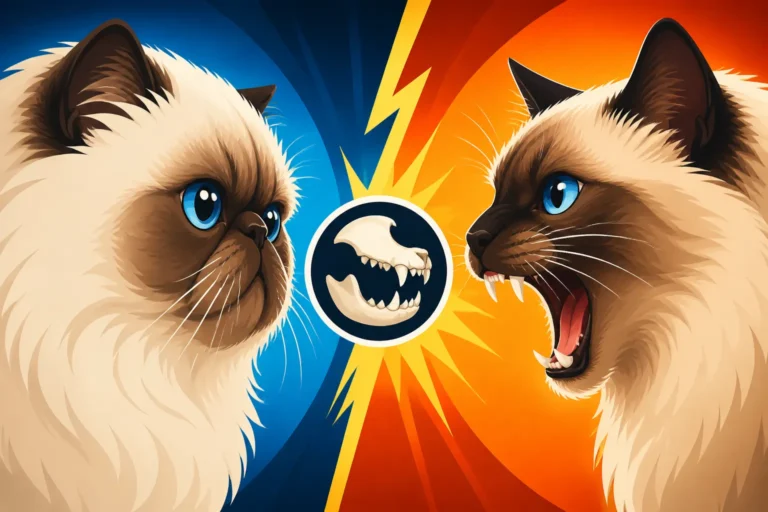
The inherited Persian jaw causes brachycephalic skull shortening, leading to Himalayan cat dental overcrowding and malocclusion.

Himalayan lower canines show because brachycephalic jaw compression crowds the mouth, altering the Persian and Siamese mixed bite.
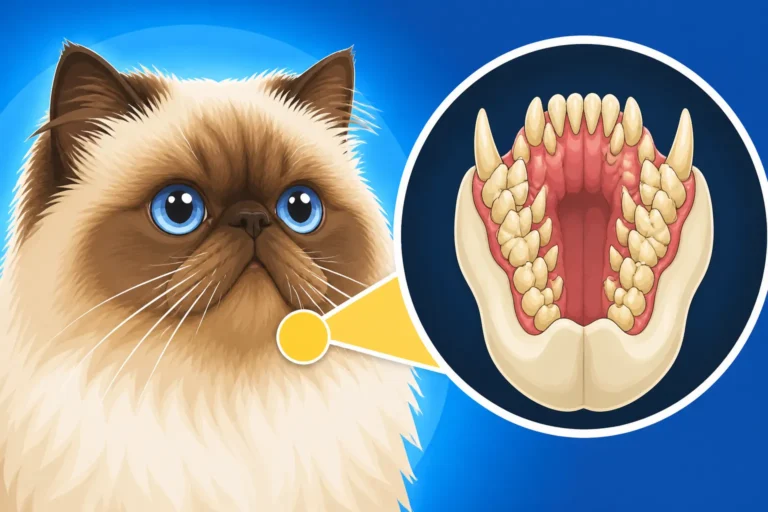
Himalayan cat lower jaw crowding causes severe dental issues because brachycephalic skull structures compress thirty permanent teeth.

Himalayan cat cross eyes and Siamese ancestry genetic links explain why these pointed cats develop strabismus vision issues.