Why a Matted Himalayan Ends Up Clipped Under Sedation
Professional clipping under sedation safely removes severe Himalayan cat mats and prevents skin infections from trapped moisture.
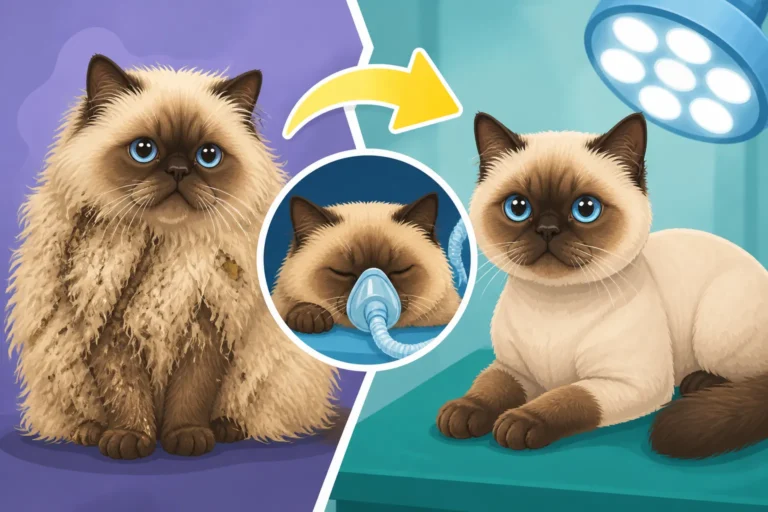
Professional clipping under sedation safely removes severe Himalayan cat mats and prevents skin infections from trapped moisture.
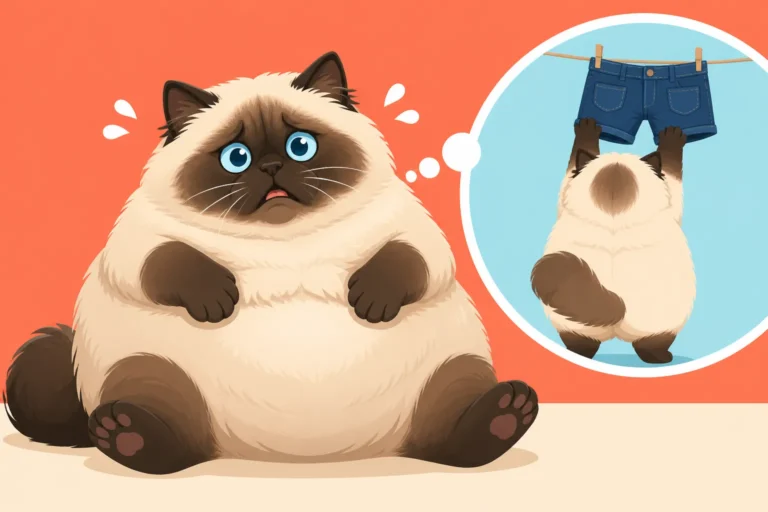
Overweight Himalayan cats struggle with self grooming because their stocky cobby body build and thick double coat restrict flexibility.
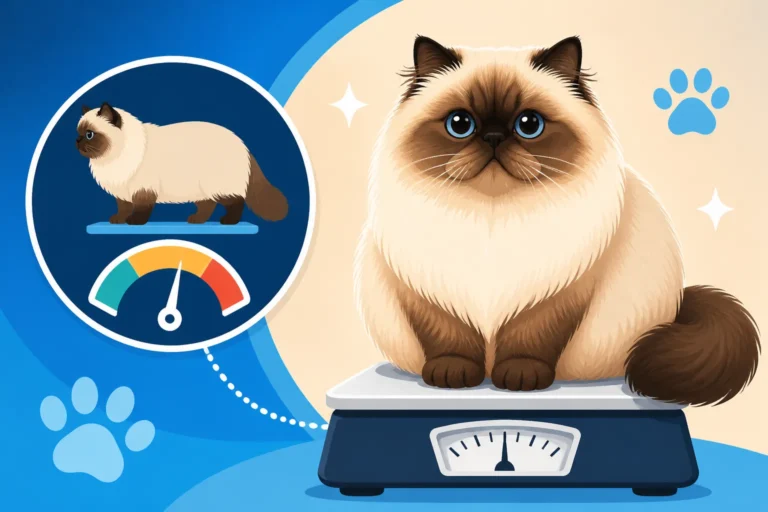
Cobby describes a Himalayan’s breed standard of heavy bone, broad chest and short thick legs, and a thick double coat hides body condition.
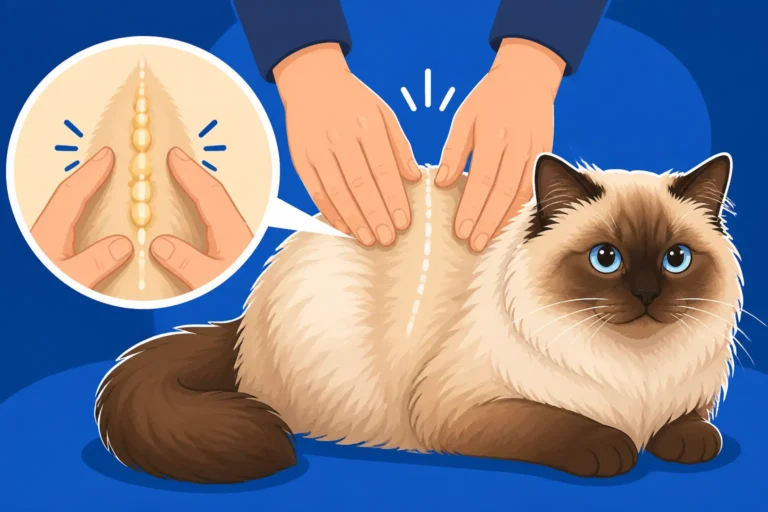
Himalayan cat owners learn tactile techniques to navigate dense double coats and feel vertebrae through cobby body types.

Pre-sedation kidney checks for Himalayan cats identify inherited polycystic kidney disease before administering anesthesia and medications safely.
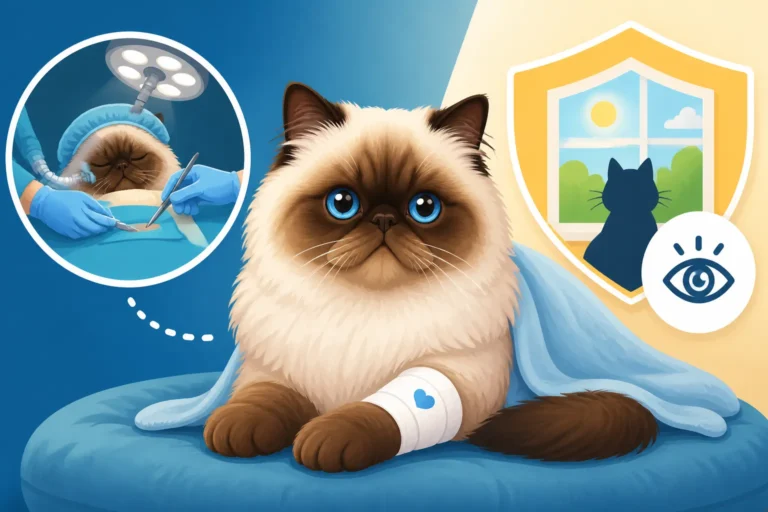
Himalayan cat post-operative observation requires extra time because brachycephalic airway syndrome and dense coats complicate recovery.
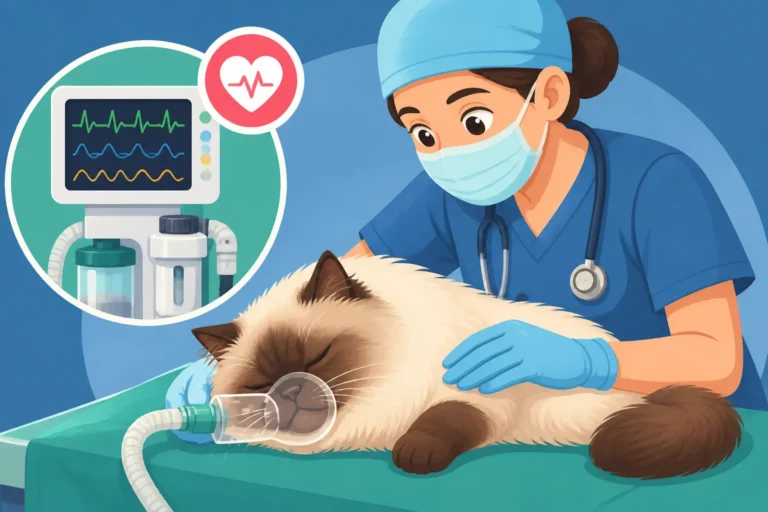
Veterinary management of a Himalayan under anesthesia explains brachycephalic airway risks and body temperature regulation.
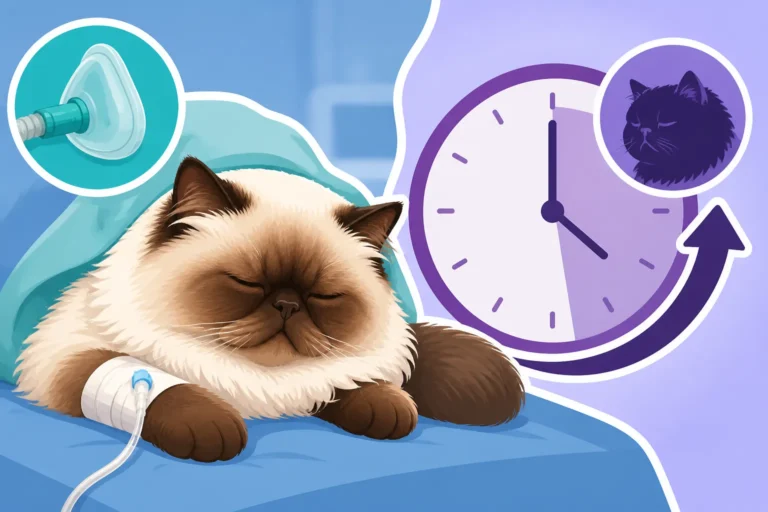
Himalayan cat anesthesia recovery takes longer because flat faces, narrowed nostrils, and crowded airways cause severe obstruction risks.
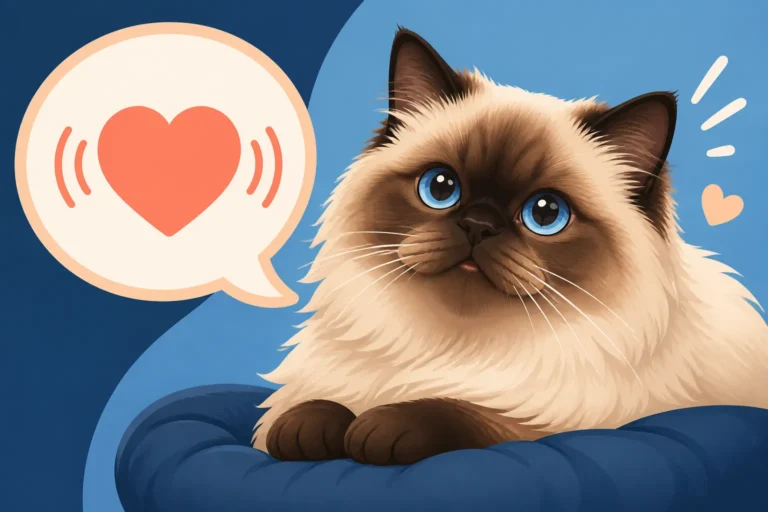
A Himalayan heart murmur is an abnormal sound indicating turbulent blood flow, graded I through VI to guide veterinary diagnostics.

Hypertrophic Cardiomyopathy prevalence in Himalayan cat lines, early health signs, and genetic risks affecting pedigreed cats.