How a Himalayan Behaves in a Vet Waiting Room
Himalayan cats experience high stress and sensory overload in veterinary waiting rooms, often hiding anxiety behind silent observation.
Change the room, not the cat.
Litter box avoidance, scratching and furniture, multi-cat tension and night activity — and the vertical space, play routines and feeding puzzles that solve more than correction does.

Himalayan cats experience high stress and sensory overload in veterinary waiting rooms, often hiding anxiety behind silent observation.
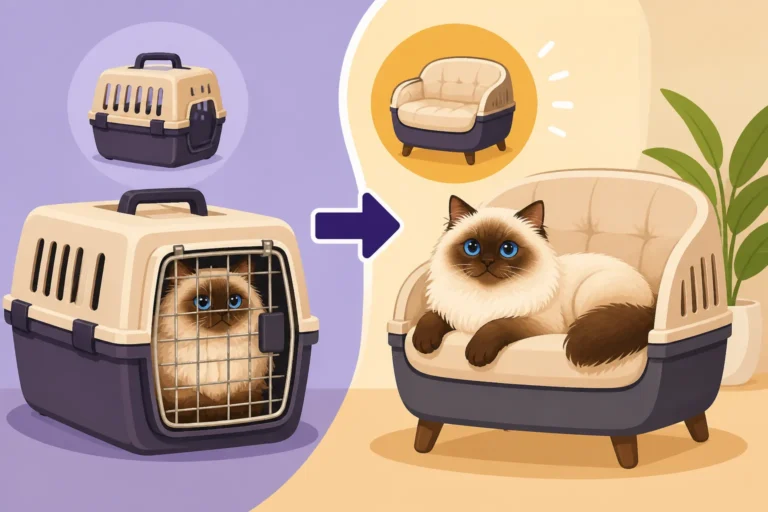
Transforming a Himalayan cat carrier into a cozy household chair helps reduce stress during veterinarian visits and travel.

Pet carriers featuring mesh panels on multiple sides provide safe ventilation and sufficient airflow for flat-faced Himalayan cats.
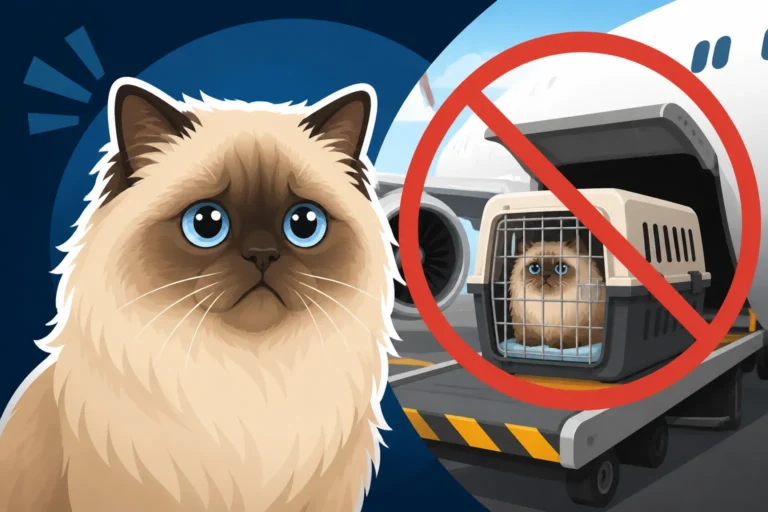
Himalayan cats face severe respiratory and overheating dangers inside airplane cargo holds due to flat faces and dense coats.
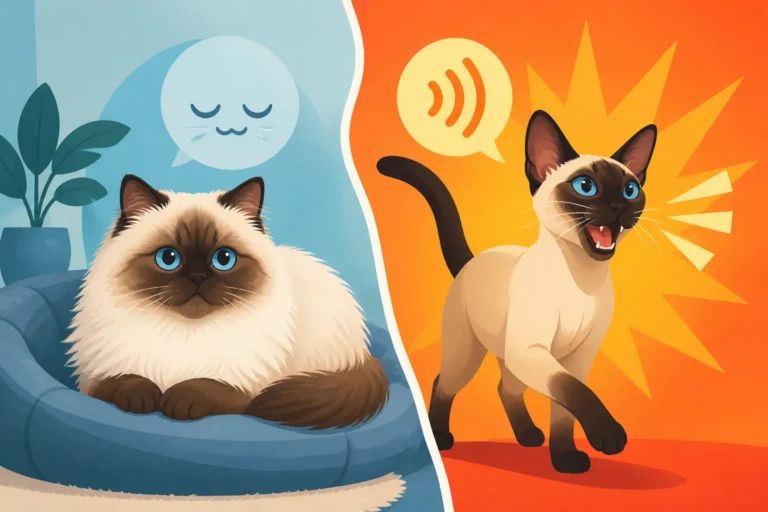
Genetic, physical, and behavioral factors explain why Himalayan cats travel more quietly than boisterous Siamese felines.
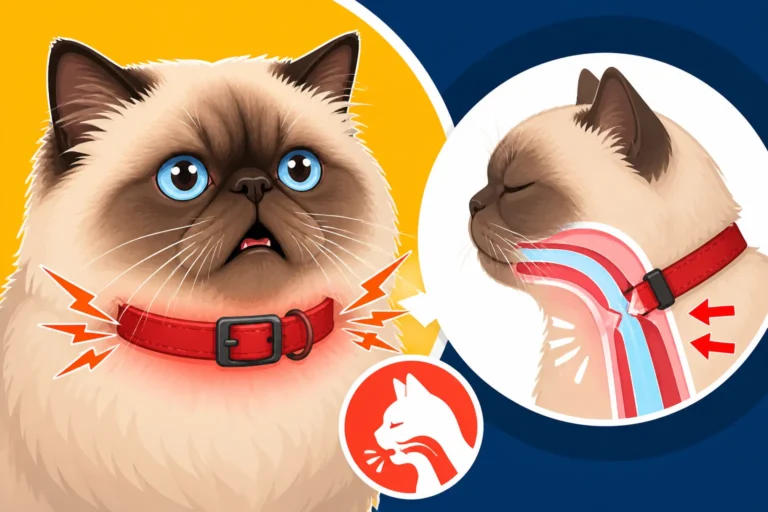
Himalayan cat anatomy features a shortened muzzle and narrow airway, meaning standard neck collars can cause respiratory distress and health issues.

Fitting a harness under a Himalayan cat ruff requires checking hidden straps to prevent escapes and ensure safe outdoor trips.

Himalayan cats possess physical limitations and an indoor preference that make traditional outdoor leash walks highly impractical.

Himalayan cat outdoor enclosures require extensive shade structures to protect their dense coats and flat faces from dangerous overheating.

Himalayan cat genetics and a brachycephalic build explain why this breed prefers lounging in a catio instead of exploring.