Why an Overweight Himalayan Cannot Clean Its Own Points
Overweight Himalayan cats struggle to groom thick coats because extra weight limits flexibility and prevents reaching crucial points.
The daily stuff, done right.
Feeding amounts by life stage, coat and skin routines, dental and nail care, exercise needs, and what changes as they age.
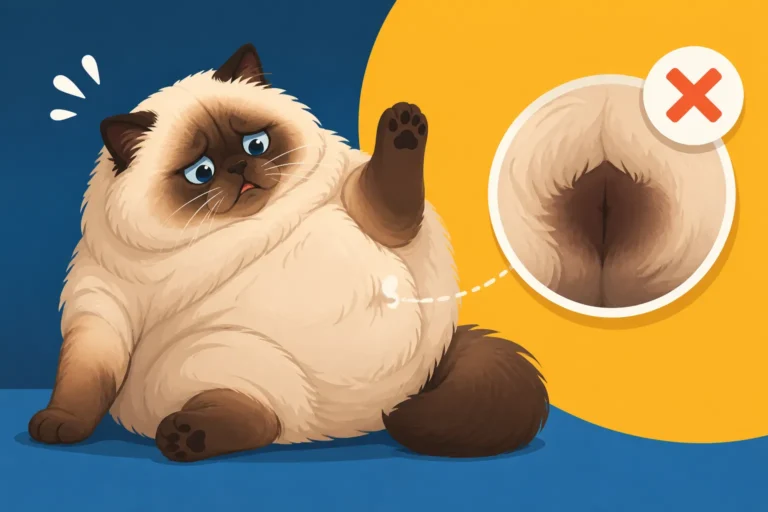
Overweight Himalayan cats struggle to groom thick coats because extra weight limits flexibility and prevents reaching crucial points.
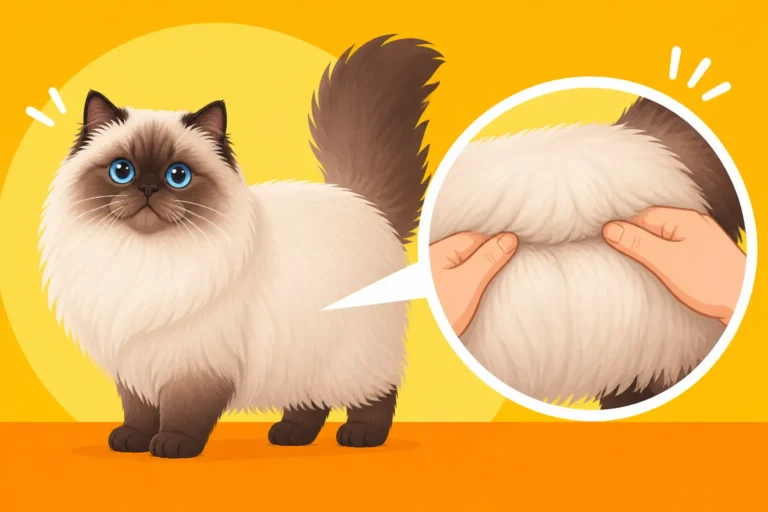
Himalayan cat weight assessment requires hands-on touching because dense Persian fur coats hide actual body shape and waistlines.
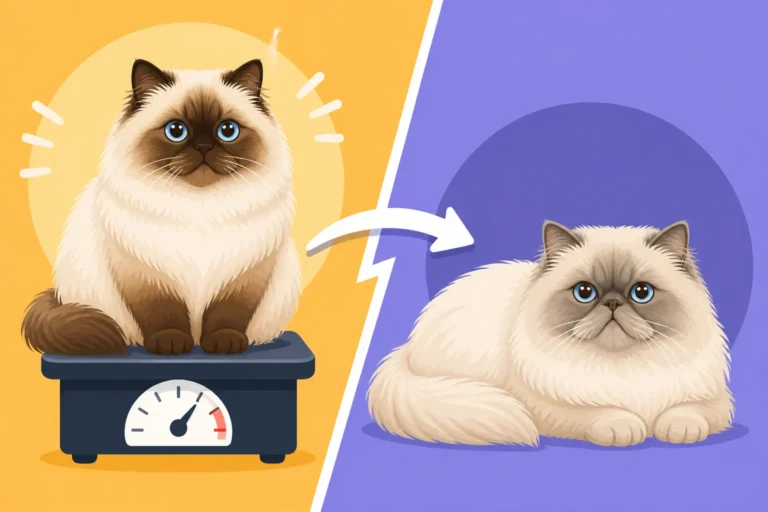
One-year-old Himalayan cats weigh nine to fourteen pounds, with males typically heavier than females due to their Persian frame.
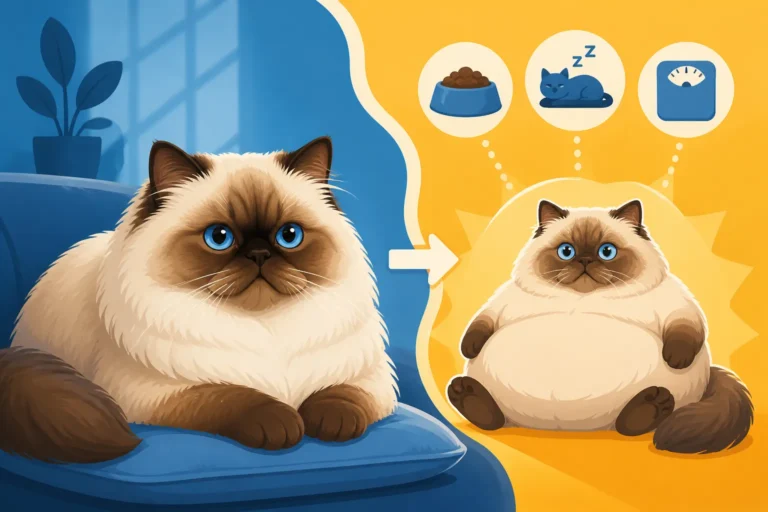
Himalayan cat weight gain stems from a sedentary lifestyle, heat sensitivity, and short legs that discourage high-energy activity.
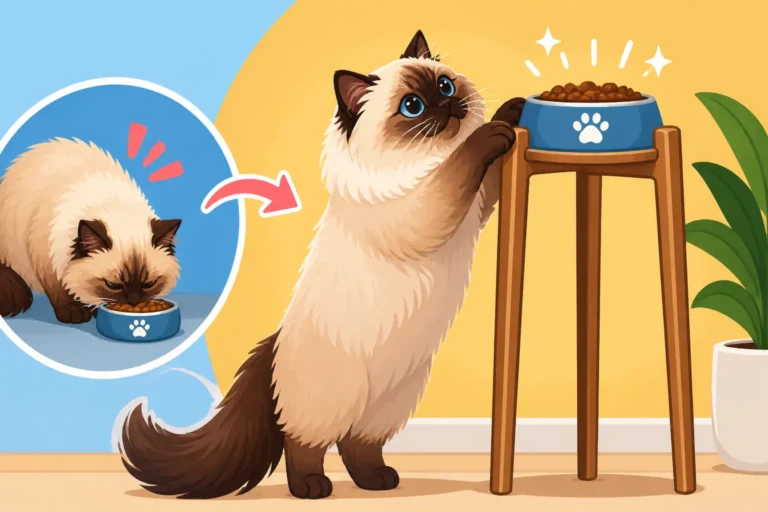
Standing bowls help brachycephalic Himalayan cats avoid breathing strain, neck pain, and digestive discomfort during meals.

Fixed meal schedules help sedentary Himalayan cats maintain a healthy weight and prevent dangerous obesity and grooming issues.

Weighed meal portions for a cobby Himalayan help prevent hidden weight gain and obesity in sedentary adult cats.

Himalayan kitten calorie needs, growth factors, and daily intake amounts explained for proper first-year feline nutrition.

Adult Himalayan cats burn daily calories through maintenance, grooming, and subtle activity, depending on age and metabolism.
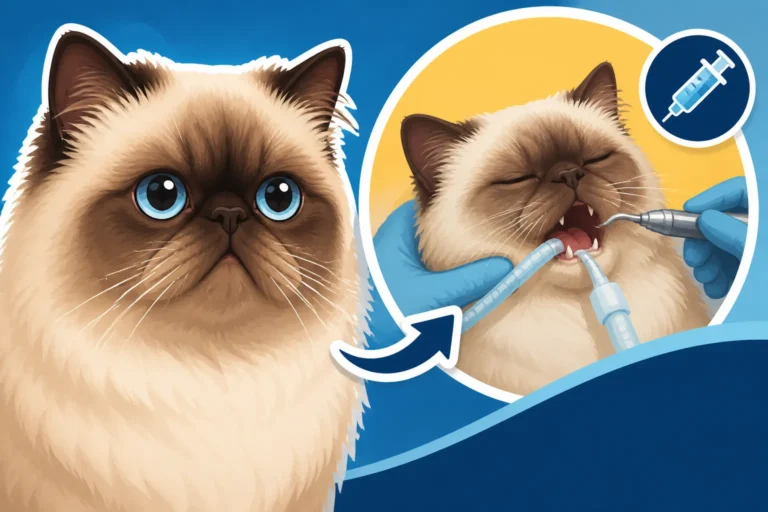
Himalayan cat dental anesthesia frequency depends on shortened jaws causing crowded teeth, plaque buildup, and periodontal disease.