Why a Himalayan’s Box Needs a Cutaway Front
Himalayan cats struggle with standard litter boxes because short legs and long coats cause hygiene and mobility issues.
The daily stuff, done right.
Feeding amounts by life stage, coat and skin routines, dental and nail care, exercise needs, and what changes as they age.
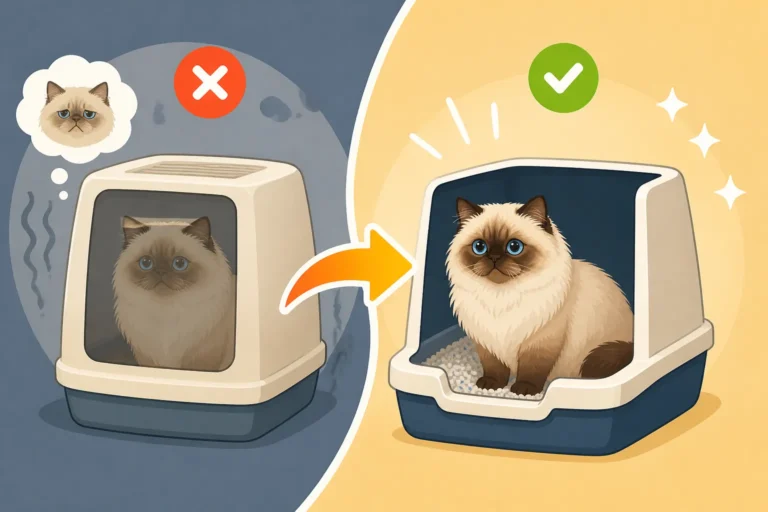
Himalayan cats struggle with standard litter boxes because short legs and long coats cause hygiene and mobility issues.
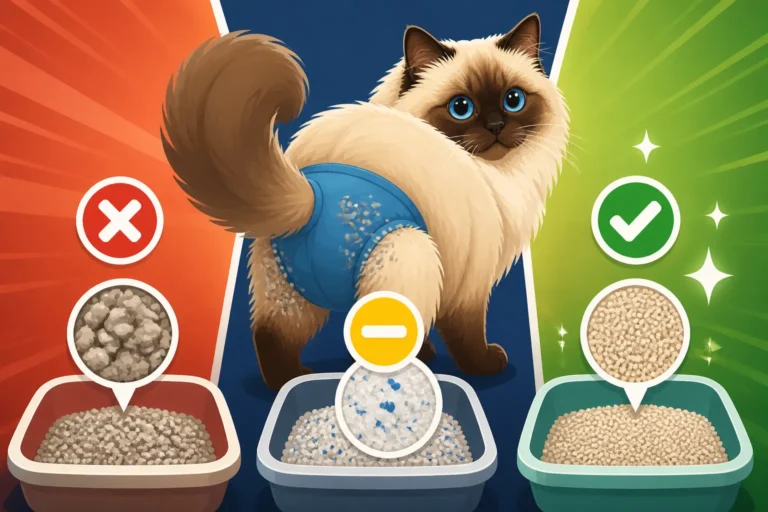
Himalayan cat britches and litter types that prevent clinging, plus grooming strategies for fluffy hindquarters.

Proper hydration for a Himalayan cat carrying PKD1 kidney cysts flushes toxins and supports remaining kidney function.
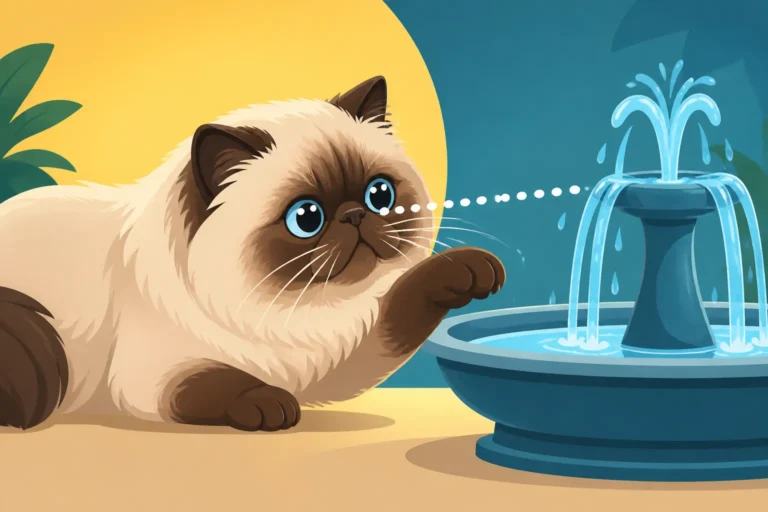
Himalayan cat hydration challenges, flat-faced anatomy, and how to adapt water fountains for brachycephalic feline health.
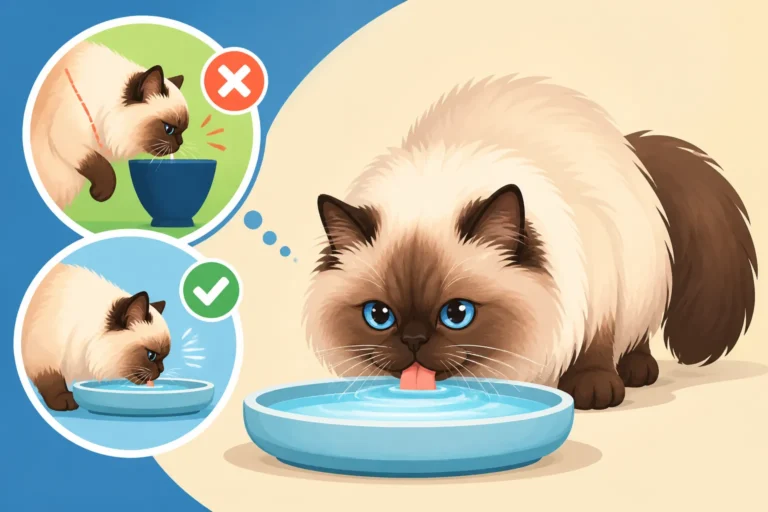
Wide shallow water bowls prevent flat-faced Himalayan cats from soaking their thick fur and getting skin irritation.
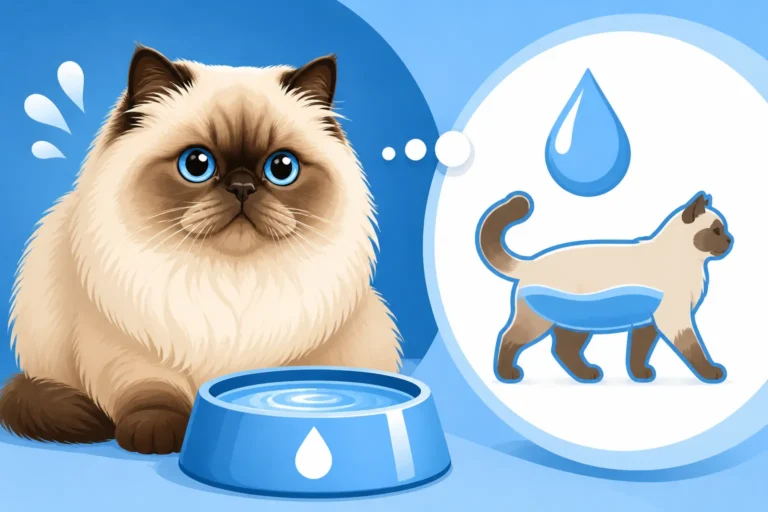
Himalayan cat water intake guidelines explain daily ounces needed based on body weight, kidney health, and diet variables.

Himalayan cat treats help motivate a sedentary cat with a flat face and short legs to leave the sofa for playtime and grooming.

Himalayan owners fear a new food could dull their cat’s points; reasons to switch include a sensitive stomach, a senior diet, allergies and itchy skin.

Himalayan cat jaw structure and crowded teeth affect raw feeding safety, explaining why large chunks require careful modification.

Grain-free food and the Himalayan’s long Persian-type double coat: diet affects matting and dullness, yet a poor coat can have causes with or without grains.