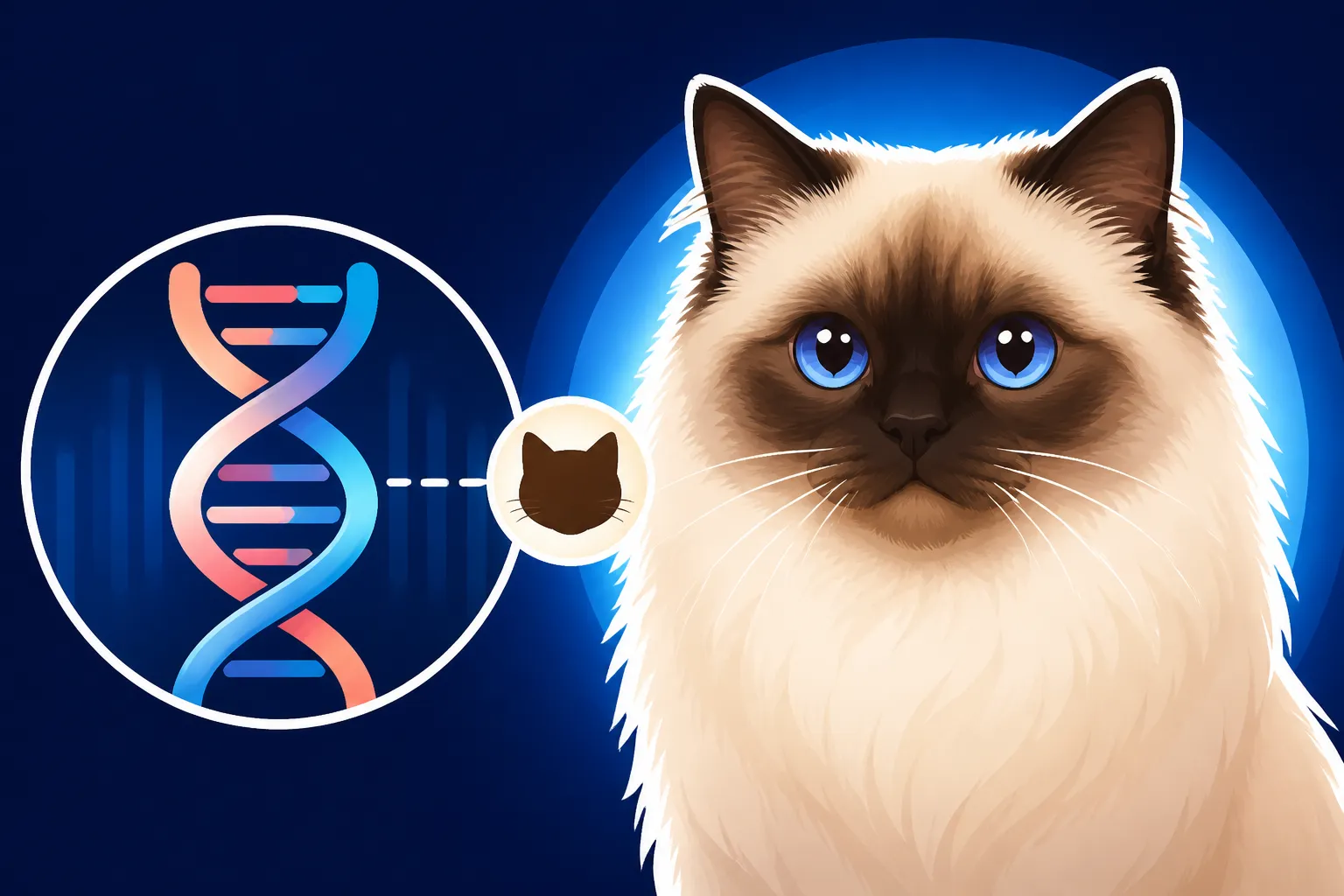
Which Gene Makes a Himalayan Pointed
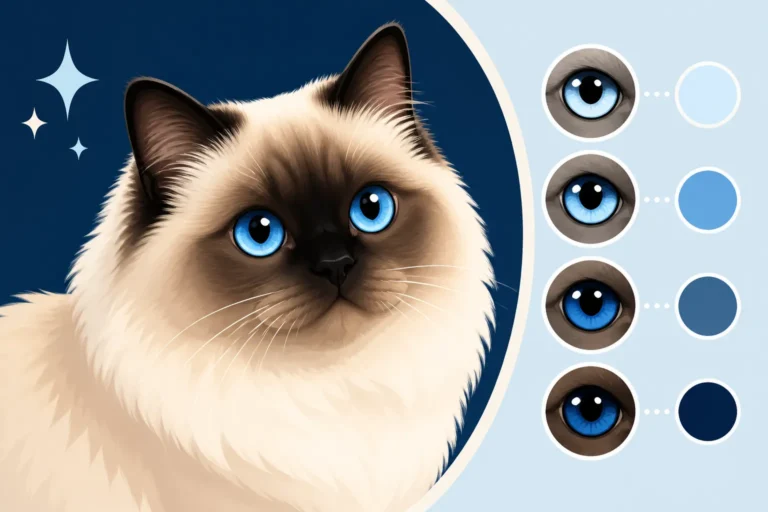
If you've ever gazed into the stunning blue eyes of a Himalayan cat and marvelled at their distinctive, dark "points" – those beautiful contrasting colors on their face, ears, paws, and tail – you're probably wondering what wizardry of nature makes them look so unique. It's not magic, but rather a fascinating genetic quirk that determines their signature coloration, and understanding it will give you an even deeper appreciation for these magnificent felines. This guide will walk you through the very gene responsible for the Himalayan's famous point pattern, explaining how it works and what it means for your beloved cat's appearance.
The Basics of Himalayan Coloration: What's a "Point"?
When we talk about "points" on a Himalayan cat, we're referring to the areas of their body that are darker in color than their main body coat. Think of it as nature's own highlighting, perfectly accentuating their already gorgeous features. These points are typically found on the extremities: the ears, mask (face), paws, and tail. The rest of their body, known as the "body coat," is usually a much paler shade, creating that striking contrast we all adore. It’s this very pattern that defines the Himalayan as a breed, setting it apart from its solid-colored Persian ancestors.
The secret to these points lies in a very specific genetic mutation that affects pigment production. This isn't just about what color genes the cat carries, but how those genes express themselves under certain environmental conditions, specifically temperature. It's a truly remarkable example of how genetics and environment intertwine to create something beautiful and distinct. Without this particular gene, a Himalayan would simply be a solid-colored Persian, lacking the captivating pattern that gives them their name and charm.
Understanding the Siamese Connection: A Temperature-Sensitive Gene
The gene responsible for the Himalayan's unique coat pattern is actually a variation of the gene that codes for tyrosinase, an enzyme crucial for melanin production – that's the pigment that gives skin and fur its color. This specific mutation leads to what scientists call a "temperature-sensitive" enzyme. What that means for your Himalayan is quite extraordinary: the enzyme only functions effectively at cooler temperatures. In warmer conditions, it's essentially 'turned off' or greatly inhibited, leading to a lack of pigment.
This genetic trait isn't exclusive to Himalayans; it's the very same gene responsible for the coloration in Siamese cats, from whom the Himalayan inherited this stunning trait. In fact, one of the primary reasons the Himalayan was developed was to bring the Siamese point pattern to the long-haired, cobby body type of the Persian. So, every time you see those dark points, you're looking at a direct genetic inheritance from their Siamese lineage. It’s a powerful reminder of What the Siamese Side Gave a Himalayan Besides Points. This temperature sensitivity means that the parts of the cat's body that are naturally cooler will produce more pigment, resulting in darker fur, while the warmer core body will remain pale.
Why Every Himalayan Kitten is Born White
This might be one of the most surprising facts for new Himalayan owners, but it's true: every single Himalayan kitten is born almost entirely white or a very pale cream. If you've ever seen a newborn litter, you know they look nothing like the beautifully contrasted adults they will become. This isn't a fluke; it's a direct consequence of that temperature-sensitive gene we just talked about. Inside their mother's womb, kittens are kept at a consistently warm, even temperature – roughly 100 to 102 degrees Fahrenheit (about 38 to 39 degrees Celsius).
At these warm temperatures, the pigment-producing enzyme simply cannot function. It’s too hot for it to do its job, so no melanin is produced, and the kittens are born without any visible color in their fur. It’s a beautiful blank canvas. It's only once they are born and exposed to the cooler ambient air of the outside world that their genetic programming truly begins to manifest. What Color a Himalayan Kitten Is at Birth is a pale wonder, often with no hint of the rich points to come.
The darkening process is gradual, as the cooler air starts to activate the enzyme in the extremities. Over the first few weeks and months, you'll witness the subtle magic unfold. The tiny tips of their ears might be the first to show a faint hint of color, followed by their nose, paws, and tail. It's a slow, enchanting reveal, and watching How Many Weeks Before a Himalayan Kitten's Points Show is one of the joys of raising these unique felines. This delayed coloration is a fundamental aspect of the Himalayan's genetic makeup and a testament to the power of that remarkable temperature-sensitive enzyme.
The Science Behind the Points: Tyrosinase and Temperature
Digging a little deeper into the biological process makes this genetic marvel even more astounding. It's not just about "cold parts get dark"; it's about a specific protein, an enzyme, reacting to its environment at a molecular level. This sophisticated system ensures that a Himalayan's coat is not only beautiful but also a living, breathing thermometer, reflecting the subtle temperature differences across its body. This intricate dance between genetics and environment is what gives each Himalayan its truly unique and breathtaking appearance, making them living works of art.
The implications of this temperature sensitivity extend beyond just aesthetics. It's why things like shaved patches grow back darker, and why older Himalayans can appear more solidly colored. It's a dynamic system, constantly reacting to the cat's internal and external environment. Understanding this allows you to appreciate the science behind their beauty and provides insights into managing their coat health and overall well-being, especially when considering factors like living environment temperature or grooming needs.
The Role of the Tyrosinase Enzyme
At the heart of the Himalayan's coloration is the enzyme tyrosinase. In most animals, tyrosinase is like the master builder for melanin, the pigment responsible for all fur and skin colors. It works efficiently across a wide range of body temperatures, ensuring consistent color distribution. However, in Himalayan cats (and their Siamese relatives), a specific mutation has occurred in the gene that produces this tyrosinase. This mutation results in an altered version of the enzyme that is inherently unstable at normal core body temperatures.
Imagine a construction crew (the tyrosinase enzyme) that can only work efficiently when it's cool outside. When it gets too warm, the crew essentially goes on a break, or works very, very slowly, building almost nothing. This is exactly what happens with the mutated tyrosinase: at warmer temperatures (like the cat's main torso, which is around 100°F or 38°C), the enzyme denatures or becomes inactive, meaning it can't produce melanin. This results in the pale body coat. But in the cooler areas – the extremities like the ears, nose, paws, and tail – the temperature drops just enough to activate the enzyme, allowing it to produce pigment, hence the darker "points." This fascinating mechanism is fundamentally Which Gene Makes a Himalayan Pointed.
This enzyme's sensitivity is quite precise. Even a slight drop in temperature can make a big difference in pigment production. This also explains why something like a healing wound or a shaved area might cause the fur to grow back darker temporarily. The skin temperature at the site of injury or where fur has been removed might be slightly cooler, triggering the enzyme to produce pigment more readily. It's a constant, subtle interplay between the cat's body temperature and its genetic instruction for color.
How Body Temperature Influences Color Development
The concept of body temperature influencing color development is central to understanding the Himalayan pattern. Think of your cat's body as a landscape of varying temperatures. The core of their body, where vital organs reside, is maintained at a consistent and relatively high temperature. This warm environment keeps the tyrosinase enzyme mostly inactive, leading to the pale or creamy color of the main coat. This is why a perfectly standard Himalayan will have a light body and sharply contrasting points.
However, as you move away from the core, towards the extremities, the temperature naturally drops. The ears, which are thin and exposed, lose heat more readily. The nose and face are at the forefront of the body and experience slightly lower temperatures. Paws, being further from the core, and the tail, with its lower blood flow and exposure, are consistently cooler. These cooler regions provide the ideal temperature window for the mutated tyrosinase enzyme to become active and start producing melanin. This process literally paints the points onto your Himalayan. Why the Cold Parts of a Himalayan Grow Dark Fur is a direct result of this enzymatic activity.
This temperature dependency also explains why a Himalayan's points can change over time. As a cat ages, their metabolism might slow down, or they might spend more time in cooler spots around the house, leading to a deepening of their point color and even a slight darkening of their body coat. Even living in a generally cooler climate can lead to a darker overall appearance, illustrating Why a Himalayan in a Cold House Darkens All Over. It's a dynamic and visible biological process, making each Himalayan truly a unique canvas.
Beyond the Basics: Genetic Inheritance and Point Varieties
Understanding the basic mechanism of the temperature-sensitive gene is just the beginning. The inheritance of this trait, and the sheer variety of point colors it allows for, adds another layer of fascination to the Himalayan cat. It's not just a single "point gene" but a complex interaction with other genes that determine the type of color that appears on those points. This genetic tapestry results in the stunning array of Himalayans we see today, from the classic Seal Point to the more exotic Lilac Points.
When considering breeding, or even just appreciating your own pet, recognizing how these genetic factors combine is crucial. It’s why some Himalayans have deep, rich brown points, while others have soft blues or vibrant reds. Each variation tells a story of genetic combination, all built upon that foundational temperature-sensitive gene. It's a testament to the intricate beauty of feline genetics, making every Himalayan a unique and captivating individual.
Inheriting the Pointed Trait: Recessive Genes in Action
For a cat to display the Himalayan point pattern, it must inherit two copies of the specific recessive gene responsible for the temperature-sensitive tyrosinase enzyme. We often represent genes with letters, where a capital letter might denote a dominant trait and a lowercase letter a recessive one. In this case, let's say 'C' is the dominant gene for full color production (where tyrosinase works normally), and 'c' is the recessive gene for the temperature-sensitive tyrosinase (the Himalayan pattern).
A Himalayan cat must have the genetic makeup 'cc' to show points. If a cat inherits one 'C' and one 'c' (Cc), it will be a full-color cat, but it will carry the gene for the Himalayan pattern. These cats are known as "colorpoint carriers." They won't show any points themselves, but they can pass the 'c' gene on to their offspring. This is particularly important in breeding programs, as How a Persian Can Carry the Himalayan Gene Hidden allows breeders to introduce the point gene into Persian lines without immediately seeing the pattern, only for it to emerge in later generations when two carrier cats are bred together.
This recessive inheritance means that both parents must contribute a 'c' gene for a kitten to be pointed. If a Himalayan (cc) is bred to a full-color cat that doesn't carry the point gene (CC), all the kittens will be full-color carriers (Cc). They won't have points, but they'll be able to produce pointed kittens if later bred with another carrier or a true Himalayan. This complex dance of dominant and recessive genes is a core principle in feline genetics, and it ensures the continued presence of the stunning Himalayan pattern in the breed.
Exploring Different Point Colors
While the temperature-sensitive gene dictates where the color appears, other genes determine what color those points actually are. The base color genetics of a cat (whether it's genetically black, red, or diluted versions of these) are expressed primarily in those cooler point areas. This is why we see such a wonderful variety of point colors in Himalayans, each a delightful variation on the theme.
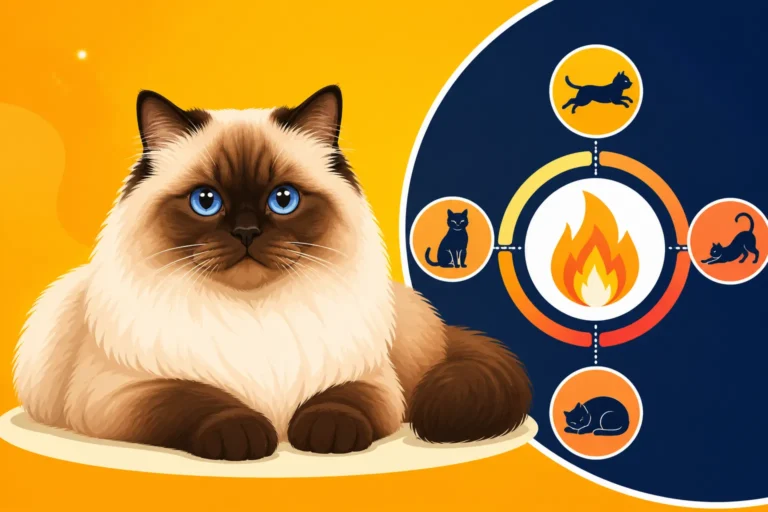
The most common and classic point color is Seal Point, which is essentially the expression of black pigment in the cooler regions. Then you have Blue Point, a dilute version of Seal, giving a softer, grayish-blue hue. Chocolate Point is a less common, warmer brown, while Lilac Point is its dilute counterpart, a delicate pinkish-gray. For a splash of warmth, there's Flame Point (also known as Red Point), where red pigment is expressed. Then we have patterns like Tortie Point (a mix of red and another color, almost exclusively found in females) and Lynx Point (which features tabby stripes within the points). Each color is a unique combination of the point gene and other color genes present in the cat's DNA.
Here's a quick overview of some common Himalayan point colors and their genetic basis:
| Point Color | Underlying Genetic Base | Description |
|---|---|---|
| Seal Point | Black | Dark, rich brownish-black points |
| Blue Point | Dilute Black | Soft, slate-grayish-blue points |
| Chocolate Point | Brown | Warmer, milk-chocolate brown points |
| Lilac Point | Dilute Brown | Delicate, pinkish-gray points |
| Flame Point (Red) | Red | Creamy to vibrant orange-red points |
| Tortie Point | Black + Red | Patches of red and another color (e.g., seal, blue) |
| Lynx Point | Tabby Pattern | Distinct tabby stripes within the points |
These different point colors allow for incredible diversity within the Himalayan breed, making each cat a unique canvas. When you're looking for cat food, especially for specific coats, you might find options for color-enhancing diets on platforms like Chewy or Amazon. However, remember that the genetic color is inherent, and diet mostly helps with coat health, not changing the fundamental hue. For specialized nutrition, some owners might even consider fresh food delivery services, though always consult with your vet about dietary changes. This gene also consistently ensures that Why a Himalayan's Required Blue Eyes Carry No Penalty in terms of point color expression, as the blue eye color is another trait linked to the point gene. It truly is a remarkable and beautiful genetic package.
Disclaimer
This article is for general informational purposes only and does not constitute professional advice. Laws, prices and regulations vary by location and change over time. Consult a qualified professional for guidance on your specific situation.